Tag: financial assistance

  • Fertility Clinics vs Hospitals: Which Has Better Resources for Low Income Individuals?

    Blog Post:

    Fertility issues can be a challenging and emotional journey for anyone, but for low-income individuals, the obstacles can seem insurmountable. In order to receive the necessary medical care and support to start a family, many turn to fertility clinics and hospitals. However, the question remains – which option has better resources for low-income individuals? In this blog post, we will explore the differences between fertility clinics and hospitals and determine which may be the better choice for those on a limited budget.

    Fertility Clinics:

    Fertility clinics are specialized facilities that provide a wide range of treatments and services for individuals struggling with infertility. These clinics typically have a team of reproductive specialists, including doctors, nurses, and embryologists, who are trained in the latest techniques and technologies for fertility treatments. They offer a variety of services, from diagnostic testing to in vitro fertilization (IVF), and everything in between.

    One of the main advantages of fertility clinics is their focus on reproductive medicine. This means that they have a deep understanding of the complexities and nuances of fertility issues, and are able to provide personalized treatment plans for each individual. This level of expertise and specialization can be crucial for low-income individuals who may have unique challenges or medical conditions that require specialized care.

    In addition, fertility clinics often have state-of-the-art equipment and technology, which can greatly increase the chances of success for fertility treatments. However, this advanced technology often comes with a hefty price tag, making it difficult for low-income individuals to afford. This is where the cost factor comes into play when considering fertility clinics as a resource for low-income individuals.

    Cost is often the biggest concern for those considering fertility treatments, and unfortunately, fertility clinics can be expensive. The average cost of a single IVF cycle can range from $12,000 to $15,000, not including the cost of medications and other associated expenses. For low-income individuals, this may simply be out of reach, making fertility clinics seem like an unattainable option.

    Comparison of IUI and IVF, illustrating procedures and definitions for each fertility treatment.

    Fertility Clinics vs Hospitals: Which Has Better Resources for Low Income Individuals?

    Hospitals:

    Hospitals, on the other hand, are more traditional medical facilities that offer a wide range of services, including fertility treatments. Unlike fertility clinics, hospitals do not specialize in reproductive medicine, but they do have the advantage of having a wide range of medical professionals and resources at their disposal.

    One of the main benefits of hospitals is their ability to offer a holistic approach to fertility treatments. This means that they can address any underlying medical conditions that may be contributing to infertility, such as endometriosis or polycystic ovary syndrome (PCOS). By treating these conditions, the chances of success for fertility treatments may increase.

    Hospitals also have the advantage of being able to offer a variety of payment options, including discounted services for low-income individuals or those without insurance. This can make fertility treatments more accessible for those on a limited budget. In addition, hospitals may also offer financial assistance programs or grants specifically for fertility treatments, which can greatly reduce the cost for low-income individuals.

    However, hospitals may not have the same level of expertise and specialized equipment as fertility clinics. This can potentially impact the success rates of fertility treatments, as they may not have access to the latest technologies and techniques. In addition, hospitals may have longer wait times for appointments and procedures, which can be frustrating for individuals who are eager to start their fertility journey.

    Summary:

    In summary, both fertility clinics and hospitals have their own unique resources and benefits for low-income individuals seeking fertility treatments. Fertility clinics offer specialized care and advanced technology, while hospitals offer a more holistic approach and potentially more affordable options. Ultimately, the best choice will depend on the individual’s specific needs and financial situation.

    However, it is important for low-income individuals to explore all their options and do thorough research before making a decision. They should also consider seeking out grants, financial assistance programs, or discounted services at both fertility clinics and hospitals. With determination and proper support, starting a family can be possible for anyone, regardless of their income level.
  • The Financial Realities of Starting a Family: Fertility Treatments and Adoption

    Starting a family is a major milestone for many couples. It is a time filled with excitement, anticipation, and dreams of a happy future. However, the financial realities of starting a family can often be daunting and overwhelming. In particular, for couples facing fertility issues or considering adoption, the costs involved can be significant.

    In this blog post, we will explore the financial realities of starting a family through fertility treatments and adoption. We will discuss the various costs involved, potential sources of financial assistance, and tips for managing the financial burden. We hope that by shedding light on these financial aspects, we can help couples make informed decisions and alleviate some of the stress associated with starting a family.

    Fertility Treatments: The High Costs of Conception

    For couples struggling with fertility issues, assisted reproductive technologies (ART) such as in vitro fertilization (IVF) can offer hope. However, these treatments come with a hefty price tag. A single cycle of IVF can cost anywhere from $12,000 to $15,000, and multiple cycles may be required for a successful pregnancy. This can quickly add up to tens of thousands of dollars.

    Aside from the actual treatment costs, there are other expenses to consider, such as medication, blood work, ultrasounds, and other medical tests. These costs can easily add an additional $3,000 to $5,000 per cycle.

    Moreover, many insurance plans do not cover fertility treatments, leaving couples to bear the full cost out of pocket. Some insurance plans may offer partial coverage for diagnosis, but not for the actual treatment. This lack of coverage can be a major hurdle for couples who are already facing emotional and physical challenges on their journey to parenthood.

    Potential Sources of Financial Assistance for Fertility Treatments

    While fertility treatments may seem financially out of reach for some couples, there are potential sources of financial assistance available. Some employers offer fertility benefits as part of their health insurance plans, so it is worth checking with your employer to see if you have any coverage.

    Additionally, there are organizations and foundations that provide financial assistance for fertility treatments. These include Baby Quest Foundation, The Tinina Q. Cade Foundation, and Family Formation Charitable Trust, to name a few. These organizations have specific eligibility criteria, so it is essential to do your research and see if you qualify for their assistance.

    Another option is to consider financing options such as loans or payment plans offered by fertility clinics. While these may come with interest and additional fees, they can help spread out the cost of treatments over time, making it more manageable for couples.

    Adoption: The Costs of Building a Family Through Love

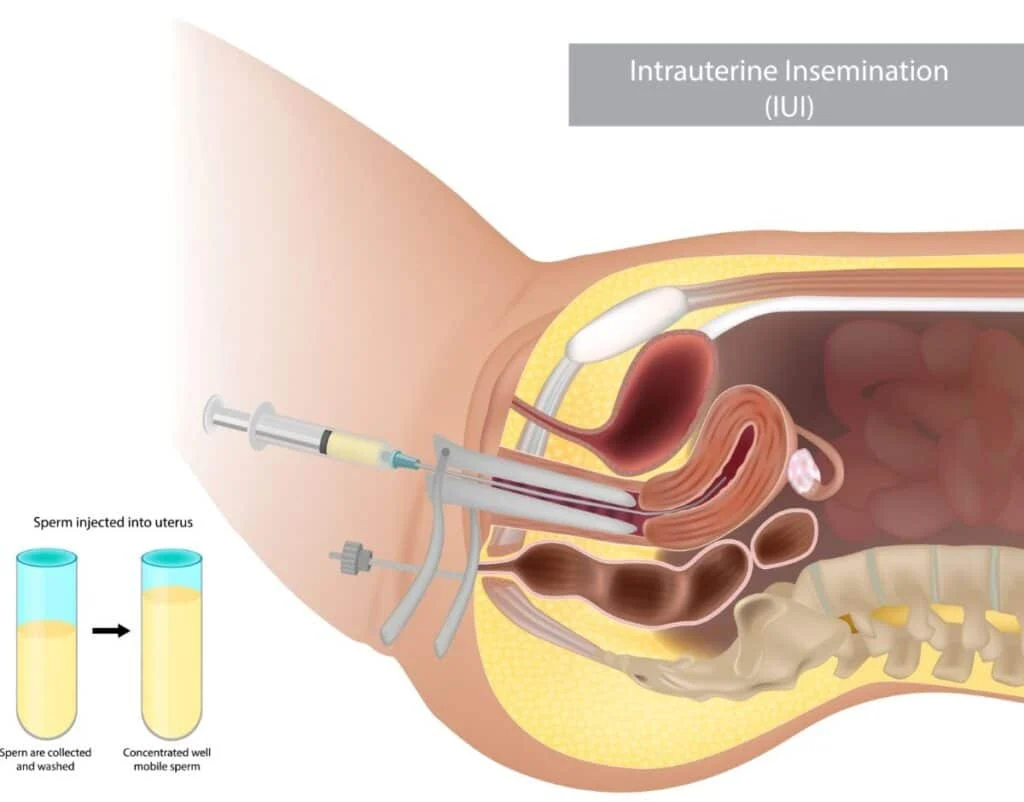
    Diagram illustrating intrauterine insemination (IUI) procedure with sperm injection into the uterus.

    The Financial Realities of Starting a Family: Fertility Treatments and Adoption

    For couples who are unable to conceive or prefer adoption as a means of starting a family, the costs involved can also be significant. The average cost of domestic adoption in the United States can range from $20,000 to $40,000, while international adoptions can cost upwards of $50,000.

    These costs include application fees, home study fees, legal fees, and travel expenses if adopting internationally. It is worth noting that the costs can vary depending on the type of adoption, the age of the child, and the agency or attorney fees involved.

    It is also important to keep in mind that these costs do not guarantee a successful adoption. There are instances where couples incur expenses and do not end up adopting a child, adding to the financial burden.

    Potential Sources of Financial Assistance for Adoption

    Similar to fertility treatments, there are potential sources of financial assistance for adoption. Many employers offer adoption benefits as part of their employee benefits packages, which can help offset some of the costs involved. Additionally, there are adoption grants and loans available through organizations such as HelpUsAdopt.org and Gift of Adoption Fund.

    Some states also offer adoption subsidies and tax credits for families who adopt children with special needs or from the foster care system. It is essential to research and understand the adoption laws and benefits in your state to determine if you are eligible for any financial assistance.

    Managing the Financial Burden of Starting a Family

    The financial realities of starting a family through fertility treatments or adoption can be overwhelming. However, there are ways to manage the financial burden and make the journey to parenthood more feasible.

    Firstly, it is crucial to create a budget and stick to it. Understand the costs involved in your specific situation and plan accordingly. This can help prevent overspending and keep you on track towards your goal of starting a family.

    Secondly, consider alternative options such as foster care adoption or embryo adoption, which can be more affordable than traditional adoption methods.

    Lastly, do not be afraid to seek help and support. There are support groups and online communities for couples going through fertility treatments or adoption, where you can find emotional and financial support. Additionally, consulting with a financial advisor can also be beneficial in creating a financial plan and exploring potential sources of financial assistance.

    In conclusion, the financial realities of starting a family through fertility treatments or adoption can be challenging. However, with careful planning, research, and support, it is possible to overcome these challenges and achieve the dream of parenthood. Remember, the journey to starting a family may not be easy, but the end result of holding your child in your arms will make it all worth it.

  • Navigating the Expenses of Starting a Family: Fertility Treatments and Adoption

    Navigating the Expenses of Starting a Family: Fertility Treatments and Adoption

    Starting a family is a dream for many couples, but for some, it may not come as easily as they had hoped. Fertility issues and difficulties with conceiving can be a devastating and emotionally draining experience for couples who are trying to start a family. In these situations, fertility treatments and adoption may be the next options to consider. However, the cost of these options can be overwhelming and may make the process seem financially impossible. In this blog post, we will explore the expenses associated with fertility treatments and adoption, as well as ways to navigate these costs.

    The Cost of Fertility Treatments

    Fertility treatments can range from basic medications to more complex procedures, depending on the specific needs of each individual or couple. The most commonly known fertility treatment is in vitro fertilization (IVF), which involves fertilizing an egg outside of the body and then implanting it into the uterus. The cost of IVF can vary greatly, with the average cost in the United States ranging from $12,000 to $15,000 per cycle. This cost does not include additional expenses such as medications, which can cost an additional $3,000 to $5,000 per cycle.

    Other fertility treatments, such as intrauterine insemination (IUI) and fertility medications, can also add to the overall cost. On average, IUI can cost between $300 to $1,000 per cycle, and fertility medications can range from $1,000 to $5,000 per cycle.

    Factors that can impact the cost of fertility treatments include the type of treatment, the number of cycles needed, and any additional procedures that may be required. It is important to consult with a fertility specialist to determine the best treatment plan and to get an accurate estimate of the associated costs.

    Ways to Cover the Cost of Fertility Treatments

    For many couples, the cost of fertility treatments may be a barrier to starting a family. However, there are a few options to help cover these expenses.

    1. Insurance Coverage: Some insurance plans may cover a portion of the costs associated with fertility treatments. It is important to check with your insurance provider to see what is covered and what may be out-of-pocket expenses.

    2. Fertility Grants and Loans: There are organizations that offer grants and loans specifically for fertility treatments. These can help alleviate the financial burden and make it more feasible to pursue fertility treatments.

    3. Payment Plans: Many fertility clinics offer payment plans to help spread out the cost of treatments. This can make it more manageable for couples to cover the expenses over time.

    4. Crowdfunding: Crowdfunding platforms, such as GoFundMe, have become a popular way for individuals and couples to raise money for various expenses, including fertility treatments.

    Comparison of IUI and IVF treatments with diagrams of reproductive anatomy.

    Navigating the Expenses of Starting a Family: Fertility Treatments and Adoption

    The Cost of Adoption

    Adoption is another option for couples who are struggling with fertility issues. The cost of adoption can vary greatly depending on the type of adoption, the agency or facilitator used, and any additional legal fees. On average, domestic adoptions can cost between $20,000 to $40,000, while international adoptions can range from $25,000 to $50,000.

    Factors that can impact the cost of adoption include the age of the child, the country of origin, and any additional services, such as home studies or post-adoption counseling. It is important to do thorough research and consult with adoption agencies to get an accurate estimate of the costs involved.

    Ways to Cover the Cost of Adoption

    Adoption costs can be a significant barrier for couples who are looking to start a family through this option. However, there are resources available to help cover these expenses.

    1. Adoption Tax Credit: The adoption tax credit is a federal tax credit that can help offset the cost of adoption. The amount of the credit varies each year, but for 2021, it is up to $14,440 per child.

    2. Grants and Loans: Similar to fertility treatments, there are organizations that offer grants and loans specifically for adoption. These can help make it more feasible for couples to pursue adoption as an option.

    3. Employer Assistance: Some employers offer adoption assistance as part of their employee benefits. This may include financial assistance or paid leave for adoptive parents.

    4. Fundraising: Similar to crowdfunding, fundraising can be a way to gather financial support from friends, family, and the community for adoption expenses.

    Navigating the Expenses of Starting a Family

    The cost of fertility treatments and adoption can be overwhelming, but there are options available to help couples navigate these expenses. It is important to reach out to resources and do thorough research to fully understand the costs involved and ways to cover them.

    In addition to financial considerations, it is also important for couples to take care of their emotional and mental well-being during this process. Navigating fertility treatments and adoption can be emotionally taxing, so it is important to seek support from loved ones and professionals when needed.

    In conclusion, starting a family may come with its own set of challenges, but with proper planning and support, couples can overcome the financial hurdles of fertility treatments and adoption. Remember to explore all options, reach out for assistance, and take care of yourselves during this journey.

  • Fertility Treatment Options: Navigating with the Help of Counseling and Support

    Blog post summary:

    Fertility treatment can be a complex and emotional journey for individuals and couples struggling with infertility. While there are various medical options available, it is important to also consider the role of counseling and support in navigating this process. In this blog post, we will discuss the different fertility treatment options and the benefits of seeking counseling and support during this challenging time.

    The blog post begins by providing an overview of the various fertility treatment options, including medications, assisted reproductive technologies, and adoption. It emphasizes the importance of consulting with a fertility specialist to determine the best course of action based on individual circumstances.

    Next, the blog post delves into the emotional and psychological impact of infertility and how counseling can provide much-needed support during this difficult time. It highlights the benefits of seeking therapy, such as coping with grief and loss, managing stress and anxiety, and improving communication in relationships.

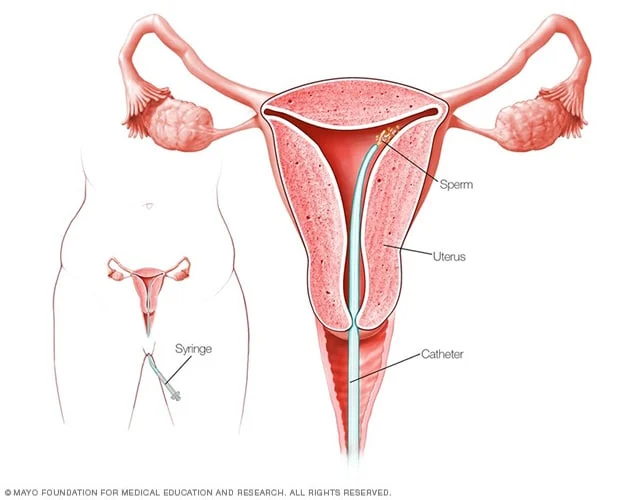
    diagram illustrating intrauterine insemination (IUI) procedure with uterus, sperm, and catheter labeled

    Fertility Treatment Options: Navigating with the Help of Counseling and Support

    The blog post then explores the role of support groups in the fertility treatment journey. It explains how connecting with others who are going through a similar experience can provide a sense of community, reduce feelings of isolation, and offer valuable advice and support.

    Additionally, the blog post discusses the importance of self-care during fertility treatment. It emphasizes the need to prioritize physical and emotional well-being and offers practical tips for self-care, such as exercise, mindfulness, and seeking out positive distractions.

    Finally, the blog post addresses the financial aspect of fertility treatment and the potential strain it can put on individuals and couples. It suggests seeking financial counseling and exploring options for financial assistance to alleviate some of the stress and burden.

    In conclusion, fertility treatment is a challenging journey that can greatly benefit from the support of counseling and support groups. By addressing the emotional, psychological, and financial aspects of infertility, individuals and couples can navigate this process with greater resilience and hope.