Tag: Financial Realities

  • The Financial Realities of Starting a Family: Fertility Treatments and Adoption

    Starting a family is a major milestone for many couples. It is a time filled with excitement, anticipation, and dreams of a happy future. However, the financial realities of starting a family can often be daunting and overwhelming. In particular, for couples facing fertility issues or considering adoption, the costs involved can be significant.

    In this blog post, we will explore the financial realities of starting a family through fertility treatments and adoption. We will discuss the various costs involved, potential sources of financial assistance, and tips for managing the financial burden. We hope that by shedding light on these financial aspects, we can help couples make informed decisions and alleviate some of the stress associated with starting a family.

    Fertility Treatments: The High Costs of Conception

    For couples struggling with fertility issues, assisted reproductive technologies (ART) such as in vitro fertilization (IVF) can offer hope. However, these treatments come with a hefty price tag. A single cycle of IVF can cost anywhere from $12,000 to $15,000, and multiple cycles may be required for a successful pregnancy. This can quickly add up to tens of thousands of dollars.

    Aside from the actual treatment costs, there are other expenses to consider, such as medication, blood work, ultrasounds, and other medical tests. These costs can easily add an additional $3,000 to $5,000 per cycle.

    Moreover, many insurance plans do not cover fertility treatments, leaving couples to bear the full cost out of pocket. Some insurance plans may offer partial coverage for diagnosis, but not for the actual treatment. This lack of coverage can be a major hurdle for couples who are already facing emotional and physical challenges on their journey to parenthood.

    Potential Sources of Financial Assistance for Fertility Treatments

    While fertility treatments may seem financially out of reach for some couples, there are potential sources of financial assistance available. Some employers offer fertility benefits as part of their health insurance plans, so it is worth checking with your employer to see if you have any coverage.

    Additionally, there are organizations and foundations that provide financial assistance for fertility treatments. These include Baby Quest Foundation, The Tinina Q. Cade Foundation, and Family Formation Charitable Trust, to name a few. These organizations have specific eligibility criteria, so it is essential to do your research and see if you qualify for their assistance.

    Another option is to consider financing options such as loans or payment plans offered by fertility clinics. While these may come with interest and additional fees, they can help spread out the cost of treatments over time, making it more manageable for couples.

    Adoption: The Costs of Building a Family Through Love
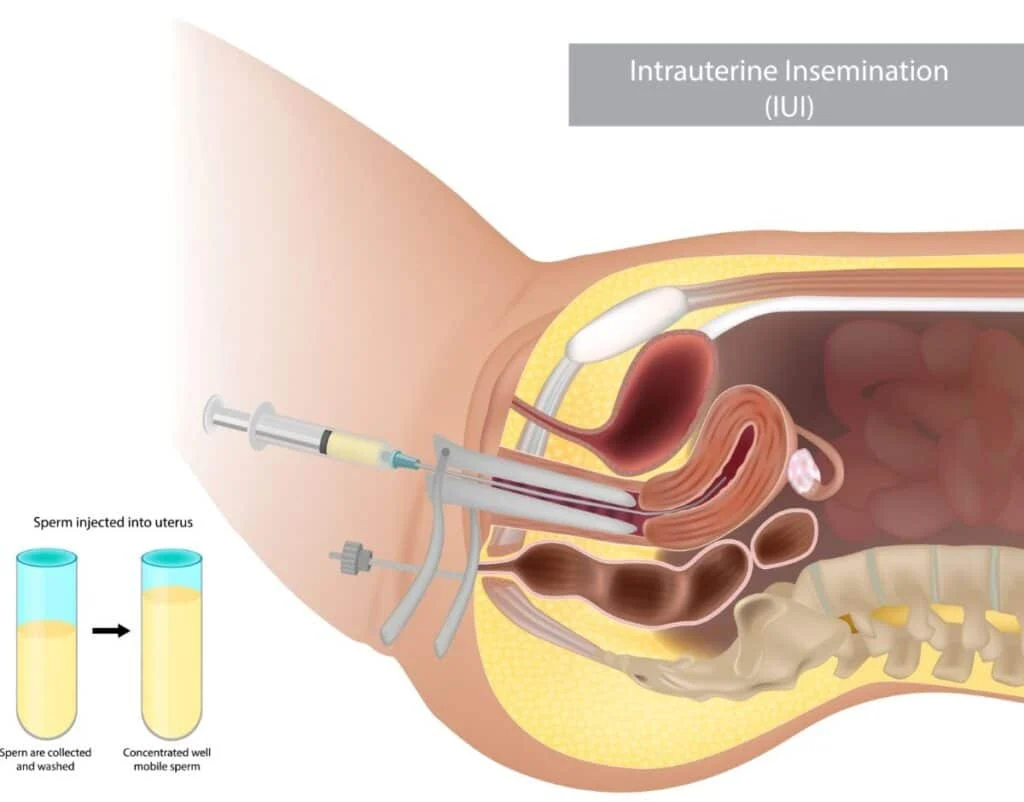
    Diagram illustrating intrauterine insemination (IUI) procedure with sperm injection into the uterus.

    The Financial Realities of Starting a Family: Fertility Treatments and Adoption

    For couples who are unable to conceive or prefer adoption as a means of starting a family, the costs involved can also be significant. The average cost of domestic adoption in the United States can range from $20,000 to $40,000, while international adoptions can cost upwards of $50,000.

    These costs include application fees, home study fees, legal fees, and travel expenses if adopting internationally. It is worth noting that the costs can vary depending on the type of adoption, the age of the child, and the agency or attorney fees involved.

    It is also important to keep in mind that these costs do not guarantee a successful adoption. There are instances where couples incur expenses and do not end up adopting a child, adding to the financial burden.

    Potential Sources of Financial Assistance for Adoption

    Similar to fertility treatments, there are potential sources of financial assistance for adoption. Many employers offer adoption benefits as part of their employee benefits packages, which can help offset some of the costs involved. Additionally, there are adoption grants and loans available through organizations such as HelpUsAdopt.org and Gift of Adoption Fund.

    Some states also offer adoption subsidies and tax credits for families who adopt children with special needs or from the foster care system. It is essential to research and understand the adoption laws and benefits in your state to determine if you are eligible for any financial assistance.

    Managing the Financial Burden of Starting a Family

    The financial realities of starting a family through fertility treatments or adoption can be overwhelming. However, there are ways to manage the financial burden and make the journey to parenthood more feasible.

    Firstly, it is crucial to create a budget and stick to it. Understand the costs involved in your specific situation and plan accordingly. This can help prevent overspending and keep you on track towards your goal of starting a family.

    Secondly, consider alternative options such as foster care adoption or embryo adoption, which can be more affordable than traditional adoption methods.

    Lastly, do not be afraid to seek help and support. There are support groups and online communities for couples going through fertility treatments or adoption, where you can find emotional and financial support. Additionally, consulting with a financial advisor can also be beneficial in creating a financial plan and exploring potential sources of financial assistance.

    In conclusion, the financial realities of starting a family through fertility treatments or adoption can be challenging. However, with careful planning, research, and support, it is possible to overcome these challenges and achieve the dream of parenthood. Remember, the journey to starting a family may not be easy, but the end result of holding your child in your arms will make it all worth it.
  • and Dreaming of Parenthood: The Financial Realities of Fertility Treatments and Adoption

    Dreaming of Parenthood: The Financial Realities of Fertility Treatments and Adoption

    Parenthood is a dream for many people, but for some, it may not come as easily as they hoped. In today’s society, more and more couples and individuals are turning to assisted reproductive technologies such as fertility treatments and adoption to fulfill their desire to become parents. While these options can be a blessing for those struggling with fertility issues or looking to grow their family through adoption, they also come with a hefty price tag. In this blog post, we will dive into the financial realities of fertility treatments and adoption, and explore ways to make these dreams of parenthood more financially feasible.

    The Cost of Fertility Treatments

    Fertility treatments, also known as assisted reproductive technologies (ART), are medical procedures used to help individuals and couples conceive a child. These treatments can include in vitro fertilization (IVF), intrauterine insemination (IUI), and fertility medication. While the cost of fertility treatments can vary depending on the specific type and location, the average cost for one IVF cycle in the United States is around $12,000, with additional costs for necessary medications, diagnostic tests, and other related expenses. This can add up to tens of thousands of dollars for multiple cycles, and unfortunately, there is no guarantee of success.

    The high cost of fertility treatments can be a major barrier for many individuals and couples looking to start a family. In fact, a survey conducted by FertilityIQ found that 37% of respondents said the financial burden of fertility treatments led them to delay or forgo parenthood altogether. This is a heartbreaking reality for those who are unable to afford the treatments they need to fulfill their dream of becoming parents.

    The Hidden Costs of Fertility Treatments

    In addition to the direct costs of fertility treatments, there are also hidden costs that many people may not consider. These can include taking time off work for appointments and procedures, travel expenses for out-of-state treatments, and the emotional toll that the process can take on individuals and their relationships. It’s important to take all of these factors into consideration when planning for fertility treatments and to budget accordingly.

    Options for Financing Fertility Treatments

    Fortunately, there are options available to help make fertility treatments more financially feasible for those struggling to cover the costs. Some insurance companies may offer coverage for fertility treatments, but this can vary greatly and not all plans will cover these expenses. It’s important to research and understand the coverage provided by your insurance plan to determine what, if any, fertility treatments may be covered.

    Another option is to explore financing options specifically designed for fertility treatments. Some fertility clinics may offer payment plans or financing options, and there are also third-party financing companies that specialize in fertility treatments. These companies offer loans or lines of credit specifically for fertility treatments, with competitive interest rates and flexible payment plans. It’s important to carefully consider the terms and interest rates offered by these financing options to ensure they are manageable for your individual financial situation.

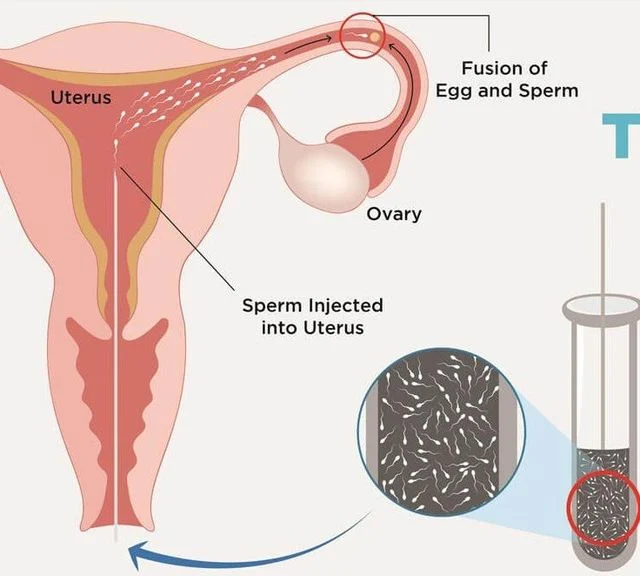
    Diagram illustrating the IUI process, showing sperm injection into the uterus and egg fertilization.

    and Dreaming of Parenthood: The Financial Realities of Fertility Treatments and Adoption

    The Cost of Adoption

    For those looking to grow their family through adoption, the process can also come with a significant financial burden. The average cost of adoption in the United States ranges from $20,000 to $45,000, depending on the type of adoption and other factors such as legal fees, travel expenses, and home study costs. This cost can be a major barrier for many families who may already be struggling with the emotional toll of infertility.

    Options for Financing Adoption

    Similar to fertility treatments, there are options available to help make adoption more financially feasible for those hoping to become parents through this route. Some employers offer adoption assistance programs as part of their employee benefits, which can provide financial support to employees looking to adopt. Additionally, there are grants and loans available specifically for adoption, offered by organizations such as the Dave Thomas Foundation and the National Adoption Foundation.

    Tax Benefits for Fertility Treatments and Adoption

    One way to help offset the high costs of fertility treatments and adoption is through tax benefits. In the United States, some fertility treatments may be tax-deductible as a medical expense, but this can vary depending on individual circumstances and should be discussed with a tax professional. For adoption, the Adoption Tax Credit allows for a tax credit of up to $14,300 for qualified adoption expenses. It’s important to consult with a tax professional to understand the specifics of these benefits and how they may apply to your situation.

    The Emotional and Personal Investment of Parenthood

    While the financial aspects of fertility treatments and adoption can be daunting, it’s important to remember the emotional and personal investment that comes with parenthood. For many, the desire to become a parent is a deeply personal and emotional journey, and the costs associated with these options may pale in comparison to the joy and fulfillment of raising a child. It’s important to weigh the financial realities with the emotional and personal investment of parenthood and make the best decision for you and your family.

    In conclusion, the dream of parenthood can be a costly one, whether through fertility treatments or adoption. However, there are options available to help make these dreams more financially feasible. It’s important to research and understand the costs associated with these options and to plan and budget accordingly. While the financial realities may be a barrier for some, the emotional and personal investment of parenthood can be priceless.

    Summary:

    Parenthood is a dream for many, but for those struggling with fertility issues or looking to adopt, it can come with a hefty price tag. Fertility treatments can cost tens of thousands of dollars, with no guarantee of success, and adoption can range from $20,000 to $45,000. However, there are options for financing these expenses, such as insurance coverage, financing plans, and tax benefits. It’s important to consider the hidden costs, emotional toll, and personal investment of parenthood when making these decisions. While the financial realities may be daunting, the joy and fulfillment of raising a child can be priceless.