The Psychological Impact: Coping with the Emotional Toll of Artificial Insemination and IVF
Artificial insemination and in vitro fertilization (IVF) are two commonly used methods for couples struggling with infertility. While these procedures offer hope for starting a family, they can also take a significant emotional toll on those going through them. The journey of trying to conceive through these assisted reproduction techniques can bring about a range of emotions, from hope and excitement to disappointment and grief. In this blog post, we will explore the psychological impact of artificial insemination and IVF and offer tips for coping with the emotional toll it can take.
The Emotional Rollercoaster of Artificial Insemination and IVF
For couples who have been trying to conceive without success, artificial insemination and IVF can be seen as a glimmer of hope. The thought of finally being able to have a child can bring about feelings of joy and excitement. However, as the process unfolds, many individuals and couples experience a rollercoaster of emotions.
The first hurdle is often the realization that they need assistance to conceive, which can lead to feelings of inadequacy and shame. This can also be accompanied by a sense of loss, as the couple may feel like they have lost control over their ability to have a child naturally.
As the procedures progress, there may be a mix of emotions ranging from hope and anticipation to fear and anxiety. The constant waiting for results and uncertainty about the outcome can be emotionally draining. And if the procedures are not successful, it can bring about feelings of disappointment, frustration, and even anger.
Coping with the Emotional Toll
Dealing with the emotional impact of artificial insemination and IVF is crucial for the well-being of individuals and couples going through these procedures. Here are some tips for coping with the emotional toll:
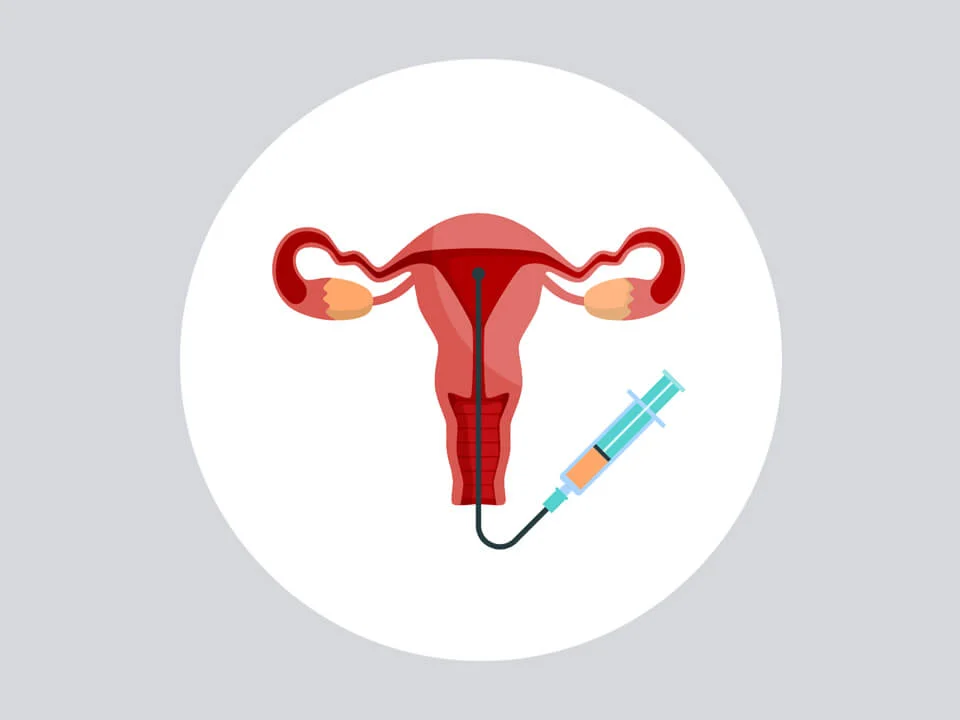
The Psychological Impact: Coping with the Emotional Toll of Artificial Insemination and IVF
1. Seek Support: Going through these procedures can be isolating, but it’s essential to seek support from loved ones or a support group. Talking to others who have gone through similar experiences can provide comfort and reassurance.
2. Be Kind to Yourself: It’s common for individuals and couples to blame themselves for not being able to conceive naturally. It’s important to remember that infertility is not anyone’s fault, and it’s essential to be kind to yourself during this journey.
3. Communicate with Your Partner: It’s crucial to keep an open line of communication with your partner throughout this process. Remember that you are both going through this together, and it’s essential to support each other.
4. Take Care of Your Mental Health: The emotional toll of artificial insemination and IVF can take a toll on mental health. It’s crucial to prioritize self-care and seek professional help if needed.
5. Be Realistic: While it’s essential to remain hopeful, it’s also crucial to be realistic about the success rates of these procedures. It’s okay to have a backup plan and prepare for alternative options if needed.
The Importance of Addressing the Psychological Impact of Artificial Insemination and IVF
The emotional impact of artificial insemination and IVF should not be underestimated. Studies have shown that individuals and couples going through these procedures are at a higher risk of developing depression, anxiety, and stress. It’s crucial to address these emotional challenges to ensure a healthy and successful outcome.
Moreover, the psychological impact of these procedures can also affect the relationship between the couple. It’s essential to prioritize the emotional well-being of both partners to maintain a strong and supportive relationship throughout this journey.
In conclusion, artificial insemination and IVF offer hope for couples struggling with infertility, but the emotional toll it can take should not be ignored. It’s essential to seek support, be kind to yourself, communicate with your partner, take care of your mental health, and be realistic throughout the process. By addressing the psychological impact, individuals and couples can navigate this journey with strength and resilience, and hopefully, achieve their dream of starting a family.