Blog Post:
Infertility is a medical condition that affects millions of couples around the world. It is defined as the inability to conceive after one year of unprotected sexual intercourse. While infertility can affect both men and women, it is often seen as a female issue. However, research has shown that male infertility is just as prevalent, accounting for 30-40% of all infertility cases. In recent years, there has been a significant increase in the number of couples seeking infertility treatments. While advancements in medical technology have made it possible for many couples to overcome infertility, lifestyle choices can have a major impact on the success of these treatments.
In this blog post, we will explore the impact of lifestyle choices on male and female infertility treatments. We will discuss the various lifestyle factors that can affect fertility and how making simple changes can improve the chances of successful fertility treatments.
Male Infertility and Lifestyle Choices:
Many people assume that infertility is solely a female issue, but the reality is that male infertility plays a significant role in a couple’s ability to conceive. In fact, research has shown that male infertility is the sole cause of infertility in about 20% of cases and a contributing factor in another 30-40% of cases.
One of the main lifestyle factors that can affect male fertility is the use of tobacco and alcohol. Studies have shown that smoking cigarettes can decrease sperm count, motility, and quality. Similarly, excessive alcohol consumption can also have a negative impact on sperm production and quality. Quitting smoking and limiting alcohol intake can significantly improve male fertility.
Obesity is another lifestyle factor that can contribute to male infertility. It is estimated that obesity affects about 13% of men worldwide, and it can have a significant impact on sperm production and quality. Obese men are more likely to have hormonal imbalances, which can affect sperm production and decrease fertility. Maintaining a healthy weight through proper diet and exercise can significantly improve male fertility.
In addition to these lifestyle choices, exposure to environmental toxins, such as pesticides, heavy metals, and radiation, can also affect male fertility. These toxins can damage sperm DNA and decrease sperm quality. Avoiding exposure to these toxins can help improve male fertility.
Female Infertility and Lifestyle Choices:
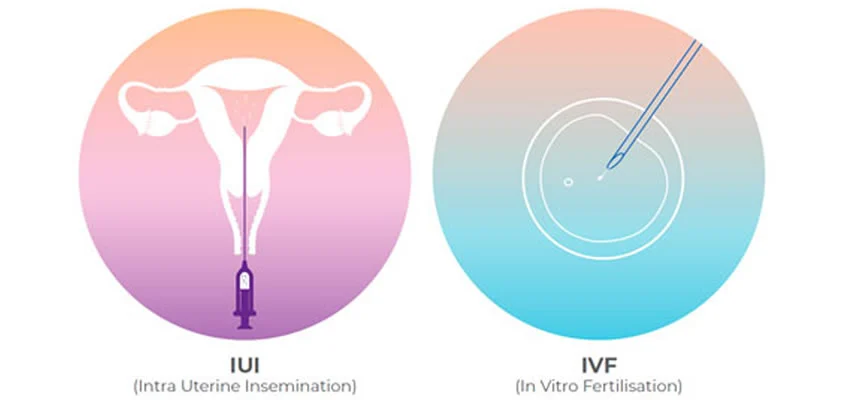
The Impact of Lifestyle Choices on Male and Female Infertility Treatments
While male infertility is often associated with lifestyle choices, the same can be said for female infertility. One of the most significant lifestyle factors that can affect female fertility is age. As women age, their fertility declines due to a decrease in the number and quality of eggs. This natural decline in fertility starts in the late 20s and significantly decreases after the age of 35. While this is a natural process, certain lifestyle choices can accelerate this decline.
One of the main lifestyle factors that can affect female fertility is smoking. Studies have shown that smoking can decrease a woman’s chance of getting pregnant by up to 60%. It can also increase the risk of miscarriage and decrease the success rates of fertility treatments. Quitting smoking can significantly improve a woman’s fertility and increase her chances of successful infertility treatments.
Similarly, excessive alcohol consumption can also affect female fertility. It can disrupt the hormonal balance in the body, leading to irregular menstrual cycles and ovulation. It can also affect the quality of eggs and increase the risk of miscarriage. Limiting alcohol intake can help improve female fertility.
Another lifestyle choice that can impact female fertility is stress. Chronic stress can disrupt the hormonal balance in the body and interfere with ovulation. It can also decrease libido, making it difficult to conceive. Finding ways to manage stress, such as through exercise, meditation, or therapy, can significantly improve female fertility.
The Impact of Diet on Fertility:
Diet is another crucial factor that can affect both male and female fertility. A healthy and balanced diet is essential for overall health and can improve fertility in both men and women. Research has shown that a diet rich in fruits, vegetables, whole grains, and lean proteins can increase fertility and improve the chances of successful infertility treatments.
On the other hand, a diet high in processed foods, trans fats, and added sugars can have a negative impact on fertility. These foods can lead to inflammation and oxidative stress in the body, which can affect reproductive hormones and decrease fertility. Switching to a healthier diet can significantly improve fertility in both men and women.
Summary:
Infertility is a widespread medical condition that can affect both men and women. While advancements in medical technology have made it possible for many couples to overcome infertility, lifestyle choices can have a significant impact on the success of these treatments. Factors such as smoking, excessive alcohol consumption, obesity, exposure to environmental toxins, and stress can all affect fertility in both men and women. Making simple lifestyle changes such as quitting smoking, limiting alcohol intake, managing stress, and maintaining a healthy diet can significantly improve fertility and increase the chances of successful infertility treatments.