Male vs Female: The Gender Gap in Infertility Treatments
Infertility is a common issue affecting many couples, with approximately 1 in 8 couples struggling to conceive. While infertility can affect both men and women, there is a significant gender gap in the treatment options available. In this blog post, we will explore the reasons behind this gender gap and the impact it has on couples trying to overcome infertility.
The Biological Differences
The first and most obvious reason for the gender gap in infertility treatments is the biological differences between men and women. In most cases, infertility is caused by issues with the reproductive system, which is different for men and women. Women have a finite number of eggs and a limited window of fertility, while men continuously produce sperm throughout their lives. This difference in biology means that women have a shorter window of opportunity for conception and may require more invasive and time-sensitive treatments.
Societal Stigma and Pressure
Another factor contributing to the gender gap in infertility treatments is the societal stigma and pressure placed on women to bear children. From a young age, girls are taught that their ultimate role in life is to become mothers. Therefore, when a woman struggles with infertility, she may feel like she is failing at her most essential purpose. This societal pressure can lead to women feeling ashamed and isolated, making it challenging to seek help and treatment.
On the other hand, there is less social pressure on men to father children, and infertility is often not seen as a personal failure for them. This societal double standard can lead to men being less likely to seek treatment for their infertility issues, further widening the gender gap in treatment options.
Diagnostic Bias
In many cases, infertility is seen as a “woman’s problem,” and as a result, men are often overlooked in the diagnostic process. This bias can lead to men not receiving proper testing and treatment, even though male infertility contributes to about 40% of all cases. This lack of attention towards male infertility can lead to delays in treatment or ineffective treatments, further widening the gender gap.
Male vs Female: The Gender Gap in Infertility Treatments
Limited Treatment Options for Men
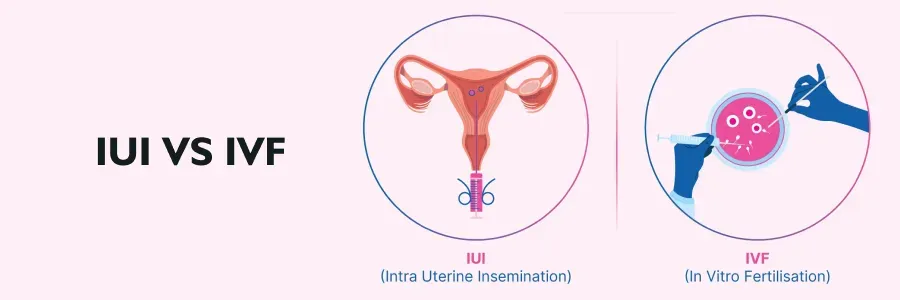
When it comes to infertility treatments, women have a wide range of options, including fertility drugs, intrauterine insemination (IUI), and in vitro fertilization (IVF). However, the treatment options for men are limited, with the most common being intrauterine insemination using donor sperm. This limited range of treatments for men can be frustrating and discouraging for couples, as it puts the burden of treatment solely on the female partner.
Financial Burden
Infertility treatments can be expensive, and the financial burden often falls on the couple seeking treatment. However, in most cases, the cost of treatment is higher for women than for men. For example, IVF, one of the most common and effective treatments for infertility, can cost upwards of $12,000 for a single cycle. This high cost can be a significant barrier for many couples, especially for those with limited financial resources, further widening the gender gap in treatment options.
Addressing the Gender Gap in Infertility Treatments
The gender gap in infertility treatments is a complex issue with no easy solutions. However, there are steps that can be taken to address this gap and provide equal treatment options for both men and women. First and foremost, there needs to be increased awareness and education about male infertility. This includes removing the stigma and shame associated with it and encouraging men to seek treatment.
Additionally, healthcare professionals need to be trained to recognize and address diagnostic bias, ensuring that both partners receive proper testing and treatment. There also needs to be more research and development into male infertility treatments, providing men with more options and increasing their chances of success.
Conclusion
Infertility is a challenging and emotional journey for any couple, and the gender gap in treatment options only adds to the stress and frustration. It is essential to recognize and address the factors contributing to this gap, and take steps towards providing equal and effective treatment options for both men and women. By breaking down societal stereotypes and biases and increasing awareness and research, we can bridge the gender gap in infertility treatments and help more couples achieve their dream of starting a family.
Summary:
Infertility is a common issue affecting many couples, but there is a significant gender gap in the treatment options available. This gap is due to biological differences, societal stigma and pressure, diagnostic bias, limited treatment options for men, and the financial burden falling mostly on women. To address this gap, there needs to be increased awareness and education about male infertility, training for healthcare professionals, and more research into male infertility treatments. By breaking down stereotypes and increasing awareness, we can bridge the gender gap in infertility treatments and help more couples achieve their dream of starting a family.