Tag: Diet and Fertility

  • Fertility Nutrition for Men: How Diet Can Affect Male Fertility

    Blog Post:

    Fertility is often thought of as a concern for women, but it is equally important for men. In fact, about one-third of infertility cases are due to male factors, such as low sperm count or poor sperm quality. While there are many potential causes for male infertility, one aspect that is often overlooked is nutrition. Yes, what a man eats can have a significant impact on his fertility. In this blog post, we will explore the importance of nutrition for male fertility and how diet can affect sperm health.

    The Link Between Diet and Male Fertility

    The old saying “You are what you eat” holds true when it comes to fertility. The food that a man consumes can directly affect his reproductive health. This is because the body requires a variety of nutrients to produce healthy sperm. These nutrients can come from a well-balanced diet or supplements, but it is essential to understand which foods are beneficial and which ones can be harmful.

    Nutrients That Boost Male Fertility

    1. Zinc

    Zinc is a critical mineral for male fertility as it is involved in the production of testosterone and sperm. It also helps in improving sperm motility, which is essential for fertilization. Foods rich in zinc include oysters, beef, pumpkin seeds, and lentils.

    2. Vitamin C

    Vitamin C is a powerful antioxidant that helps protect sperm from oxidative stress, which can damage the DNA of sperm. Studies have shown that men with higher levels of vitamin C in their diet have better sperm quality. Foods high in vitamin C include citrus fruits, bell peppers, and dark leafy greens.

    3. Omega-3 Fatty Acids

    Omega-3 fatty acids are essential for sperm production and function. They also have anti-inflammatory properties that can help improve sperm quality. Fish, such as salmon and sardines, and plant-based sources like flaxseeds and chia seeds are excellent sources of omega-3 fatty acids.

    4. Folate

    Folate, also known as vitamin B9, is crucial for sperm production and DNA synthesis. It is also essential for the development of the embryo and can help prevent birth defects. Foods rich in folate include leafy greens, legumes, and fortified grains.

    5. Selenium

    Selenium is a mineral that plays a role in sperm movement and protects sperm from oxidative damage. It can be found in foods like Brazil nuts, tuna, and eggs.

    Harmful Foods for Male Fertility

    1. Processed Foods

    Processed foods are often high in trans fats, which have been linked to decreased sperm count and quality. They can also increase inflammation in the body, which can affect sperm production. It is best to limit or avoid processed foods and opt for whole, unprocessed foods instead.

    2. Soy
    test tube with sperm in blue liquid, promoting IUI success rate and factors influencing fertility.

    Fertility Nutrition for Men: How Diet Can Affect Male Fertility

    Soy products contain phytoestrogens, which are plant compounds that mimic estrogen in the body. High levels of estrogen can disrupt the hormonal balance in men, leading to decreased sperm production and quality.

    3. Alcohol

    Excessive alcohol consumption can have a negative impact on male fertility. It can decrease testosterone levels and affect sperm production. It is recommended to limit alcohol intake to no more than one drink per day.

    4. Caffeine

    While moderate caffeine consumption is generally considered safe, excessive amounts can have adverse effects on male fertility. Studies have shown that high caffeine intake can decrease sperm count and motility.

    5. High-Mercury Fish

    Some fish, such as swordfish, shark, and king mackerel, are known to have high levels of mercury, which can be harmful to sperm. It is best to avoid these types of fish or limit their consumption.

    The Importance of a Balanced Diet

    While specific nutrients play a crucial role in male fertility, it is essential to maintain a well-balanced diet overall. A healthy diet should include a variety of fruits, vegetables, whole grains, lean protein, and healthy fats. Eating a diverse range of foods ensures that the body gets all the necessary nutrients for optimal sperm production and function.

    Supplements for Male Fertility

    In addition to a healthy diet, certain supplements can also help improve male fertility. These include:

    1. Coenzyme Q10 (CoQ10)

    CoQ10 is a potent antioxidant that can help improve sperm health and motility.

    2. L-carnitine

    L-carnitine is an amino acid that is involved in sperm metabolism and can improve sperm motility.

    3. Multivitamins

    A high-quality multivitamin can help fill any nutrient gaps in the diet and support overall reproductive health.

    In summary, male fertility is influenced by many factors, including nutrition. By incorporating a variety of nutrient-rich foods into the diet and limiting or avoiding harmful foods, men can improve their sperm quality and increase their chances of successfully conceiving with their partner. It is also essential to maintain a healthy lifestyle, including regular exercise, managing stress, and avoiding harmful habits like smoking and drug use.

    SEO metadata:
  • The Impact of Lifestyle Choices on Male and Female Infertility Treatments

    Blog Post:

    Infertility is a medical condition that affects millions of couples around the world. It is defined as the inability to conceive after one year of unprotected sexual intercourse. While infertility can affect both men and women, it is often seen as a female issue. However, research has shown that male infertility is just as prevalent, accounting for 30-40% of all infertility cases. In recent years, there has been a significant increase in the number of couples seeking infertility treatments. While advancements in medical technology have made it possible for many couples to overcome infertility, lifestyle choices can have a major impact on the success of these treatments.

    In this blog post, we will explore the impact of lifestyle choices on male and female infertility treatments. We will discuss the various lifestyle factors that can affect fertility and how making simple changes can improve the chances of successful fertility treatments.

    Male Infertility and Lifestyle Choices:

    Many people assume that infertility is solely a female issue, but the reality is that male infertility plays a significant role in a couple’s ability to conceive. In fact, research has shown that male infertility is the sole cause of infertility in about 20% of cases and a contributing factor in another 30-40% of cases.

    One of the main lifestyle factors that can affect male fertility is the use of tobacco and alcohol. Studies have shown that smoking cigarettes can decrease sperm count, motility, and quality. Similarly, excessive alcohol consumption can also have a negative impact on sperm production and quality. Quitting smoking and limiting alcohol intake can significantly improve male fertility.

    Obesity is another lifestyle factor that can contribute to male infertility. It is estimated that obesity affects about 13% of men worldwide, and it can have a significant impact on sperm production and quality. Obese men are more likely to have hormonal imbalances, which can affect sperm production and decrease fertility. Maintaining a healthy weight through proper diet and exercise can significantly improve male fertility.

    In addition to these lifestyle choices, exposure to environmental toxins, such as pesticides, heavy metals, and radiation, can also affect male fertility. These toxins can damage sperm DNA and decrease sperm quality. Avoiding exposure to these toxins can help improve male fertility.

    Female Infertility and Lifestyle Choices:

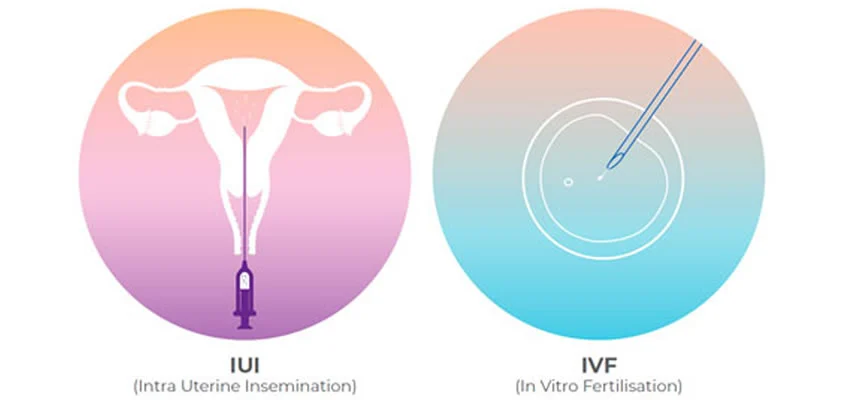
    comparison of IUI and IVF procedures illustrated with simple graphics and labels

    The Impact of Lifestyle Choices on Male and Female Infertility Treatments

    While male infertility is often associated with lifestyle choices, the same can be said for female infertility. One of the most significant lifestyle factors that can affect female fertility is age. As women age, their fertility declines due to a decrease in the number and quality of eggs. This natural decline in fertility starts in the late 20s and significantly decreases after the age of 35. While this is a natural process, certain lifestyle choices can accelerate this decline.

    One of the main lifestyle factors that can affect female fertility is smoking. Studies have shown that smoking can decrease a woman’s chance of getting pregnant by up to 60%. It can also increase the risk of miscarriage and decrease the success rates of fertility treatments. Quitting smoking can significantly improve a woman’s fertility and increase her chances of successful infertility treatments.

    Similarly, excessive alcohol consumption can also affect female fertility. It can disrupt the hormonal balance in the body, leading to irregular menstrual cycles and ovulation. It can also affect the quality of eggs and increase the risk of miscarriage. Limiting alcohol intake can help improve female fertility.

    Another lifestyle choice that can impact female fertility is stress. Chronic stress can disrupt the hormonal balance in the body and interfere with ovulation. It can also decrease libido, making it difficult to conceive. Finding ways to manage stress, such as through exercise, meditation, or therapy, can significantly improve female fertility.

    The Impact of Diet on Fertility:

    Diet is another crucial factor that can affect both male and female fertility. A healthy and balanced diet is essential for overall health and can improve fertility in both men and women. Research has shown that a diet rich in fruits, vegetables, whole grains, and lean proteins can increase fertility and improve the chances of successful infertility treatments.

    On the other hand, a diet high in processed foods, trans fats, and added sugars can have a negative impact on fertility. These foods can lead to inflammation and oxidative stress in the body, which can affect reproductive hormones and decrease fertility. Switching to a healthier diet can significantly improve fertility in both men and women.

    Summary:

    Infertility is a widespread medical condition that can affect both men and women. While advancements in medical technology have made it possible for many couples to overcome infertility, lifestyle choices can have a significant impact on the success of these treatments. Factors such as smoking, excessive alcohol consumption, obesity, exposure to environmental toxins, and stress can all affect fertility in both men and women. Making simple lifestyle changes such as quitting smoking, limiting alcohol intake, managing stress, and maintaining a healthy diet can significantly improve fertility and increase the chances of successful infertility treatments.