Blog Post:
Infertility is a complex issue that affects millions of couples around the world. While many factors can contribute to infertility, one often overlooked aspect is the impact of stress on male and female fertility. In today’s fast-paced and high-stress society, it’s important to understand how stress can affect fertility treatments for both men and women. In this blog post, we will explore the link between stress and infertility, and how it can impact the success of fertility treatments for both men and women.
Stress and Male Infertility:
Studies have shown that stress can have a significant impact on male fertility. High levels of stress can lead to a decrease in sperm quality and quantity, making it more difficult for a couple to conceive. Chronic stress can also affect hormone levels in men, leading to a decrease in testosterone production and potential erectile dysfunction. Additionally, stress can cause men to engage in unhealthy coping mechanisms such as smoking, drinking, or using drugs, which can further impact fertility.
Furthermore, men undergoing fertility treatments may experience added stress and pressure to perform, leading to feelings of inadequacy and anxiety. This can create a vicious cycle, as stress can further impact sperm quality and decrease the chances of success with treatments.
Stress and Female Infertility:
For women, stress can also play a significant role in infertility. When the body is under stress, it produces high levels of cortisol, a hormone that can disrupt the delicate balance of reproductive hormones. This can lead to irregular menstrual cycles, making it more difficult to predict ovulation and time intercourse for conception. Stress can also cause women to experience irregular or absent periods, known as hypothalamic amenorrhea, which can impact fertility.
Moreover, stress can also contribute to conditions such as polycystic ovary syndrome (PCOS) and endometriosis, which are known to affect fertility. These conditions can cause hormonal imbalances and interfere with ovulation, making it harder for a woman to conceive. Women who are undergoing fertility treatments may also experience added stress, anxiety, and pressure, which can further impact their reproductive health.
The Impact of Stress on Fertility Treatments:
The impact of stress on fertility treatments is significant for both men and women. When undergoing fertility treatments, such as in vitro fertilization (IVF) or intrauterine insemination (IUI), couples already experience heightened levels of stress and anxiety. The pressure to conceive, financial strain, and the emotional toll of the process can all contribute to high levels of stress.
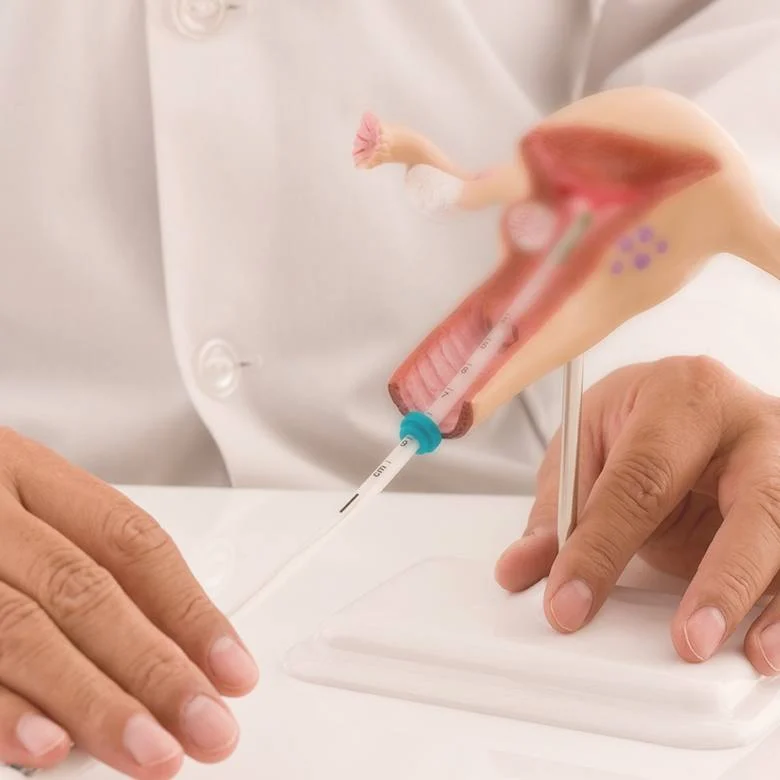
The Impact of Stress on Male and Female Infertility Treatments
Additionally, stress can also affect the body’s response to fertility medications, making it more difficult for the treatments to be successful. Studies have shown that women who are highly stressed during IVF have lower pregnancy rates compared to those with lower stress levels. Similarly, stress can also impact the quality and quantity of sperm in men, which can decrease the chances of success with fertility treatments.
Managing Stress during Fertility Treatments:
It’s essential for couples undergoing fertility treatments to find ways to manage and reduce stress levels. This can not only improve their overall well-being but also increase the chances of success with treatments. Some strategies for managing stress during fertility treatments include:
1. Seek Support: It’s crucial for couples to lean on each other for support during this challenging time. They can also seek support from friends and family or join a support group for individuals going through similar experiences.
2. Practice Relaxation Techniques: Engaging in activities such as yoga, meditation, or deep breathing can help reduce stress levels and promote relaxation.
3. Maintain a Healthy Lifestyle: Eating a balanced diet, exercising regularly, and getting enough rest can all help to manage stress levels and improve overall health.
4. Communicate with Your Healthcare Team: It’s essential to have open and honest communication with your doctor or fertility specialist. They can provide guidance and support to help manage stress during fertility treatments.
5. Consider Therapy: Seeking the help of a therapist or counselor can be beneficial in managing stress and anxiety during fertility treatments.
Summary:
Infertility is a complex issue that affects many couples, and stress can play a significant role in its cause and treatment. High levels of stress can impact male fertility by decreasing sperm quality and quantity, while also affecting hormone levels. For women, stress can lead to irregular menstrual cycles and interfere with ovulation, making it harder to conceive. Moreover, stress can also affect the body’s response to fertility treatments, decreasing their chances of success. Couples undergoing fertility treatments should prioritize stress management strategies such as seeking support, practicing relaxation techniques, and maintaining a healthy lifestyle to increase their chances of success.