Tag: debunking myths

  • Male and Female Infertility Treatments: Debunking Common Misconceptions

    Summary:

    Infertility is a condition that affects both men and women, and it can be a stressful and overwhelming experience for couples who are trying to conceive. There are many myths and misconceptions surrounding infertility and its treatments, particularly when it comes to male and female infertility. In this blog post, we will debunk some of the most common misconceptions about male and female infertility treatments.

    Myth #1: Infertility is only a female problem.

    Fact: Infertility affects both men and women equally. According to the World Health Organization, about 15% of couples worldwide experience infertility, and in about 30% of these cases, the problem is solely attributed to the male partner. In another 20-30% of cases, both partners have contributing factors to infertility. It is crucial to understand that infertility is not just a female problem and that both partners should be evaluated when trying to conceive.

    Myth #2: Infertility is always caused by a medical problem.

    Fact: While some cases of infertility are caused by underlying medical conditions, there are also many cases of unexplained infertility. This means that even after thorough testing and evaluation, the cause of infertility cannot be identified. Factors such as age, lifestyle, and environmental factors can also contribute to infertility.

    Myth #3: Infertility treatments are only for women.

    Fact: Many people believe that infertility treatments only involve procedures for women, such as in vitro fertilization (IVF). However, there are also various treatments available for men, including medication, surgery, and assisted reproductive techniques like intrauterine insemination (IUI). It is essential for both partners to undergo evaluation and determine the best treatment plan for their specific situation.
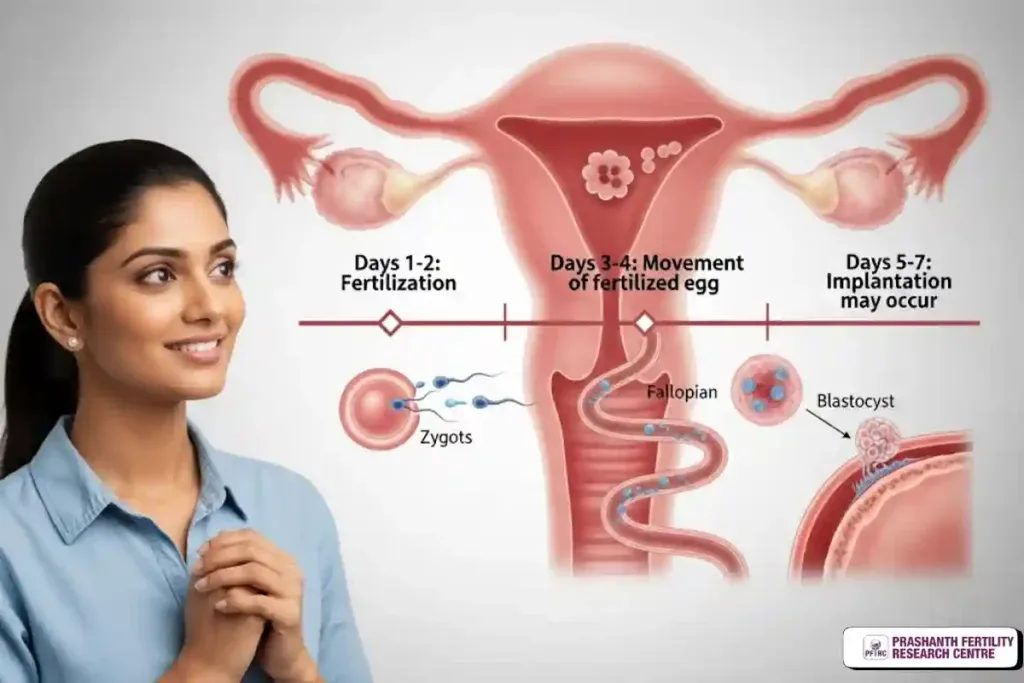
    Illustration showing fertilization and implantation timeline with a woman looking hopeful.

    Male and Female Infertility Treatments: Debunking Common Misconceptions

    Myth #4: Infertility treatments always result in multiple pregnancies.

    Fact: While some fertility treatments may increase the chances of multiple pregnancies, not all of them do. For example, in IUI, the risk of multiple pregnancies is relatively low, while IVF carries a higher risk. It is crucial to discuss the potential risks and benefits of each treatment option with your doctor before making a decision.

    Myth #5: Natural remedies and alternative treatments can cure infertility.

    Fact: While some natural remedies and alternative treatments may help improve fertility, they are not a cure for infertility. It is essential to consult with a fertility specialist and undergo proper medical evaluation before trying any alternative treatments. These remedies may also interfere with prescribed fertility treatments, so it is crucial to inform your doctor of any supplements or treatments you are using.

    Myth #6: Infertility treatments are always expensive.

    Fact: While some fertility treatments can be costly, there are also more affordable options available, such as medication and surgery. Additionally, many insurance companies now offer coverage for fertility treatments, so it is essential to check with your provider to see what is covered under your plan.

    Myth #7: If you have had a successful pregnancy before, you will not experience infertility.

    Fact: Infertility can happen to anyone, regardless of their previous pregnancy history. Age, health conditions, and other factors can affect fertility at any time. It is crucial to seek medical evaluation if you are struggling to conceive, even if you have had a successful pregnancy before.

    In conclusion, there are many misconceptions surrounding male and female infertility and its treatments. Infertility is not just a female problem, and there are various treatments available for both men and women. It is essential to seek proper medical evaluation and consult with a fertility specialist to determine the best treatment plan for your specific situation. Additionally, it is crucial to be aware of these common misconceptions and educate yourself to make informed decisions about your fertility journey.
  • Debunking Common Myths: Intrauterine Insemination vs Timed Intercourse for Fertility Treatment

    Summary:

    Intrauterine insemination (IUI) and timed intercourse are two common fertility treatments for couples struggling with conception. However, there are many myths and misconceptions surrounding these treatments that can cause confusion and anxiety for those undergoing them. In this blog post, we will debunk some of the most common myths surrounding IUI and timed intercourse, and provide accurate information about their effectiveness and safety.

    Myth 1: IUI is only for couples with severe fertility issues.
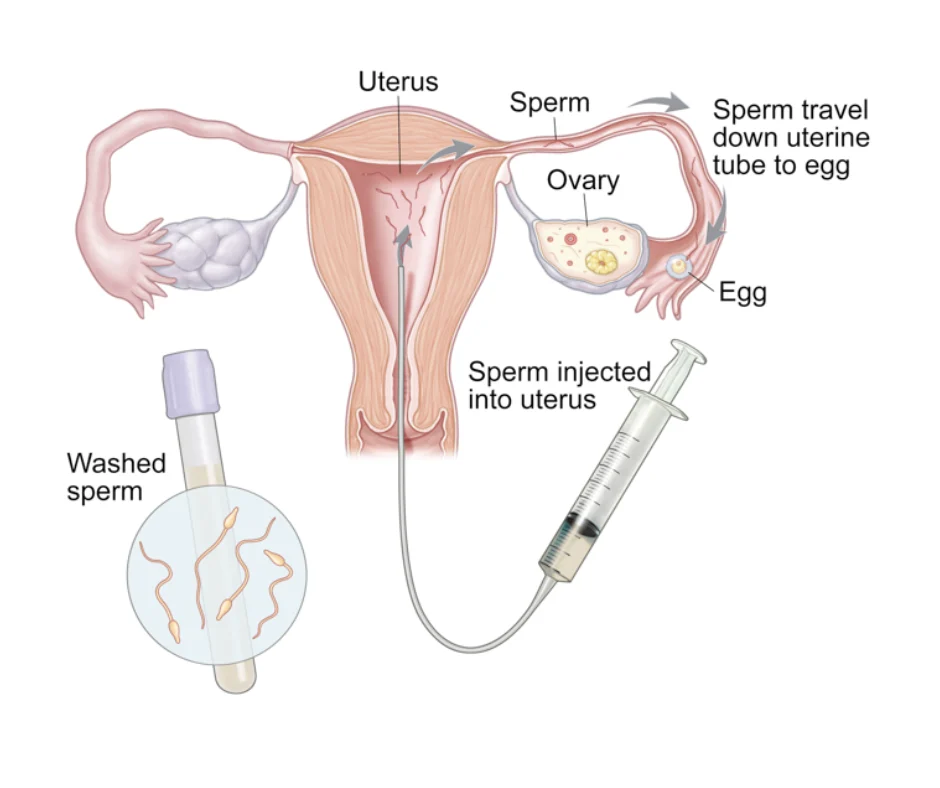
    Fact: IUI is a common and effective treatment for couples with mild to moderate fertility issues. It involves placing washed and prepared sperm directly into the woman’s uterus, increasing the chances of fertilization. It can also be used for couples with unexplained infertility.

    Myth 2: Timed intercourse is just as effective as IUI.
    Fact: While timed intercourse can be effective for some couples, it is generally less effective than IUI. In timed intercourse, couples track the woman’s ovulation cycle and have intercourse during her most fertile days. However, this method relies on the sperm reaching the egg on its own, which may not always happen. IUI, on the other hand, places the sperm directly into the uterus, increasing the chances of fertilization.

    Myth 3: IUI is painful and invasive.
    Fact: IUI is a minimally invasive procedure that is usually painless. The process involves inserting a thin catheter through the cervix, which may cause slight discomfort or cramping. However, it is a quick and straightforward procedure that does not require anesthesia.

    Myth 4: IUI increases the risk of multiple pregnancies.
    Fact: While there is a slightly higher chance of conceiving twins with IUI, the risk is still relatively low. The use of fertility drugs during IUI may slightly increase the chances of multiple pregnancies, but this can be closely monitored and controlled by a fertility specialist.

    diagram illustrating intrauterine insemination process, showing sperm injection into the uterus and egg fertilization pathway

    Debunking Common Myths: Intrauterine Insemination vs Timed Intercourse for Fertility Treatment

    Myth 5: IUI is not covered by insurance.
    Fact: Many insurance companies do cover IUI, depending on the couple’s specific plan and diagnosis. It is essential to check with your insurance provider to see if IUI is covered and what expenses may be involved.

    Myth 6: Timed intercourse is more affordable than IUI.
    Fact: In some cases, timed intercourse may be more cost-effective than IUI. However, this depends on various factors such as the couple’s fertility diagnosis, the need for fertility drugs, and the number of cycles needed. It is best to discuss the cost with a fertility specialist to determine which treatment option is more affordable for your specific situation.

    Myth 7: IUI is a one-time fix for infertility.
    Fact: While IUI can be successful in some cases, it is not a guaranteed one-time fix for infertility. The success rate for IUI varies depending on factors such as the woman’s age, the sperm quality, and any underlying fertility issues. In some cases, multiple IUI cycles may be needed to achieve pregnancy.

    Myth 8: Timed intercourse and IUI can be done at any time during the woman’s cycle.
    Fact: Both timed intercourse and IUI require careful tracking of the woman’s ovulation cycle. Timed intercourse should be done during the woman’s most fertile days, while IUI is typically done 24-36 hours after a surge in luteinizing hormone (LH) is detected, indicating that ovulation is about to occur.

    Myth 9: IUI is only for heterosexual couples.
    Fact: IUI can also be an option for same-sex couples or single individuals looking to conceive. In this case, donor sperm is used for the procedure, and the rest of the process is the same as for heterosexual couples.

    Myth 10: Fertility treatments, including IUI, always result in a baby.
    Fact: Unfortunately, not all fertility treatments result in a successful pregnancy. The success rate for IUI varies, and it is not a guarantee for every couple. It is essential to have realistic expectations and to be prepared for the possibility of multiple treatment cycles.

    In conclusion, both IUI and timed intercourse are effective fertility treatments, but they are not without their unique advantages and limitations. It is crucial to consult with a fertility specialist to determine which treatment option is best for your specific situation. Do not let these myths and misconceptions discourage you from seeking help for your fertility journey.