Category: Uncategorized

  • Exploring the Ethics of Egg Donation and Egg Freezing

    In recent years, advancements in reproductive technology have allowed for new options when it comes to fertility and family planning. Two of these options, egg donation and egg freezing, have sparked ethical debates and raised important questions about the rights and well-being of those involved. In this blog post, we will explore the ethics behind these procedures and the implications they have for individuals and society as a whole.

    Egg donation involves a woman donating her eggs to be used by another person or couple in order to achieve pregnancy. This can be for a variety of reasons, such as infertility, genetic disorders, or same-sex couples. On the other hand, egg freezing allows a woman to preserve her eggs for future use, typically for the purpose of delaying pregnancy or for medical reasons such as cancer treatment. While both procedures have the potential to greatly impact individuals and families, they also raise important ethical considerations.

    One of the main ethical concerns surrounding egg donation is the issue of informed consent. In many cases, the donors are young women who may not fully understand the risks and implications of the procedure. They may also be motivated by financial incentives, which can lead to coercion or exploitation. Additionally, the long-term effects of egg donation on a woman’s health and fertility are not fully known, raising questions about the potential harm to the donor’s well-being.

    Another ethical concern is the commodification of human eggs. In some cases, donors may be treated as mere suppliers of a product, rather than individuals with their own rights and autonomy. This can lead to a devaluation of the donors and their contributions, and raises concerns about the ethics of treating human reproductive materials as commodities.

    Egg donation also raises questions about the rights of the resulting child. In traditional conception, a child is created from the genetic material of both parents. However, with egg donation, the child may only have a genetic connection to one parent. This can raise issues of identity and the right to know one’s biological origins. It also brings up questions about the rights and responsibilities of the donor, and whether they have any legal or moral obligations towards the child.
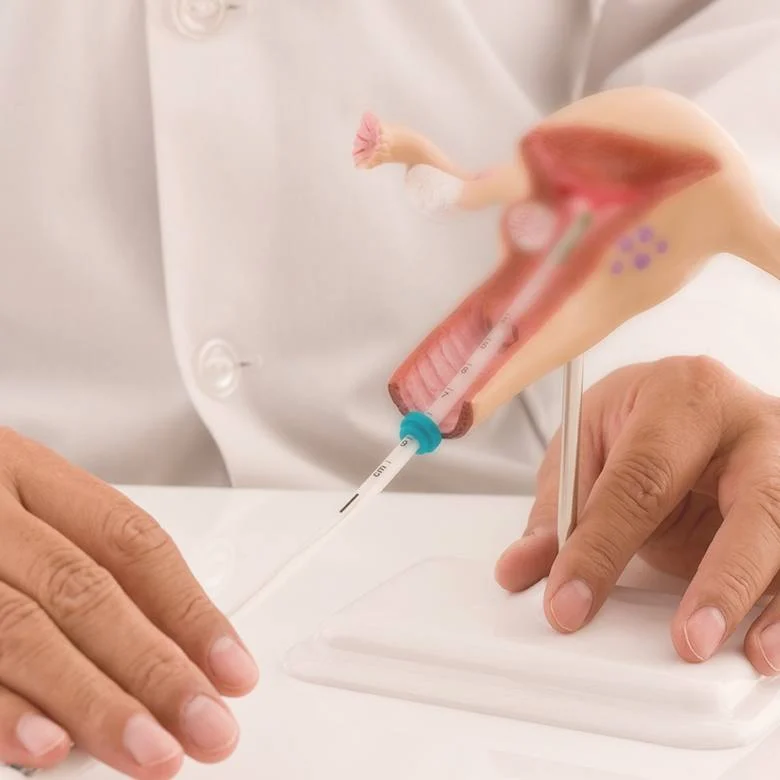
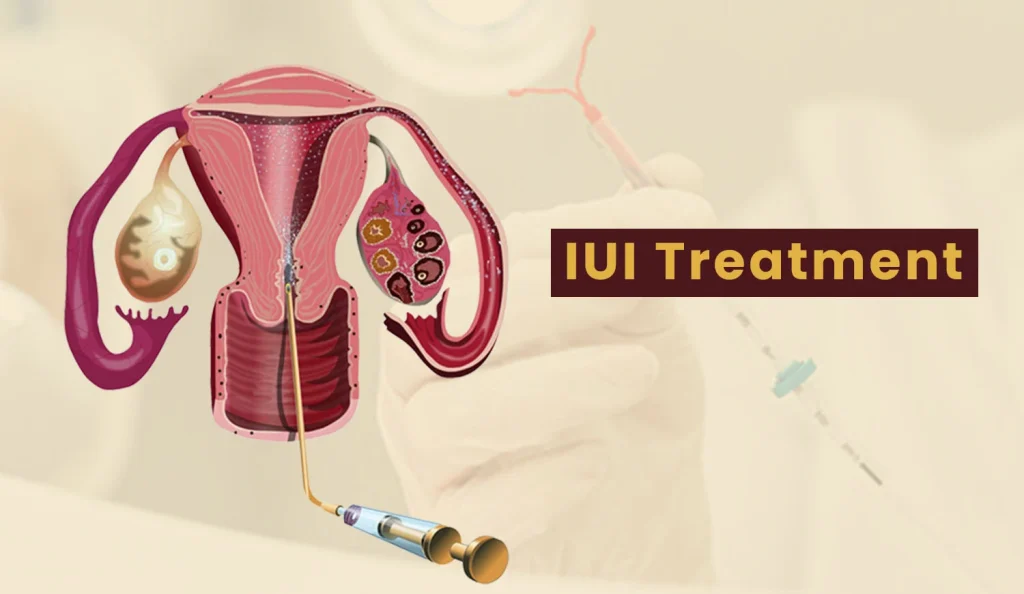
    model of the female reproductive system with a hand demonstrating intrauterine insemination technique

    Exploring the Ethics of Egg Donation and Egg Freezing

    On the other hand, egg freezing presents its own set of ethical considerations. While it can offer women more control over their reproductive choices, it also raises concerns about the pressure to delay pregnancy in order to pursue career or personal goals. This can perpetuate societal expectations for women to prioritize their careers over starting a family, and may also lead to a false sense of security as egg freezing does not guarantee future fertility.

    Additionally, there are concerns about the long-term effects of egg freezing on a woman’s health. The hormonal stimulation required for egg retrieval can have potential risks, and the long-term storage of frozen eggs may have unknown effects on their viability. There is also the issue of who has access to egg freezing, as it can be a costly procedure and may only be available to certain socioeconomic groups, creating inequalities in reproductive options.

    In light of these ethical considerations, it is important to have strict regulations and guidelines in place for both egg donation and egg freezing. This includes informed consent processes that fully inform donors of the potential risks and implications, as well as fair compensation for donors that does not exploit their vulnerability. It is also crucial to prioritize the well-being of the donors and any resulting children over financial gain or societal pressures.

    Furthermore, it is important for society to have open and ongoing discussions about the ethics of these procedures and the societal pressures that may influence individuals’ decisions. This includes addressing the commodification of human reproductive materials and the implications it has for our understanding of human dignity.

    In conclusion, the ethics of egg donation and egg freezing are complex and multifaceted. While these procedures offer new options for individuals and families, they also raise important questions about informed consent, commodification, and the rights and well-being of all parties involved. It is crucial for us to continue exploring these ethical considerations and working towards creating a more equitable and ethical approach to reproductive technology.
  • Egg Donation vs Egg Freezing: How to Prepare Yourself

    Egg Donation vs Egg Freezing: How to Prepare Yourself

    Egg donation and egg freezing are two popular fertility options for women who are looking to preserve their fertility or help others achieve their dream of having a child. While they are both viable options, they differ in their purpose and procedure. Egg donation involves retrieving a woman’s eggs and donating them to another person or couple for fertilization and pregnancy. On the other hand, egg freezing is the process of preserving a woman’s eggs for future use, either for her own fertility or for donation. In this blog post, we will discuss the differences between egg donation and egg freezing, and how to prepare yourself for either procedure.

    Egg Donation: What to Expect

    Egg donation is a selfless act that allows women to help others who are struggling with infertility. It involves retrieving eggs from a woman’s ovaries and donating them to be fertilized and implanted into another person’s uterus. This process is typically done through in vitro fertilization (IVF), where the donated eggs are combined with sperm in a lab to create embryos, which are then transferred to the recipient’s uterus for pregnancy.

    Before undergoing egg donation, there are some important steps to take to ensure that you are prepared both physically and emotionally. First, it is essential to find a reputable fertility clinic or agency that specializes in egg donation. Make sure to research their success rates, patient reviews, and any potential risks involved. It is also important to meet with a fertility specialist to discuss any potential medical risks or complications that may arise from the procedure.

    Another important aspect of egg donation is the legal aspect. It is crucial to have a clear understanding of the legal implications of egg donation, including your rights and responsibilities as a donor. This may include signing a legal contract with the recipient and discussing any potential financial compensation for your time and efforts.

    Once you have chosen a fertility clinic and have a clear understanding of the legalities involved, the next step is to undergo a series of medical tests. These tests are necessary to ensure that you are physically and mentally prepared for the egg retrieval process. They may include blood work, ultrasounds, and a psychological evaluation to assess your overall health and well-being.

    Preparing yourself for egg donation also means taking care of your body leading up to the procedure. This includes maintaining a healthy diet, getting enough sleep, and avoiding alcohol, smoking, and drugs. These lifestyle factors can affect your fertility and the quality of your eggs, so it is essential to prioritize your health during this time.

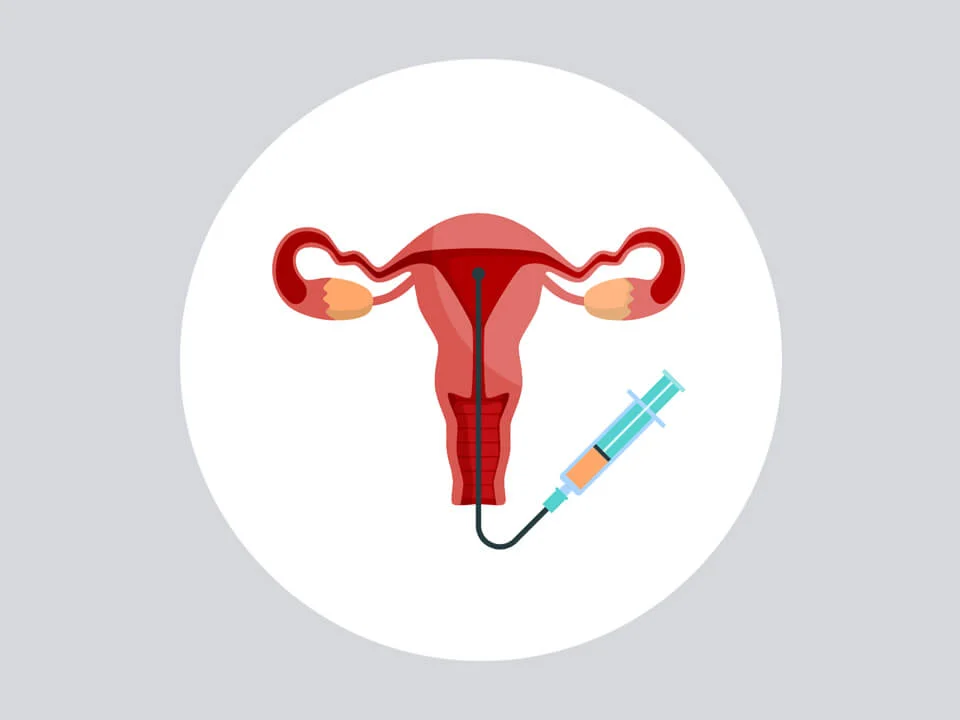
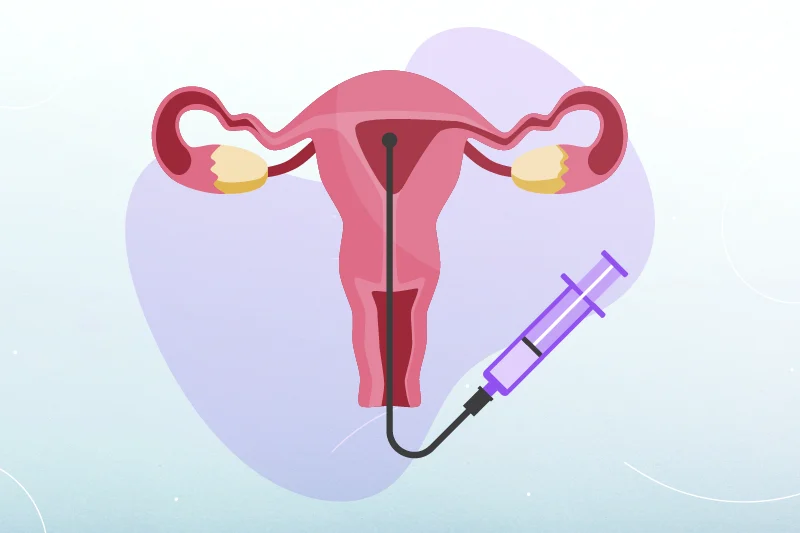
    illustration of the uterus and ovaries with a syringe, labeled "IUI Treatment" in the background

    Egg Donation vs Egg Freezing: How to Prepare Yourself

    Egg Freezing: What to Expect

    Egg freezing, also known as oocyte cryopreservation, is a procedure that allows women to preserve their fertility for future use. This may be for personal reasons, such as wanting to delay starting a family, or for medical reasons, such as undergoing cancer treatment that may affect fertility. The process involves retrieving a woman’s eggs and freezing them for later use.

    Before undergoing egg freezing, it is important to meet with a fertility specialist to discuss your options and determine if this is the right choice for you. Similar to egg donation, you will also need to undergo medical tests to ensure that you are physically and mentally prepared for the procedure.

    One of the most critical steps in preparing for egg freezing is determining the best time to freeze your eggs. This is typically done during your reproductive prime, which is in your 20s or early 30s, when your eggs are of the highest quality. However, it is also possible to freeze eggs at a later age, although the success rates may vary.

    Another important consideration is the cost of egg freezing. This is not usually covered by insurance, so it is essential to budget and plan accordingly. Some fertility clinics offer financing options, and there are also grants and other financial assistance programs available.

    Preparing yourself for egg freezing may also involve making lifestyle changes leading up to the procedure. This can include following a healthy diet, exercising regularly, and avoiding substances that can affect fertility. It is also important to mentally prepare yourself for the potential emotional challenges that may come with the process, such as feelings of sadness or disappointment if the eggs do not result in a successful pregnancy.

    Summarizing the Blog Post

    In summary, egg donation and egg freezing are two viable options for women looking to preserve their fertility or help others achieve their dream of having a child. Egg donation involves donating eggs to another person or couple for fertilization and pregnancy, while egg freezing involves preserving a woman’s eggs for future use. To prepare for either procedure, it is essential to find a reputable fertility clinic, undergo necessary medical tests, understand the legal implications, and take care of your physical and mental well-being. It is also important to consider factors such as timing, cost, and potential lifestyle changes. By being well-informed and prepared, women can make the best decision for their fertility journey.

  • Egg Donation and Egg Freezing: The Medical Side of Things

    Egg Donation and Egg Freezing: The Medical Side of Things

    Egg donation and egg freezing are two increasingly popular methods of fertility preservation for women. These procedures involve retrieving eggs from a woman’s ovaries and preserving them for future use. While they are often used for different reasons, both egg donation and egg freezing have become valuable options for women who wish to have children later in life or face fertility challenges. In this blog post, we will explore the medical side of egg donation and egg freezing, including the process, potential risks, success rates, and ethical considerations.

    The Process of Egg Donation and Egg Freezing

    Egg donation and egg freezing both involve retrieving eggs from a woman’s ovaries, but the processes differ in several ways. Let’s take a closer look at each procedure.

    Egg Donation:

    Egg donation is a process where a woman, known as the donor, voluntarily donates her eggs to another woman, known as the recipient. This procedure is typically done for women who are unable to produce healthy eggs or have a genetic condition that could be passed onto their offspring. The donor’s eggs are retrieved through a process called ovarian stimulation, where she is given hormone injections to stimulate the production of multiple eggs. Once the eggs are mature, they are retrieved through a minor surgical procedure known as an egg retrieval. The retrieved eggs are then fertilized with sperm in a laboratory, and the resulting embryos are transferred to the recipient’s uterus for implantation.

    Egg Freezing:

    Egg freezing, also known as oocyte cryopreservation, is a process where a woman’s eggs are retrieved and frozen for later use. This procedure is often chosen by women who wish to delay childbirth for personal or medical reasons, such as pursuing a career or undergoing medical treatments that could harm their fertility. Similar to egg donation, egg freezing also involves ovarian stimulation and egg retrieval. However, instead of fertilizing the eggs immediately, they are frozen and stored until the woman is ready to use them. When she is ready, the frozen eggs are thawed, fertilized, and transferred to her uterus.

    Potential Risks of Egg Donation and Egg Freezing

    As with any medical procedure, there are potential risks involved in both egg donation and egg freezing. These risks may include:

    1. Ovarian Hyperstimulation Syndrome (OHSS):

    doctor discussing treatment with a patient in a medical office, featuring an ultrasound machine in the background

    Egg Donation and Egg Freezing: The Medical Side of Things

    OHSS is a condition that can occur as a result of the hormonal medications used in egg donation and egg freezing. It causes the ovaries to become swollen and painful, and in severe cases, can lead to fluid buildup in the abdomen and chest, which can be life-threatening.

    2. Infection:

    The egg retrieval process involves inserting a needle through the vaginal wall to reach the ovaries. This increases the risk of infection, although it is rare.

    3. Multiple Pregnancies:

    In some cases, more than one embryo may be transferred to the recipient’s uterus, increasing the risk of multiple pregnancies, which can be high-risk and lead to complications for both the mother and babies.

    Success Rates of Egg Donation and Egg Freezing

    The success rates of egg donation and egg freezing can vary depending on various factors, such as the age and health of the woman, the quality of the eggs, and the expertise of the fertility clinic. Generally, egg donation has a higher success rate than egg freezing, as the eggs have already been fertilized and the resulting embryos can be screened for genetic abnormalities before transfer. According to the American Society for Reproductive Medicine, the success rate for egg donation is around 50%, while the success rate for egg freezing is around 30%.

    Ethical Considerations of Egg Donation and Egg Freezing

    The use of egg donation and egg freezing has raised ethical concerns, particularly regarding the compensation of egg donors and the potential risks for both the donor and the recipient. Some argue that the financial compensation offered to egg donors can be coercive and may exploit women from lower socioeconomic backgrounds. There are also concerns about the long-term effects of the hormone medications used in these procedures on the donor’s health. On the other hand, proponents of egg donation and egg freezing argue that they provide women with more reproductive options and empower them to make decisions about their own fertility.

    In conclusion, egg donation and egg freezing are two medical procedures that have revolutionized fertility preservation for women. While they offer hope to those facing fertility challenges or wishing to delay childbirth, they also come with potential risks and ethical considerations. It is important for women to carefully consider all aspects and consult with their healthcare providers before embarking on either of these procedures.

    In summary, egg donation and egg freezing are two methods of fertility preservation that involve retrieving eggs from a woman’s ovaries. Egg donation is when a woman donates her eggs to another woman, while egg freezing is when a woman’s eggs are frozen for her own use in the future. Both procedures involve ovarian stimulation and egg retrieval but differ in the use of the eggs. Potential risks include OHSS, infection, and multiple pregnancies, while success rates can vary depending on various factors. Ethical considerations surround the use of egg donation and egg freezing, but they also offer women more reproductive options. Ultimately, careful consideration and consultation with healthcare providers are crucial when considering these procedures.

  • The Financial Aspects of Egg Donation and Egg Freezing

    Blog Post: The Financial Aspects of Egg Donation and Egg Freezing

    Egg donation and egg freezing are two options available for women who are looking to preserve their fertility or help others become parents. Both processes involve medical procedures and can have significant financial implications. In this blog post, we will explore the financial aspects of egg donation and egg freezing, including the costs involved, insurance coverage, and potential financial benefits.

    Costs of Egg Donation and Egg Freezing

    The cost of egg donation and egg freezing can vary greatly depending on several factors such as location, clinic, and individual circumstances. In general, egg donation is more expensive than egg freezing as it involves a more extensive and invasive process.

    Egg Donation Cost

    The cost of egg donation can range from $5,000 to $15,000 per cycle, and multiple cycles may be needed to achieve a successful pregnancy. This cost includes the compensation for the egg donor, medical and screening expenses, and legal fees. The egg donor’s compensation can range from $5,000 to $10,000 and is usually higher for donors with desirable characteristics such as a high education level or specific ethnicity. Additional costs may include travel expenses and medication.

    Egg Freezing Cost

    Egg freezing, also known as oocyte cryopreservation, can cost between $5,000 to $10,000 per cycle. The cost includes the retrieval of eggs and the storage of the frozen eggs for future use. Additional costs may include medication, blood work, and ultrasounds. Some clinics offer package deals for multiple cycles, which can help reduce the overall cost.

    Insurance Coverage for Egg Donation and Egg Freezing

    Most insurance companies do not cover the cost of egg donation or egg freezing, considering it an elective procedure. However, some insurance plans may cover the cost of fertility preservation for medical reasons, such as cancer treatment. It is essential to check with your insurance provider to determine if you have any coverage for these procedures.

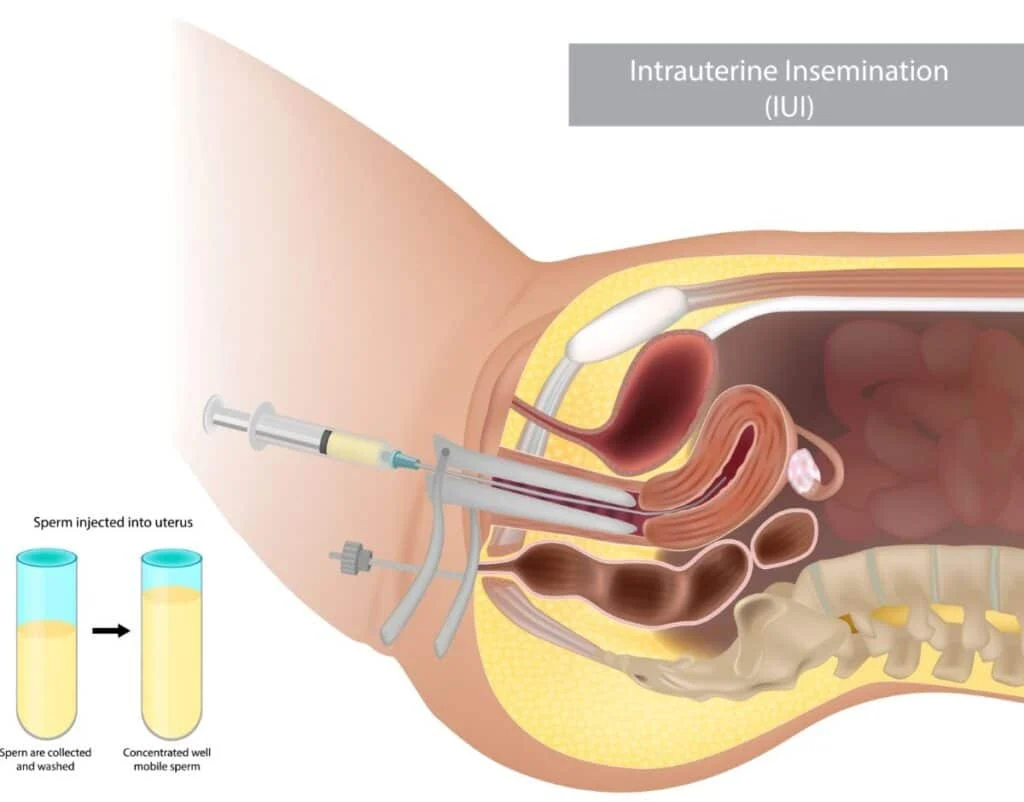
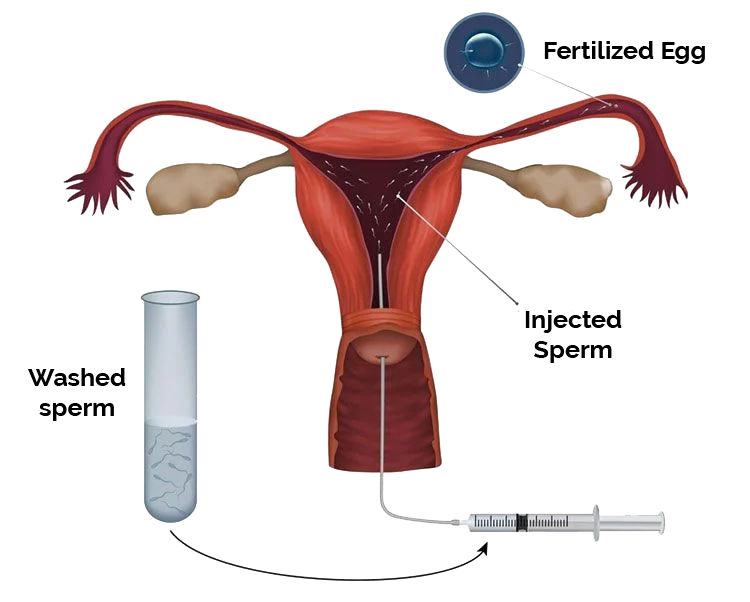
    Diagram illustrating intrauterine insemination (IUI) procedure with sperm injection into the uterus.

    The Financial Aspects of Egg Donation and Egg Freezing

    Potential Financial Benefits

    For women considering egg donation, the financial benefits can be significant. Egg donors can receive compensation for their time and any associated expenses. This compensation can help cover the costs of education, travel, or debt repayment. Furthermore, some clinics offer additional incentives such as free egg freezing for donors who complete a certain number of cycles.

    For women considering egg freezing, the financial benefits may come in the form of peace of mind. By preserving their fertility through egg freezing, women can delay starting a family and focus on their careers or other aspects of their lives. This option can also be beneficial for women who are not ready to have children but want to ensure they have the option in the future.

    Tax Implications

    The compensation received for egg donation is considered taxable income. The egg donor will receive a 1099 form from the clinic and is responsible for reporting this income on their tax return. The cost of egg freezing, on the other hand, is not tax-deductible, as it is considered an elective procedure.

    Legal Considerations

    It is essential to consider the legal implications of egg donation and egg freezing. Contracts are typically drawn up between donors and intended parents to outline the rights and responsibilities of all parties involved. It is crucial to work with an experienced attorney to ensure that all legal aspects are covered and both parties are protected.

    In conclusion, the financial aspects of egg donation and egg freezing can be significant. It is essential to carefully consider the costs involved, insurance coverage, and potential financial benefits before making a decision. Consulting with a financial advisor can also help individuals navigate the financial implications of these procedures. Ultimately, the decision to donate eggs or freeze them for future use is a personal one and should be made after careful consideration of all factors.

    Summary:

    Egg donation and egg freezing are two options available for preserving fertility or helping others become parents. The cost of egg donation can range from $5,000 to $15,000 per cycle, while egg freezing can cost between $5,000 to $10,000 per cycle. Insurance coverage for these procedures is limited, and the financial benefits may come in the form of compensation for egg donors or peace of mind for women considering egg freezing. It is essential to consider tax implications and legal considerations before making a decision.

  • Egg Donation vs Egg Freezing: A Personal Choice

    Egg Donation vs Egg Freezing: A Personal Choice

    Egg donation and egg freezing are two options available to women who want to preserve their fertility. While both processes involve eggs, they serve different purposes and have their own unique considerations. Deciding between egg donation and egg freezing can be a complex and personal decision for women. In this blog post, we will explore the differences between egg donation and egg freezing, and discuss how to make the best choice for your personal situation.

    Egg Donation: What Is It and Why Do Women Choose It?

    Egg donation is the process of retrieving eggs from a donor and fertilizing them with sperm in a laboratory. The resulting embryos are then transferred to the intended parent or a gestational carrier for pregnancy and childbirth. This process is often used by women who are unable to conceive with their own eggs due to various reasons such as age, genetic disorders, or medical conditions.

    One of the main benefits of egg donation is the ability to have a biological child when a woman’s own eggs are not viable. This can be a deeply emotional and fulfilling experience for women who have always dreamed of having a child but were unable to do so without the help of a donor. Additionally, egg donation allows for genetic testing of the embryos, which can help reduce the risk of passing on certain genetic disorders to the child.

    Another reason women may choose egg donation is to avoid passing on genetic disorders that run in their family. By using donated eggs, they can have a child without worrying about the potential health implications of their own genetic makeup.

    Egg Freezing: What Is It and Why Do Women Choose It?

    Egg freezing, also known as oocyte cryopreservation, is the process of retrieving a woman’s eggs and freezing them for future use. This method is typically used by women who want to preserve their fertility for various reasons, such as delaying childbearing due to career or personal reasons, or medical treatments that may affect their fertility.

    One of the biggest benefits of egg freezing is that it allows women to have control over their reproductive timeline. By freezing their eggs at a younger age, women can increase their chances of having a healthy pregnancy later in life. This can be especially important for women who may face fertility challenges due to age or medical reasons.

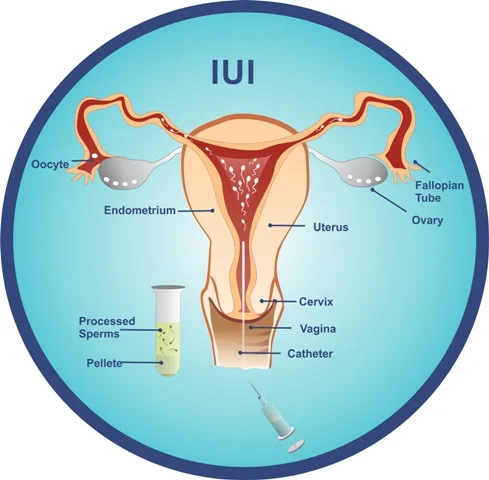
    diagram illustrating intrauterine insemination (IUI) with labeled reproductive anatomy and procedures

    Egg Donation vs Egg Freezing: A Personal Choice

    Egg freezing also gives women the option to have a biological child when they are ready, without feeling pressured by societal expectations or biological clock. This can be a huge relief for women who want to focus on their careers or personal goals before starting a family.

    Considerations for Egg Donation and Egg Freezing

    Both egg donation and egg freezing have their own unique considerations that women should keep in mind when making a decision. For egg donation, it is important to carefully consider the legal and emotional implications of using a donor’s eggs. Women should also be prepared for potential challenges, such as finding a suitable donor and navigating the process of egg retrieval and embryo transfer.

    On the other hand, egg freezing also has its own set of considerations. The process of egg retrieval can be physically and emotionally taxing, and there is no guarantee that the frozen eggs will result in a successful pregnancy in the future. Women should also be aware of the financial costs and potential risks associated with egg freezing.

    Making the Choice: Factors to Consider

    When deciding between egg donation and egg freezing, there are several factors to consider. Firstly, women should assess their own fertility and the likelihood of success with each option based on their age, medical history, and any fertility issues they may have. They should also consider their personal goals and desires for having a child, as well as their financial and emotional readiness for either process.

    It is also important to consult with a fertility specialist to discuss the potential risks and success rates of each option. They can provide personalized advice and guidance based on a woman’s individual circumstances.

    In the end, the choice between egg donation and egg freezing is a deeply personal one that should be made after careful consideration and consultation with medical professionals. Both options have the potential to help women achieve their dreams of having a child, and the decision ultimately depends on what feels right for each individual.

    Summary:

    Egg donation and egg freezing are two options available to women who want to preserve their fertility. Egg donation involves using a donor’s eggs for pregnancy, while egg freezing allows women to freeze their own eggs for future use. Factors to consider when deciding between the two include fertility, personal goals, and financial and emotional readiness. Consulting with a fertility specialist is important for personalized advice and guidance. In the end, the choice between egg donation and egg freezing is a personal one that should be made after careful consideration.

  • From Donor to Mother: The Impact of Egg Donation and Egg Freezing

    Blog Post Summary:

    Egg donation and egg freezing have become increasingly popular options for women who are unable to conceive on their own. These processes involve a woman’s eggs being retrieved and either donated to another woman or frozen for future use. While these methods have provided hope and opportunities for many women, they are not without their challenges and implications. In this blog post, we will explore the impact of egg donation and egg freezing, from the perspectives of both donors and recipients. We will also touch on the ethical considerations and potential risks involved in these processes. By the end of this post, readers will have a better understanding of the complex and emotional journey that is involved in going from a donor to a mother.

    The process of egg donation involves a woman, known as the donor, undergoing hormonal treatment to stimulate her ovaries to produce multiple eggs. These eggs are then retrieved and fertilized with sperm in a laboratory, and the resulting embryos are transferred to the recipient. This method allows women who are unable to produce eggs or have poor egg quality to become pregnant and give birth. For many recipients, egg donation is their only chance of having a biological child, making it a life-changing and emotional experience.

    On the other hand, egg freezing involves a woman undergoing similar hormonal treatment to stimulate her ovaries, but instead of the eggs being immediately fertilized, they are frozen for future use. This option is often chosen by women who want to delay motherhood for personal or professional reasons, or by those who have medical conditions that may affect their fertility. Egg freezing provides women with a sense of control over their reproductive choices, but it also comes with its own set of challenges and uncertainties.

    One of the most significant impacts of egg donation and egg freezing is on the donors themselves. These women make a selfless and altruistic decision to help others fulfill their dream of having a child, but it is not a decision that comes without sacrifices. The physical and emotional toll of the hormonal treatments, as well as the retrieval procedure, can be challenging for donors. They may also face societal stigma and judgment for their decision to donate their eggs.

    Illustration of a uterus with a syringe, representing intrauterine insemination (IUI) procedure.

    From Donor to Mother: The Impact of Egg Donation and Egg Freezing

    Furthermore, egg donation can also have long-term implications for donors. As the process involves a significant amount of hormonal manipulation, there is a risk of ovarian hyperstimulation syndrome (OHSS), a potentially dangerous condition that can lead to kidney failure or blood clots. While the risk is low, it is still a possibility that donors need to be aware of. Additionally, donors may also face ethical concerns about the use of their genetic material and the potential relationship with any resulting offspring.

    For recipients, the impact of egg donation is profound. For many, it is the realization of their dream of becoming a mother. However, it can also be a challenging and emotional journey. The process of choosing an egg donor, going through the fertility treatments, and the fear of potential pregnancy complications can be overwhelming. Recipients may also struggle with feelings of jealousy or insecurity towards the donor, who is giving them the gift of motherhood.

    Similarly, egg freezing can also have a significant impact on women who choose this option. While it provides a sense of control over their reproductive choices, it also comes with the pressure of making the right decision about when to use the frozen eggs. Women may also face societal pressure and judgment for choosing to prioritize their careers or personal lives over motherhood.

    Aside from the personal impacts, there are also wider societal implications of egg donation and egg freezing. These processes have sparked debates about the commodification of human eggs and the use of reproductive technologies. There are concerns about the potential exploitation of donors, especially in cases where they are compensated for their eggs. Additionally, the use of egg donation has also raised questions about the definition of motherhood and the role of genetics in the parent-child relationship.

    In conclusion, egg donation and egg freezing have had a significant impact on the lives of many women. From the donors who selflessly give their eggs to the recipients who fulfill their dream of motherhood, these processes have brought hope and opportunities. However, they are not without their challenges and implications, both on a personal and societal level. It is essential for individuals considering egg donation or egg freezing to be fully informed about the process and its potential impacts before making their decision.

  • The Emotional Journey of Egg Donation and Egg Freezing

    The Emotional Journey of Egg Donation and Egg Freezing: Understanding the Impact of Fertility Treatments on Women’s Lives

    Egg donation and egg freezing are two fertility treatments that have become increasingly popular in recent years. These procedures offer women the opportunity to preserve their fertility and have a child at a later stage in life. However, behind the medical procedures and scientific advancements, there is an emotional journey that every woman who embarks on these treatments goes through. From the decision to undergo the procedures to the physical and emotional toll it takes, egg donation and egg freezing can have a profound impact on a woman’s life. In this blog post, we will explore the emotional journey of egg donation and egg freezing and shed light on the emotional aspects of these fertility treatments.

    The Decision to Undergo Egg Donation or Egg Freezing

    The decision to undergo egg donation or egg freezing is not one that is taken lightly. It is a significant choice that requires careful consideration and thought. For many women, the decision to undergo these procedures is not an easy one. It may be due to a medical condition that affects their fertility or because they are not ready to have a child at the present time. Whatever the reason, the decision to undergo egg donation or egg freezing can evoke a range of emotions such as fear, anxiety, and uncertainty.

    One of the main emotional challenges that women face when considering these treatments is the uncertainty of the outcome. While egg donation and egg freezing have high success rates, there is no guarantee that the procedures will result in a successful pregnancy. This uncertainty can create a sense of fear and anxiety for women as they embark on this journey.

    The Process of Egg Donation and Egg Freezing

    The process of egg donation and egg freezing can be physically and emotionally demanding. It involves multiple medical appointments, hormone injections, and invasive procedures. These treatments can also have side effects such as mood swings, bloating, and fatigue, which can take a toll on a woman’s emotional well-being.

    For women undergoing egg donation, there is also the added emotional weight of knowing that they are giving their eggs to help someone else have a child. This can bring up feelings of altruism and pride, but also feelings of loss and grief for the potential biological connection they will have with the child.

    On the other hand, women who opt for egg freezing may experience a sense of relief and control over their fertility. They may feel empowered by the choice to preserve their eggs and have the option to have a child when they are ready. However, this can also come with the stress of making sure the eggs are stored properly and the financial burden of paying for the procedure and storage.

    Dealing with the Emotional Impact

    Comparison of IUI and IVF treatments with diagrams of reproductive anatomy.

    The Emotional Journey of Egg Donation and Egg Freezing

    The emotional impact of egg donation and egg freezing can be significant and should not be ignored. Women may experience a range of emotions throughout the process, including sadness, anger, and guilt. It is essential for women to have a support system in place, whether it be a partner, family member, or a therapist, to help them navigate these emotions.

    It is also crucial for women to take care of their physical and emotional well-being during and after the procedures. This can include practicing self-care activities such as exercise, meditation, and talking to a therapist. It is also essential for women to have open and honest communication with their doctors and fertility specialists to ensure they are receiving the necessary support and care throughout the process.

    The Impact on Relationships

    Egg donation and egg freezing can also have a significant impact on a woman’s relationships. These treatments can bring couples closer together as they navigate the emotional journey together. However, it can also create tension and strain in relationships, especially if one partner is not fully on board with the decision to undergo these procedures.

    For single women, egg donation and egg freezing can also bring up feelings of loneliness and isolation. They may feel pressure from society to have a child or feel like they are missing out on the traditional path of marriage and motherhood. It is essential for women to have a strong support system and to communicate openly with their loved ones about their decision to undergo these treatments.

    The Emotional Aftermath

    Once the procedures are complete, women may experience a range of emotions, regardless of the outcome. For those who are successful in achieving a pregnancy through egg donation, there may be feelings of joy and happiness, but also a sense of loss and grief for the child they did not carry and give birth to.

    For women who opt for egg freezing and do not end up using their preserved eggs, there may be a sense of disappointment and regret. It is essential for women to process these emotions and seek support if needed. It is also important to remember that the decision to undergo these procedures was made with careful consideration and that there are no right or wrong emotions to feel.

    In conclusion, the emotional journey of egg donation and egg freezing is a complex and personal one. It involves a range of emotions and challenges that can have a profound impact on a woman’s life. It is crucial for women to have a strong support system, to take care of their physical and emotional well-being, and to communicate openly with their loved ones throughout the process. Egg donation and egg freezing offer women the option to preserve their fertility and have a child at a later stage in life, but it is essential to understand and acknowledge the emotional toll it can take.

    Summary:
    Egg donation and egg freezing are two popular fertility treatments that offer women the option to preserve their fertility and have a child at a later stage in life. However, behind the medical procedures and scientific advancements, there is an emotional journey that every woman who embarks on these treatments goes through. The decision to undergo these procedures can evoke fear, anxiety, and uncertainty, and the process itself can be physically and emotionally demanding. It is essential for women to have a support system in place, take care of their well-being, and communicate openly with their loved ones. These treatments can also have an impact on relationships and may result in a range of emotions, regardless of the outcome. It is important for women to seek support and process their emotions after the procedures are complete. Understanding the emotional journey of egg donation and egg freezing is crucial for women considering these treatments.

  • Egg Donation and Egg Freezing: What You Need to Know

    Blog Post Title: Egg Donation and Egg Freezing: What You Need to Know

    Egg donation and egg freezing are two options available for individuals who are unable to conceive naturally or who wish to preserve their fertility for the future. Both processes involve the retrieval and preservation of a woman’s eggs, but they have different purposes and considerations. In this blog post, we will discuss everything you need to know about egg donation and egg freezing, including the procedures, benefits, risks, and important considerations.

    Egg Donation: What is it?

    Egg donation is the process of retrieving eggs from a woman’s ovaries and donating them to another individual or couple for the purpose of assisted reproduction. This process is often used by individuals or couples who are unable to conceive with their own eggs, either due to advanced maternal age, genetic disorders, or other fertility issues.

    The egg donation process typically involves several steps, including screening and testing of the donor, synchronization of the menstrual cycles of the donor and the recipient, and the retrieval of eggs from the donor through a minor surgical procedure. The retrieved eggs are then fertilized with the sperm of the recipient’s partner or a donor, and the resulting embryos are transferred to the recipient’s uterus.

    Benefits of Egg Donation

    Egg donation offers a range of benefits for both the donor and the recipient. For the donor, it provides the opportunity to help someone else achieve their dream of having a child, while also receiving compensation for their time and effort. It can also be a way for women to preserve their fertility by freezing their eggs before undergoing medical treatments that may affect their fertility.

    For the recipient, egg donation offers the chance to have a biological child if they are unable to conceive with their own eggs. It also allows individuals or couples to choose a donor who matches their desired physical, medical, or personal characteristics.

    Risks of Egg Donation

    While egg donation is generally considered a safe procedure, there are some potential risks and side effects that both the donor and the recipient should be aware of. For the donor, the most significant risk is the potential for complications from the egg retrieval procedure, such as bleeding, infection, or damage to the ovaries. There is also a small risk of ovarian hyperstimulation syndrome (OHSS), a condition that can cause abdominal pain, bloating, and other symptoms.

    For the recipient, the risks are similar to those associated with in vitro fertilization (IVF) procedures, such as multiple pregnancies, ectopic pregnancy, and ovarian hyperstimulation syndrome. Additionally, there is a small risk of genetic or medical conditions being passed on from the donor to the child.

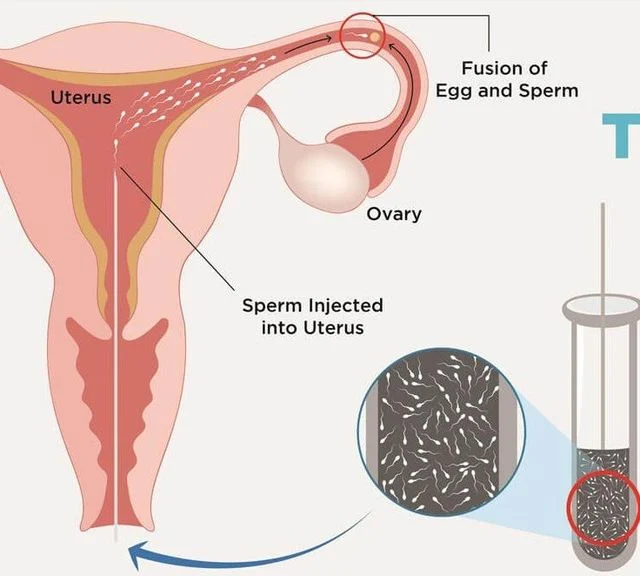
    Diagram illustrating the IUI process, showing sperm injection into the uterus and egg fertilization.

    Egg Donation and Egg Freezing: What You Need to Know

    Egg Freezing: What is it?

    Egg freezing, also known as oocyte cryopreservation, is the process of retrieving and freezing a woman’s eggs for later use. This option is often chosen by women who wish to delay motherhood due to career or personal reasons, or who are facing medical treatments that may affect their fertility.

    The egg freezing process involves several steps, including ovarian stimulation to produce multiple eggs, egg retrieval, and freezing of the eggs using a process called vitrification. The frozen eggs can then be stored for several years and thawed when the woman is ready to use them for pregnancy.

    Benefits of Egg Freezing

    One of the main benefits of egg freezing is that it allows women to preserve their fertility for the future. It can provide peace of mind for individuals who are not yet ready to have children but are concerned about their biological clock. It can also be a way for women to preserve their fertility before undergoing medical treatments that may affect their egg quality or quantity.

    Risks of Egg Freezing

    Like any medical procedure, egg freezing carries some potential risks and side effects. The most significant risk is the possibility of complications during the egg retrieval procedure, such as bleeding, infection, or damage to the ovaries. There is also a small risk of ovarian hyperstimulation syndrome (OHSS) and the potential for genetic or medical conditions being passed on to future children.

    Important Considerations for Egg Donation and Egg Freezing

    Whether you are considering egg donation or egg freezing, there are some important considerations that you should keep in mind. These include the cost of the procedures, which can vary significantly depending on the location and clinic, as well as the emotional and psychological effects that these processes may have on the donor and the recipient.

    It is also essential to carefully select a reputable and experienced clinic for either egg donation or egg freezing. This will ensure that the procedures are carried out safely and effectively, and that all necessary legal and ethical considerations are taken into account.

    In summary, egg donation and egg freezing are two options available for individuals who are unable to conceive naturally or who wish to preserve their fertility for the future. Both processes have their own procedures, benefits, and risks, and it is crucial to carefully consider all factors before making a decision. By understanding the process and important considerations, individuals can make informed choices about their reproductive options.

  • Egg Donation vs Egg Freezing: Understanding the Process

    Egg Donation vs Egg Freezing: Understanding the Process

    Egg donation and egg freezing are two options available for women who are looking to preserve their fertility or help others have a child. While both processes involve the use of eggs, they have different purposes and processes. In this blog post, we will dive into the details of egg donation and egg freezing, including the reasons for each, the procedures involved, and the potential risks and benefits.

    Egg Donation

    Egg donation is a process where a woman donates her eggs to another woman who is unable to produce viable eggs on her own. This is often used by couples or individuals who are struggling with infertility or same-sex couples who want to have a child. The donated eggs are fertilized with sperm from the intended father or a sperm donor and then transferred to the intended mother’s uterus for pregnancy.

    Reasons for Egg Donation

    There are various reasons why a woman may choose to donate her eggs. The most common reason is to help others have a child. This can be a heartwarming and selfless act for those who are unable to conceive on their own. Another reason could be financial compensation, as egg donors are typically compensated for their time and effort. Additionally, some women may choose to donate their eggs for research purposes.

    Egg Donation Process

    The egg donation process involves several steps, starting with a thorough screening process to ensure the donor’s physical and mental health. This includes a medical history review, blood tests, and a physical exam. Once the donor is approved, she will undergo ovarian stimulation through hormone injections to produce multiple eggs. The eggs are then retrieved through a minor surgical procedure, usually under sedation. The eggs are then fertilized with the intended father’s sperm or a donor’s sperm and transferred to the intended mother’s uterus for pregnancy.

    Potential Risks and Benefits of Egg Donation

    As with any medical procedure, there are risks involved with egg donation. The most common side effects of ovarian stimulation include bloating, cramping, and mood swings. In rare cases, there may be more serious complications such as ovarian hyperstimulation syndrome (OHSS) or infection. It is crucial for donors to be fully informed of these potential risks before proceeding with the process.

    diagram of the female reproductive system with an IUI syringe and test tube for artificial insemination

    Egg Donation vs Egg Freezing: Understanding the Process

    On the other hand, there are also potential benefits of egg donation. The most obvious one is the joy of helping others have a child. Additionally, egg donors are typically compensated for their time and effort, which can be a significant financial benefit for some women. The screening process also includes a thorough examination of the donor’s reproductive health, which can be beneficial for her in the long run.

    Egg Freezing

    Egg freezing, also known as oocyte cryopreservation, is a process where a woman’s eggs are extracted, frozen, and stored for future use. This allows women to preserve their fertility by freezing their eggs while they are still young and healthy, giving them the option to have a child later in life. This procedure has become increasingly popular in recent years as more women are delaying motherhood for various reasons.

    Reasons for Egg Freezing

    The primary reason for egg freezing is to preserve a woman’s fertility. This is often done for medical reasons, such as cancer treatment, that can affect a woman’s ability to have a child. However, many women also choose to freeze their eggs for personal reasons, such as focusing on their career or not finding the right partner at the right time. Egg freezing can also be an option for women who are not ready to have a child but want to ensure the quality of their eggs for the future.

    Egg Freezing Process

    The egg freezing process is similar to the first steps of the egg donation process. The woman undergoes hormonal stimulation to produce multiple eggs, which are then retrieved through a minor surgical procedure. The eggs are then frozen using a process called vitrification, which involves rapidly cooling the eggs to prevent ice crystals from forming and damaging the eggs. The frozen eggs can then be stored for many years and used when the woman is ready to have a child.

    Potential Risks and Benefits of Egg Freezing

    The risks associated with egg freezing are similar to those of egg donation, including the side effects of hormonal stimulation and the rare possibility of more serious complications. However, since the eggs are not being donated to another person, there is no risk of OHSS or infection.

    The most significant benefit of egg freezing is the ability to preserve a woman’s fertility. This can provide peace of mind for those who are facing medical treatments that may affect their fertility or for those who want to delay motherhood for personal reasons. Egg freezing also allows women to have more control over their reproductive choices and can lessen the pressure of finding a partner and starting a family at a certain age.

    In conclusion, both egg donation and egg freezing are viable options for women who want to preserve their fertility or help others have a child. While they have their differences, they both involve a thorough screening process, hormonal stimulation, and a minor surgical procedure. It is essential for women to understand the reasons, procedures, and potential risks and benefits of each option before making a decision.

  • Breaking the Stigma: Egg Donation and Egg Freezing as Fertility Options

    Breaking the Stigma: Egg Donation and Egg Freezing as Fertility Options

    In today’s society, there is still a stigma surrounding fertility options such as egg donation and egg freezing. Many people view these methods as taboo or unnatural, and therefore, they are not openly discussed. However, breaking this stigma is crucial for those struggling with infertility or seeking to preserve their fertility for the future. In this blog post, we will explore the myths and misconceptions surrounding egg donation and egg freezing, and shed light on the importance and benefits of these fertility options.

    Myth #1: Egg Donation and Egg Freezing are Unnatural

    One of the most common misconceptions about egg donation and egg freezing is that they are unnatural processes. Some people believe that it goes against the natural order of things and that women should conceive and carry their own biological child. However, the reality is that many women are unable to conceive or carry a pregnancy due to various medical conditions, and egg donation or egg freezing can provide them with the opportunity to have a child that is genetically related to them. In addition, egg freezing is a way to preserve a woman’s fertility for the future, allowing her to have a child when she is ready, regardless of her age or medical condition.

    Myth #2: Egg Donation and Egg Freezing are Only for Women with Fertility Issues

    Another common misconception is that egg donation and egg freezing are only for women with fertility issues. While these methods are indeed beneficial for women who are struggling with infertility, they are also options for women who want to delay pregnancy or preserve their fertility for medical reasons. For example, women who are undergoing cancer treatment may choose to freeze their eggs before starting treatment to increase their chances of having a biological child in the future. Additionally, single women or LGBTQ+ couples may opt for egg donation or egg freezing to have a genetically related child.

    Myth #3: Egg Donation and Egg Freezing are Risky

    Some people believe that egg donation and egg freezing are risky procedures that can have negative impacts on a woman’s health. However, both processes are safe and have been used for decades with high success rates. Egg donation involves retrieving eggs from a donor and fertilizing them with sperm in a lab, and then transferring the embryo to the recipient’s uterus. This process is similar to in-vitro fertilization (IVF) and has been used successfully for many years. Egg freezing, on the other hand, involves retrieving a woman’s eggs and freezing them for future use. This process has also been used for decades and has no known long-term health risks.

    Myth #4: Egg Donation and Egg Freezing are Expensive

    Many people assume that egg donation and egg freezing are expensive procedures that are only accessible to the wealthy. However, this is not entirely true. While these procedures can be costly, there are options available to make them more affordable. Some fertility clinics offer financing options, and there are also organizations that provide financial assistance for those who cannot afford the full cost. Additionally, some insurance plans may cover a portion of the expenses for these procedures.

    Benefits of Egg Donation and Egg Freezing

    Illustration of the uterus with a syringe, depicting the intrauterine insemination procedure.

    Breaking the Stigma: Egg Donation and Egg Freezing as Fertility Options

    Now that we have debunked some of the common myths surrounding egg donation and egg freezing, let’s explore the benefits of these fertility options.

    1. Allows Women to Have a Biological Child

    For women who are unable to conceive or carry a pregnancy, egg donation can provide them with the opportunity to have a biological child. This can be a life-changing experience for those who have always dreamed of having a child that is genetically related to them.

    2. Provides Flexibility and Control

    Egg freezing allows women to take control of their fertility and provides them with the flexibility to have a child when they are ready. This can be especially beneficial for women who want to focus on their career or personal goals before starting a family.

    3. Preserves Fertility for Medical Reasons

    For women who are facing medical treatments that may affect their fertility, egg freezing can be a way to preserve their fertility for the future. This can provide immense hope and comfort during a difficult time and give them the opportunity to have a biological child after their treatment is completed.

    4. Helps LGBTQ+ Couples and Single Women to Have a Child

    Egg donation and egg freezing also provide options for LGBTQ+ couples and single women who want to have a child that is genetically related to them. These methods open up possibilities for individuals and couples who may not have had the opportunity to have a biological child otherwise.

    Breaking the stigma surrounding egg donation and egg freezing is crucial for promoting awareness and understanding of these valuable fertility options. These methods provide hope, flexibility, and control to those struggling with infertility or wanting to preserve their fertility for the future. It is time to educate ourselves and others about the truth of these procedures and support those who choose to pursue them.

    In summary, egg donation and egg freezing are not unnatural, risky, or only for women with fertility issues. They are safe procedures that provide benefits such as allowing women to have a biological child, offering flexibility and control, preserving fertility for medical reasons, and helping LGBTQ+ couples and single women to have a child. It is time to break the stigma and support those who choose these fertility options.