In recent years, advancements in reproductive technology have allowed for new options when it comes to fertility and family planning. Two of these options, egg donation and egg freezing, have sparked ethical debates and raised important questions about the rights and well-being of those involved. In this blog post, we will explore the ethics behind these procedures and the implications they have for individuals and society as a whole.
Egg donation involves a woman donating her eggs to be used by another person or couple in order to achieve pregnancy. This can be for a variety of reasons, such as infertility, genetic disorders, or same-sex couples. On the other hand, egg freezing allows a woman to preserve her eggs for future use, typically for the purpose of delaying pregnancy or for medical reasons such as cancer treatment. While both procedures have the potential to greatly impact individuals and families, they also raise important ethical considerations.
One of the main ethical concerns surrounding egg donation is the issue of informed consent. In many cases, the donors are young women who may not fully understand the risks and implications of the procedure. They may also be motivated by financial incentives, which can lead to coercion or exploitation. Additionally, the long-term effects of egg donation on a woman’s health and fertility are not fully known, raising questions about the potential harm to the donor’s well-being.
Another ethical concern is the commodification of human eggs. In some cases, donors may be treated as mere suppliers of a product, rather than individuals with their own rights and autonomy. This can lead to a devaluation of the donors and their contributions, and raises concerns about the ethics of treating human reproductive materials as commodities.
Egg donation also raises questions about the rights of the resulting child. In traditional conception, a child is created from the genetic material of both parents. However, with egg donation, the child may only have a genetic connection to one parent. This can raise issues of identity and the right to know one’s biological origins. It also brings up questions about the rights and responsibilities of the donor, and whether they have any legal or moral obligations towards the child.
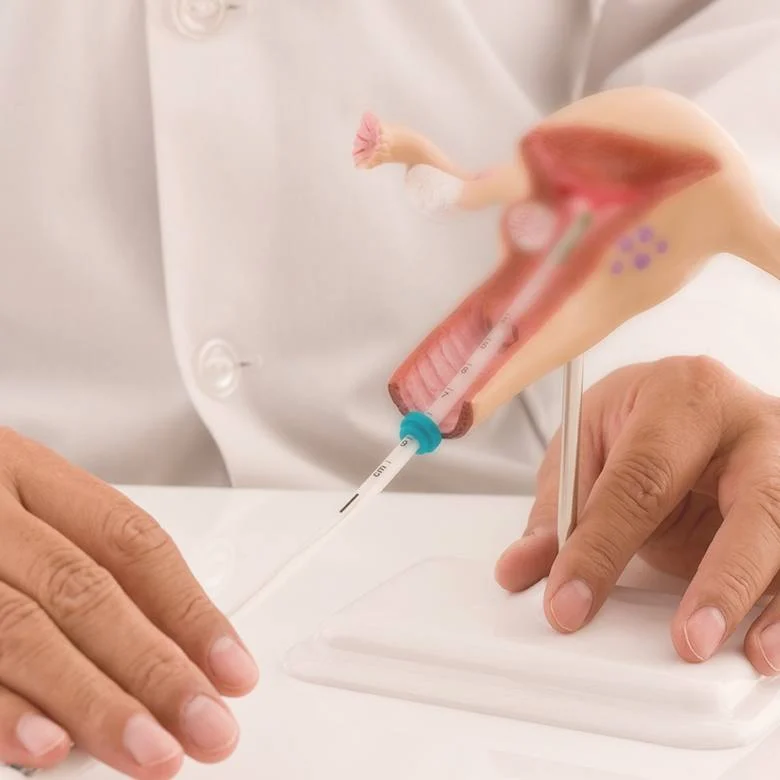
Exploring the Ethics of Egg Donation and Egg Freezing
On the other hand, egg freezing presents its own set of ethical considerations. While it can offer women more control over their reproductive choices, it also raises concerns about the pressure to delay pregnancy in order to pursue career or personal goals. This can perpetuate societal expectations for women to prioritize their careers over starting a family, and may also lead to a false sense of security as egg freezing does not guarantee future fertility.
Additionally, there are concerns about the long-term effects of egg freezing on a woman’s health. The hormonal stimulation required for egg retrieval can have potential risks, and the long-term storage of frozen eggs may have unknown effects on their viability. There is also the issue of who has access to egg freezing, as it can be a costly procedure and may only be available to certain socioeconomic groups, creating inequalities in reproductive options.
In light of these ethical considerations, it is important to have strict regulations and guidelines in place for both egg donation and egg freezing. This includes informed consent processes that fully inform donors of the potential risks and implications, as well as fair compensation for donors that does not exploit their vulnerability. It is also crucial to prioritize the well-being of the donors and any resulting children over financial gain or societal pressures.
Furthermore, it is important for society to have open and ongoing discussions about the ethics of these procedures and the societal pressures that may influence individuals’ decisions. This includes addressing the commodification of human reproductive materials and the implications it has for our understanding of human dignity.
In conclusion, the ethics of egg donation and egg freezing are complex and multifaceted. While these procedures offer new options for individuals and families, they also raise important questions about informed consent, commodification, and the rights and well-being of all parties involved. It is crucial for us to continue exploring these ethical considerations and working towards creating a more equitable and ethical approach to reproductive technology.