Blog Post Summary:
Egg donation and egg freezing have become increasingly popular options for women who are unable to conceive on their own. These processes involve a woman’s eggs being retrieved and either donated to another woman or frozen for future use. While these methods have provided hope and opportunities for many women, they are not without their challenges and implications. In this blog post, we will explore the impact of egg donation and egg freezing, from the perspectives of both donors and recipients. We will also touch on the ethical considerations and potential risks involved in these processes. By the end of this post, readers will have a better understanding of the complex and emotional journey that is involved in going from a donor to a mother.
The process of egg donation involves a woman, known as the donor, undergoing hormonal treatment to stimulate her ovaries to produce multiple eggs. These eggs are then retrieved and fertilized with sperm in a laboratory, and the resulting embryos are transferred to the recipient. This method allows women who are unable to produce eggs or have poor egg quality to become pregnant and give birth. For many recipients, egg donation is their only chance of having a biological child, making it a life-changing and emotional experience.
On the other hand, egg freezing involves a woman undergoing similar hormonal treatment to stimulate her ovaries, but instead of the eggs being immediately fertilized, they are frozen for future use. This option is often chosen by women who want to delay motherhood for personal or professional reasons, or by those who have medical conditions that may affect their fertility. Egg freezing provides women with a sense of control over their reproductive choices, but it also comes with its own set of challenges and uncertainties.
One of the most significant impacts of egg donation and egg freezing is on the donors themselves. These women make a selfless and altruistic decision to help others fulfill their dream of having a child, but it is not a decision that comes without sacrifices. The physical and emotional toll of the hormonal treatments, as well as the retrieval procedure, can be challenging for donors. They may also face societal stigma and judgment for their decision to donate their eggs.
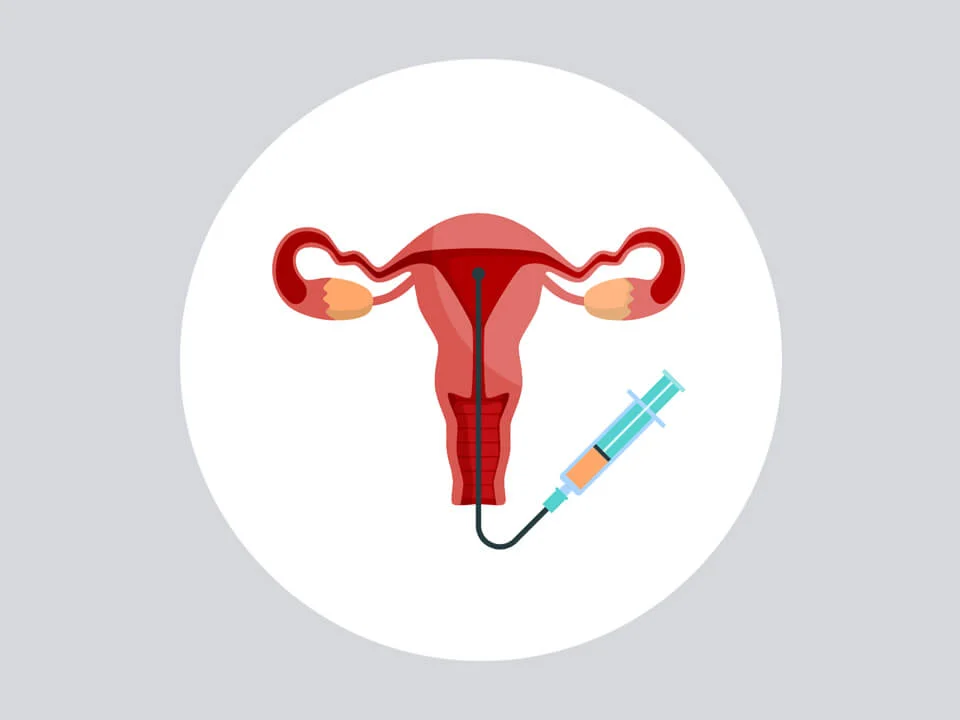
From Donor to Mother: The Impact of Egg Donation and Egg Freezing
Furthermore, egg donation can also have long-term implications for donors. As the process involves a significant amount of hormonal manipulation, there is a risk of ovarian hyperstimulation syndrome (OHSS), a potentially dangerous condition that can lead to kidney failure or blood clots. While the risk is low, it is still a possibility that donors need to be aware of. Additionally, donors may also face ethical concerns about the use of their genetic material and the potential relationship with any resulting offspring.
For recipients, the impact of egg donation is profound. For many, it is the realization of their dream of becoming a mother. However, it can also be a challenging and emotional journey. The process of choosing an egg donor, going through the fertility treatments, and the fear of potential pregnancy complications can be overwhelming. Recipients may also struggle with feelings of jealousy or insecurity towards the donor, who is giving them the gift of motherhood.
Similarly, egg freezing can also have a significant impact on women who choose this option. While it provides a sense of control over their reproductive choices, it also comes with the pressure of making the right decision about when to use the frozen eggs. Women may also face societal pressure and judgment for choosing to prioritize their careers or personal lives over motherhood.
Aside from the personal impacts, there are also wider societal implications of egg donation and egg freezing. These processes have sparked debates about the commodification of human eggs and the use of reproductive technologies. There are concerns about the potential exploitation of donors, especially in cases where they are compensated for their eggs. Additionally, the use of egg donation has also raised questions about the definition of motherhood and the role of genetics in the parent-child relationship.
In conclusion, egg donation and egg freezing have had a significant impact on the lives of many women. From the donors who selflessly give their eggs to the recipients who fulfill their dream of motherhood, these processes have brought hope and opportunities. However, they are not without their challenges and implications, both on a personal and societal level. It is essential for individuals considering egg donation or egg freezing to be fully informed about the process and its potential impacts before making their decision.