Egg Donation vs Egg Freezing: Understanding the Process
Egg donation and egg freezing are two options available for women who are looking to preserve their fertility or help others have a child. While both processes involve the use of eggs, they have different purposes and processes. In this blog post, we will dive into the details of egg donation and egg freezing, including the reasons for each, the procedures involved, and the potential risks and benefits.
Egg Donation
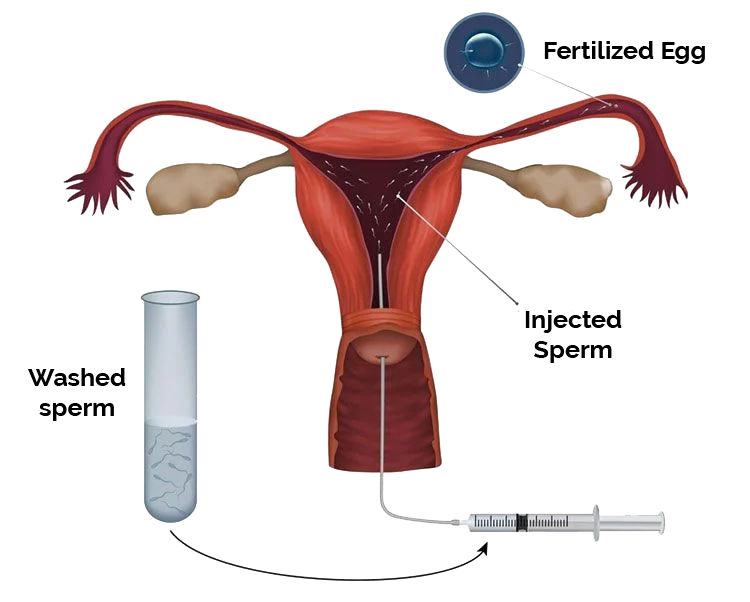
Egg donation is a process where a woman donates her eggs to another woman who is unable to produce viable eggs on her own. This is often used by couples or individuals who are struggling with infertility or same-sex couples who want to have a child. The donated eggs are fertilized with sperm from the intended father or a sperm donor and then transferred to the intended mother’s uterus for pregnancy.
Reasons for Egg Donation
There are various reasons why a woman may choose to donate her eggs. The most common reason is to help others have a child. This can be a heartwarming and selfless act for those who are unable to conceive on their own. Another reason could be financial compensation, as egg donors are typically compensated for their time and effort. Additionally, some women may choose to donate their eggs for research purposes.
Egg Donation Process
The egg donation process involves several steps, starting with a thorough screening process to ensure the donor’s physical and mental health. This includes a medical history review, blood tests, and a physical exam. Once the donor is approved, she will undergo ovarian stimulation through hormone injections to produce multiple eggs. The eggs are then retrieved through a minor surgical procedure, usually under sedation. The eggs are then fertilized with the intended father’s sperm or a donor’s sperm and transferred to the intended mother’s uterus for pregnancy.
Potential Risks and Benefits of Egg Donation
As with any medical procedure, there are risks involved with egg donation. The most common side effects of ovarian stimulation include bloating, cramping, and mood swings. In rare cases, there may be more serious complications such as ovarian hyperstimulation syndrome (OHSS) or infection. It is crucial for donors to be fully informed of these potential risks before proceeding with the process.
Egg Donation vs Egg Freezing: Understanding the Process
On the other hand, there are also potential benefits of egg donation. The most obvious one is the joy of helping others have a child. Additionally, egg donors are typically compensated for their time and effort, which can be a significant financial benefit for some women. The screening process also includes a thorough examination of the donor’s reproductive health, which can be beneficial for her in the long run.
Egg Freezing
Egg freezing, also known as oocyte cryopreservation, is a process where a woman’s eggs are extracted, frozen, and stored for future use. This allows women to preserve their fertility by freezing their eggs while they are still young and healthy, giving them the option to have a child later in life. This procedure has become increasingly popular in recent years as more women are delaying motherhood for various reasons.
Reasons for Egg Freezing
The primary reason for egg freezing is to preserve a woman’s fertility. This is often done for medical reasons, such as cancer treatment, that can affect a woman’s ability to have a child. However, many women also choose to freeze their eggs for personal reasons, such as focusing on their career or not finding the right partner at the right time. Egg freezing can also be an option for women who are not ready to have a child but want to ensure the quality of their eggs for the future.
Egg Freezing Process
The egg freezing process is similar to the first steps of the egg donation process. The woman undergoes hormonal stimulation to produce multiple eggs, which are then retrieved through a minor surgical procedure. The eggs are then frozen using a process called vitrification, which involves rapidly cooling the eggs to prevent ice crystals from forming and damaging the eggs. The frozen eggs can then be stored for many years and used when the woman is ready to have a child.
Potential Risks and Benefits of Egg Freezing
The risks associated with egg freezing are similar to those of egg donation, including the side effects of hormonal stimulation and the rare possibility of more serious complications. However, since the eggs are not being donated to another person, there is no risk of OHSS or infection.
The most significant benefit of egg freezing is the ability to preserve a woman’s fertility. This can provide peace of mind for those who are facing medical treatments that may affect their fertility or for those who want to delay motherhood for personal reasons. Egg freezing also allows women to have more control over their reproductive choices and can lessen the pressure of finding a partner and starting a family at a certain age.
In conclusion, both egg donation and egg freezing are viable options for women who want to preserve their fertility or help others have a child. While they have their differences, they both involve a thorough screening process, hormonal stimulation, and a minor surgical procedure. It is essential for women to understand the reasons, procedures, and potential risks and benefits of each option before making a decision.