Blog Post: The Impact of Technology on Traditional and Gestational Surrogacy
Surrogacy is a complex and often misunderstood form of assisted reproduction, where a woman carries a pregnancy for another individual or couple. It has become an increasingly popular option for those struggling with infertility or same-sex couples who are unable to conceive naturally. However, the advancements in technology have greatly impacted the traditional and gestational surrogacy process, raising ethical, legal, and social concerns.
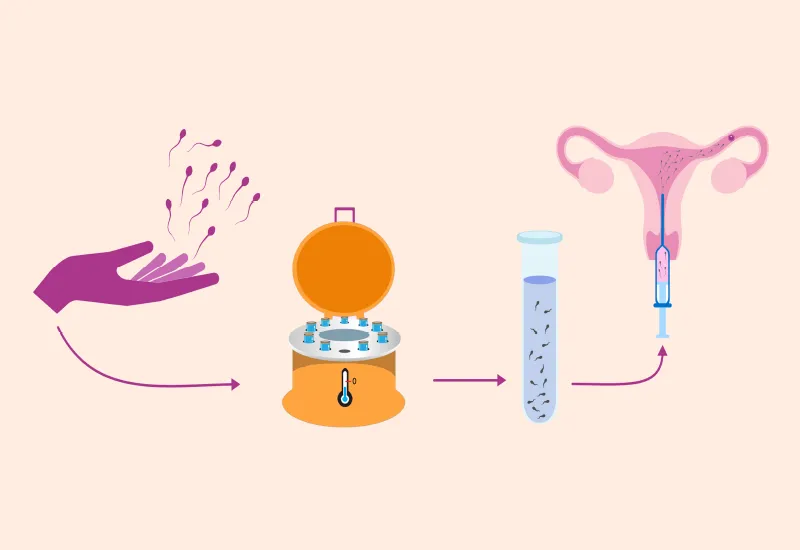
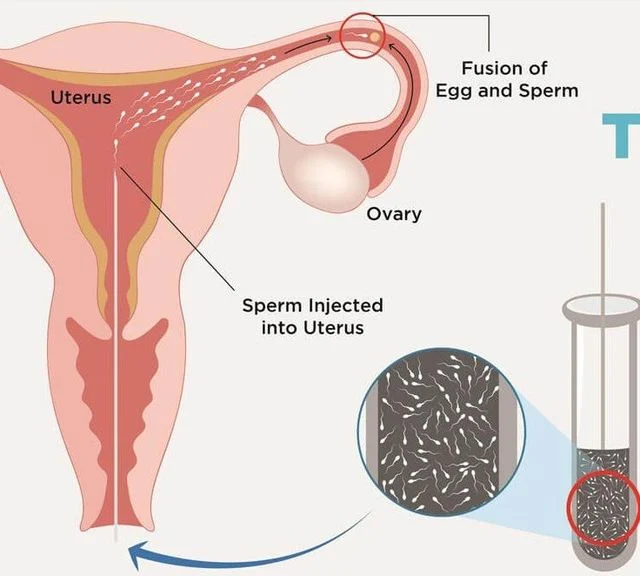
Traditional surrogacy involves the surrogate mother using her own egg to conceive the child, making her the biological mother. The sperm is typically provided by the intended father or a sperm donor. This type of surrogacy has been around for centuries, but it was not until the late 20th century that technology played a significant role in the process. With the development of in vitro fertilization (IVF), it became possible to fertilize the surrogate’s egg with the intended father’s sperm in a lab and then transfer the embryo into the surrogate’s uterus.
However, traditional surrogacy has faced criticism due to the genetic connection between the surrogate and the child, raising concerns about the emotional and legal implications for all parties involved. With the advancement of technology, gestational surrogacy has become a more popular and preferred option.
Gestational surrogacy involves the use of IVF to create an embryo using the intended parents’ or donors’ genetic material, which is then transferred to the surrogate’s uterus. This method removes the genetic connection between the surrogate and the child, making it a more appealing option for many. The use of technology has also allowed for the selection of healthy embryos, reducing the risk of genetic disorders and increasing the chances of a successful pregnancy.

The Impact of Technology on Traditional and Gestational Surrogacy
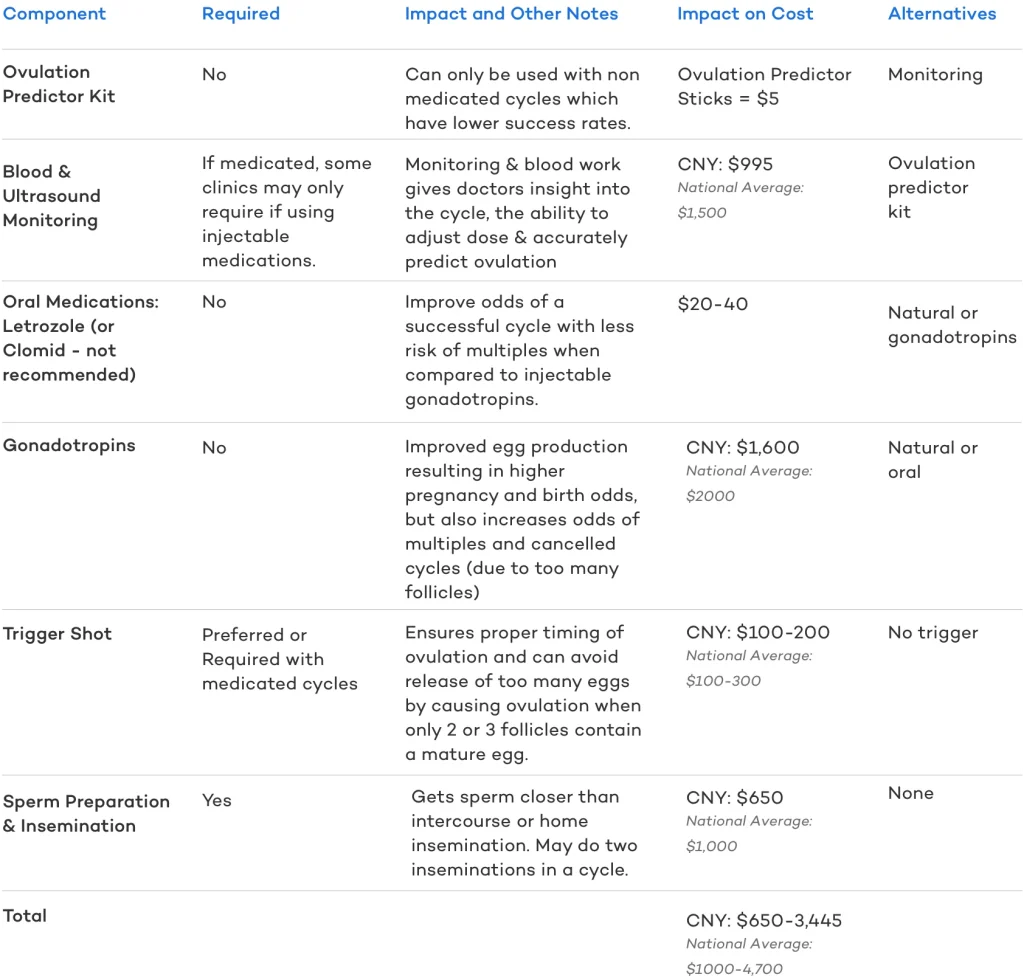
One of the most significant impacts of technology on surrogacy is the ability to screen for genetic disorders and select embryos with desired traits. This has sparked debates about the ethical implications of such practices, with concerns about the potential for designer babies and discrimination based on genetic traits. Additionally, the costs associated with these technologies have made gestational surrogacy inaccessible for many, raising concerns about the exploitation of surrogates from low-income backgrounds.
Technology has also played a crucial role in the legal aspects of surrogacy. With the use of electronic contracts and online matching agencies, the process has become more streamlined and efficient. However, it has also raised concerns about the lack of regulation and potential for exploitation of both surrogates and intended parents. The legal framework around surrogacy varies greatly from country to country, with some banning it altogether, while others have strict regulations in place. The use of technology has made it easier for individuals to seek surrogacy services abroad, but this has also led to issues with citizenship and parental rights.
The impact of technology on traditional and gestational surrogacy has also extended to the emotional and psychological well-being of all parties involved. With the use of social media and online support groups, surrogates and intended parents can connect and share their experiences. This has allowed for a greater sense of community and support, but it has also raised concerns about the potential for exploitation and privacy invasion.
In conclusion, technology has greatly impacted surrogacy, making it a more accessible and successful option for those struggling with infertility. However, it has also raised ethical, legal, and social concerns that need to be addressed. As technology continues to advance, it is essential to have proper regulations in place to ensure the protection of all parties involved in the surrogacy process.
Summary: Technology has greatly impacted traditional and gestational surrogacy, making it a more accessible and successful option for those struggling with infertility. However, it has also raised ethical, legal, and social concerns about genetic selection, exploitation, and privacy invasion. As technology continues to advance, it is crucial to have proper regulations in place to address these issues and protect all parties involved.