Traditional Surrogacy vs. Gestational Surrogacy: Differences in Parental Rights
Surrogacy is a method of assisted reproduction where a woman carries and gives birth to a child for another person or couple. It has become increasingly popular in recent years, as more and more people struggle with infertility or same-sex couples seek to start a family. There are two types of surrogacy: traditional surrogacy and gestational surrogacy. While both involve a surrogate carrying a child for someone else, there are significant differences in terms of parental rights. In this blog post, we will explore the differences between traditional surrogacy and gestational surrogacy in terms of parental rights.
Traditional Surrogacy
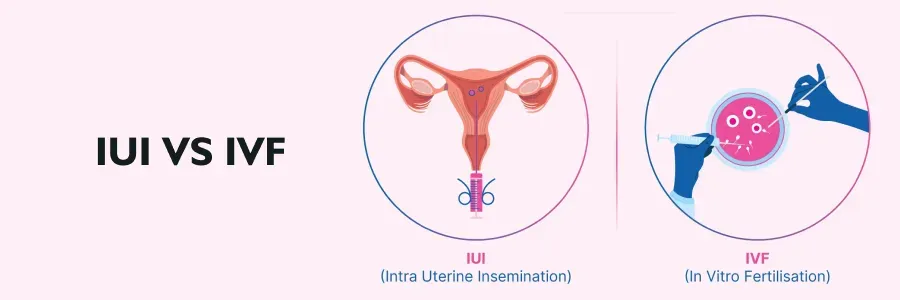
Traditional surrogacy, also known as genetic or partial surrogacy, involves the surrogate mother being genetically related to the child she carries. In this method, the surrogate’s egg is fertilized with the intended father’s sperm through artificial insemination. This means that the surrogate is not only carrying the child but is also the biological mother.
One of the main differences in parental rights with traditional surrogacy is that the surrogate has a biological relationship with the child. This can create complicated legal and emotional situations, as the surrogate may develop a bond with the child during pregnancy. In some cases, the surrogate may even decide to keep the child after birth, leading to a lengthy legal battle for custody.
In traditional surrogacy, the intended parents may have to go through a formal adoption process in order to establish their parental rights. This can be a lengthy and expensive process, and there is no guarantee that the surrogate will agree to give up the child.
Gestational Surrogacy
Gestational surrogacy, also known as full surrogacy, is a more common and preferred method of surrogacy. In this method, the surrogate is not genetically related to the child she carries. The embryo is created through in vitro fertilization (IVF) using the eggs and sperm of the intended parents or donors. The embryo is then transferred to the surrogate’s uterus, and she carries the pregnancy to term.
In gestational surrogacy, the intended parents have a genetic relationship with the child and are considered the legal parents from the moment of conception. This means that they do not have to go through a lengthy adoption process, and their parental rights are protected by a surrogacy contract.
One of the main advantages of gestational surrogacy is that the intended parents have more control over the pregnancy and the child’s genetic makeup. They can choose a surrogate who shares their values and beliefs, and they can also have a say in the prenatal care and delivery process.
Traditional Surrogacy vs. Gestational Surrogacy: Differences in Parental Rights
Another significant difference in parental rights with gestational surrogacy is that the surrogate has no legal claim to the child. This reduces the risk of custody battles and allows the intended parents to establish their parental rights without any legal obstacles.
Legal Considerations
In both traditional and gestational surrogacy, the legal framework varies from state to state and country to country. Some jurisdictions do not allow surrogacy at all, while others have specific laws and regulations in place to protect the rights of all parties involved.
In traditional surrogacy, the legal process can be more complicated, as the surrogate is the biological mother of the child. This means that she may have legal rights to the child, and the intended parents may have to go through an adoption process to establish their parental rights.
On the other hand, gestational surrogacy is generally more legally secure, as the intended parents are the legal parents from the moment of conception. However, it is still essential to have a detailed and legally binding surrogacy contract in place to avoid any potential legal issues and protect the rights of all parties involved.
Emotional Considerations
Surrogacy is a complex and emotional process for all parties involved. In traditional surrogacy, the surrogate may have a difficult time giving up the child, as she is genetically related to the child. This can lead to emotional challenges and even legal battles for custody.
In gestational surrogacy, the emotional bond between the surrogate and the child may be less intense, as she is not genetically related to the child. However, the surrogate may still develop a bond with the child during pregnancy, and it is essential to have open communication and clear boundaries in place to avoid any emotional conflicts.
Summary:
Surrogacy is a method of assisted reproduction where a woman carries and gives birth to a child for another person or couple. There are two types of surrogacy: traditional surrogacy and gestational surrogacy. Traditional surrogacy involves the surrogate being genetically related to the child, while gestational surrogacy does not. This creates significant differences in terms of parental rights, as the intended parents may have to go through a formal adoption process with traditional surrogacy, while their parental rights are protected from the moment of conception in gestational surrogacy. It is essential to have a detailed and legally binding surrogacy contract in place to protect the rights of all parties involved, and clear communication and boundaries are crucial to avoid any emotional conflicts.