Category: Uncategorized

  • The Hidden Dangers of Fertility Drugs: What You Need to Know

    The Hidden Dangers of Fertility Drugs: What You Need to Know

    Fertility drugs have become increasingly popular as more and more couples struggle with infertility. These medications are designed to help improve ovulation and increase the chances of conceiving a child. While they may seem like a miracle solution, fertility drugs do come with their own set of risks and dangers. It is important for couples considering fertility treatment to fully understand these potential dangers and make an informed decision with their doctor. In this blog post, we will explore the hidden dangers of fertility drugs and what you need to know before starting treatment.

    Understanding Fertility Drugs

    Before diving into the dangers, it is important to understand the different types of fertility drugs and how they work. The most commonly used fertility drugs are:

    1. Clomiphene citrate: This drug works by stimulating the pituitary gland to release more FSH and LH hormones, which in turn stimulates the ovaries to produce more eggs.

    2. Gonadotropins: These drugs also stimulate the ovaries to produce more eggs, but they do so by directly injecting the FSH and LH hormones.

    3. Metformin: This drug is commonly used for women with polycystic ovary syndrome (PCOS) to help regulate ovulation.

    4. Bromocriptine: This medication is often used to treat high levels of prolactin, a hormone that can interfere with ovulation.

    Possible Dangers of Fertility Drugs

    1. Multiple births: One of the most well-known dangers of fertility drugs is the increased risk of multiple births. This is because these medications stimulate the ovaries to produce more eggs, increasing the chances of conceiving twins, triplets, or even higher-order multiples. While some couples may see this as a positive outcome, multiple pregnancies come with their own set of risks for both the mother and the babies.
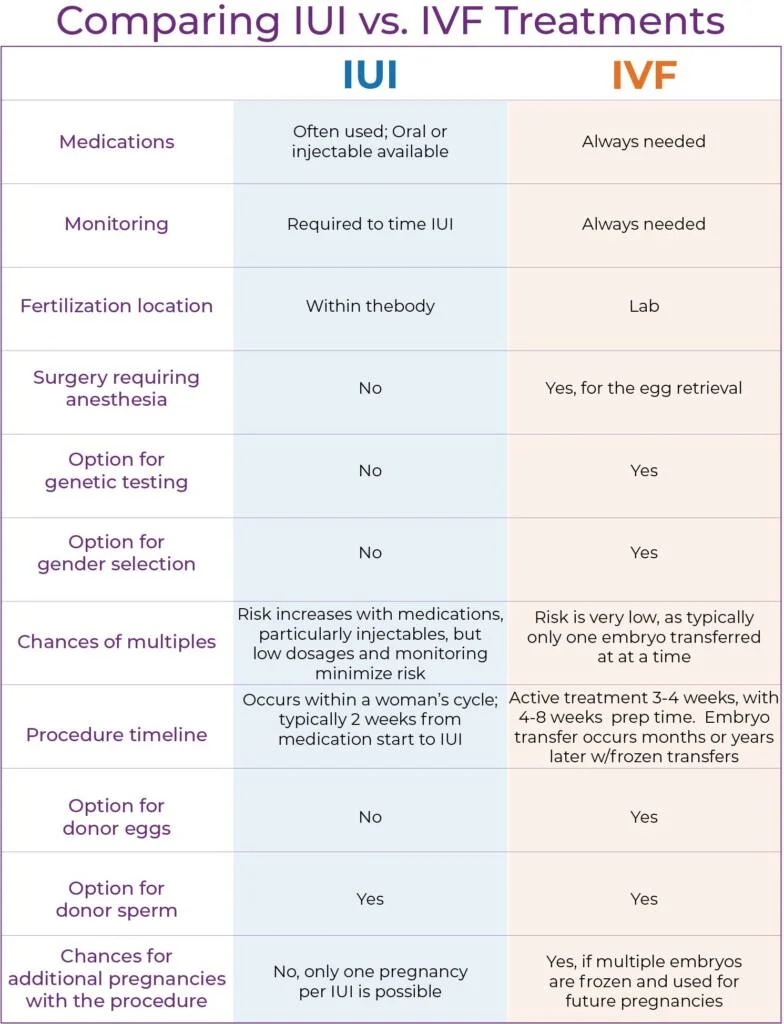
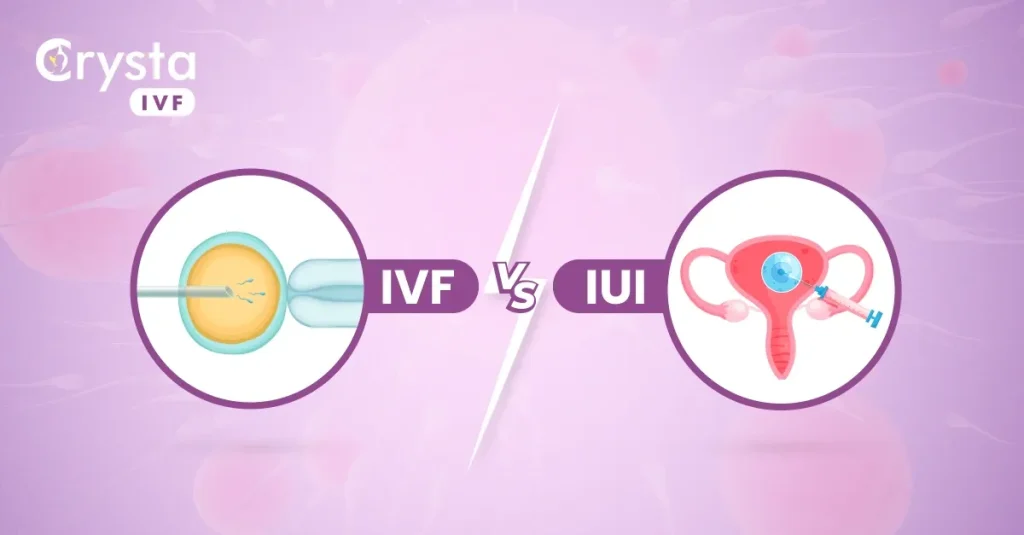
    Comparison chart of IUI and IVF treatments, detailing medications, monitoring, procedures, and success rates.

    The Hidden Dangers of Fertility Drugs: What You Need to Know

    2. Ovarian hyperstimulation syndrome (OHSS): OHSS is a serious condition that can occur when the ovaries are overstimulated by fertility drugs. Symptoms include abdominal pain, bloating, nausea, and difficulty breathing. In severe cases, it can lead to kidney failure, blood clots, or even death.

    3. Ectopic pregnancy: This is a potentially life-threatening condition where the fertilized egg implants outside of the uterus, usually in the fallopian tube. Fertility drugs can increase the risk of ectopic pregnancy, which may require emergency medical treatment.

    4. Birth defects: Some studies have shown a potential link between the use of fertility drugs and an increased risk of birth defects. While the evidence is not conclusive, it is important for couples to be aware of this potential danger.

    5. Ovarian cancer: There have been concerns that the use of fertility drugs may increase the risk of ovarian cancer. While some studies have shown a small increase in risk, others have not found a significant connection. More research is needed to fully understand the potential link.

    What You Can Do

    While these dangers may seem scary, it is important to remember that fertility drugs have helped many couples achieve their dream of having a child. However, it is crucial to take certain precautions to minimize the risks. Here are some things you can do:

    1. Work closely with your doctor: Your doctor will monitor your response to the fertility drugs and adjust the dosage as needed. It is important to follow their instructions and attend all follow-up appointments.

    2. Discuss your options: There are various fertility treatments available, and not all of them involve the use of drugs. Talk to your doctor about alternative options such as intrauterine insemination (IUI) or in vitro fertilization (IVF).

    3. Consider the risks: Make sure you fully understand the potential dangers of fertility drugs and weigh them against the potential benefits. It is important to make an informed decision that is right for you and your partner.

    4. Take care of yourself: Fertility treatment can be emotionally and physically taxing. It is important to take care of your mental and physical health during this time. Consider seeking support from a therapist or joining a support group for couples going through similar experiences.

    In summary, fertility drugs can be a helpful tool for couples struggling with infertility, but they do come with their own set of risks and dangers. It is important to fully understand these potential dangers and take necessary precautions before starting treatment. Working closely with your doctor, exploring alternative options, and taking care of yourself can help minimize the risks and increase the chances of a successful outcome.

  • The Mind-Body Connection in Fertility: How to Harness Its Power

    Blog Post Title: The Mind-Body Connection in Fertility: How to Harness Its Power

    Summary:

    The journey to parenthood can be a difficult and emotional one for many couples struggling with fertility issues. While modern medicine has made significant advancements in fertility treatments, there is growing evidence that suggests the mind-body connection plays a crucial role in fertility as well. Our thoughts, emotions, and overall mental and physical well-being can greatly impact our reproductive health.

    In this blog post, we will explore the mind-body connection in fertility and how you can harness its power to increase your chances of conceiving. From understanding the impact of stress on fertility to incorporating mind-body practices into your fertility journey, we will provide practical tips and insights to help you on your path to parenthood.

    The Impact of Stress on Fertility:

    It is no secret that stress can have a negative impact on our overall health and well-being. And when it comes to fertility, stress can play a significant role. When we are stressed, our bodies release the hormone cortisol, which can interfere with the production of reproductive hormones and affect ovulation. Chronic stress can also lead to inflammation in the body, which has been linked to infertility.

    Moreover, the emotional toll that comes with struggling to conceive can also contribute to stress levels. Feelings of anxiety, sadness, and guilt are common among couples dealing with infertility, and these emotions can further exacerbate the problem. It is essential to recognize the impact of stress on fertility and take steps to manage it.

    Incorporating Mind-Body Practices into Your Fertility Journey:

    Many mind-body practices have been shown to be effective in reducing stress and improving fertility. These practices focus on the mind-body connection and aim to promote relaxation, reduce stress, and improve overall well-being. Some of the most common mind-body practices used in fertility include meditation, yoga, acupuncture, and cognitive-behavioral therapy.

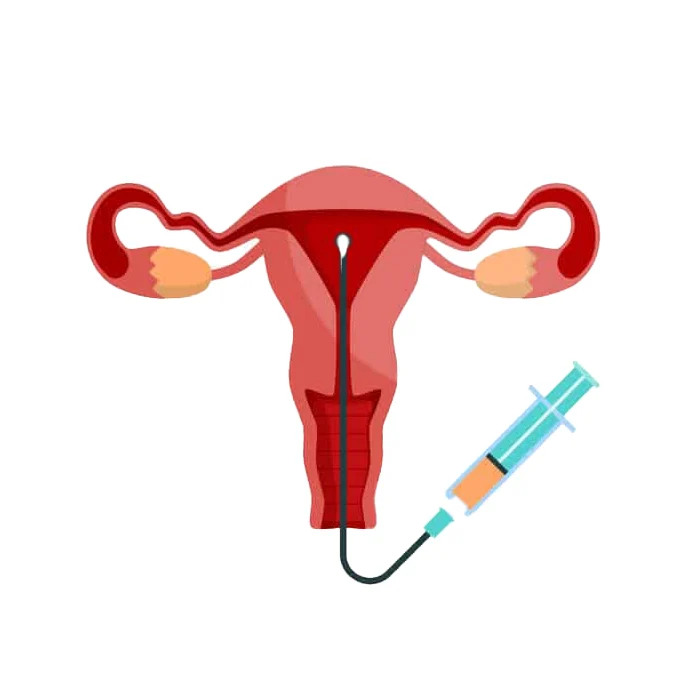
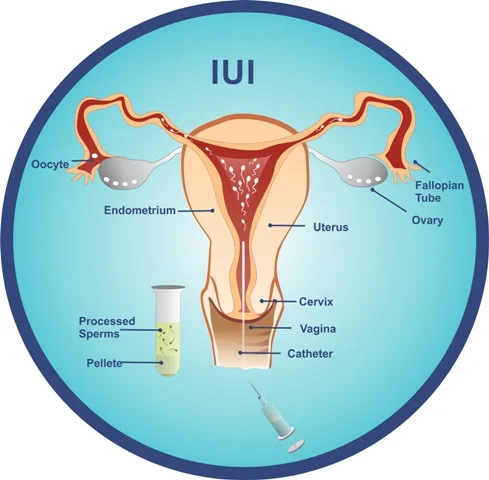
    Illustration of a uterus with a syringe, representing intrauterine insemination (IUI) procedure.

    The Mind-Body Connection in Fertility: How to Harness Its Power

    Meditation and mindfulness techniques can help reduce stress and promote relaxation. By focusing on your breath and being present in the moment, you can quiet your mind and alleviate feelings of anxiety and worry. Yoga, a mind-body practice that combines physical postures, breathing techniques, and meditation, has also been shown to have a positive impact on fertility. It can help reduce stress, regulate hormones, and improve blood flow to the reproductive organs.

    Acupuncture, an ancient Chinese practice that involves the insertion of thin needles into specific points on the body, has gained popularity in the Western world for its potential benefits in fertility. Research has shown that acupuncture can help regulate the menstrual cycle, improve blood flow to the uterus, and reduce stress levels.

    Cognitive-behavioral therapy (CBT) is a type of talk therapy that focuses on changing negative thought patterns and behaviors. It can be beneficial for couples struggling with infertility, as it can help them cope with the emotional toll of the process and develop healthy coping mechanisms. CBT has been shown to improve pregnancy rates in women undergoing fertility treatment.

    The Role of Nutrition and Exercise in Fertility:

    The mind-body connection in fertility also extends to nutrition and exercise. A healthy diet and regular exercise can help regulate hormones, improve overall health, and boost fertility. Eating a balanced diet that includes plenty of fruits, vegetables, whole grains, and lean proteins can provide the essential nutrients for reproductive health. It is also important to limit processed foods, sugar, and unhealthy fats, as they can contribute to inflammation and hormonal imbalances.

    Regular exercise can also have a positive impact on fertility. It helps manage stress levels, improve blood flow, and regulate hormones. However, it is essential to find a balance, as excessive exercise can also interfere with ovulation and disrupt the menstrual cycle.

    The Importance of a Support System:

    Going through fertility struggles can feel isolating and overwhelming. It is crucial to have a support system in place to lean on during this challenging time. Whether it is your partner, family, friends, or a support group, having someone to talk to and share your feelings with can help ease the emotional burden.

    Additionally, finding a support group specifically for couples dealing with fertility issues can be incredibly beneficial. It allows you to connect with others who are going through a similar experience and can provide a sense of community and understanding.

    In conclusion, the mind-body connection plays a significant role in fertility, and harnessing its power can improve your chances of conceiving. By managing stress levels, incorporating mind-body practices into your routine, and maintaining a healthy lifestyle, you can support your reproductive health and increase your chances of becoming a parent. Remember to also seek support from loved ones and professionals to help you navigate this journey with strength and resilience.

  • Making an Informed Choice: Educating Yourself on Fertility Options

    Blog Post:

    Making an Informed Choice: Educating Yourself on Fertility Options

    Couples often dream of starting a family and having children. However, for some, this dream may not come easily or naturally. Infertility affects millions of couples worldwide, and it can be a challenging journey to navigate. Fortunately, with advancements in medical technology, there are now several fertility options available for those struggling to conceive. However, with so many options, it can be overwhelming and confusing to make an informed decision. In this blog post, we will discuss the importance of educating yourself on fertility options and how to make an informed choice.

    What is fertility?

    Before diving into the various fertility options, it is essential to understand what fertility means. Fertility refers to a person’s ability to conceive and carry a pregnancy to full term. Both men and women can experience fertility issues due to various reasons such as age, medical conditions, and lifestyle choices. It is crucial to note that infertility does not just affect women; men can also contribute to a couple’s fertility struggles.

    Understanding your fertility status

    The first step in educating yourself on fertility options is understanding your fertility status. If you and your partner have been trying to conceive for over a year without success, it is recommended to consult a fertility specialist. They will conduct tests to determine your fertility status and identify any underlying issues. Understanding your fertility status will help you and your doctor decide on the best course of action and fertility treatment options that are suitable for you.

    Fertility options

    There are several fertility options available, and your doctor will recommend the best one based on your fertility status and medical history. Let’s take a look at some of the most common fertility options:

    1. Intrauterine Insemination (IUI)

    Intrauterine insemination, also known as artificial insemination, is a form of assisted reproductive technology (ART) that involves placing sperm directly into a woman’s uterus. This method is used to overcome issues such as low sperm count, poor sperm mobility, or endometriosis.

    2. In vitro fertilization (IVF)

    In vitro fertilization is another form of ART that involves fertilizing an egg with sperm outside of the body and then transferring the embryo into the woman’s uterus. This method is commonly used for women who have blocked or damaged fallopian tubes, endometriosis, or unexplained infertility.

    3. Egg or Sperm Donation

    diagram illustrating intrauterine insemination (IUI) with labeled reproductive anatomy and procedures

    Making an Informed Choice: Educating Yourself on Fertility Options

    For couples who are unable to produce viable eggs or sperm, egg or sperm donation may be an option. This involves using donated eggs or sperm from a donor to create an embryo. This method is often used by same-sex couples or individuals who have a genetic condition that can be passed on to their child.

    4. Surrogacy

    Surrogacy is an option for women who are unable to carry a pregnancy to full term. It involves using a surrogate to carry the pregnancy and give birth to the child. Surrogacy can be either traditional, where the surrogate’s egg is used, or gestational, where the embryo is created using the intended parents’ egg and sperm.

    5. Adoption

    Adoption is another option for couples who are unable to conceive. It involves legally adopting a child and providing them with a loving and stable home. Adoption can be a rewarding and fulfilling way to start a family.

    Making an informed choice

    Now that you are aware of the various fertility options available, it is crucial to make an informed choice. Here are some tips to help you make the right decision:

    1. Educate yourself: The more you know about each fertility option, the better equipped you will be to make a decision. Do your research, ask questions, and consult with your doctor to gain a better understanding of each option.

    2. Consider your emotional, physical, and financial capabilities: Fertility treatments can be emotionally, physically, and financially taxing. Consider all these aspects before making a decision. It is essential to choose an option that you and your partner are both comfortable with.

    3. Seek support: Going through fertility struggles can be emotionally draining. Seek support from your partner, family, friends, or a support group. It can be helpful to talk to others who have gone through similar experiences and get their insights and advice.

    4. Be open and flexible: Sometimes, the first fertility option may not work, and that’s okay. Be open to trying other options and be flexible with your plans. Remember that the end goal is to start a family, and the journey may not always go as planned.

    5. Trust your instincts: Ultimately, it is essential to trust your instincts and make a decision that feels right for you and your partner. Every couple’s fertility journey is unique, and what works for others may not necessarily work for you.

    In conclusion, educating yourself on fertility options is crucial in making an informed choice. Be sure to understand your fertility status, explore the available options, and consider all aspects before making a decision. Remember to seek support and trust your instincts throughout this journey. With the right knowledge and support, you can make the best decision for you and your partner to start a family.

    Summary:

    Educating yourself on fertility options is crucial when facing infertility struggles. Fertility refers to a person’s ability to conceive and carry a pregnancy to full term, and both men and women can experience fertility issues. Understanding your fertility status is the first step, and based on that, a fertility specialist may recommend different options such as IUI, IVF, egg or sperm donation, surrogacy, or adoption. It is essential to make an informed choice by educating yourself, considering your emotional, physical, and financial capabilities, seeking support, being open and flexible, and trusting your instincts. With the right knowledge and support, you can make the best decision for you and your partner to start a family.

  • Fertility Drugs and Natural Methods: The Success Rates Revealed

    Blog Post Title: Fertility Drugs and Natural Methods: The Success Rates Revealed

    Introduction:
    Fertility issues are becoming increasingly common and couples struggling to conceive often turn to fertility drugs and treatments as a solution. However, there is growing interest in natural methods for boosting fertility, as they can often be more affordable and have fewer side effects. In this blog post, we will explore the success rates of both fertility drugs and natural methods and compare their effectiveness in helping couples achieve their dream of having a baby.

    Fertility Drugs:
    Fertility drugs are commonly used to stimulate ovulation and increase the chances of conception. They work by regulating hormones and stimulating the ovaries to produce more eggs. Some of the most commonly used fertility drugs include Clomiphene, Letrozole, and Gonadotropins.

    According to a study published in the Journal of the American Medical Association, the use of fertility drugs can increase the chances of pregnancy by 23%. However, the success rates vary depending on the type of fertility drug used and the individual’s response to the treatment. For instance, Clomiphene has a success rate of around 70% in stimulating ovulation, while Gonadotropins have a success rate of 25-30%.

    Fertility drugs also have some potential risks and side effects, such as multiple pregnancies, ovarian hyperstimulation syndrome, and mood swings. They can also be costly, with a single cycle of treatment costing anywhere from $500 to $5000.

    Natural Methods:
    On the other hand, natural methods for boosting fertility focus on improving overall health and addressing any underlying issues that may be affecting fertility. These methods include making dietary and lifestyle changes, using herbal supplements, and acupuncture.

    A person administering an injection into their abdomen with a yellow pen-like device.

    Fertility Drugs and Natural Methods: The Success Rates Revealed

    Studies have shown that a healthy diet and lifestyle can have a significant impact on fertility. For example, a study published in the journal Fertility and Sterility found that women who followed a Mediterranean-style diet had a 40% higher chance of getting pregnant through IVF compared to those who did not follow this diet. Additionally, supplementing with certain herbs, such as chasteberry and maca root, has been shown to improve reproductive function and increase the chances of conception.

    Acupuncture has also gained popularity as a natural method for boosting fertility. It is believed that acupuncture can help regulate hormones, improve blood flow to the reproductive organs, and reduce stress, all of which can increase the chances of conception. A study published in the journal Fertility and Sterility found that women who underwent acupuncture alongside IVF had a significantly higher pregnancy rate compared to those who did not receive acupuncture.

    Success Rates:
    While fertility drugs have a higher success rate in terms of achieving pregnancy, natural methods have been shown to be effective in improving overall reproductive health and increasing the chances of conception. Additionally, natural methods have little to no side effects and can be more affordable in the long run.

    It is also important to note that the success rates of both fertility drugs and natural methods can be influenced by various factors, such as age, underlying health conditions, and the cause of infertility. It is best to consult with a healthcare professional to determine the most suitable treatment plan based on individual circumstances.

    Conclusion:
    Fertility drugs and natural methods both have their advantages and limitations when it comes to boosting fertility. Fertility drugs have a higher success rate in achieving pregnancy, but they can also come with potential risks and side effects. On the other hand, natural methods may take longer to show results but can improve overall reproductive health and have little to no side effects. Ultimately, the best approach may be a combination of both fertility drugs and natural methods, tailored to an individual’s specific needs.

    In conclusion, while fertility drugs remain a popular option for couples struggling to conceive, natural methods should not be overlooked. They can be a viable and more affordable alternative with potential long-term benefits for both the mother and the baby.

  • Understanding Ovulation: How Fertility Drugs and Natural Methods Affect It

    Understanding Ovulation: How Fertility Drugs and Natural Methods Affect It

    Ovulation is a crucial process in a woman’s reproductive cycle. It is the release of an egg from the ovary, which then travels down the fallopian tube, ready for fertilization. Ovulation typically occurs once a month, and timing it correctly is essential for couples trying to conceive. However, many factors can affect ovulation, including fertility drugs and natural methods. In this blog post, we will dive deeper into understanding ovulation and how fertility drugs and natural methods can impact this process.

    What is Ovulation?

    Ovulation is a natural process that occurs in the female body, usually once a month. It is a crucial part of the menstrual cycle, which prepares the body for pregnancy. During ovulation, a mature egg is released from the ovary and travels down the fallopian tube, where it can be fertilized by sperm. If fertilization does not occur, the egg disintegrates, and the uterine lining sheds, resulting in menstruation.

    Understanding the Ovulation Cycle

    The ovulation cycle is divided into three phases: the follicular phase, ovulation phase, and luteal phase. The follicular phase begins on the first day of menstruation and lasts for approximately 14 days. During this phase, the body prepares for ovulation by releasing follicle-stimulating hormones (FSH) that stimulate the growth of follicles in the ovaries. These follicles contain eggs, and as they grow, they produce estrogen, which thickens the uterine lining.

    The ovulation phase occurs around day 14 of the menstrual cycle, but it can vary from woman to woman. During this phase, the surge of luteinizing hormone (LH) causes the most dominant follicle to release an egg. This egg then travels down the fallopian tube, ready for fertilization.

    The luteal phase starts after ovulation and lasts for about 14 days. During this phase, the remaining follicle turns into the corpus luteum, which produces progesterone. Progesterone helps thicken the uterine lining, making it ready to receive a fertilized egg. If fertilization does not occur, the corpus luteum breaks down, and the levels of estrogen and progesterone drop, resulting in menstruation.

    Fertility Drugs and Ovulation

    Fertility drugs are medications that stimulate ovulation and increase the chances of getting pregnant. These drugs are often used to treat infertility in women who have ovulation disorders. One of the most commonly used fertility drugs is Clomid, which works by stimulating the production of FSH and LH, which in turn, triggers ovulation.

    Other fertility drugs, such as gonadotropins, are injected directly into the body and work by stimulating the ovaries to produce multiple eggs. This increases the chances of fertilization and pregnancy. However, these medications can have side effects such as bloating, mood swings, and multiple pregnancies.

    Comparison of IVF and IUI procedures with illustrations of each method.

    Understanding Ovulation: How Fertility Drugs and Natural Methods Affect It

    It is crucial to consult a doctor before taking any fertility drugs as they can have varying effects on each individual and may not be suitable for everyone.

    Natural Methods to Support Ovulation

    There are also natural methods that can help support ovulation, such as tracking your menstrual cycle, maintaining a healthy weight, and managing stress levels.

    Tracking your menstrual cycle can help you identify your fertile window, which is the best time to try to conceive. This usually occurs around ovulation, and having intercourse during this time increases the chances of getting pregnant.

    Maintaining a healthy weight is also vital for ovulation. Being underweight or overweight can affect hormone levels and disrupt ovulation. It is recommended to have a body mass index (BMI) between 19 and 25 for optimal ovulation.

    Stress can also impact ovulation as it can disrupt the hormone production that triggers ovulation. Finding ways to manage stress, such as exercising, meditating, or talking to a therapist, can help support ovulation.

    Understanding the Impact of Fertility Drugs and Natural Methods on Ovulation

    Fertility drugs and natural methods can affect ovulation in different ways. While fertility drugs directly stimulate ovulation, natural methods support the body’s natural processes, making it more conducive to ovulation.

    However, it is essential to keep in mind that fertility drugs and natural methods do not guarantee pregnancy. The success of these methods depends on various factors, such as age, overall health, and underlying fertility issues.

    Summary:

    Ovulation is a natural process that occurs once a month in a woman’s body, preparing it for pregnancy. Understanding the ovulation cycle and its phases is crucial for couples trying to conceive. Fertility drugs, such as Clomid and gonadotropins, can help stimulate ovulation, while natural methods like tracking your menstrual cycle, maintaining a healthy weight, and managing stress levels can support ovulation. It is crucial to consult a doctor before taking any fertility drugs and to keep in mind that these methods do not guarantee pregnancy.

  • The Natural Fertility Method Puzzle: Putting the Pieces Together

    Title: The Natural Fertility Method Puzzle: Putting the Pieces Together

    Introduction:

    For many couples, starting a family is a dream that they hope to fulfill. However, for some, this dream may not come as easily as they had hoped. Fertility issues can be a major roadblock in the journey towards parenthood. With numerous factors affecting fertility, it can often feel like a complicated puzzle with missing pieces. Fortunately, there is a solution in the form of the Natural Fertility Method. This method focuses on a holistic and natural approach to enhance fertility and increase the chances of conception. In this blog post, we will explore the different pieces of the Natural Fertility Method puzzle and how they all come together to help couples achieve their dream of starting a family.

    Understanding the Natural Fertility Method:

    The Natural Fertility Method is a holistic approach that focuses on both the physical and emotional aspects of fertility. It aims to improve the overall health and well-being of both partners, as well as addressing any underlying issues that may be affecting fertility. This method does not involve any invasive procedures or medications, making it a safe and natural option for couples.

    The Pieces of the Puzzle:

    1. Nutrition and Diet:

    The first piece of the Natural Fertility Method puzzle is proper nutrition and diet. A balanced and nutritious diet is crucial for maintaining overall health and fertility. This includes consuming a variety of fruits, vegetables, whole grains, and lean proteins. It is also important to limit or avoid processed foods, caffeine, and alcohol, as they can negatively impact fertility.

    2. Exercise and Movement:

    Regular physical activity is not only essential for maintaining a healthy weight but also plays a significant role in fertility. Exercise can help regulate hormones, improve circulation, and reduce stress levels, all of which can contribute to fertility. However, it is important to find a balance and avoid overexertion, which can also have a negative impact on fertility.

    3. Stress Management:

    Stress is a common factor that can affect fertility. The Natural Fertility Method emphasizes the importance of stress management techniques such as meditation, yoga, and deep breathing. These techniques can help reduce stress levels and promote relaxation, which is essential for maintaining hormonal balance and improving fertility.

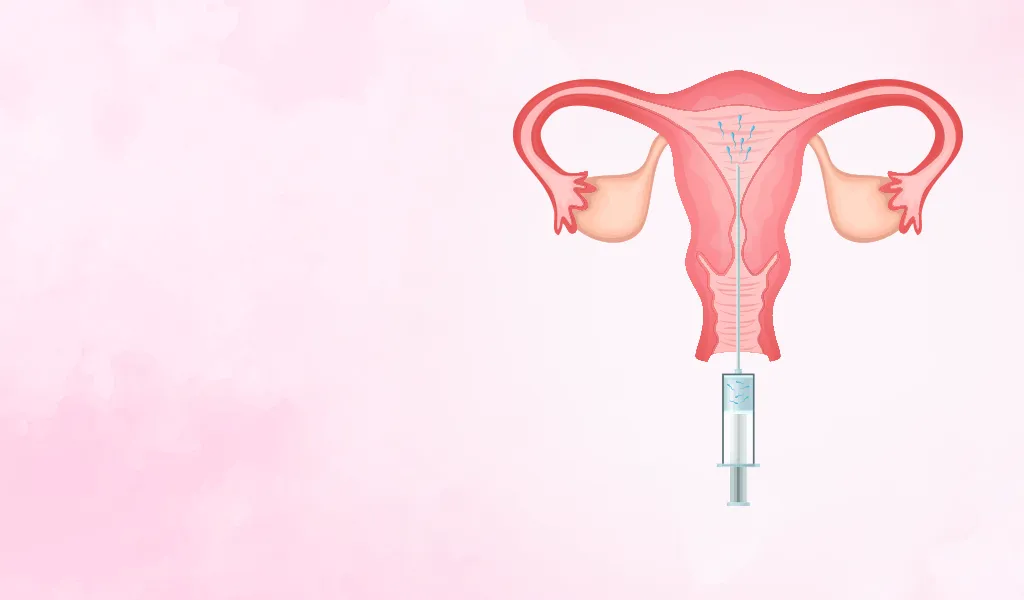
    illustration of a uterus with a syringe for intrauterine insemination (IUI) procedure

    The Natural Fertility Method Puzzle: Putting the Pieces Together

    4. Traditional Chinese Medicine (TCM):

    TCM has been used for centuries to enhance fertility. It focuses on restoring the balance of energy in the body through techniques such as acupuncture, herbal remedies, and dietary changes. TCM can help regulate the menstrual cycle, improve egg quality, and reduce stress levels, all of which can increase the chances of conception.

    5. Supplements and Herbs:

    In addition to a healthy diet, certain supplements and herbs can support fertility. These include folic acid, omega-3 fatty acids, and herbal supplements like Vitex and Maca. However, it is essential to consult with a healthcare professional before taking any supplements, as they may interact with medications or have adverse effects.

    6. Fertility Awareness:

    Understanding your menstrual cycle and fertile window is crucial when trying to conceive. The Natural Fertility Method teaches couples how to track ovulation and identify the most fertile days in a woman’s cycle. This knowledge can help couples time intercourse effectively and increase the chances of conception.

    7. Environmental Factors:

    Environmental factors such as exposure to toxins and chemicals can also affect fertility. The Natural Fertility Method encourages couples to make changes in their environment, such as switching to natural and organic household and personal care products, to reduce exposure to harmful substances.

    Putting the Pieces Together:

    Each of these puzzle pieces alone may not be enough to solve fertility issues. However, when combined, they create a powerful and holistic approach to enhancing fertility. By focusing on nutrition, exercise, stress management, traditional medicine, supplements, fertility awareness, and environmental factors, the Natural Fertility Method addresses all aspects of fertility and increases the chances of conception.

    Summary:

    The Natural Fertility Method is a holistic and natural approach to enhancing fertility. It involves various puzzle pieces such as proper nutrition, exercise, stress management, traditional Chinese medicine, supplements, fertility awareness, and environmental factors. Each piece plays a crucial role in improving overall health and increasing the chances of conception. By combining these pieces, couples can solve the puzzle of fertility and achieve their dream of starting a family.

  • The Role of Acupuncture in Fertility: Traditional vs. Modern Methods

    Blog Post: The Role of Acupuncture in Fertility: Traditional vs. Modern Methods

    In recent years, acupuncture has gained popularity as a complementary therapy for fertility treatments. This ancient Chinese practice involves the insertion of thin needles into specific points on the body to stimulate the flow of energy or Qi. While it has been used for thousands of years to treat various health conditions, its effectiveness in improving fertility is a topic of much debate. In this blog post, we will explore the role of acupuncture in fertility and compare traditional methods to modern approaches.

    Traditional Acupuncture for Fertility

    Traditional acupuncture for fertility is based on the principles of Traditional Chinese Medicine (TCM). According to TCM, infertility is caused by an imbalance in the body’s Qi, which can be corrected by targeting specific points on the body to restore the flow of energy. These points are believed to be connected to different organs and functions of the body, including the reproductive system.

    Acupuncture for fertility typically involves a series of sessions that may last for several months. The goal is to regulate the menstrual cycle, improve egg quality, and increase blood flow to the uterus. The treatment varies depending on the individual’s specific needs, and it may involve the use of specific herbs and dietary recommendations.

    Studies have shown that traditional acupuncture can improve fertility outcomes in women undergoing in vitro fertilization (IVF). It has been found to increase the chances of a successful pregnancy and reduce the risk of miscarriage. Additionally, acupuncture can help reduce stress and anxiety, which are common factors that contribute to infertility.

    Modern Acupuncture for Fertility

    In recent years, modern acupuncture techniques have emerged, specifically tailored to fertility treatments. These methods include electroacupuncture, which involves the use of a small electric current to stimulate the acupuncture points, and laser acupuncture, which uses a low-intensity laser to target the points.

    doctor discussing treatment with a patient in a medical office, featuring an ultrasound machine in the background

    The Role of Acupuncture in Fertility: Traditional vs. Modern Methods

    One of the main advantages of modern acupuncture for fertility is that it can be used in conjunction with other assisted reproductive techniques, such as IVF. Studies have shown that using acupuncture before and after IVF can improve the chances of a successful pregnancy by up to 50%. It can also help reduce the side effects of fertility drugs and improve sperm quality in men.

    Another modern approach to acupuncture for fertility is the use of fertility-specific protocols. These protocols involve targeting specific points on the body that are believed to improve the chances of conception and pregnancy. For example, the Paulus Protocol involves using acupuncture before and after embryo transfer during IVF to increase the chances of implantation.

    Which Method is More Effective?

    The effectiveness of acupuncture in improving fertility is a topic of much debate. While many studies have shown positive results, some experts argue that the benefits may be due to the placebo effect. However, the American Society for Reproductive Medicine has stated that acupuncture may be a beneficial adjuvant therapy for fertility treatments, although more research is needed to determine its exact role.

    Both traditional and modern methods of acupuncture have shown promising results in improving fertility outcomes. Traditional acupuncture is based on the principles of TCM and aims to balance the body’s energy, while modern techniques are specifically tailored for fertility treatments. Some experts believe that a combination of both methods may yield the best results.

    In conclusion, acupuncture may be a beneficial therapy for couples struggling with fertility issues. It can help regulate the menstrual cycle, improve egg quality, and increase the chances of a successful pregnancy. While more research is needed to determine its exact role, acupuncture remains a popular and non-invasive option for those seeking alternative methods to improve their fertility.

    Summary:

    Acupuncture, a traditional Chinese therapy, has gained popularity as a complementary treatment for fertility. It involves the insertion of thin needles into specific points on the body to stimulate the flow of energy. Traditional acupuncture for fertility is based on the principles of Traditional Chinese Medicine and aims to balance the body’s energy. Modern techniques, on the other hand, are specifically tailored for fertility treatments and can be used in conjunction with other assisted reproductive techniques. Both traditional and modern methods have shown promising results in improving fertility outcomes, although more research is needed. Acupuncture remains a popular and non-invasive option for those seeking alternative methods to improve their fertility.

  • The Emotional Impact of Fertility Treatment: A Comparison

    Title: The Emotional Impact of Fertility Treatment: A Comparison

    Introduction:

    Fertility treatment is a common and often necessary step for couples who are struggling to conceive. While the ultimate goal is to have a successful pregnancy and a healthy baby, the journey to get there can be emotionally taxing. In this blog post, we will explore the different types of fertility treatments and the emotional impact they can have on couples.

    Types of Fertility Treatment:

    There are various types of fertility treatment available, each with its own set of procedures, medications, and success rates. The most common types include intrauterine insemination (IUI), in vitro fertilization (IVF), and fertility drugs.

    IUI is a procedure in which sperm is directly inserted into the uterus during ovulation, while IVF involves fertilizing eggs with sperm in a laboratory and then implanting the fertilized embryo into the uterus. Fertility drugs, on the other hand, are medications that help stimulate ovulation or increase the chances of conception.

    Emotional Impact of Fertility Treatment:

    The emotional impact of fertility treatment can vary greatly depending on the type of treatment, the success rate, and the individual’s personal experiences. However, there are some common emotional challenges that many couples face during their fertility journey.

    1. Stress and Anxiety:

    The process of fertility treatment can be physically and emotionally demanding. From undergoing invasive procedures to constantly monitoring ovulation and hormone levels, it can be a stressful and anxiety-inducing experience for many couples.

    The fear of failure and the uncertainty of whether the treatment will be successful can also contribute to high levels of stress and anxiety. This can take a toll on the mental and emotional well-being of both partners and can strain their relationship.

    2. Grief and Loss:

    Fertility treatment can also be a rollercoaster of emotions. Every month, there is hope for a positive pregnancy test, but when it doesn’t happen, it can be devastating for couples. The constant disappointment and feeling of loss can lead to feelings of grief and sadness.

    Moreover, if a couple has to go through multiple failed attempts, it can be a constant cycle of hope and disappointment, making it difficult to cope with the emotional toll.

    3. Strain on Relationships:

    Fertility treatment can also put a strain on relationships. The stress, anxiety, and emotional turmoil can lead to conflicts and misunderstandings between partners. The added pressure to conceive and the financial burden of fertility treatment can also take a toll on a couple’s relationship.

    illustration of a uterus with a syringe for intrauterine insemination (IUI) procedure

    The Emotional Impact of Fertility Treatment: A Comparison

    It is important for couples to communicate openly and support each other during this challenging time. Seeking counseling or therapy can also help them navigate their emotions and strengthen their relationship.

    4. Isolation and Shame:

    Many couples going through fertility treatment may feel isolated and ashamed. With societal pressure and expectations to start a family, infertility can make individuals feel like they have failed or are not fulfilling their role as a man or woman.

    This can lead to feelings of shame and guilt, causing individuals to withdraw from social situations and isolate themselves. It is crucial for couples to have a strong support system of friends and family who can provide emotional support and understanding throughout their fertility journey.

    Comparison of Emotional Impact:

    While the emotional impact of fertility treatment can be challenging for all couples, there are some differences in how different types of treatment affect individuals.

    1. IUI vs. IVF:

    As IUI is a less invasive procedure compared to IVF, couples undergoing IUI may experience less stress and anxiety. However, the success rates for IUI are lower compared to IVF, which can lead to more disappointment and grief if the treatment is not successful.

    On the other hand, IVF involves more intensive procedures and medications, leading to higher levels of stress and anxiety. However, the higher success rates of IVF can provide couples with a sense of hope and positivity.

    2. Natural Conception vs. Fertility Drugs:

    For couples using fertility drugs to conceive, the constant monitoring and hormonal changes can cause mood swings and emotional upheaval. However, they may also feel a sense of control over the process and hope for a successful pregnancy.

    On the other hand, couples who conceive naturally may still experience the emotional challenges of trying to conceive, but they may feel less pressure and stress as there are no treatments or procedures involved.

    Conclusion:

    Fertility treatment can be a physically and emotionally challenging journey for couples. The stress, anxiety, grief, and strain on relationships can take a toll on individuals, but by acknowledging and addressing these emotions, couples can better cope with the emotional impact of fertility treatment.

    It is important for couples to have open communication, seek support from friends and family, and consider therapy if needed. Each type of fertility treatment may have its own unique emotional impact, and it is important for couples to be aware of these differences and support each other through the journey.

    Summary:

    Fertility treatment can be emotionally challenging for couples, and the emotional impact may vary depending on the type of treatment. The most common types of fertility treatment include IUI, IVF, and fertility drugs. The emotional impact of fertility treatment can include stress, anxiety, grief, strain on relationships, isolation, and shame. There are also differences in the emotional impact of different types of treatment, such as IUI vs. IVF and natural conception vs. fertility drugs. It is crucial for couples to communicate, seek support, and address their emotions during their fertility journey.

  • Fertility Boosters: Natural Foods and Supplements

    Fertility Boosters: Natural Foods and Supplements

    Infertility affects millions of couples around the world and can be a distressing and emotional experience. While there are many medical treatments available, some people may prefer a more natural approach to boost their fertility. In recent years, there has been a growing interest in using natural foods and supplements as a way to improve fertility. In this blog post, we will explore some of the most effective fertility boosters that can be found in natural foods and supplements.

    1. Maca Root

    Maca root, also known as Peruvian ginseng, is a root vegetable that has been used for centuries in traditional medicine to enhance fertility. Studies have shown that maca root may have a positive effect on both male and female reproductive health. In men, it has been found to improve sperm quality, increase sperm count, and boost libido. In women, it can help regulate hormones and improve egg quality, making it easier to conceive. Maca root is available in powder form and can be added to smoothies or taken in capsule form as a supplement.

    2. Royal Jelly

    Royal jelly is a milky substance produced by worker bees and is known for its numerous health benefits. It is rich in vitamins, minerals, and amino acids, making it a potent fertility booster. Studies have shown that royal jelly can improve sperm quality and motility in men and regulate hormones and promote ovulation in women. It is available in capsule or liquid form and can be taken daily as a supplement.

    3. Coenzyme Q10

    Coenzyme Q10, also known as CoQ10, is a powerful antioxidant that plays a crucial role in cellular energy production. It is naturally present in our bodies, but its levels decline with age. Supplementing with CoQ10 has been found to improve sperm quality and motility in men and increase the chances of pregnancy in women undergoing fertility treatments. It is available in capsule form and can be taken daily as a supplement.

    4. Omega-3 Fatty Acids

    Omega-3 fatty acids are essential fats that are crucial for reproductive health. They are found in fatty fish, such as salmon, mackerel, and sardines, as well as in flaxseeds and chia seeds. Studies have shown that omega-3 fatty acids can improve sperm quality and motility in men and regulate hormones and improve egg quality in women. They can be easily incorporated into the diet through foods or taken as a supplement.

    5. Vitamin D

    illustration of a uterus with a syringe, representing intrauterine insemination procedure

    Fertility Boosters: Natural Foods and Supplements

    Vitamin D is a crucial nutrient for overall health and plays a significant role in fertility. Studies have shown that low levels of vitamin D can lead to infertility in both men and women. It helps regulate hormones and improves egg quality in women, and can also improve sperm quality and motility in men. Vitamin D can be obtained through sun exposure, but it can also be taken as a supplement.

    6. Zinc

    Zinc is an essential mineral that is involved in numerous bodily functions, including reproductive health. It is crucial for sperm production and plays a role in the maturation of sperm cells. Studies have shown that zinc can improve sperm quality and motility in men and regulate hormones and improve egg quality in women. It can be found in foods such as oysters, beef, and pumpkin seeds, or taken as a supplement.

    7. Folic Acid

    Folic acid, also known as folate, is a B-vitamin that is crucial for cell growth and development. It is essential for the healthy development of a baby’s neural tube, making it a crucial nutrient for women trying to conceive. Studies have shown that folic acid can improve sperm quality and motility in men and increase the chances of pregnancy in women undergoing fertility treatments. It can be found in foods such as leafy greens, beans, and fortified cereals, or taken as a supplement.

    8. Tribulus Terrestris

    Tribulus Terrestris is a plant commonly used in traditional medicine to enhance fertility. It has been found to improve sperm quality and motility in men and regulate hormones and improve egg quality in women. Tribulus Terrestris is available in capsule form and can be taken as a supplement.

    9. Vitex Agnus-Castus

    Vitex Agnus-Castus, also known as Chasteberry, is a herb that has been used for centuries to regulate hormones and promote fertility. It has been found to improve sperm quality and motility in men and regulate menstrual cycles and promote ovulation in women. It is available in capsule form and can be taken daily as a supplement.

    10. Green Tea

    Green tea is rich in antioxidants and has been found to have numerous health benefits, including boosting fertility. Studies have shown that green tea can improve sperm quality and motility in men and regulate hormones and improve egg quality in women. It can be consumed as a beverage or taken as a supplement.

    In conclusion, natural foods and supplements can be an effective addition to a fertility-boosting plan. They can help regulate hormones, improve sperm quality, and enhance egg quality, making it easier to conceive. However, it is essential to consult with a healthcare professional before adding any supplements to your diet, especially if you are currently undergoing fertility treatments. With a healthy diet, regular exercise, and the right supplements, you can improve your chances of conceiving and start your journey to parenthood.

  • A Holistic Approach: Integrating Fertility Drugs and Natural Methods

    Infertility affects millions of couples around the world, causing heartbreak and stress as they struggle to conceive. In many cases, fertility drugs are the first line of treatment recommended by doctors to help increase the chances of pregnancy. While these medications can be effective in some cases, they often come with side effects and may not always be the best option for everyone. This is where a holistic approach to fertility comes in.

    What is a holistic approach?

    Holistic medicine is an approach that takes into account the physical, mental, emotional, and spiritual aspects of an individual. It focuses on treating the person as a whole rather than just the symptoms of a particular condition. When it comes to fertility, this means looking at all the factors that may be affecting a couple’s ability to conceive, such as diet, lifestyle, stress levels, and overall health.

    Integrating fertility drugs and natural methods

    The conventional medical approach to treating infertility often involves the use of fertility drugs such as Clomid, Letrozole, and Gonadotropins. These medications work by stimulating the ovaries to produce more eggs, increasing the chances of fertilization. However, these drugs can also have negative side effects, such as mood swings, hot flashes, and bloating. In some cases, they may even increase the risk of multiple pregnancies.

    On the other hand, natural methods of enhancing fertility focus on improving overall health and well-being, which in turn can improve the chances of conceiving. These methods include dietary changes, stress management techniques, and the use of supplements and herbs. By incorporating these natural methods into a treatment plan, the side effects of fertility drugs can be minimized, and the chances of success can be increased.

    Dietary changes for fertility

    What we eat can have a significant impact on our overall health and fertility. A diet rich in whole foods, healthy fats, and lean proteins can help balance hormones and promote a healthy reproductive system. On the other hand, a diet high in processed foods, refined sugars, and unhealthy fats can negatively affect fertility. By working with a nutritionist, couples can develop a diet plan that is tailored to their specific needs and can help improve their chances of conception.

    A person administering an injection into their abdomen with a yellow pen-like device.

    A Holistic Approach: Integrating Fertility Drugs and Natural Methods

    Stress management for fertility

    Stress can be a major factor in infertility. When we are stressed, our bodies produce high levels of cortisol, a hormone that can affect the production of reproductive hormones. Additionally, stress can also lead to unhealthy coping mechanisms, such as smoking and excessive drinking, which can further harm fertility. By incorporating stress management techniques such as yoga, meditation, and acupuncture, couples can reduce their stress levels and improve their chances of conceiving.

    Supplements and herbs for fertility

    There are many supplements and herbs that have been shown to improve fertility. These include folic acid, iron, zinc, and vitamin D, which are all essential for a healthy reproductive system. Herbal remedies such as maca, red raspberry leaf, and chasteberry can also help balance hormones and improve fertility. It is important to consult with a healthcare professional before starting any supplements or herbs to ensure they are safe and appropriate for your specific situation.

    The benefits of a holistic approach to fertility

    Integrating fertility drugs and natural methods has many benefits for couples struggling with infertility. Firstly, it can help reduce the side effects of fertility drugs, making the overall treatment process more comfortable. It can also improve the chances of success by addressing all the factors that may be affecting fertility. Additionally, a holistic approach can promote overall health and well-being, which can have a positive impact on the body’s ability to conceive and carry a pregnancy to term.

    In conclusion, a holistic approach to fertility can be a powerful tool for couples struggling to conceive. By combining the use of fertility drugs with natural methods such as dietary changes, stress management, and supplements, couples can improve their chances of success while also promoting overall health and well-being. It is essential to work with a healthcare professional who specializes in integrative medicine to develop a personalized treatment plan that addresses all aspects of fertility. With this holistic approach, couples can increase their chances of achieving their dream of starting a family.

    SEO metadata: