Title: The Emotional Impact of Fertility Treatment: A Comparison
Introduction:
Fertility treatment is a common and often necessary step for couples who are struggling to conceive. While the ultimate goal is to have a successful pregnancy and a healthy baby, the journey to get there can be emotionally taxing. In this blog post, we will explore the different types of fertility treatments and the emotional impact they can have on couples.
Types of Fertility Treatment:
There are various types of fertility treatment available, each with its own set of procedures, medications, and success rates. The most common types include intrauterine insemination (IUI), in vitro fertilization (IVF), and fertility drugs.
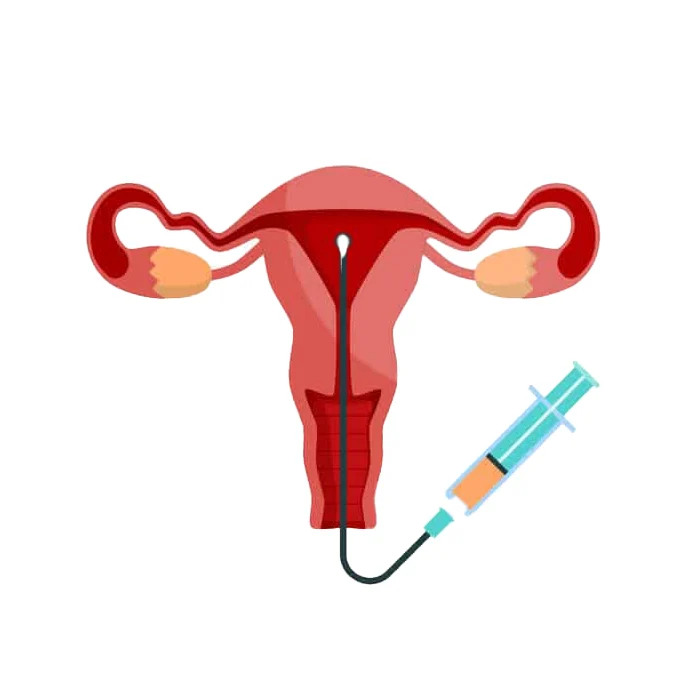
IUI is a procedure in which sperm is directly inserted into the uterus during ovulation, while IVF involves fertilizing eggs with sperm in a laboratory and then implanting the fertilized embryo into the uterus. Fertility drugs, on the other hand, are medications that help stimulate ovulation or increase the chances of conception.
Emotional Impact of Fertility Treatment:
The emotional impact of fertility treatment can vary greatly depending on the type of treatment, the success rate, and the individual’s personal experiences. However, there are some common emotional challenges that many couples face during their fertility journey.
1. Stress and Anxiety:
The process of fertility treatment can be physically and emotionally demanding. From undergoing invasive procedures to constantly monitoring ovulation and hormone levels, it can be a stressful and anxiety-inducing experience for many couples.
The fear of failure and the uncertainty of whether the treatment will be successful can also contribute to high levels of stress and anxiety. This can take a toll on the mental and emotional well-being of both partners and can strain their relationship.
2. Grief and Loss:
Fertility treatment can also be a rollercoaster of emotions. Every month, there is hope for a positive pregnancy test, but when it doesn’t happen, it can be devastating for couples. The constant disappointment and feeling of loss can lead to feelings of grief and sadness.
Moreover, if a couple has to go through multiple failed attempts, it can be a constant cycle of hope and disappointment, making it difficult to cope with the emotional toll.
3. Strain on Relationships:
Fertility treatment can also put a strain on relationships. The stress, anxiety, and emotional turmoil can lead to conflicts and misunderstandings between partners. The added pressure to conceive and the financial burden of fertility treatment can also take a toll on a couple’s relationship.
The Emotional Impact of Fertility Treatment: A Comparison
It is important for couples to communicate openly and support each other during this challenging time. Seeking counseling or therapy can also help them navigate their emotions and strengthen their relationship.
4. Isolation and Shame:
Many couples going through fertility treatment may feel isolated and ashamed. With societal pressure and expectations to start a family, infertility can make individuals feel like they have failed or are not fulfilling their role as a man or woman.
This can lead to feelings of shame and guilt, causing individuals to withdraw from social situations and isolate themselves. It is crucial for couples to have a strong support system of friends and family who can provide emotional support and understanding throughout their fertility journey.
Comparison of Emotional Impact:
While the emotional impact of fertility treatment can be challenging for all couples, there are some differences in how different types of treatment affect individuals.
1. IUI vs. IVF:
As IUI is a less invasive procedure compared to IVF, couples undergoing IUI may experience less stress and anxiety. However, the success rates for IUI are lower compared to IVF, which can lead to more disappointment and grief if the treatment is not successful.
On the other hand, IVF involves more intensive procedures and medications, leading to higher levels of stress and anxiety. However, the higher success rates of IVF can provide couples with a sense of hope and positivity.
2. Natural Conception vs. Fertility Drugs:
For couples using fertility drugs to conceive, the constant monitoring and hormonal changes can cause mood swings and emotional upheaval. However, they may also feel a sense of control over the process and hope for a successful pregnancy.
On the other hand, couples who conceive naturally may still experience the emotional challenges of trying to conceive, but they may feel less pressure and stress as there are no treatments or procedures involved.
Conclusion:
Fertility treatment can be a physically and emotionally challenging journey for couples. The stress, anxiety, grief, and strain on relationships can take a toll on individuals, but by acknowledging and addressing these emotions, couples can better cope with the emotional impact of fertility treatment.
It is important for couples to have open communication, seek support from friends and family, and consider therapy if needed. Each type of fertility treatment may have its own unique emotional impact, and it is important for couples to be aware of these differences and support each other through the journey.
Summary:
Fertility treatment can be emotionally challenging for couples, and the emotional impact may vary depending on the type of treatment. The most common types of fertility treatment include IUI, IVF, and fertility drugs. The emotional impact of fertility treatment can include stress, anxiety, grief, strain on relationships, isolation, and shame. There are also differences in the emotional impact of different types of treatment, such as IUI vs. IVF and natural conception vs. fertility drugs. It is crucial for couples to communicate, seek support, and address their emotions during their fertility journey.