Understanding Ovulation: How Fertility Drugs and Natural Methods Affect It
Ovulation is a crucial process in a woman’s reproductive cycle. It is the release of an egg from the ovary, which then travels down the fallopian tube, ready for fertilization. Ovulation typically occurs once a month, and timing it correctly is essential for couples trying to conceive. However, many factors can affect ovulation, including fertility drugs and natural methods. In this blog post, we will dive deeper into understanding ovulation and how fertility drugs and natural methods can impact this process.
What is Ovulation?
Ovulation is a natural process that occurs in the female body, usually once a month. It is a crucial part of the menstrual cycle, which prepares the body for pregnancy. During ovulation, a mature egg is released from the ovary and travels down the fallopian tube, where it can be fertilized by sperm. If fertilization does not occur, the egg disintegrates, and the uterine lining sheds, resulting in menstruation.
Understanding the Ovulation Cycle
The ovulation cycle is divided into three phases: the follicular phase, ovulation phase, and luteal phase. The follicular phase begins on the first day of menstruation and lasts for approximately 14 days. During this phase, the body prepares for ovulation by releasing follicle-stimulating hormones (FSH) that stimulate the growth of follicles in the ovaries. These follicles contain eggs, and as they grow, they produce estrogen, which thickens the uterine lining.
The ovulation phase occurs around day 14 of the menstrual cycle, but it can vary from woman to woman. During this phase, the surge of luteinizing hormone (LH) causes the most dominant follicle to release an egg. This egg then travels down the fallopian tube, ready for fertilization.
The luteal phase starts after ovulation and lasts for about 14 days. During this phase, the remaining follicle turns into the corpus luteum, which produces progesterone. Progesterone helps thicken the uterine lining, making it ready to receive a fertilized egg. If fertilization does not occur, the corpus luteum breaks down, and the levels of estrogen and progesterone drop, resulting in menstruation.
Fertility Drugs and Ovulation
Fertility drugs are medications that stimulate ovulation and increase the chances of getting pregnant. These drugs are often used to treat infertility in women who have ovulation disorders. One of the most commonly used fertility drugs is Clomid, which works by stimulating the production of FSH and LH, which in turn, triggers ovulation.
Other fertility drugs, such as gonadotropins, are injected directly into the body and work by stimulating the ovaries to produce multiple eggs. This increases the chances of fertilization and pregnancy. However, these medications can have side effects such as bloating, mood swings, and multiple pregnancies.
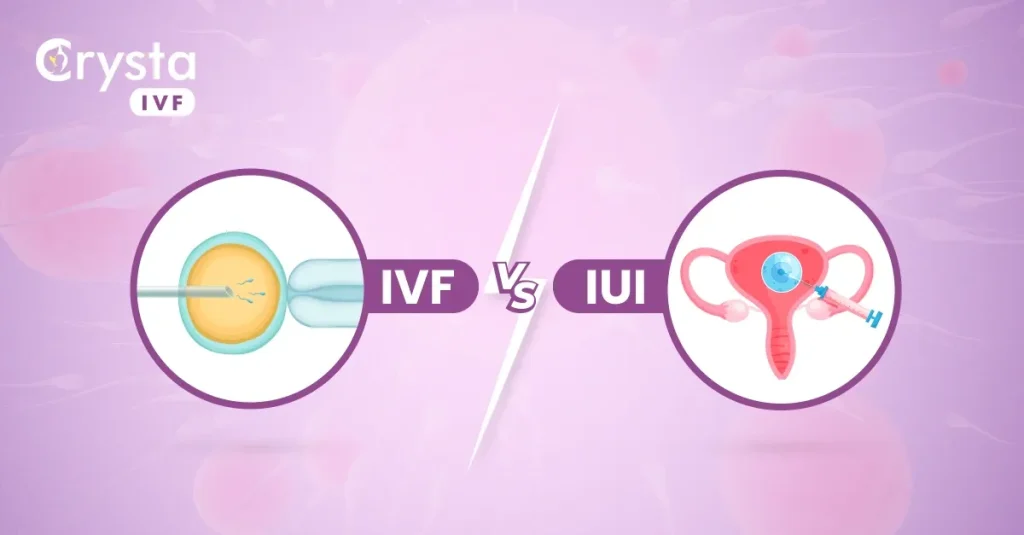
Understanding Ovulation: How Fertility Drugs and Natural Methods Affect It
It is crucial to consult a doctor before taking any fertility drugs as they can have varying effects on each individual and may not be suitable for everyone.
Natural Methods to Support Ovulation
There are also natural methods that can help support ovulation, such as tracking your menstrual cycle, maintaining a healthy weight, and managing stress levels.
Tracking your menstrual cycle can help you identify your fertile window, which is the best time to try to conceive. This usually occurs around ovulation, and having intercourse during this time increases the chances of getting pregnant.
Maintaining a healthy weight is also vital for ovulation. Being underweight or overweight can affect hormone levels and disrupt ovulation. It is recommended to have a body mass index (BMI) between 19 and 25 for optimal ovulation.
Stress can also impact ovulation as it can disrupt the hormone production that triggers ovulation. Finding ways to manage stress, such as exercising, meditating, or talking to a therapist, can help support ovulation.
Understanding the Impact of Fertility Drugs and Natural Methods on Ovulation
Fertility drugs and natural methods can affect ovulation in different ways. While fertility drugs directly stimulate ovulation, natural methods support the body’s natural processes, making it more conducive to ovulation.
However, it is essential to keep in mind that fertility drugs and natural methods do not guarantee pregnancy. The success of these methods depends on various factors, such as age, overall health, and underlying fertility issues.
Summary:
Ovulation is a natural process that occurs once a month in a woman’s body, preparing it for pregnancy. Understanding the ovulation cycle and its phases is crucial for couples trying to conceive. Fertility drugs, such as Clomid and gonadotropins, can help stimulate ovulation, while natural methods like tracking your menstrual cycle, maintaining a healthy weight, and managing stress levels can support ovulation. It is crucial to consult a doctor before taking any fertility drugs and to keep in mind that these methods do not guarantee pregnancy.