Author: mutony

  • Fertility Tracking Devices: Are They the Future of Reproductive Health?

    Blog Post: Fertility Tracking Devices: Are They the Future of Reproductive Health?

    In recent years, there has been a growing interest in fertility tracking devices as a means of monitoring and improving reproductive health. These devices, which range from simple apps to high-tech wearable gadgets, claim to help individuals track their menstrual cycle, ovulation, and overall fertility. But are they really the future of reproductive health? In this blog post, we will take a closer look at fertility tracking devices and their potential impact on the future of reproductive health.

    Understanding Fertility Tracking Devices

    Fertility tracking devices come in various forms, from basic menstrual tracking apps to more advanced devices that use sensors and algorithms to analyze fertility data. Some popular examples of fertility tracking devices include Ava Bracelet, OvuSense, and Natural Cycles. These devices are designed to help individuals track their menstrual cycle, identify their most fertile days, and even predict ovulation. They often use a combination of methods, such as tracking body temperature, hormone levels, and other physiological changes, to provide accurate and personalized fertility data.

    The Potential Benefits of Fertility Tracking Devices

    One of the main benefits of fertility tracking devices is their ability to provide individuals with a better understanding of their reproductive health. By tracking their menstrual cycle and ovulation, individuals can gain insight into their fertility and plan accordingly. This can be especially helpful for those trying to conceive, as it can increase the chances of getting pregnant by timing intercourse during the most fertile days. Fertility tracking devices can also be useful for those trying to avoid pregnancy, as they can help individuals identify when they are most likely to be fertile and avoid unprotected sex during those times.

    Moreover, fertility tracking devices can also provide valuable information for those struggling with infertility. By tracking their menstrual cycle and identifying any irregularities or potential issues, individuals can seek medical help sooner and potentially increase their chances of conception. Additionally, these devices can help individuals with conditions such as PCOS (polycystic ovary syndrome) or endometriosis to better understand their cycle and manage their symptoms.

    The Drawbacks of Fertility Tracking Devices
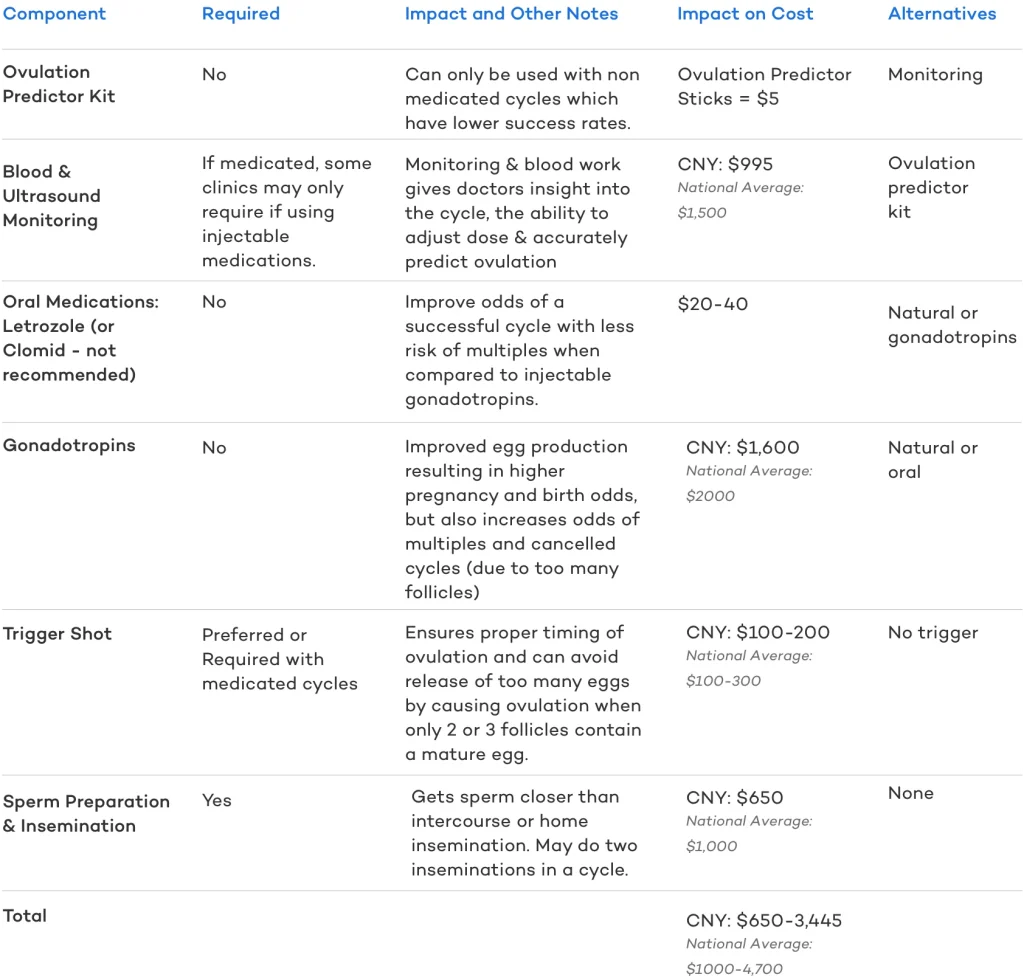
    Cost breakdown for IUI components, including requirements, impacts, and alternatives.

    Fertility Tracking Devices: Are They the Future of Reproductive Health?

    While fertility tracking devices have their benefits, they also have some drawbacks that should be considered. One of the main concerns is the accuracy of these devices. While some studies have shown that certain fertility tracking devices can be highly accurate, others have found significant discrepancies between the data provided by these devices and actual ovulation. This can lead to individuals relying solely on the data provided by these devices and potentially missing their fertile window, which can be frustrating for those trying to conceive.

    Another concern is the emotional toll that fertility tracking devices can have on individuals. For those trying to conceive, constantly tracking and analyzing their fertility data can become overwhelming and add stress to an already sensitive process. Additionally, for individuals struggling with infertility, relying on these devices can create unrealistic expectations and lead to disappointment if conception does not occur as expected.

    The Future of Fertility Tracking Devices

    Despite their limitations, it is clear that fertility tracking devices have the potential to play a significant role in the future of reproductive health. With advancements in technology and data analysis, these devices are becoming more accurate and personalized, making them a valuable tool for individuals looking to monitor their fertility. Moreover, as more people become aware of the importance of reproductive health, the demand for fertility tracking devices is likely to increase.

    However, it is important to note that fertility tracking devices should not be seen as a replacement for medical advice or contraception. These devices can provide valuable information, but they should be used in conjunction with other methods of birth control and under the guidance of a healthcare professional.

    In conclusion, fertility tracking devices have the potential to revolutionize the way we approach reproductive health. They can provide individuals with valuable information about their fertility and aid in family planning. However, it is essential to understand their limitations and use them as a tool rather than a definitive source of information. As technology continues to advance, we can expect to see even more sophisticated fertility tracking devices in the future, but it is crucial to remember that the most important aspect of reproductive health is seeking medical advice and taking care of our overall well-being.

    Summary:

    Fertility tracking devices, ranging from simple apps to high-tech wearable gadgets, are becoming increasingly popular as a means of monitoring and improving reproductive health. They use a combination of methods to track menstrual cycles, ovulation, and fertility, providing individuals with personalized data. These devices have the potential to benefit those trying to conceive, struggling with infertility, and managing conditions such as PCOS. However, they also have limitations, including accuracy concerns and potential emotional tolls. Despite these drawbacks, fertility tracking devices are likely to play a significant role in the future of reproductive health, but should be used in conjunction with medical advice and other forms of contraception.

  • The User Experience: How Fertility Tracking Devices and Traditional Methods Differ

    The User Experience: How Fertility Tracking Devices and Traditional Methods Differ

    The process of tracking fertility has long been a vital aspect of women’s health and family planning. From traditional methods such as monitoring basal body temperature and cervical mucus to more modern approaches like fertility tracking devices, there are various options available for women to track their ovulation and increase their chances of getting pregnant. In this blog post, we will explore the user experience of both fertility tracking devices and traditional methods, and compare how they differ in terms of effectiveness, convenience, and overall user experience.

    Effectiveness
    When it comes to tracking fertility, the most important factor is its effectiveness. Traditional methods, such as tracking basal body temperature and cervical mucus, have been used for centuries and have been proven to be effective in determining the most fertile days of a woman’s menstrual cycle. These methods rely on observing changes in the body’s natural patterns and can be done without any special equipment.

    On the other hand, fertility tracking devices use more advanced technology to track fertility. They often come with a mobile app that uses algorithms to predict ovulation based on data input such as basal body temperature, cervical mucus, and menstrual cycle length. This data is then analyzed to provide a more accurate prediction of the fertile window. While fertility tracking devices are generally considered to be more accurate than traditional methods, there is still a margin of error and they may not work for all women, especially those with irregular cycles.

    Convenience
    One of the main advantages of fertility tracking devices is their convenience. They are often small and discreet, making them easy to carry around and use on-the-go. They also come with mobile apps that make it easy for women to input data and track their cycles. This can be especially helpful for busy women who may not have the time or patience to track their fertility using traditional methods.

    On the other hand, traditional methods can be more time-consuming and require a certain level of commitment. For example, tracking basal body temperature requires taking your temperature at the same time every day, while monitoring cervical mucus may involve daily observations and recording. This can be a challenge for women with busy schedules or those who may forget to track consistently. Additionally, traditional methods may not be as discreet as fertility tracking devices, making it difficult for women to track their fertility in public settings.

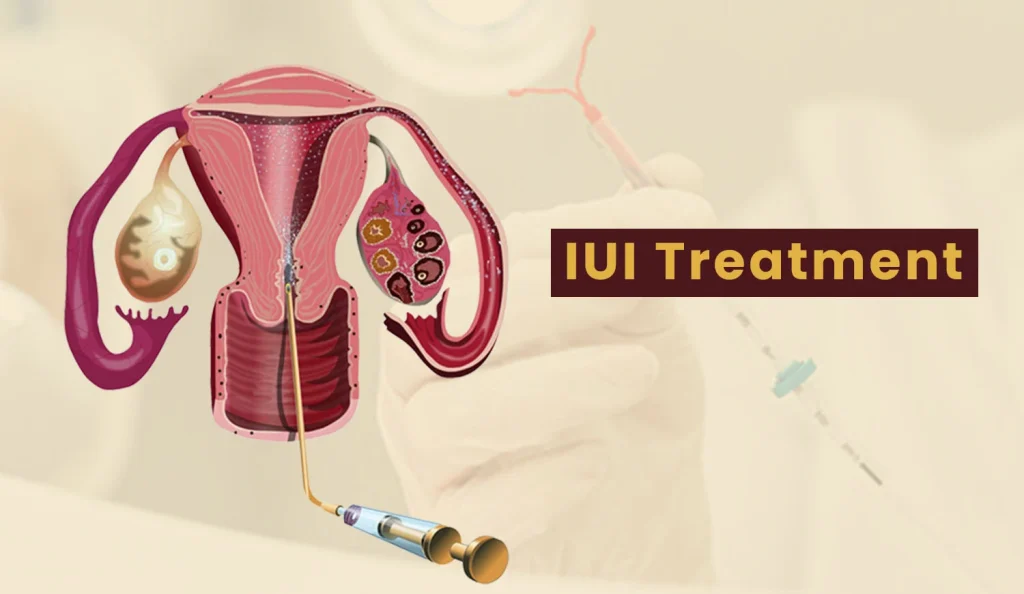
    illustration of the uterus and ovaries with a syringe, labeled "IUI Treatment" in the background

    The User Experience: How Fertility Tracking Devices and Traditional Methods Differ

    User-Friendliness
    Fertility tracking devices have become increasingly user-friendly over the years. Many come with simple and intuitive interfaces, making it easy for women to input data and understand the information provided by the device. In addition, the mobile apps that accompany these devices often have features such as educational resources and reminders, making it easier for women to stay on track with their fertility tracking.

    On the other hand, traditional methods rely on a woman’s knowledge and understanding of her own body. This may require some research and education on fertility tracking methods, which can be overwhelming for some women. Furthermore, traditional methods may not provide as much information and guidance as fertility tracking devices, which can be frustrating for women who are new to tracking their fertility.

    Cost
    Cost is another important factor to consider when comparing fertility tracking devices and traditional methods. Traditional methods, such as tracking basal body temperature and cervical mucus, are relatively inexpensive as they only require basic supplies such as a thermometer and charting materials. However, these methods may not be as accurate as fertility tracking devices, which can lead to longer periods of trying to conceive and potentially more expenses in the long run.

    Fertility tracking devices, on the other hand, can be more expensive upfront. They often require an initial investment and may also come with additional costs such as purchasing replacement sensors or subscribing to premium features in the accompanying mobile app. However, for women who are struggling with fertility or have irregular cycles, the cost may be worth it for the increased accuracy and convenience.

    In conclusion, both fertility tracking devices and traditional methods have their own unique pros and cons. While traditional methods have been used for centuries and can be effective for some women, fertility tracking devices offer a more modern and convenient approach to tracking fertility. Ultimately, the best option will depend on the individual’s needs and preferences, and it may be helpful to consult with a healthcare provider to determine the best method for tracking fertility.

    Summary:

    Fertility tracking is an important aspect of women’s health and family planning. There are traditional methods such as tracking basal body temperature and cervical mucus, as well as more modern approaches like fertility tracking devices. The effectiveness, convenience, user-friendliness, and cost of both options differ. Traditional methods rely on natural observations and are generally less expensive, but can be time-consuming and require commitment. Fertility tracking devices use technology and come with mobile apps, making them more convenient and user-friendly, but can be more expensive. Ultimately, the best option will depend on the individual’s needs and preferences, and consultation with a healthcare provider may be helpful.

  • Revolutionizing Fertility: The Impact of Devices on Traditional Tracking Methods

    Blog Post:

    Revolutionizing Fertility: The Impact of Devices on Traditional Tracking Methods

    Fertility is a topic that has been widely discussed and sought after for centuries. From ancient times to modern science, humans have always been fascinated by the idea of conceiving and bringing new life into the world. However, the road to fertility has not always been easy, and traditional methods of tracking and predicting fertility have had their limitations. But with the advancement of technology, a new era has begun in fertility tracking – one that is revolutionizing the way we approach and understand fertility. In this blog post, we will explore the impact of devices on traditional tracking methods and how they are changing the game for couples trying to conceive.

    Traditional Tracking Methods

    For many years, women have relied on traditional methods such as tracking their menstrual cycles, monitoring their basal body temperature, and checking for cervical mucus changes to determine their fertile window. However, these methods have their drawbacks. They require a lot of time and effort, and the accuracy can be affected by factors such as stress, illness, and irregular cycles. Additionally, these methods do not provide real-time data and can only give a general idea of the fertile window, making it challenging for couples to time intercourse accurately.

    The Rise of Fertility Tracking Devices

    As technology continues to advance, there has been a significant increase in the development of fertility tracking devices. These devices use cutting-edge technology and algorithms to track and analyze fertility data, providing a more accurate and comprehensive picture of a woman’s menstrual cycle. They also eliminate the need for manual tracking, making the process more convenient and less time-consuming.

    One such device is the fertility tracker, which uses a combination of sensors, algorithms, and artificial intelligence to track multiple fertility indicators. These devices can measure and analyze data such as basal body temperature, heart rate, and cervical mucus changes, providing women with a more precise understanding of their fertility window. They can also sync with smartphones, making it easier for women to track their data and receive personalized insights and predictions.

    test tube with sperm in blue liquid, promoting IUI success rate and factors influencing fertility.

    Revolutionizing Fertility: The Impact of Devices on Traditional Tracking Methods

    Another popular device is the ovulation predictor kit (OPK), which measures the levels of luteinizing hormone (LH) in urine to predict ovulation. While traditional OPKs only provide a simple yes or no answer, advanced OPKs now offer a digital display of the LH levels, providing women with a more comprehensive understanding of their fertility and ovulation.

    The Impact of Devices on Traditional Tracking Methods

    The introduction of fertility tracking devices has had a significant impact on traditional tracking methods. These devices have bridged the gap between manual tracking and modern technology, making it easier for women to understand their fertility and take control of their reproductive health. They provide real-time data and accurate predictions, taking the guesswork out of traditional methods and making them more reliable.

    Additionally, these devices can detect subtle changes in fertility indicators that may have gone unnoticed with traditional methods. This information can be crucial for couples struggling with infertility, as it can help identify the root cause and provide solutions. Fertility tracking devices can also be beneficial for women with irregular cycles or conditions such as polycystic ovary syndrome (PCOS), where traditional methods may not be as accurate.

    Furthermore, these devices are not just limited to fertility tracking. They can also provide valuable insights for women who are trying to avoid pregnancy or are simply interested in understanding their menstrual cycles better. They can alert women to potential health issues, such as hormonal imbalances or thyroid problems, that may affect their fertility.

    In conclusion, fertility tracking devices have revolutionized the way we approach and understand fertility. They have made it easier for women to track their cycles and have provided a more accurate and comprehensive picture of their fertility. With the advancements in technology, we can only expect these devices to become even more advanced and offer more benefits in the future.

    Summary:

    Fertility tracking has come a long way from traditional methods such as tracking menstrual cycles and basal body temperature. With the rise of fertility tracking devices, women now have access to more accurate and comprehensive data to understand their fertility. These devices use cutting-edge technology and algorithms to track multiple fertility indicators, providing real-time data and eliminating the need for manual tracking. They have bridged the gap between traditional methods and modern technology, making it easier for women to understand and take control of their reproductive health. These devices have also had a significant impact on identifying and addressing fertility issues, making them a game-changer for couples trying to conceive.

  • Going High-Tech: Advantages and Disadvantages of Fertility Tracking Devices

    Blog Post: Going High-Tech: Advantages and Disadvantages of Fertility Tracking Devices

    In recent years, there has been a rise in the popularity of fertility tracking devices. These high-tech gadgets promise to help women track their menstrual cycles and increase their chances of getting pregnant. With the advancement of technology, these devices have become more accessible and user-friendly, leading many women to turn to them for help with their fertility journey. But like any other technology, these devices come with both advantages and disadvantages. In this blog post, we will explore the benefits and drawbacks of fertility tracking devices and help you decide if they are the right choice for you.

    Advantages of Fertility Tracking Devices:

    1. Accurate Tracking of Menstrual Cycles:

    Fertility tracking devices use advanced technology to accurately track a woman’s menstrual cycle. They can detect subtle changes in body temperature, hormone levels, and other factors that can affect fertility. This information is then used to predict ovulation and determine the most fertile days of the month. This level of accuracy can be especially useful for women with irregular cycles or those who are trying to conceive.

    2. Increased Chances of Conceiving:

    One of the main advantages of fertility tracking devices is that they can increase the chances of conceiving. By accurately predicting ovulation, these devices can help couples time intercourse during the most fertile days of the month, increasing the chances of sperm meeting the egg. This can be particularly helpful for couples who have been struggling with infertility and are looking for a natural way to boost their chances of getting pregnant.

    3. User-Friendly and Convenient:

    Fertility tracking devices are designed to be user-friendly and convenient. They come in various forms, including wearable devices, apps, and fertility monitors. These devices are easy to use and require minimal effort from the user. They also provide real-time data, making it easier for women to track their cycles and make informed decisions about their fertility.

    4. Provides Valuable Insights:

    Apart from predicting ovulation and fertile days, fertility tracking devices also provide valuable insights into a woman’s reproductive health. By tracking various parameters, such as basal body temperature, cervical mucus, and hormone levels, these devices can help identify any underlying issues that may be affecting fertility. This information can be shared with a doctor, making it easier to diagnose and treat any fertility problems.

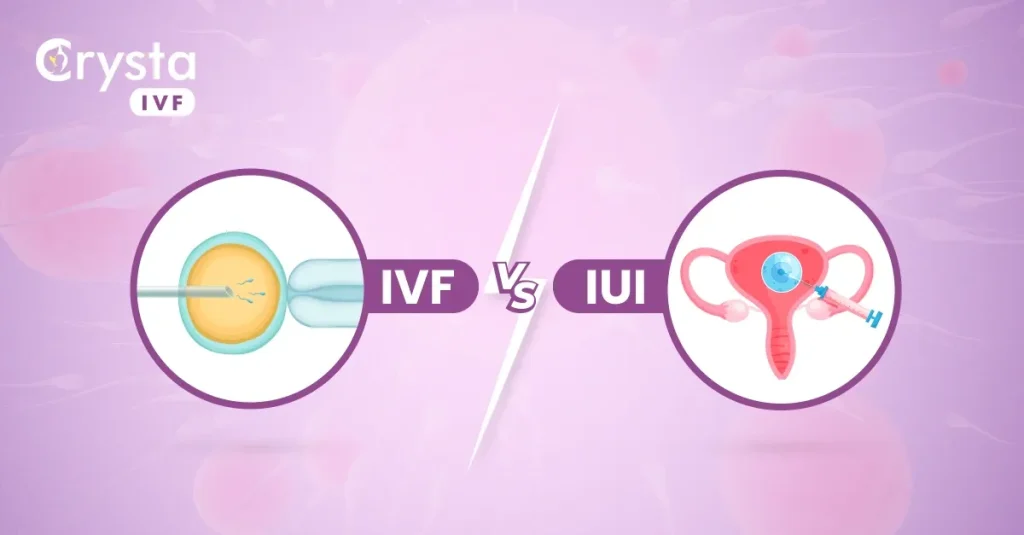
    Comparison of IVF and IUI procedures with illustrations of each method.

    Going High-Tech: Advantages and Disadvantages of Fertility Tracking Devices

    Disadvantages of Fertility Tracking Devices:

    1. High Cost:

    One of the main drawbacks of fertility tracking devices is their high cost. These devices can range from a few hundred dollars to thousands of dollars, depending on the brand and features. For couples who are already struggling with infertility, this added expense can be a burden. Moreover, some devices may require additional purchases, such as test strips or subscriptions, which can further increase the cost.

    2. Not 100% Accurate:

    While fertility tracking devices claim to be highly accurate, they are not 100% foolproof. Many factors, such as stress, illness, and medication, can affect a woman’s menstrual cycle, making it challenging to predict ovulation accurately. Additionally, not all women have a regular cycle, which can further impact the accuracy of these devices. Therefore, they should not be relied upon as the only means of contraception or family planning.

    3. May Cause Unnecessary Stress:

    For some women, using a fertility tracking device can cause unnecessary stress and anxiety. Constantly monitoring and analyzing data can be overwhelming, particularly for those who are struggling with infertility. Moreover, if a device predicts ovulation, and conception does not occur, it can lead to disappointment and further emotional distress. It is essential to use these devices with caution and not let them consume one’s life entirely.

    4. Limited for Certain Groups:

    Fertility tracking devices may not be suitable for everyone. Women with irregular cycles, breastfeeding mothers, and those going through perimenopause may not get accurate results from these devices. Additionally, some women may find it challenging to use these devices correctly, which can further limit their effectiveness.

    Summary:

    Fertility tracking devices use advanced technology to accurately track a woman’s menstrual cycle and predict ovulation. They can increase the chances of conceiving, provide valuable insights into reproductive health, and are user-friendly and convenient. However, they come with a high cost, may not be 100% accurate, can cause unnecessary stress, and are limited for certain groups. It is essential to weigh these advantages and disadvantages carefully before deciding if fertility tracking devices are the right choice for you.

    In conclusion, fertility tracking devices can be a helpful tool for couples trying to conceive. They offer a convenient and user-friendly way to track cycles and increase the chances of getting pregnant. However, they are not a guarantee for conception, and it is essential to use them with caution and not rely on them entirely. Consult with a doctor for personalized advice and consider all options before making a decision.

  • Fertility Tracking Devices: A Modern Solution to Traditional Problems

    Title: Fertility Tracking Devices: A Modern Solution to Traditional Problems

    Word Count: 2000

    Summary: Fertility tracking devices have become increasingly popular in recent years as a modern solution to traditional fertility problems. These devices offer women a convenient and accurate way to track their menstrual cycles, ovulation, and overall fertility. In this blog post, we will explore the various types of fertility tracking devices available on the market, their effectiveness, and how they can benefit women in their journey towards conception.

    Introduction:

    For many years, women have been using traditional methods such as charting basal body temperature, monitoring cervical mucus, and tracking menstrual cycles to determine their most fertile days. While these methods can be effective, they require a lot of time and effort. With the advancement of technology, fertility tracking devices have emerged as a more convenient and accurate alternative.

    Types of Fertility Tracking Devices:

    1. Ovulation Predictor Kits (OPKs):

    OPKs are urine-based tests that detect the presence of luteinizing hormone (LH) in a woman’s urine. LH is an important hormone that surges right before ovulation, indicating the release of an egg. OPKs are easy to use and can accurately predict ovulation within 24-48 hours.

    2. Basal Body Temperature (BBT) Monitors:

    BBT monitors track a woman’s body temperature throughout her cycle. A slight increase in temperature after ovulation indicates that ovulation has occurred. BBT monitors are best used in combination with other fertility tracking methods.

    3. Fertility Tracking Apps:

    With the rise of smartphones, fertility tracking apps have become increasingly popular. These apps allow women to track their menstrual cycles, ovulation, and symptoms such as mood changes and cervical mucus. Many apps also offer additional features such as ovulation predictions and fertility advice.

    4. Wearable Devices:

    Comparison of IVF and IUI procedures with illustrations of each method.

    Fertility Tracking Devices: A Modern Solution to Traditional Problems

    Wearable fertility tracking devices, such as the Ava bracelet, are worn on the wrist and track various parameters such as skin temperature, heart rate, and breathing rate. These devices use advanced algorithms to predict a woman’s fertile window and are especially beneficial for women with irregular cycles.

    Effectiveness of Fertility Tracking Devices:

    Studies have shown that fertility tracking devices are highly effective in predicting ovulation and identifying a woman’s fertile window. A study published in the journal Contraception found that ovulation predictor kits were 97% accurate in predicting ovulation. Another study by the National Center for Biotechnology Information showed that fertility tracking apps were 87% effective in identifying the fertile window.

    Benefits of Fertility Tracking Devices:

    1. Convenience:

    Fertility tracking devices offer women a convenient way to track their cycles and ovulation. Unlike traditional methods, these devices require minimal effort and provide accurate results.

    2. Increased Accuracy:

    As mentioned earlier, fertility tracking devices are highly accurate in predicting ovulation and identifying the fertile window. This is especially beneficial for women with irregular cycles or those trying to conceive.

    3. Better Understanding of One’s Body:

    Using a fertility tracking device can help women gain a better understanding of their menstrual cycles, ovulation, and overall fertility. This knowledge can also be useful for identifying any potential fertility issues and seeking timely medical help.

    4. Cost-Effective:

    While some fertility tracking devices may have an initial cost, they are generally more cost-effective in the long run compared to traditional methods. For example, ovulation predictor kits can be used for multiple cycles, while traditional methods may require constant purchasing of supplies.

    Conclusion:

    Fertility tracking devices have revolutionized the way women track their fertility. These modern solutions offer convenience, accuracy, and a better understanding of one’s body. With the increasing popularity and effectiveness of these devices, they have become an essential tool for women who are trying to conceive or simply want to track their cycles. Whether it’s through OPKs, BBT monitors, fertility tracking apps, or wearable devices, these tools have made the journey towards conception easier and more efficient.

  • The Cost of Conception: Comparing Prices of Fertility Tracking Devices and Traditional Methods

    In today’s world, many couples are choosing to delay starting a family for various reasons such as career goals, financial stability, or personal preferences. However, when the time comes to conceive, many couples may face challenges and obstacles that they did not anticipate. This can lead to frustration, stress, and even financial strain. One factor that can greatly impact the cost of conception is the method used for fertility tracking. In this blog post, we will compare the prices of fertility tracking devices and traditional methods to understand the cost of conception.

    Fertility tracking is the process of monitoring a woman’s fertility to determine the most fertile days for conception. This is crucial for couples trying to conceive, as it can increase their chances of getting pregnant. Traditional methods of fertility tracking include tracking menstrual cycles, monitoring basal body temperature, and checking cervical mucus. These methods require a lot of patience, time, and consistency. On the other hand, fertility tracking devices use advanced technology to make the process easier and more accurate. Let’s take a closer look at the cost of using these methods.

    Traditional methods of fertility tracking do not require any financial investment. However, they do require commitment and consistency, which can be a challenge for many couples. Tracking menstrual cycles requires keeping track of the length of each cycle and calculating the fertile days. This can be time-consuming and prone to errors. Monitoring basal body temperature involves taking your temperature every morning before getting out of bed and charting it to detect the slight temperature increase that occurs during ovulation. This method can be affected by factors such as illness, stress, and lack of sleep, making it less reliable. Checking cervical mucus involves observing changes in the texture and appearance of vaginal discharge to determine fertility. This can be difficult for some women to track accurately.

    On the other hand, fertility tracking devices offer a more convenient and precise way of tracking fertility. These devices use advanced technology to track key fertility indicators such as hormone levels, temperature, and cervical mucus. They come in various forms such as wearable bracelets, ovulation prediction kits, and smartphone apps. While fertility tracking devices require an upfront cost, they can save couples time and effort in the long run. The prices of these devices can range from $50 to $200, depending on the brand and features.

    One popular fertility tracking device is the Ava bracelet, which costs $299. The bracelet tracks multiple fertility indicators, including skin temperature, heart rate, and breathing rate, to determine the fertile window. Another popular device is the Clearblue Advanced Digital Ovulation Test, which costs $40 for a pack of 20 tests. This device uses urine samples to detect the surge in luteinizing hormone (LH) that occurs before ovulation. The fertility tracking app Fertility Friend is another popular option, with a basic version available for free and a premium version for $45 per year. The app uses data inputted by the user, such as basal body temperature and menstrual cycle length, to predict ovulation and fertile days.

    illustration of a uterus with a syringe, representing intrauterine insemination procedure

    The Cost of Conception: Comparing Prices of Fertility Tracking Devices and Traditional Methods

    While fertility tracking devices may seem like a more expensive option, they can actually save couples money in the long run. By accurately predicting ovulation and fertile days, these devices can increase the chances of conception, reducing the need for expensive fertility treatments. According to a study published in the journal Obstetrics & Gynecology, using fertility tracking devices can increase the chances of conception by up to 89%. This can save couples thousands of dollars that would otherwise be spent on fertility treatments.

    In addition to the cost of the device itself, couples also need to consider the cost of replacements or additional features. For example, some fertility tracking devices require monthly subscriptions for access to advanced features such as personalized coaching or data analysis. The cost of additional features can range from $5 to $50 per month. Replacement parts such as test strips for ovulation prediction kits or batteries for wearable devices also add to the overall cost.

    While traditional methods of fertility tracking may seem more cost-effective, the time and effort required may make them less desirable for some couples. Fertility tracking devices offer a more convenient and precise way of tracking fertility, which can save couples time, effort, and money in the long run. However, it is important to consider the individual needs and preferences of each couple when deciding which method to use.

    In conclusion, the cost of conception can be greatly impacted by the method used for fertility tracking. Traditional methods may seem more cost-effective, but they require a lot of effort and consistency. On the other hand, fertility tracking devices offer a more convenient and precise way of tracking fertility, but they come with an upfront cost. It is important for couples to weigh their options and choose the method that best suits their needs and budget.

    SEO metadata:

  • A Closer Look at Fertility Tracking Devices: Do They Really Work?

    Title: A Closer Look at Fertility Tracking Devices: Do They Really Work?

    Fertility is a topic that has gained increased attention in recent years, as more and more people are exploring alternative methods for tracking their fertility and planning or preventing pregnancies. With the rise of technology, there has been an influx of fertility tracking devices on the market, claiming to accurately predict a woman’s fertile window and help couples conceive or avoid pregnancy. But how effective are these devices? Do they really work?

    In this blog post, we will take a closer look at fertility tracking devices, their methods, and their claims to determine if they are truly reliable and effective.

    Understanding Fertility Tracking Devices

    Fertility tracking devices come in various forms, including wearable devices, apps, and at-home kits. These devices use different methods to track a woman’s menstrual cycle and determine her fertile window, which is the time when she is most likely to conceive.

    Some devices use basal body temperature (BBT) tracking, where the user takes their temperature every morning and records it to track hormonal changes throughout their cycle. Others use urine-based tests to detect luteinizing hormone (LH) levels, which indicate ovulation is about to occur. Some devices combine these methods with additional data, such as cervical mucus consistency or period tracking, to provide a more comprehensive picture of a woman’s fertility.

    The Effectiveness of Fertility Tracking Devices

    The accuracy and effectiveness of fertility tracking devices can vary greatly depending on the method used and the quality of the device. Let’s take a closer look at some of the most popular fertility tracking devices and their success rates.

    1. Basal Body Temperature (BBT) Tracking Devices

    BBT tracking devices, such as Ava, Tempdrop, and Daysy, use a wearable device to track a woman’s temperature throughout her cycle. These devices claim to be 90% effective in predicting ovulation, as changes in BBT can indicate when ovulation has occurred.

    However, BBT tracking devices may not be suitable for everyone. Factors such as illness, stress, and irregular sleep patterns can affect a woman’s basal body temperature, leading to inaccurate readings. Additionally, these devices may not provide enough advance notice of ovulation, making it difficult for couples to plan intercourse during the fertile window.

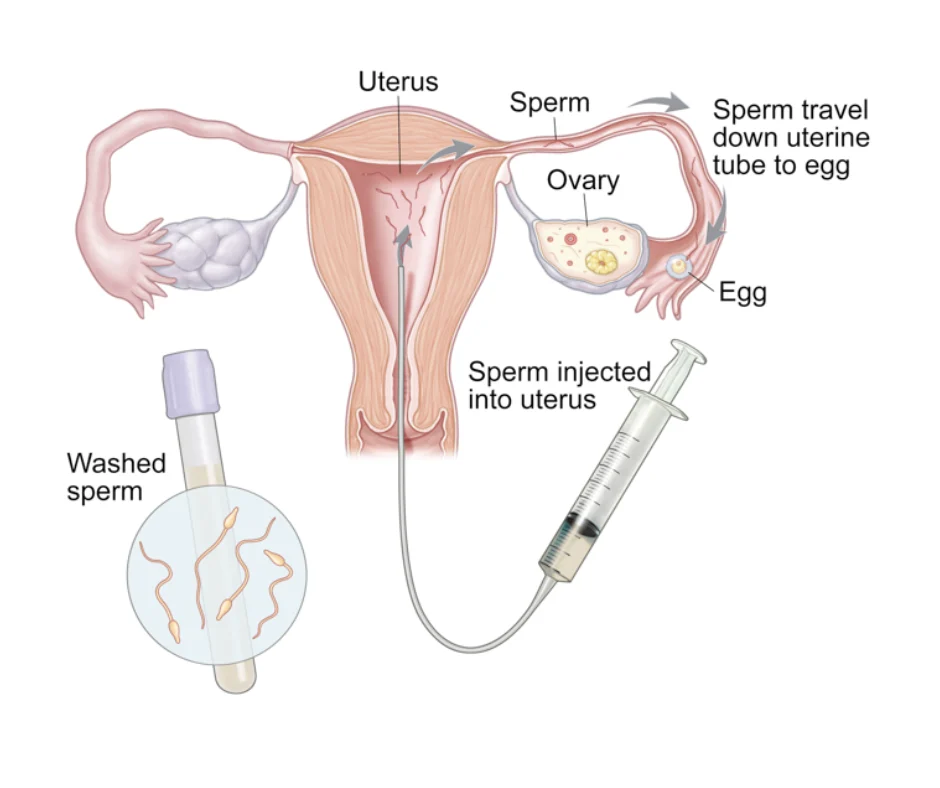
    diagram illustrating intrauterine insemination process, showing sperm injection into the uterus and egg fertilization pathway

    A Closer Look at Fertility Tracking Devices: Do They Really Work?

    2. Urine-Based LH Tracking Devices

    Urine-based LH tracking devices, such as Clearblue Fertility Monitor and OvaCue, use urine tests to detect the surge of LH that occurs before ovulation. These devices claim to be up to 99% accurate in predicting ovulation and are more convenient than BBT tracking as they do not require daily temperature readings.

    However, these devices may also have limitations. They can be expensive, with the need to purchase test strips regularly, and may not be suitable for women with irregular cycles or conditions that can affect LH levels, such as polycystic ovary syndrome (PCOS).

    3. Combination Devices

    Some fertility tracking devices, such as Kindara and Natural Cycles, use a combination of methods, including BBT tracking, LH testing, and other data inputs, to predict a woman’s fertile window. These devices claim to be over 95% effective in preventing pregnancy when used correctly.

    While these devices may provide a more comprehensive approach to tracking fertility, they still have limitations. They may not be suitable for women with highly irregular cycles, and some may require consistent use of additional fertility awareness methods, such as tracking cervical mucus, for accurate results.

    The Importance of Understanding Your Body

    While fertility tracking devices may be helpful in tracking your cycle and identifying your fertile window, they should not be relied upon as the sole method of contraception or conception. It is essential to understand your body and the various factors that can affect your fertility.

    Factors such as stress, diet, and underlying health conditions can all impact your menstrual cycle and fertility, and it is crucial to consider these factors when using a fertility tracking device. Additionally, these devices do not protect against sexually transmitted infections (STIs), so it is essential to use additional protection if you are not in a monogamous relationship.

    Conclusion

    Fertility tracking devices can be helpful tools for understanding your menstrual cycle and identifying your fertile window. However, they may not be 100% reliable and should not be used as the only method of contraception or conception. It is crucial to understand your body and the various factors that can affect your fertility to make informed decisions about your reproductive health.

    In summary, fertility tracking devices can be effective in predicting ovulation and helping couples conceive or avoid pregnancy. However, they may have limitations and should be used in conjunction with other methods of fertility awareness and protection. Understanding your body and its unique patterns is key to effectively using a fertility tracking device and making informed decisions about your reproductive health.

  • Navigating Fertility: Choosing Between Devices and Traditional Methods

    Navigating Fertility: Choosing Between Devices and Traditional Methods

    Fertility is a deeply personal topic for many individuals and couples. Whether someone is trying to conceive or trying to prevent pregnancy, the decision of which method to use can be overwhelming. With the advancement of technology, there are now a plethora of devices and traditional methods available to aid in fertility management. In this blog post, we will explore the different options for navigating fertility and help you determine which method may be the best fit for you.

    Traditional Methods

    Traditional methods of fertility management have been used for centuries and rely on tracking a person’s menstrual cycle to determine when they are most fertile. These methods include tracking basal body temperature, monitoring cervical mucus, and using the calendar method. While these methods are natural and free, they require diligence and accuracy in tracking and can be less effective for individuals with irregular cycles.

    Basal body temperature (BBT) tracking involves taking your temperature every morning before getting out of bed. This method relies on the fact that a person’s body temperature rises slightly after ovulation, indicating that they are fertile. While this method is easy to do, it can be affected by factors such as illness, lack of sleep, or alcohol consumption, which can alter body temperature.

    Cervical mucus monitoring involves tracking changes in the texture and consistency of cervical mucus throughout the menstrual cycle. As a person gets closer to ovulation, their cervical mucus becomes thinner and more stretchy, similar to egg whites. This method requires the person to check their mucus daily and can be affected by factors such as medications, sexual activity, and vaginal infections.

    The calendar method, also known as the rhythm method, involves tracking the length of a person’s menstrual cycle to determine when they are most likely to be fertile. This method relies on the assumption that ovulation occurs around day 14 of a typical 28-day cycle. However, this method can be unreliable for individuals with irregular periods or those who have recently stopped using hormonal birth control.

    Devices

    With the advancement of technology, there are now several devices available for tracking fertility. These devices use various methods, such as tracking hormones or monitoring body temperature, to determine a person’s fertile window.

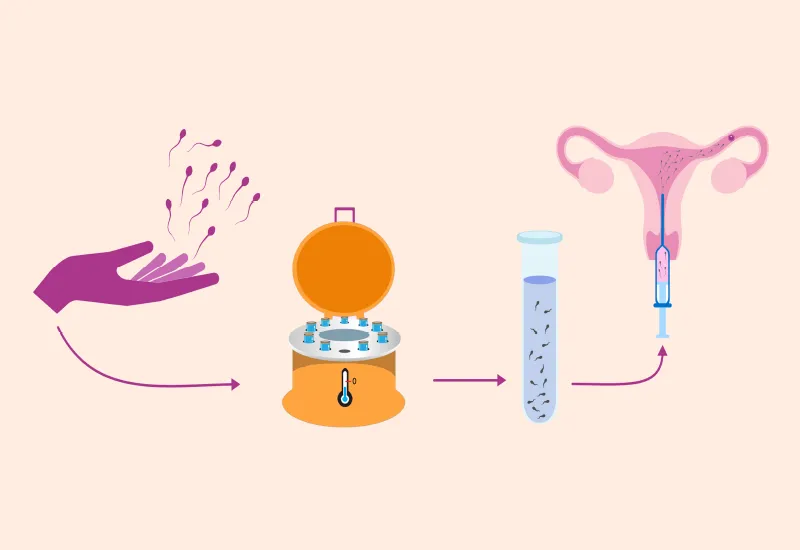
    illustration of the IUI process, showing sperm collection, preparation, and insertion into the uterus

    Navigating Fertility: Choosing Between Devices and Traditional Methods

    One popular device is the fertility tracker, which uses a combination of BBT tracking, cervical mucus monitoring, and calendar tracking to provide a more accurate prediction of ovulation. These devices often come with a corresponding app that allows the user to input their data and receive personalized fertility predictions.

    Another popular device is the ovulation predictor kit (OPK), which measures the levels of luteinizing hormone (LH) in a person’s urine. A surge in LH indicates that ovulation is about to occur, making it the best time to try to conceive. OPKs can be used alone or in combination with BBT tracking to confirm ovulation.

    For individuals trying to prevent pregnancy, there are also fertility devices that use hormone tracking to determine when it is safe to have unprotected sex. These devices, such as the contraceptive bracelet, monitor hormone levels in the body to predict when a person is most fertile and when they are not.

    Which Method is Best?

    The decision of which fertility method to use ultimately depends on personal preference and lifestyle. Traditional methods may be a good fit for individuals who are comfortable with tracking their cycles and have regular periods. These methods are also free and do not require any devices or technology.

    On the other hand, devices may be a better option for individuals who prefer a more accurate and convenient method. These devices often come with apps that make tracking and predicting fertility easier and more personalized. However, they can be more expensive and may require a learning curve to understand how to use them effectively.

    It’s also important to consider the effectiveness of each method. According to a study published by the National Institutes of Health, fertility awareness-based methods have a failure rate of 24%. This means that for every 100 couples using these methods, 24 will experience an unintended pregnancy within the first year of use. On the other hand, devices such as fertility trackers and OPKs have a failure rate of less than 10%, making them more effective in preventing or achieving pregnancy.

    In addition to effectiveness, it’s crucial to think about the potential risks and side effects associated with each method. Traditional methods are natural and have no side effects, but they require a high level of diligence and accuracy. Devices, on the other hand, may have side effects such as skin irritation from wearing the device or false predictions due to user error.

    Summary

    When it comes to navigating fertility, there are many factors to consider, including personal preferences, effectiveness, and potential risks and side effects. Traditional methods such as BBT tracking and calendar methods are natural and free but require diligence and accuracy. Devices, such as fertility trackers and ovulation predictor kits, offer more convenience and accuracy but come with a higher cost. Ultimately, it’s important to choose a method that fits your lifestyle and goals for family planning.

  • The Accuracy Debate: Are Fertility Tracking Devices More Reliable Than Traditional Methods?

    Blog Post Title: The Accuracy Debate: Are Fertility Tracking Devices More Reliable Than Traditional Methods?

    Summary:

    Fertility tracking has become increasingly popular in recent years, with the rise of technology and the desire for more natural forms of birth control and conception. Traditional methods such as tracking basal body temperature and cervical mucus have been used for decades, but with the introduction of fertility tracking devices, the accuracy and reliability of these methods have been called into question. In this blog post, we will dive into the accuracy debate surrounding fertility tracking devices, comparing them to traditional methods and exploring the potential benefits and drawbacks of each.

    First, let’s define what fertility tracking devices are and how they work. Fertility tracking devices use various methods such as temperature sensors, hormone tracking, and ovulation prediction algorithms to monitor a woman’s menstrual cycle and determine her fertile window. These devices often come in the form of wearable technology or mobile apps, making it easier for women to track their cycles and receive personalized data and insights.

    On the other hand, traditional methods of fertility tracking rely on observations and manual tracking. This includes tracking basal body temperature, which rises slightly after ovulation, and monitoring changes in cervical mucus, which becomes thin and stretchy around the time of ovulation. These methods require daily tracking and interpretation, which can be time-consuming and prone to human error.

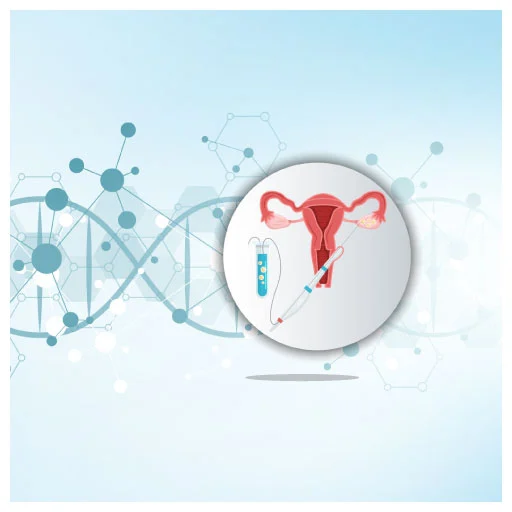
    Illustration of IUI procedure with uterus and syringe against a DNA background.

    The Accuracy Debate: Are Fertility Tracking Devices More Reliable Than Traditional Methods?

    So, which method is more accurate? Studies have shown that fertility tracking devices can accurately predict ovulation with up to 90% accuracy, while traditional methods have a success rate of around 75%. This is because fertility tracking devices use advanced technology and algorithms to analyze data and predict ovulation, whereas traditional methods rely on individual observations and interpretations.

    However, accuracy is not the only factor to consider when comparing fertility tracking devices and traditional methods. Cost, convenience, and personal preferences also play a significant role in choosing a fertility tracking method. Fertility tracking devices can range from $100 to $500, depending on the brand and features, while traditional methods are relatively low cost or even free. Additionally, fertility tracking devices require consistent use of technology, while traditional methods only require a pen and paper or a thermometer.

    Moreover, fertility tracking devices may not be suitable for all women. These devices tend to work best for women with regular menstrual cycles, and they may not be as accurate for women with irregular cycles or underlying health conditions. Traditional methods, however, can be adapted to work for all women, regardless of their cycle regularity.

    It’s also essential to consider the potential drawbacks of fertility tracking devices. These devices rely heavily on technology, which can malfunction or provide inaccurate data. Furthermore, some women may find it stressful to constantly track their fertility and may become overly focused on their cycle, leading to added pressure and anxiety. Traditional methods, on the other hand, may allow for a more relaxed approach to fertility tracking.

    In conclusion, fertility tracking devices offer a higher level of accuracy and convenience compared to traditional methods. However, they may not be suitable for all women and come with a higher cost. Traditional methods, while less accurate, can still be a reliable and affordable option for those who prefer a more natural approach to fertility tracking. Ultimately, the choice between fertility tracking devices and traditional methods comes down to personal preference and individual needs.

    In the accuracy debate, it’s clear that fertility tracking devices have an edge over traditional methods in terms of accuracy. However, it’s essential to consider all factors, including cost, convenience, and personal preferences, when choosing a fertility tracking method. Whether you opt for a high-tech device or stick to traditional methods, the most important thing is finding a method that works for you and helps you track your fertility effectively.

  • Fertility Tracking in the Digital Age: How Devices are Changing the Game

    Blog Post:

    Fertility tracking has always been an important aspect of family planning and reproductive health. In the past, this process has primarily been done through manual methods such as tracking menstrual cycles and using ovulation kits. However, in the digital age, the landscape of fertility tracking has drastically changed with the introduction of various devices and apps. These devices not only make the process more convenient and efficient, but also provide more accurate and detailed information for individuals and couples trying to conceive. In this blog post, we will explore the different ways in which devices are changing the game of fertility tracking in the digital age.

    One of the most popular devices in the realm of fertility tracking is the wearable fertility tracker. These small devices are typically worn on the wrist or placed under the arm and use advanced technology to track key metrics such as basal body temperature, heart rate, and sleep patterns. This data is then synced to a corresponding app on the user’s phone, providing them with valuable insights about their fertility and menstrual cycle. These trackers can also help predict ovulation and fertile windows, making it easier for individuals and couples to plan accordingly.

    Another device that has gained popularity in recent years is the smart thermometer. These thermometers are specifically designed for fertility tracking and are able to measure basal body temperature with a high degree of accuracy. This information is then synced to an app where users can track their cycles and identify ovulation patterns. The advantage of using a smart thermometer is that it eliminates the need for manual charting and recording, making the process more efficient and less prone to human error.

    In addition to wearable devices and thermometers, there are also a plethora of fertility tracking apps available on the market. These apps use a combination of data input by the user and algorithms to predict fertility and ovulation. Some apps also allow users to track other factors such as cervical mucus, ovulation pain, and sexual activity, providing a more comprehensive picture of their fertility. These apps also often come with features such as cycle tracking, period reminders, and ovulation calendars, making it easier for individuals to stay on top of their reproductive health.

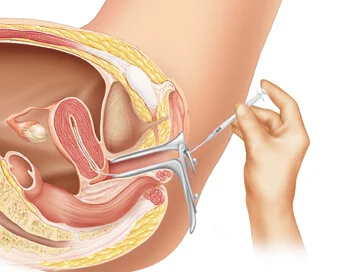
    illustration of intrauterine insemination procedure with a hand holding a speculum and syringe near the uterus

    Fertility Tracking in the Digital Age: How Devices are Changing the Game

    One of the most significant advantages of using these devices and apps for fertility tracking is the ability to accurately predict ovulation and fertile windows. This is especially helpful for individuals and couples trying to conceive, as it increases their chances of success. In the past, ovulation prediction was done through methods such as tracking basal body temperature and cervical mucus, which could be subjective and prone to error. With the use of technology, the process has become more precise and reliable, giving individuals and couples a better understanding of their fertility and increasing their chances of conceiving.

    Moreover, these devices and apps also provide a more holistic approach to fertility tracking. Instead of just focusing on ovulation and fertile windows, they also take into account other factors such as sleep patterns, stress levels, and overall health. This allows individuals to have a better understanding of how their lifestyle and habits can affect their fertility, and make necessary changes to improve their chances of conceiving.

    However, as with any technology, there are also potential downsides to relying solely on these devices and apps for fertility tracking. One of the main concerns is the accuracy of the data collected. While these devices and apps are designed to be precise, there is always a margin of error. This could potentially lead to false predictions and impact the effectiveness of family planning methods. It is important for users to understand the limitations of these devices and apps and use them as a tool in conjunction with other methods of fertility tracking.

    In conclusion, the introduction of devices and apps in the realm of fertility tracking has revolutionized the way individuals and couples approach family planning and reproductive health. These tools provide a more convenient, efficient, and accurate way to track fertility and ovulation, making it easier for individuals to plan and achieve their desired outcomes. However, it is important to use these devices and apps with caution and not solely rely on them for fertility tracking. By understanding their limitations and using them as a tool alongside other methods, individuals can truly harness the power of technology to take control of their reproductive health.

    Summary:

    In the digital age, fertility tracking has become more convenient and accurate with the introduction of wearable devices, smart thermometers, and fertility tracking apps. These tools provide users with valuable insights about their fertility and menstrual cycle, allowing them to accurately predict ovulation and fertile windows. They also offer a more holistic approach to fertility tracking, taking into account factors such as sleep patterns and stress levels. However, it is important to use these tools with caution and not solely rely on them, as there is always a margin of error. By understanding their limitations, individuals can effectively use these devices and apps to take control of their reproductive health.