Blog Post: Going High-Tech: Advantages and Disadvantages of Fertility Tracking Devices
In recent years, there has been a rise in the popularity of fertility tracking devices. These high-tech gadgets promise to help women track their menstrual cycles and increase their chances of getting pregnant. With the advancement of technology, these devices have become more accessible and user-friendly, leading many women to turn to them for help with their fertility journey. But like any other technology, these devices come with both advantages and disadvantages. In this blog post, we will explore the benefits and drawbacks of fertility tracking devices and help you decide if they are the right choice for you.
Advantages of Fertility Tracking Devices:
1. Accurate Tracking of Menstrual Cycles:
Fertility tracking devices use advanced technology to accurately track a woman’s menstrual cycle. They can detect subtle changes in body temperature, hormone levels, and other factors that can affect fertility. This information is then used to predict ovulation and determine the most fertile days of the month. This level of accuracy can be especially useful for women with irregular cycles or those who are trying to conceive.
2. Increased Chances of Conceiving:
One of the main advantages of fertility tracking devices is that they can increase the chances of conceiving. By accurately predicting ovulation, these devices can help couples time intercourse during the most fertile days of the month, increasing the chances of sperm meeting the egg. This can be particularly helpful for couples who have been struggling with infertility and are looking for a natural way to boost their chances of getting pregnant.
3. User-Friendly and Convenient:
Fertility tracking devices are designed to be user-friendly and convenient. They come in various forms, including wearable devices, apps, and fertility monitors. These devices are easy to use and require minimal effort from the user. They also provide real-time data, making it easier for women to track their cycles and make informed decisions about their fertility.
4. Provides Valuable Insights:
Apart from predicting ovulation and fertile days, fertility tracking devices also provide valuable insights into a woman’s reproductive health. By tracking various parameters, such as basal body temperature, cervical mucus, and hormone levels, these devices can help identify any underlying issues that may be affecting fertility. This information can be shared with a doctor, making it easier to diagnose and treat any fertility problems.
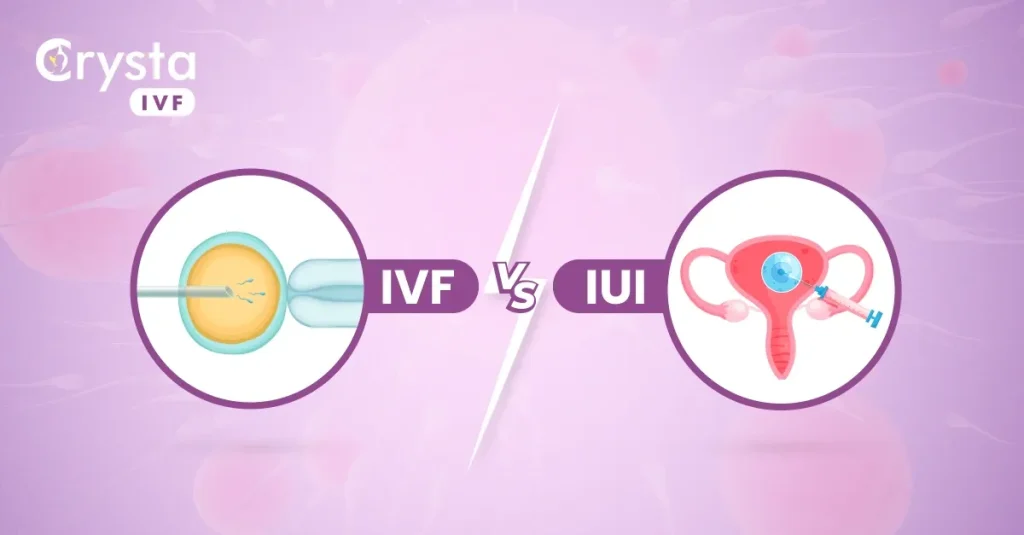
Going High-Tech: Advantages and Disadvantages of Fertility Tracking Devices
Disadvantages of Fertility Tracking Devices:
1. High Cost:
One of the main drawbacks of fertility tracking devices is their high cost. These devices can range from a few hundred dollars to thousands of dollars, depending on the brand and features. For couples who are already struggling with infertility, this added expense can be a burden. Moreover, some devices may require additional purchases, such as test strips or subscriptions, which can further increase the cost.
2. Not 100% Accurate:
While fertility tracking devices claim to be highly accurate, they are not 100% foolproof. Many factors, such as stress, illness, and medication, can affect a woman’s menstrual cycle, making it challenging to predict ovulation accurately. Additionally, not all women have a regular cycle, which can further impact the accuracy of these devices. Therefore, they should not be relied upon as the only means of contraception or family planning.
3. May Cause Unnecessary Stress:
For some women, using a fertility tracking device can cause unnecessary stress and anxiety. Constantly monitoring and analyzing data can be overwhelming, particularly for those who are struggling with infertility. Moreover, if a device predicts ovulation, and conception does not occur, it can lead to disappointment and further emotional distress. It is essential to use these devices with caution and not let them consume one’s life entirely.
4. Limited for Certain Groups:
Fertility tracking devices may not be suitable for everyone. Women with irregular cycles, breastfeeding mothers, and those going through perimenopause may not get accurate results from these devices. Additionally, some women may find it challenging to use these devices correctly, which can further limit their effectiveness.
Summary:
Fertility tracking devices use advanced technology to accurately track a woman’s menstrual cycle and predict ovulation. They can increase the chances of conceiving, provide valuable insights into reproductive health, and are user-friendly and convenient. However, they come with a high cost, may not be 100% accurate, can cause unnecessary stress, and are limited for certain groups. It is essential to weigh these advantages and disadvantages carefully before deciding if fertility tracking devices are the right choice for you.
In conclusion, fertility tracking devices can be a helpful tool for couples trying to conceive. They offer a convenient and user-friendly way to track cycles and increase the chances of getting pregnant. However, they are not a guarantee for conception, and it is essential to use them with caution and not rely on them entirely. Consult with a doctor for personalized advice and consider all options before making a decision.