Blog Post: Fertility Tracking Devices: Are They the Future of Reproductive Health?
In recent years, there has been a growing interest in fertility tracking devices as a means of monitoring and improving reproductive health. These devices, which range from simple apps to high-tech wearable gadgets, claim to help individuals track their menstrual cycle, ovulation, and overall fertility. But are they really the future of reproductive health? In this blog post, we will take a closer look at fertility tracking devices and their potential impact on the future of reproductive health.
Understanding Fertility Tracking Devices
Fertility tracking devices come in various forms, from basic menstrual tracking apps to more advanced devices that use sensors and algorithms to analyze fertility data. Some popular examples of fertility tracking devices include Ava Bracelet, OvuSense, and Natural Cycles. These devices are designed to help individuals track their menstrual cycle, identify their most fertile days, and even predict ovulation. They often use a combination of methods, such as tracking body temperature, hormone levels, and other physiological changes, to provide accurate and personalized fertility data.
The Potential Benefits of Fertility Tracking Devices
One of the main benefits of fertility tracking devices is their ability to provide individuals with a better understanding of their reproductive health. By tracking their menstrual cycle and ovulation, individuals can gain insight into their fertility and plan accordingly. This can be especially helpful for those trying to conceive, as it can increase the chances of getting pregnant by timing intercourse during the most fertile days. Fertility tracking devices can also be useful for those trying to avoid pregnancy, as they can help individuals identify when they are most likely to be fertile and avoid unprotected sex during those times.
Moreover, fertility tracking devices can also provide valuable information for those struggling with infertility. By tracking their menstrual cycle and identifying any irregularities or potential issues, individuals can seek medical help sooner and potentially increase their chances of conception. Additionally, these devices can help individuals with conditions such as PCOS (polycystic ovary syndrome) or endometriosis to better understand their cycle and manage their symptoms.
The Drawbacks of Fertility Tracking Devices
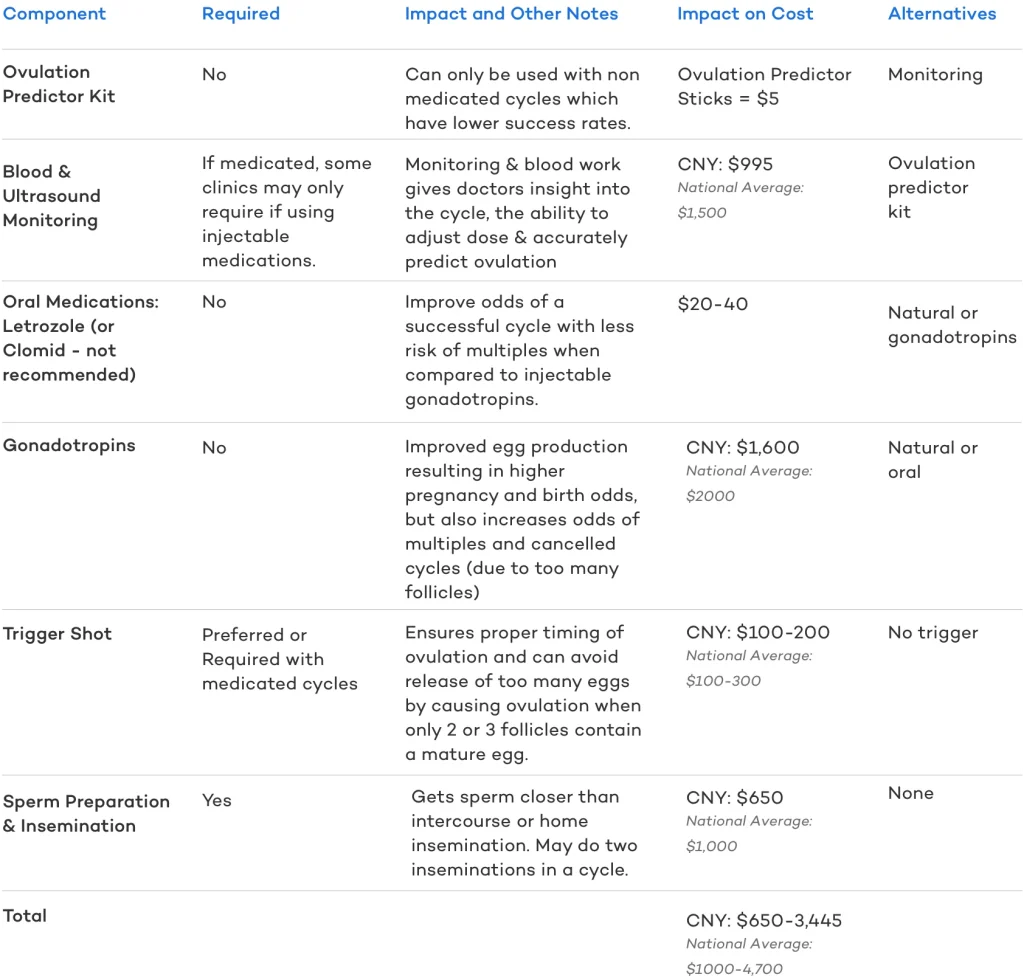
Fertility Tracking Devices: Are They the Future of Reproductive Health?
While fertility tracking devices have their benefits, they also have some drawbacks that should be considered. One of the main concerns is the accuracy of these devices. While some studies have shown that certain fertility tracking devices can be highly accurate, others have found significant discrepancies between the data provided by these devices and actual ovulation. This can lead to individuals relying solely on the data provided by these devices and potentially missing their fertile window, which can be frustrating for those trying to conceive.
Another concern is the emotional toll that fertility tracking devices can have on individuals. For those trying to conceive, constantly tracking and analyzing their fertility data can become overwhelming and add stress to an already sensitive process. Additionally, for individuals struggling with infertility, relying on these devices can create unrealistic expectations and lead to disappointment if conception does not occur as expected.
The Future of Fertility Tracking Devices
Despite their limitations, it is clear that fertility tracking devices have the potential to play a significant role in the future of reproductive health. With advancements in technology and data analysis, these devices are becoming more accurate and personalized, making them a valuable tool for individuals looking to monitor their fertility. Moreover, as more people become aware of the importance of reproductive health, the demand for fertility tracking devices is likely to increase.
However, it is important to note that fertility tracking devices should not be seen as a replacement for medical advice or contraception. These devices can provide valuable information, but they should be used in conjunction with other methods of birth control and under the guidance of a healthcare professional.
In conclusion, fertility tracking devices have the potential to revolutionize the way we approach reproductive health. They can provide individuals with valuable information about their fertility and aid in family planning. However, it is essential to understand their limitations and use them as a tool rather than a definitive source of information. As technology continues to advance, we can expect to see even more sophisticated fertility tracking devices in the future, but it is crucial to remember that the most important aspect of reproductive health is seeking medical advice and taking care of our overall well-being.
Summary:
Fertility tracking devices, ranging from simple apps to high-tech wearable gadgets, are becoming increasingly popular as a means of monitoring and improving reproductive health. They use a combination of methods to track menstrual cycles, ovulation, and fertility, providing individuals with personalized data. These devices have the potential to benefit those trying to conceive, struggling with infertility, and managing conditions such as PCOS. However, they also have limitations, including accuracy concerns and potential emotional tolls. Despite these drawbacks, fertility tracking devices are likely to play a significant role in the future of reproductive health, but should be used in conjunction with medical advice and other forms of contraception.