Title: A Closer Look at Fertility Tracking Devices: Do They Really Work?
Fertility is a topic that has gained increased attention in recent years, as more and more people are exploring alternative methods for tracking their fertility and planning or preventing pregnancies. With the rise of technology, there has been an influx of fertility tracking devices on the market, claiming to accurately predict a woman’s fertile window and help couples conceive or avoid pregnancy. But how effective are these devices? Do they really work?
In this blog post, we will take a closer look at fertility tracking devices, their methods, and their claims to determine if they are truly reliable and effective.
Understanding Fertility Tracking Devices
Fertility tracking devices come in various forms, including wearable devices, apps, and at-home kits. These devices use different methods to track a woman’s menstrual cycle and determine her fertile window, which is the time when she is most likely to conceive.
Some devices use basal body temperature (BBT) tracking, where the user takes their temperature every morning and records it to track hormonal changes throughout their cycle. Others use urine-based tests to detect luteinizing hormone (LH) levels, which indicate ovulation is about to occur. Some devices combine these methods with additional data, such as cervical mucus consistency or period tracking, to provide a more comprehensive picture of a woman’s fertility.
The Effectiveness of Fertility Tracking Devices
The accuracy and effectiveness of fertility tracking devices can vary greatly depending on the method used and the quality of the device. Let’s take a closer look at some of the most popular fertility tracking devices and their success rates.
1. Basal Body Temperature (BBT) Tracking Devices
BBT tracking devices, such as Ava, Tempdrop, and Daysy, use a wearable device to track a woman’s temperature throughout her cycle. These devices claim to be 90% effective in predicting ovulation, as changes in BBT can indicate when ovulation has occurred.
However, BBT tracking devices may not be suitable for everyone. Factors such as illness, stress, and irregular sleep patterns can affect a woman’s basal body temperature, leading to inaccurate readings. Additionally, these devices may not provide enough advance notice of ovulation, making it difficult for couples to plan intercourse during the fertile window.
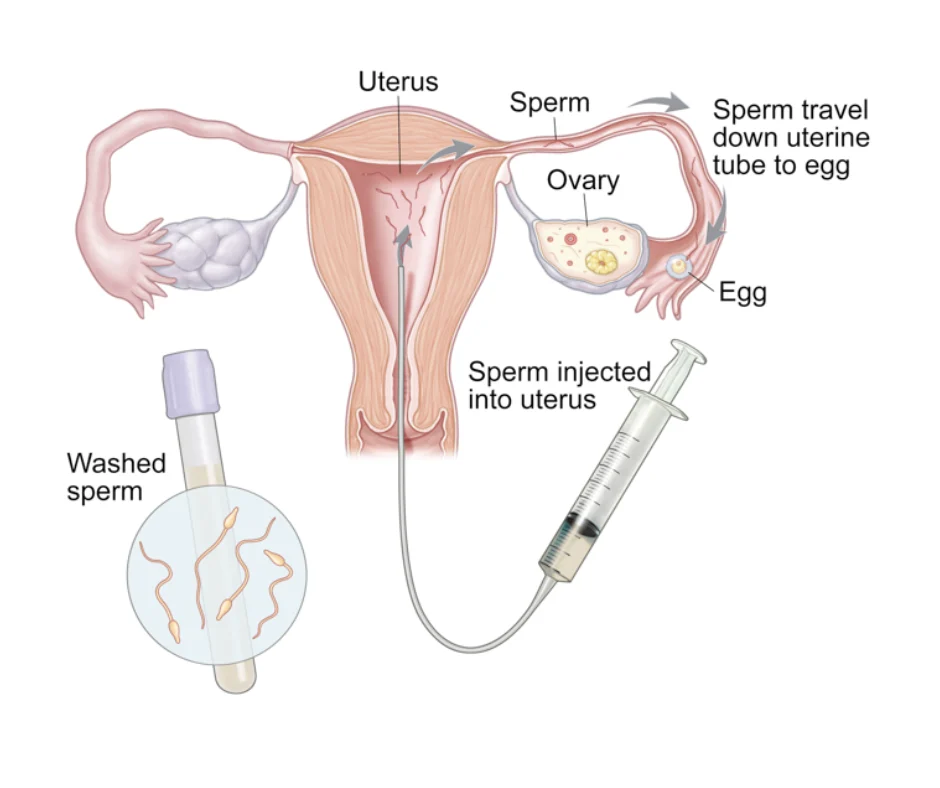
A Closer Look at Fertility Tracking Devices: Do They Really Work?
2. Urine-Based LH Tracking Devices
Urine-based LH tracking devices, such as Clearblue Fertility Monitor and OvaCue, use urine tests to detect the surge of LH that occurs before ovulation. These devices claim to be up to 99% accurate in predicting ovulation and are more convenient than BBT tracking as they do not require daily temperature readings.
However, these devices may also have limitations. They can be expensive, with the need to purchase test strips regularly, and may not be suitable for women with irregular cycles or conditions that can affect LH levels, such as polycystic ovary syndrome (PCOS).
3. Combination Devices
Some fertility tracking devices, such as Kindara and Natural Cycles, use a combination of methods, including BBT tracking, LH testing, and other data inputs, to predict a woman’s fertile window. These devices claim to be over 95% effective in preventing pregnancy when used correctly.
While these devices may provide a more comprehensive approach to tracking fertility, they still have limitations. They may not be suitable for women with highly irregular cycles, and some may require consistent use of additional fertility awareness methods, such as tracking cervical mucus, for accurate results.
The Importance of Understanding Your Body
While fertility tracking devices may be helpful in tracking your cycle and identifying your fertile window, they should not be relied upon as the sole method of contraception or conception. It is essential to understand your body and the various factors that can affect your fertility.
Factors such as stress, diet, and underlying health conditions can all impact your menstrual cycle and fertility, and it is crucial to consider these factors when using a fertility tracking device. Additionally, these devices do not protect against sexually transmitted infections (STIs), so it is essential to use additional protection if you are not in a monogamous relationship.
Conclusion
Fertility tracking devices can be helpful tools for understanding your menstrual cycle and identifying your fertile window. However, they may not be 100% reliable and should not be used as the only method of contraception or conception. It is crucial to understand your body and the various factors that can affect your fertility to make informed decisions about your reproductive health.
In summary, fertility tracking devices can be effective in predicting ovulation and helping couples conceive or avoid pregnancy. However, they may have limitations and should be used in conjunction with other methods of fertility awareness and protection. Understanding your body and its unique patterns is key to effectively using a fertility tracking device and making informed decisions about your reproductive health.