Traditional Exercise vs Fertility Yoga: Which Is More Sustainable for Women Trying to Conceive?
When it comes to trying to conceive, many women turn to various forms of exercise to improve their chances of getting pregnant. Traditional exercises such as running, weightlifting, and cycling have been popular for years, but in recent years, fertility yoga has gained traction as a potential aid in increasing fertility. But which form of exercise is more sustainable for women trying to conceive? In this blog post, we will explore the benefits and drawbacks of both traditional exercise and fertility yoga and determine which may be more effective in helping women conceive.
Traditional Exercise and Fertility
Traditional exercise, also known as high-intensity exercise, refers to any form of physical activity that elevates the heart rate and involves repetitive movements. This includes activities such as running, cycling, weightlifting, and high-intensity interval training (HIIT). These forms of exercise have been proven to have numerous health benefits, including weight management, improved cardiovascular health, and increased muscle strength. However, when it comes to fertility, traditional exercise may not be as beneficial as many women believe.
Studies have shown that high-intensity exercise can have a negative impact on fertility. The intense physical stress caused by traditional exercise can disrupt the delicate balance of hormones in the body, leading to irregular or absent periods, which can make it difficult to track ovulation and time intercourse accordingly. Additionally, high-intensity exercise has been found to decrease levels of estrogen, a hormone essential for reproductive health. This decrease in estrogen can lead to thinning of the uterine lining, making it more difficult for a fertilized egg to implant and resulting in a higher risk of miscarriage.
Furthermore, traditional exercise can also increase levels of cortisol, also known as the stress hormone. High levels of cortisol can interfere with the production of other hormones, such as progesterone, which is crucial for maintaining a healthy pregnancy. Additionally, excessive cortisol can also cause inflammation in the body, which can negatively impact egg quality and overall reproductive health.
Fertility Yoga and Its Benefits
Fertility yoga, on the other hand, is a gentle and low-impact form of exercise that focuses on improving blood flow, reducing stress, and balancing hormones in the body. It involves specific poses and breathing techniques that are believed to support the reproductive system and increase fertility. Fertility yoga also incorporates mindfulness and relaxation techniques, which can help reduce stress and anxiety, both of which can have a significant impact on fertility.
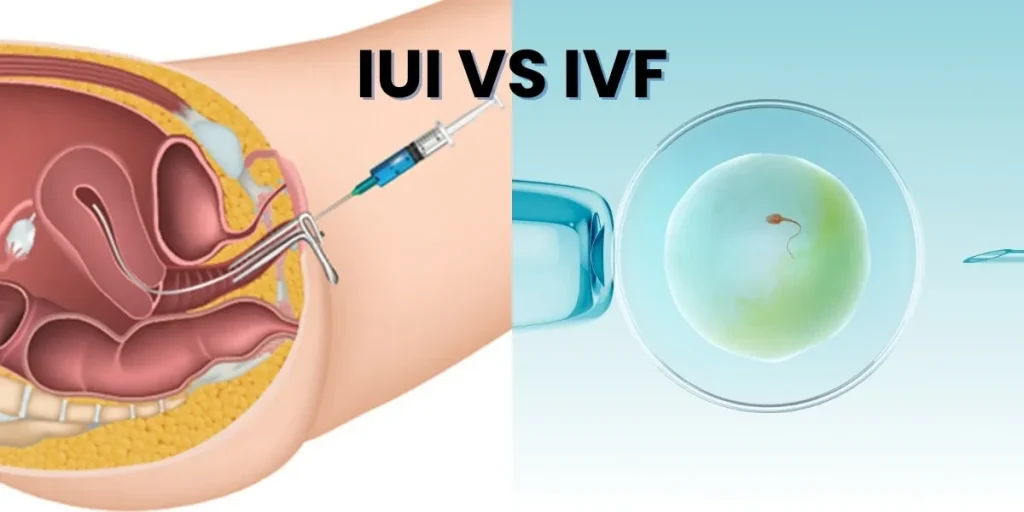
Traditional Exercise vs Fertility Yoga: Which Is More Sustainable for Women Trying to Conceive?
One of the main benefits of fertility yoga is its focus on increasing blood flow to the reproductive organs. This increased blood flow can help nourish the ovaries and uterus, promoting healthy egg development and a thick, healthy uterine lining. Additionally, fertility yoga can help reduce inflammation in the body and balance hormones, which can improve the chances of ovulation and regular menstrual cycles.
Moreover, fertility yoga can also have a positive impact on mental health. Many women trying to conceive experience high levels of stress, anxiety, and even depression, which can all have a detrimental effect on fertility. By incorporating relaxation techniques and mindfulness into their routine, women can reduce stress and improve their overall emotional well-being, creating a more conducive environment for conception.
Sustainable Practices for Women Trying to Conceive
When it comes to traditional exercise and fertility yoga, the best approach for women trying to conceive may be a combination of both. Traditional exercise can still provide numerous health benefits, but it’s important to incorporate low-impact activities and fertility yoga into the routine to balance out the potential negative effects of high-intensity exercise. For instance, combining a few days of running or weightlifting with a few days of fertility yoga can create a well-rounded exercise routine that supports both physical and reproductive health.
It’s also essential to listen to your body and make adjustments as needed. If traditional exercise is causing increased stress or irregular periods, it may be necessary to scale back and focus more on low-impact activities and fertility yoga. On the other hand, if fertility yoga is not providing the desired results, incorporating some high-intensity exercise may be beneficial.
In conclusion, both traditional exercise and fertility yoga have their benefits and drawbacks when it comes to fertility. While traditional exercise can provide numerous health benefits, it may not be the most sustainable form of exercise for women trying to conceive. Fertility yoga, on the other hand, offers a gentle and holistic approach to supporting reproductive health and can be a more sustainable option for women trying to conceive. By finding a balance between the two, women can create a sustainable exercise routine that supports their fertility journey.
Summary:
Traditional exercise, also known as high-intensity exercise, has been a popular form of physical activity for years. However, studies have shown that it may have a negative impact on fertility by disrupting hormone levels and increasing stress. On the other hand, fertility yoga is a gentle and low-impact form of exercise that focuses on increasing blood flow, reducing stress, and balancing hormones in the body. It incorporates mindfulness and relaxation techniques, making it a more sustainable option for women trying to conceive. A combination of both traditional exercise and fertility yoga may be the best approach for women looking to improve their fertility. It’s essential to listen to the body and make adjustments as needed to create a well-rounded and sustainable exercise routine.