Blog Post: Sperm Analysis and Semen Analysis: Common Misconceptions and Myths
When it comes to fertility and reproductive health, there are many myths and misconceptions surrounding sperm analysis and semen analysis. These procedures are often misunderstood and can cause unnecessary worry and stress for individuals and couples trying to conceive. In this blog post, we will debunk some of the common misconceptions and myths surrounding sperm analysis and semen analysis.
Myth #1: Only men with fertility issues need to undergo sperm analysis.
One of the biggest misconceptions about sperm analysis is that it is solely for men with fertility problems. In reality, sperm analysis is recommended for all men who are trying to conceive, regardless of whether they have a known fertility issue or not. It is a routine test that can provide valuable information about a man’s reproductive health, including sperm count, motility, and morphology. This information can help identify potential fertility issues and guide treatment options.
Myth #2: Semen analysis and sperm analysis are the same thing.
Although the terms are often used interchangeably, semen analysis and sperm analysis are not the same. Semen analysis is a test that examines the quality and quantity of semen, which is the fluid that carries sperm. On the other hand, sperm analysis specifically looks at the health and characteristics of the sperm within the semen. While semen analysis is a part of sperm analysis, the latter provides more detailed information about the sperm, which can be crucial in determining fertility potential.
Myth #3: The results of sperm analysis are always accurate.
While sperm analysis is a valuable tool in assessing reproductive health, it is not infallible. The results can vary depending on factors such as stress, illness, and medications. Additionally, the results can also be affected by laboratory errors or improper handling of the sample. It is essential to follow the instructions provided by the healthcare provider for collecting and handling the semen sample to ensure accurate results.
Sperm Analysis and Semen Analysis: Common Misconceptions and Myths
Myth #4: Sperm analysis can determine a man’s overall fertility.
Sperm analysis is just one aspect of assessing a man’s fertility potential. While it can provide valuable information about sperm health, it does not paint the full picture of a man’s fertility. Other factors, such as hormonal balance, genetic factors, and overall health, can also play a significant role in fertility. Therefore, it is essential to discuss the results of sperm analysis with a healthcare provider to get a comprehensive evaluation of fertility potential.
Myth #5: A low sperm count means a man cannot father a child.
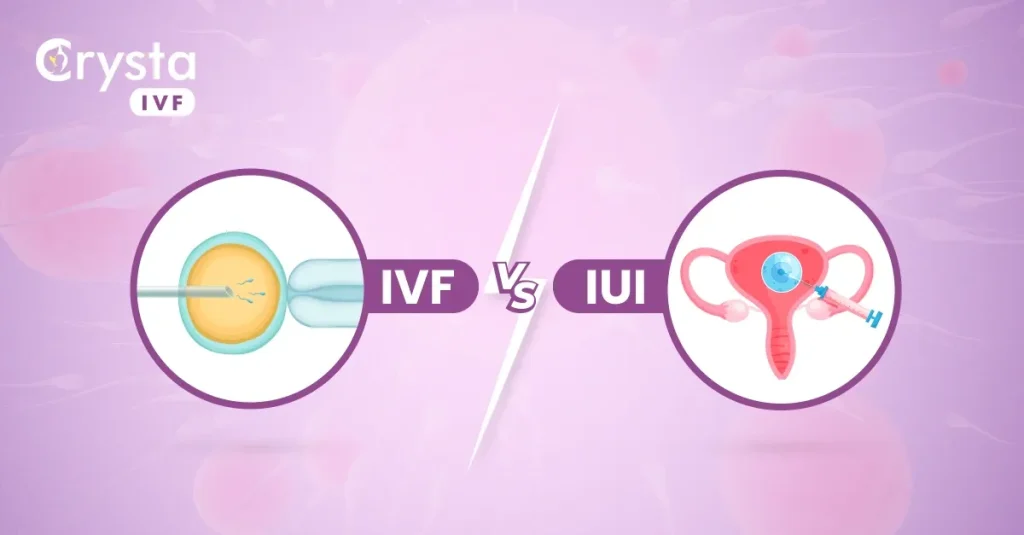
One of the most common fears surrounding sperm analysis is the concern that a low sperm count means a man cannot father a child. While a low sperm count can make conception more challenging, it does not necessarily mean a man cannot father a child. There have been many cases where men with low sperm counts have successfully fathered children through assisted reproductive technologies, such as intrauterine insemination (IUI) or in vitro fertilization (IVF). It is crucial to remember that fertility is not solely determined by sperm count, and there are other options available for couples struggling with conception.
Myth #6: Sperm analysis is a one-time test.
Sperm analysis is not a one-time test, and the results can change over time. Factors such as age, lifestyle habits, and health conditions can affect sperm quality. Therefore, it is recommended to repeat the test after a few months to get a more accurate picture of a man’s reproductive health. If the results show any abnormalities, further testing may be necessary to determine the cause and appropriate treatment.
Myth #7: Sperm analysis is only needed for heterosexual couples.
Another common misconception is that sperm analysis is only necessary for heterosexual couples. This is not true, as sperm analysis can be beneficial for all individuals or couples trying to conceive, regardless of sexual orientation or relationship status. It is a crucial aspect of reproductive health, and everyone should have access to it.
In summary, sperm analysis and semen analysis are essential tools in assessing male fertility potential. However, there are many misconceptions and myths surrounding these procedures. It is essential to understand the facts and seek guidance from a healthcare provider to get a comprehensive evaluation of reproductive health.