Breaking Down Barriers: Artificial Insemination and Natural Conception
In today’s society, the concept of starting a family has evolved beyond traditional means. With advancements in medical technology, couples are now presented with options for assisted reproduction, such as artificial insemination. This method has become increasingly popular among couples struggling with fertility issues, as well as same-sex couples and single individuals. However, there is still a stigma surrounding artificial insemination, leading to misconceptions and barriers that need to be addressed. In this blog post, we will explore the differences between artificial insemination and natural conception and break down the barriers associated with this assisted reproduction method.
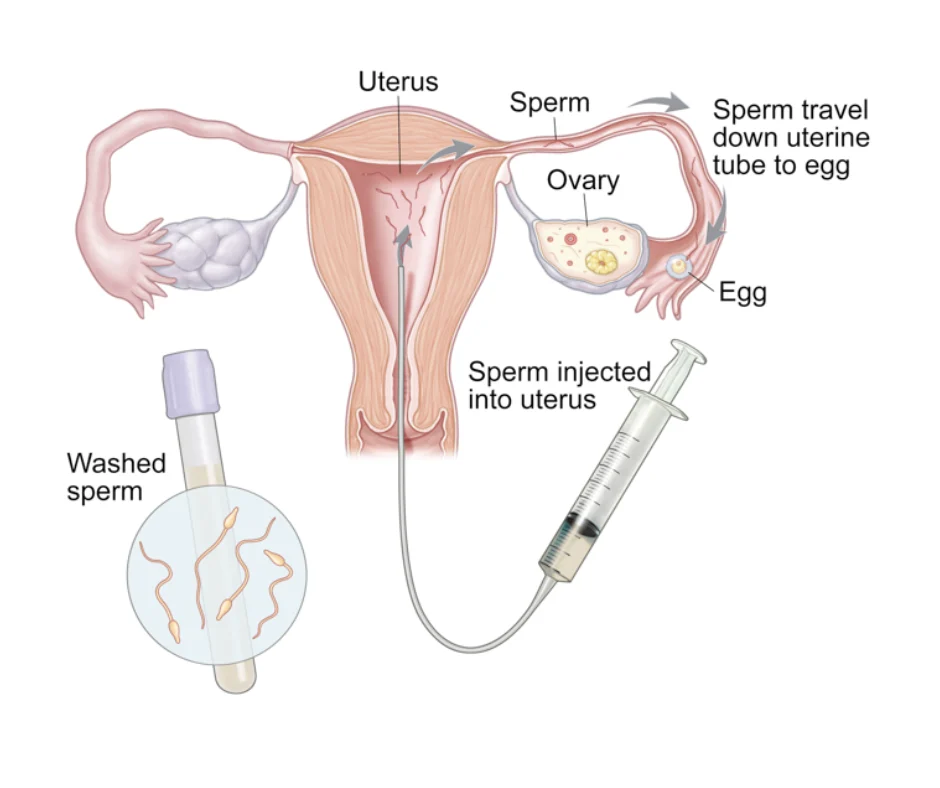
Artificial insemination, also known as intrauterine insemination (IUI), is a form of assisted reproduction where sperm is inserted directly into a woman’s uterus. This procedure can be done with the partner’s sperm or donor sperm, depending on the couple’s situation. On the other hand, natural conception involves the fertilization of an egg by sperm during sexual intercourse. While both methods have the same end goal – pregnancy – there are significant differences between the two.
One of the main differences between artificial insemination and natural conception is the level of control and predictability. With artificial insemination, the timing of sperm insertion is carefully planned, increasing the chances of fertilization. In contrast, natural conception relies on the timing of ovulation, which can be unpredictable. This makes artificial insemination a more reliable option for couples struggling with fertility issues.
Moreover, artificial insemination eliminates the need for sexual intercourse, making it a viable option for same-sex couples and single individuals. This method also allows for the screening of donor sperm, ensuring the health and quality of the sperm used. Additionally, artificial insemination can be a less invasive and less expensive option compared to other assisted reproduction techniques, such as in-vitro fertilization (IVF).
Despite the benefits of artificial insemination, there are still barriers and misconceptions surrounding this method. One of the most significant barriers is the social stigma surrounding the use of donor sperm. Many individuals and couples may feel embarrassed or ashamed to seek this option, fearing judgment from their community. This stigma is often perpetuated by the media, which tends to portray artificial insemination as a last resort for desperate couples.
Another barrier is the lack of education and awareness about artificial insemination. Many people are not aware of this option or may have misconceptions about its success rates. This lack of understanding can lead to unrealistic expectations and feelings of disappointment if the procedure does not result in pregnancy.
Breaking Down Barriers: Artificial Insemination and Natural Conception
Furthermore, there is a misconception that artificial insemination is a simple and effortless process. While it may seem straightforward, this method still requires careful planning, monitoring, and medical assistance. It is essential for individuals and couples considering artificial insemination to understand the process fully and seek guidance from a medical professional.
To break down these barriers, it is crucial to educate society about the benefits and success rates of artificial insemination. This includes addressing the misconceptions and stigmas surrounding this assisted reproduction method. One way to do this is by sharing success stories of individuals and couples who have had a positive experience with artificial insemination. This can help to normalize this method and reduce the stigma associated with it.
In addition, providing accurate information and resources about artificial insemination can help individuals and couples make informed decisions about their reproductive options. This includes discussing the success rates, potential risks, and the process involved in artificial insemination.
Moreover, it is essential to create a supportive and inclusive environment for individuals and couples considering artificial insemination. This can be achieved by promoting open communication and understanding, as well as providing emotional support throughout the process.
In conclusion, artificial insemination and natural conception are two distinct ways of starting a family, each with its own benefits and challenges. While artificial insemination may not be the right option for everyone, it is essential to break down the barriers and misconceptions surrounding this method. By educating society, providing accurate information and resources, and creating a supportive environment, we can help individuals and couples make informed decisions and break down the barriers to starting a family.
Summary:
Assisted reproduction has become a popular option for couples struggling with fertility issues, same-sex couples, and single individuals. Artificial insemination, also known as intrauterine insemination (IUI), is a method that involves inserting sperm directly into a woman’s uterus. In contrast, natural conception occurs during sexual intercourse. While both methods have the same goal – pregnancy – there are significant differences between the two. Despite its benefits, artificial insemination still faces barriers and misconceptions, including social stigma, lack of education and awareness, and misconceptions about its success rates. To break down these barriers, it is crucial to educate society, provide accurate information and resources, and create a supportive environment for individuals and couples considering this assisted reproduction method.