Sperm Analysis and Semen Analysis: How Do They Affect Male Aging?
As men age, they may experience changes in their reproductive system that can affect their overall health and fertility. One important aspect of this is sperm analysis and semen analysis, which are medical tests used to evaluate the quality and quantity of sperm in a man’s semen. In this blog post, we will explore how these tests can impact male aging and why they are important for men to consider as they get older.
Understanding Sperm Analysis and Semen Analysis
Sperm analysis, also known as sperm count, is a test that measures the number of sperm present in a semen sample. This test is crucial in determining male fertility, as a low sperm count can make it difficult for a man to impregnate his partner. On the other hand, a high sperm count does not necessarily guarantee fertility, as other factors such as sperm motility and morphology (shape) also play a role in successful fertilization.
Semen analysis, on the other hand, is a broader test that evaluates not only the sperm count but also other aspects of semen, such as pH levels, fructose levels, and the presence of any infections. This test can provide a more comprehensive picture of a man’s reproductive health and potential fertility.
How Do Sperm Analysis and Semen Analysis Change with Age?
Sperm count and semen quality can change as a man gets older. According to a study published in the Journal of Human Reproductive Sciences, sperm count decreases by about 1-2% per year in men over the age of 30. This decline is due to a decrease in the production and function of testosterone, which is important for sperm production.
Additionally, the quality of sperm can also be affected by age. As men age, they may experience an increase in sperm DNA damage, which can lead to a higher risk of birth defects and miscarriages. This damage can also affect the success of fertility treatments, such as in vitro fertilization (IVF).
Why is Sperm Analysis and Semen Analysis Important for Male Aging?
As mentioned earlier, sperm analysis and semen analysis are crucial in determining male fertility. However, there are other important reasons why these tests should not be overlooked as men age.
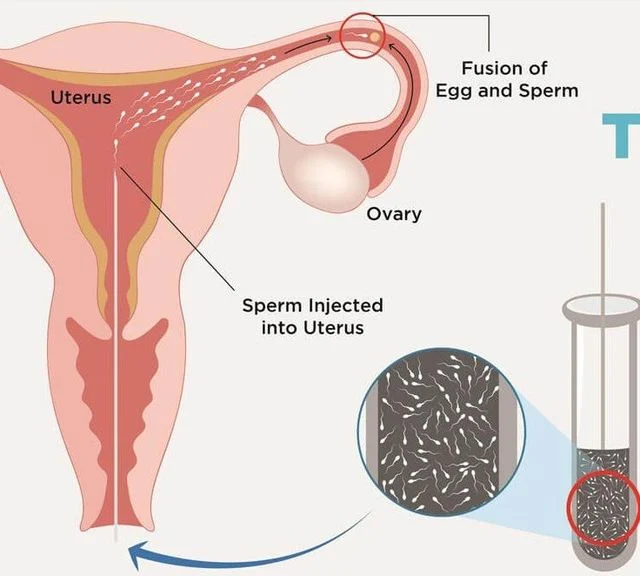
Sperm Analysis and Semen Analysis: How Do They Affect Male Aging?
Firstly, these tests can serve as an indicator of overall health. Changes in sperm count or semen quality can be a sign of underlying health issues such as hormonal imbalances, infections, or chronic diseases. By catching these issues early on, men can take proactive steps to address them and improve their overall health.
Secondly, sperm analysis and semen analysis can provide valuable information for men who are planning to start a family later in life. By knowing their sperm count and semen quality, men can better understand their chances of conceiving and plan accordingly.
Lastly, these tests can also serve as a wake-up call for men who may have unhealthy lifestyle habits. Factors such as smoking, excessive alcohol consumption, and poor diet can all contribute to decreased sperm count and quality. By identifying these issues through sperm analysis and semen analysis, men can make necessary lifestyle changes to improve their reproductive health and overall well-being.
What Can Men Do to Maintain Healthy Sperm and Semen Quality as They Age?
While sperm count and semen quality may decrease with age, there are steps men can take to maintain healthy levels. These include:
1. Maintaining a healthy lifestyle: Regular exercise, a balanced diet, and avoiding unhealthy habits such as smoking and excessive alcohol consumption can all contribute to healthier sperm and semen.
2. Managing stress: Chronic stress can affect testosterone levels and sperm production. Finding ways to manage stress, such as through exercise, meditation, or therapy, can help improve reproductive health.
3. Getting regular check-ups and screenings: As mentioned earlier, sperm analysis and semen analysis can provide insight into overall health. Men should schedule regular check-ups and screenings to catch any potential issues early on.
4. Considering supplements: Certain supplements, such as zinc and folic acid, have been shown to improve sperm count and quality. However, it is important to consult with a healthcare provider before adding any supplements to your routine.
5. Seeking fertility treatment if needed: If a couple is struggling to conceive, seeking the help of a fertility specialist can improve their chances of success. Fertility treatments such as IVF can bypass any potential issues with sperm and increase the chances of pregnancy.
In summary, sperm analysis and semen analysis are important tests for men to consider as they age. Not only do they provide valuable information about fertility, but they can also serve as indicators of overall health. By being proactive and taking care of their reproductive health, men can increase their chances of maintaining healthy sperm and semen as they get older.