Tag: Reproductive Law

  • Navigating the Legalities: Donor Sperm in At-Home vs Clinic Intrauterine Insemination

    Navigating the Legalities: Donor Sperm in At-Home vs Clinic Intrauterine Insemination

    In recent years, the use of donor sperm in intrauterine insemination (IUI) has become a popular choice for individuals and couples struggling with fertility. This method involves placing washed and prepared sperm from a donor into the uterus during ovulation, with the goal of achieving pregnancy. However, navigating the legalities of using donor sperm can be a complex and confusing process, especially when deciding between at-home and clinic IUI. In this blog post, we will discuss the legal implications of using donor sperm in both at-home and clinic IUI, and provide guidance on how to navigate these legalities effectively.

    Donor Sperm in At-Home IUI

    At-home IUI, also known as “DIY” or “home insemination”, involves using donor sperm in the comfort of your own home without the assistance of a medical professional. While this may seem like a convenient and cost-effective option, there are important legal considerations to keep in mind.

    One of the main concerns with at-home IUI is the potential legal implications for the donor and the intended parents. In many jurisdictions, the legal parent of a child is determined by the biological relationship and not by the intent or actions of the parties involved. This means that if a donor sperm is used at home, the donor may have legal rights and obligations to the child, regardless of any agreements made beforehand. This can create complicated legal situations, especially if the donor changes their mind about their involvement in the child’s life.

    To avoid these legal issues, it is crucial to have a legally binding agreement in place between the donor and the intended parents. This agreement should outline the intentions of all parties involved, including the donor’s lack of parental rights and responsibilities. However, it is important to note that these agreements are not always enforceable, and the laws surrounding donor sperm and parental rights vary by jurisdiction. It is highly recommended to seek legal advice from a lawyer who specializes in reproductive law before proceeding with at-home IUI.

    Donor Sperm in Clinic IUI
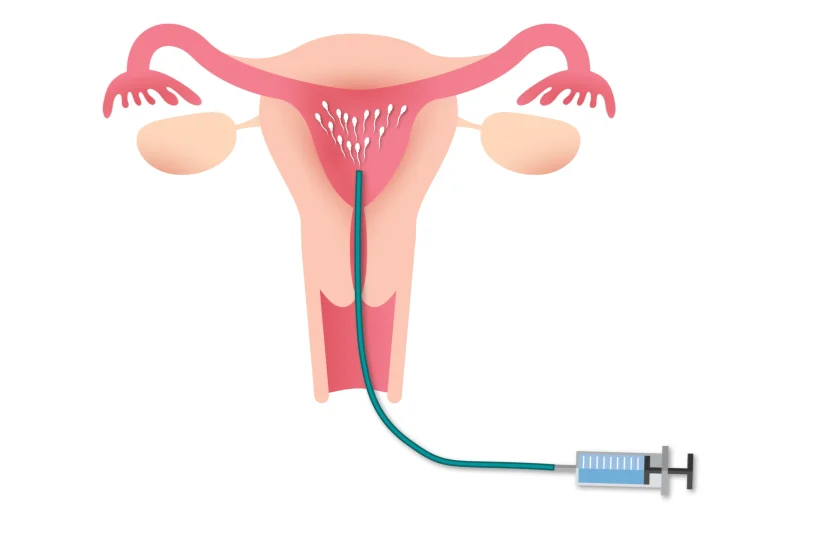
    diagram of a uterus with a syringe for intrauterine insemination procedure

    Navigating the Legalities: Donor Sperm in At-Home vs Clinic Intrauterine Insemination

    Clinic IUI, also known as “traditional” or “medical” insemination, is performed by a medical professional in a fertility clinic. This method involves using donor sperm that has been screened and tested for any potential health issues or genetic diseases.

    The main advantage of using donor sperm in clinic IUI is the legal protection it offers. In most cases, the sperm donor will have no legal rights or obligations to the child, as the clinic will handle all necessary legal procedures to ensure that the intended parents are recognized as the legal parents of the child. This offers peace of mind for the intended parents and eliminates potential legal battles with the donor in the future.

    However, it is important to note that clinic IUI can be a more expensive option, as there are additional costs involved in the screening and testing of the donor sperm. There may also be waiting lists for donor sperm in some clinics, which can further increase the costs and time involved in the process.

    Navigating the Legalities

    When considering the use of donor sperm in IUI, it is important to carefully weigh the legal implications of both at-home and clinic options. Seeking legal advice is crucial in both cases, as laws and regulations vary by jurisdiction. It is also important to discuss the matter openly and honestly with all parties involved, including the sperm donor, to ensure that everyone’s intentions and expectations are clear.

    In addition, it is important to do thorough research on the laws and regulations surrounding donor sperm in your specific jurisdiction. This can help you make informed decisions and avoid any potential legal issues in the future. It is also recommended to keep detailed records of all agreements and procedures, as they may be needed in case of any legal disputes.

    Summary

    Donor sperm in intrauterine insemination is a popular option for individuals and couples struggling with fertility. However, navigating the legalities of using donor sperm can be a complex process, especially when deciding between at-home and clinic IUI. At-home IUI offers convenience and cost-effectiveness, but can also create potential legal issues for the donor and intended parents. On the other hand, clinic IUI offers legal protection, but can be more expensive and involve waiting lists. Seeking legal advice and thoroughly researching the laws and regulations in your jurisdiction are important steps to navigate the legalities of using donor sperm effectively.
  • The Legal Implications of Using Sperm Banks vs Known Donors

    Sperm donation has become a popular option for couples and individuals struggling with fertility issues or looking to start a family. However, there are important legal implications to consider when choosing between using a sperm bank or a known donor.

    Sperm banks, also known as cryobanks, are facilities that collect, store, and distribute donated sperm. Known donors, on the other hand, are individuals who donate sperm directly to the intended recipient. While both options have their pros and cons, it is crucial to understand the legal implications of each before making a decision.

    In this blog post, we will explore the legal implications of using sperm banks vs known donors and why it is essential to consider these factors before starting the sperm donation process.

    1. Donor Anonymity
    One of the key differences between sperm banks and known donors is the level of anonymity. Donors at sperm banks are typically anonymous, meaning the recipient has no access to their identity or personal information. This anonymity is meant to protect the donor’s privacy and prevent any future legal claims or obligations.

    On the other hand, known donors are not anonymous, and the intended recipient is aware of their identity. This can have legal implications, as the donor may have parental rights and obligations towards any resulting children. In some cases, known donors have successfully argued for parental rights, leading to complex legal battles and potential financial obligations for the intended parents.

    2. Legal Rights and Obligations of Donors
    In most jurisdictions, sperm donors at sperm banks are protected from any legal rights or obligations towards any resulting children. This means that they have no parental rights and are not financially responsible for the child’s upbringing.

    However, known donors may have different legal rights and obligations, depending on the laws in their jurisdiction. In some cases, known donors may be considered legal parents, and therefore, have parental rights and obligations towards the child. This can include financial support, custody, and visitation rights.

    It is crucial to note that these legal rights and obligations may vary depending on the circumstances of the donation, such as whether the donor is married or in a committed relationship at the time of donation.

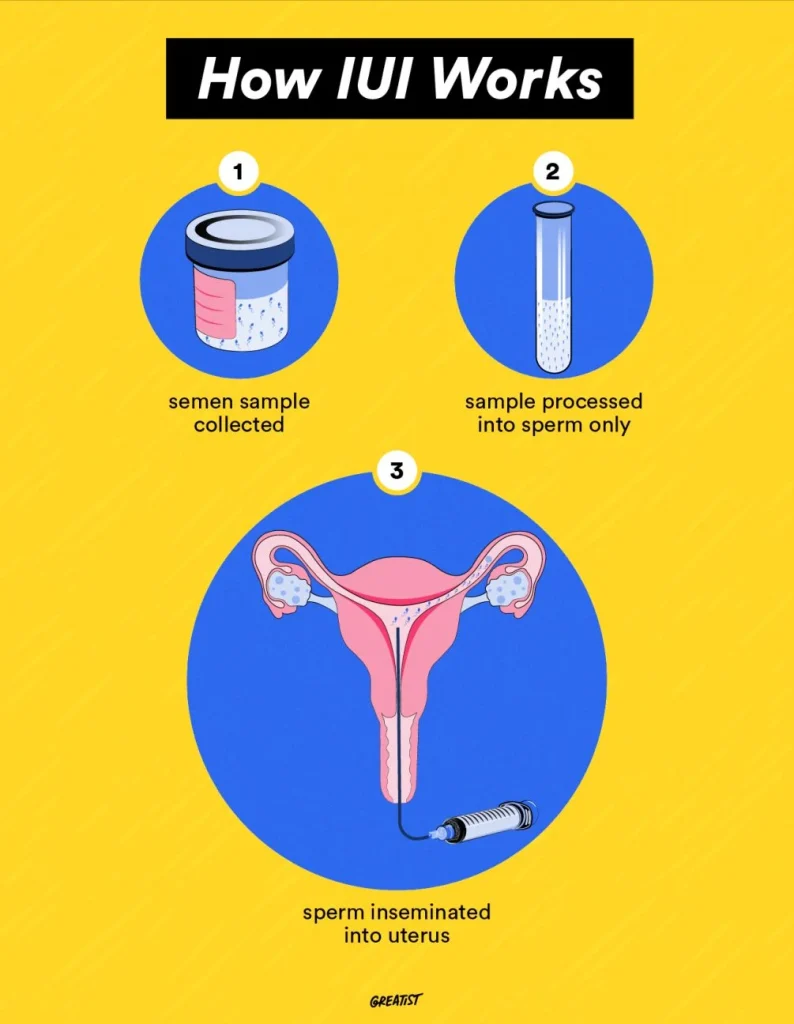
    illustration explaining the steps of intrauterine insemination (IUI) process on a bright yellow background

    The Legal Implications of Using Sperm Banks vs Known Donors

    3. Establishing Parent-Child Relationship
    When using a sperm bank, the donor’s anonymity can make it challenging to establish a legal parent-child relationship. In most cases, the intended recipient will have full legal rights and responsibilities towards the child, and the donor will have no legal connection.

    On the other hand, known donors may have a legal connection to the child, especially if they have been involved in the child’s life since birth. This can create complex legal situations, especially if the donor decides to claim parental rights or obligations in the future.

    4. Legal Protections for Intended Parents
    For couples or individuals using sperm banks, there are legal protections in place to ensure that they have full parental rights over any resulting children. These protections can include legal contracts, which outline the donor’s anonymity and the intended parents’ rights to the child.

    However, known donors may not be subject to these legal protections, and the intended parents may not have the same level of legal rights over the child. This can lead to legal issues and disputes over parental rights and obligations, especially if the donor decides to assert their rights in the future.

    5. Potential Legal Issues
    Using a known donor can also increase the risk of potential legal issues in the future. For example, if the donor is not thoroughly screened for medical or genetic conditions, the child may have legal grounds to sue for damages in the future.

    Additionally, if the donor changes their mind about their involvement in the child’s life, it can lead to custody battles and other legal complications. In contrast, sperm banks have strict procedures in place to ensure the safety and well-being of any resulting children, making it less likely to face legal issues in the future.

    Summarizing, the use of sperm banks and known donors has different legal implications that must be considered before starting the sperm donation process. Factors such as donor anonymity, legal rights and obligations, establishing parent-child relationships, legal protections for intended parents, and potential legal issues can significantly impact the outcome of using a sperm bank or known donor.

    It is crucial to research and understand the legal landscape in your jurisdiction before making a decision on which option is best for you. Consulting with a reproductive or family law attorney can also provide valuable insights and guidance on navigating the legal implications of using sperm banks vs known donors.

    In conclusion, while sperm donation can be a great option for individuals or couples looking to start a family, it is essential to carefully consider the legal implications and make an informed decision that is in the best interest of all parties involved.

  • Understanding the Surrogacy Contract: Traditional vs. Gestational Surrogacy

    Understanding the Surrogacy Contract: Traditional vs. Gestational Surrogacy

    Surrogacy has become a popular option for couples or individuals who are unable to conceive a child on their own. It involves another woman carrying and giving birth to a child for someone else. However, the process of surrogacy can be complex and requires a thorough understanding of the legal agreements involved. In this blog post, we will delve into the details of surrogacy contracts and the differences between traditional and gestational surrogacy.

    What is a Surrogacy Contract?

    A surrogacy contract is a legal agreement between the intended parents and the surrogate. It outlines the expectations, rights, and responsibilities of both parties during the surrogacy process. This contract is crucial in ensuring that all parties involved are on the same page and have a clear understanding of their roles and obligations.

    Traditional Surrogacy

    Traditional surrogacy, also known as genetic or partial surrogacy, involves the surrogate using her own egg to conceive the child. The surrogate is artificially inseminated with the intended father’s sperm, and she carries the child to term. This method was the only option available for surrogacy before the development of gestational surrogacy.

    In traditional surrogacy, the surrogate is considered the biological mother of the child, and the intended father is the biological father. This can lead to complicated legal and emotional issues, as the surrogate may have a strong attachment to the child due to a genetic connection.

    Gestational Surrogacy

    Gestational surrogacy, also known as full or host surrogacy, involves the use of in vitro fertilization (IVF) to create an embryo using the intended parents’ egg and sperm or donor sperm and egg. The embryo is then transferred to the surrogate’s uterus, who carries the child to term. In this process, the surrogate has no genetic connection to the child, and the intended parents are recognized as the legal parents from the beginning.

    Gestational surrogacy has become the preferred option for many couples due to the lack of genetic connection between the surrogate and the child. This eliminates any potential legal or emotional complications that may arise in traditional surrogacy.

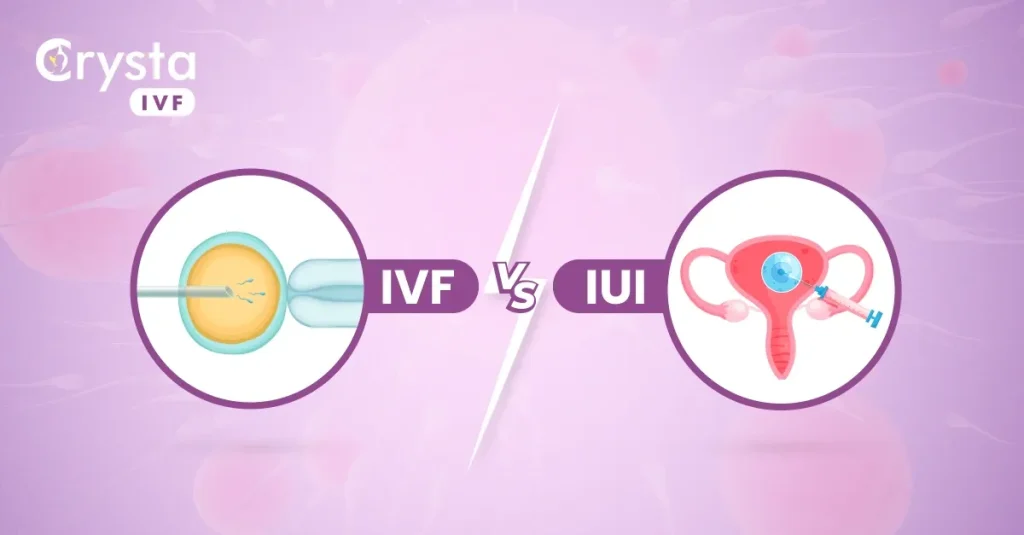
    Comparison of IVF and IUI procedures with illustrations of each method.

    Understanding the Surrogacy Contract: Traditional vs. Gestational Surrogacy

    The Surrogacy Contract

    Both traditional and gestational surrogacy require a surrogacy contract to be signed by all parties involved. The contract includes details such as the surrogate’s compensation, medical expenses, and any other financial arrangements. It also outlines the intended parents’ expectations and responsibilities, such as providing emotional support and attending doctor’s appointments.

    In traditional surrogacy, the contract may also include the surrogate’s agreement to relinquish her parental rights after giving birth. This is necessary to ensure that the intended parents are the legal parents of the child and have full custody.

    In gestational surrogacy, the contract may include an agreement for the surrogate to undergo specific medical procedures, such as IVF, and to follow any necessary medical instructions. It may also include provisions for the intended parents to cover any medical expenses related to the surrogacy process.

    Legal Considerations

    Surrogacy contracts are legally binding, and it is essential to consult with a lawyer who specializes in reproductive law before signing one. The laws surrounding surrogacy vary by state and country, and it is crucial to ensure that the contract complies with all legal requirements to avoid any potential disputes or legal issues in the future.

    In some cases, the intended parents may also need to obtain a pre-birth order or an adoption order to establish their legal rights as the child’s parents. This process involves going to court and can be a lengthy and expensive process. Therefore, it is crucial to have a thorough understanding of the legal implications and requirements before entering into a surrogacy contract.

    In Conclusion

    Surrogacy contracts play a vital role in the surrogacy process, as they outline the expectations and responsibilities of all parties involved. They also serve as a legal document that ensures the intended parents have full custody of the child. Understanding the differences between traditional and gestational surrogacy, as well as the legal considerations, is crucial for anyone considering surrogacy as an option for starting or expanding their family.

    Summary:

    Surrogacy contracts are legal agreements between intended parents and surrogates that outline the expectations and responsibilities of both parties during the surrogacy process. There are two types of surrogacy: traditional and gestational. Traditional surrogacy involves the surrogate using her own egg, while gestational surrogacy involves using IVF to create an embryo using the intended parents’ egg and sperm. The contract includes details such as compensation, medical expenses, and legal considerations, and it is crucial to consult with a lawyer before signing one.