Sperm donation has become a popular option for couples and individuals struggling with fertility issues or looking to start a family. However, there are important legal implications to consider when choosing between using a sperm bank or a known donor.
Sperm banks, also known as cryobanks, are facilities that collect, store, and distribute donated sperm. Known donors, on the other hand, are individuals who donate sperm directly to the intended recipient. While both options have their pros and cons, it is crucial to understand the legal implications of each before making a decision.
In this blog post, we will explore the legal implications of using sperm banks vs known donors and why it is essential to consider these factors before starting the sperm donation process.
1. Donor Anonymity
One of the key differences between sperm banks and known donors is the level of anonymity. Donors at sperm banks are typically anonymous, meaning the recipient has no access to their identity or personal information. This anonymity is meant to protect the donor’s privacy and prevent any future legal claims or obligations.
On the other hand, known donors are not anonymous, and the intended recipient is aware of their identity. This can have legal implications, as the donor may have parental rights and obligations towards any resulting children. In some cases, known donors have successfully argued for parental rights, leading to complex legal battles and potential financial obligations for the intended parents.
2. Legal Rights and Obligations of Donors
In most jurisdictions, sperm donors at sperm banks are protected from any legal rights or obligations towards any resulting children. This means that they have no parental rights and are not financially responsible for the child’s upbringing.
However, known donors may have different legal rights and obligations, depending on the laws in their jurisdiction. In some cases, known donors may be considered legal parents, and therefore, have parental rights and obligations towards the child. This can include financial support, custody, and visitation rights.
It is crucial to note that these legal rights and obligations may vary depending on the circumstances of the donation, such as whether the donor is married or in a committed relationship at the time of donation.
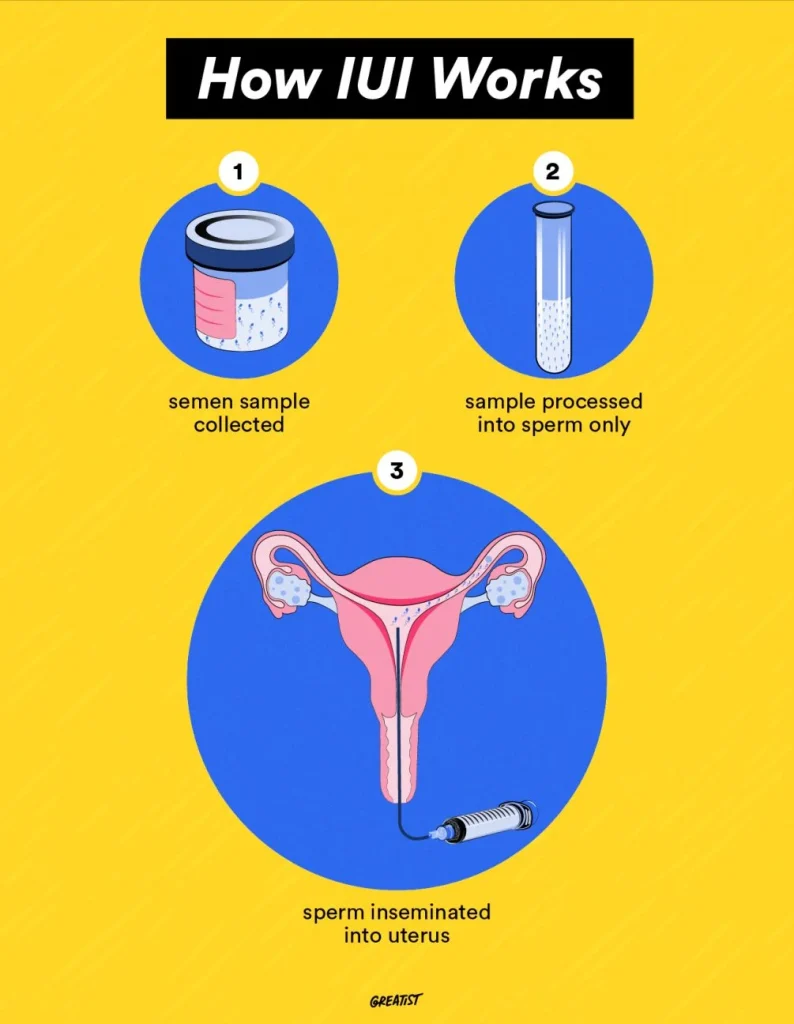
The Legal Implications of Using Sperm Banks vs Known Donors
3. Establishing Parent-Child Relationship
When using a sperm bank, the donor’s anonymity can make it challenging to establish a legal parent-child relationship. In most cases, the intended recipient will have full legal rights and responsibilities towards the child, and the donor will have no legal connection.
On the other hand, known donors may have a legal connection to the child, especially if they have been involved in the child’s life since birth. This can create complex legal situations, especially if the donor decides to claim parental rights or obligations in the future.
4. Legal Protections for Intended Parents
For couples or individuals using sperm banks, there are legal protections in place to ensure that they have full parental rights over any resulting children. These protections can include legal contracts, which outline the donor’s anonymity and the intended parents’ rights to the child.
However, known donors may not be subject to these legal protections, and the intended parents may not have the same level of legal rights over the child. This can lead to legal issues and disputes over parental rights and obligations, especially if the donor decides to assert their rights in the future.
5. Potential Legal Issues
Using a known donor can also increase the risk of potential legal issues in the future. For example, if the donor is not thoroughly screened for medical or genetic conditions, the child may have legal grounds to sue for damages in the future.
Additionally, if the donor changes their mind about their involvement in the child’s life, it can lead to custody battles and other legal complications. In contrast, sperm banks have strict procedures in place to ensure the safety and well-being of any resulting children, making it less likely to face legal issues in the future.
Summarizing, the use of sperm banks and known donors has different legal implications that must be considered before starting the sperm donation process. Factors such as donor anonymity, legal rights and obligations, establishing parent-child relationships, legal protections for intended parents, and potential legal issues can significantly impact the outcome of using a sperm bank or known donor.
It is crucial to research and understand the legal landscape in your jurisdiction before making a decision on which option is best for you. Consulting with a reproductive or family law attorney can also provide valuable insights and guidance on navigating the legal implications of using sperm banks vs known donors.
In conclusion, while sperm donation can be a great option for individuals or couples looking to start a family, it is essential to carefully consider the legal implications and make an informed decision that is in the best interest of all parties involved.