Tag: Open Communication

  • Male Factor Infertility and Male Enhancement: Debunking the Connection

    Blog Post Title: Male Factor Infertility and Male Enhancement: Debunking the Connection

    Introduction:
    Infertility affects about 1 in 8 couples and it is estimated that male factor infertility is responsible for about 40% of these cases. When a couple struggles with infertility, the focus is often on the woman and her reproductive health. However, it is important to also address male factor infertility and its potential causes. One of the common misconceptions surrounding male infertility is the belief that male enhancement supplements or treatments can improve fertility. In this blog post, we will explore the connection between male factor infertility and male enhancement and debunk any myths surrounding this topic.

    Understanding Male Factor Infertility:
    To understand the connection between male factor infertility and male enhancement, it is important to first understand what male factor infertility is. Male factor infertility refers to the inability of a man to impregnate a woman after 12 months of regular unprotected intercourse. This can be due to a variety of reasons such as low sperm count, abnormal sperm shape or movement, or hormonal imbalances. It is important to note that male infertility does not necessarily mean a man is unable to have sexual intercourse, it simply means there is a problem with his sperm.

    What is Male Enhancement?
    Male enhancement refers to any products or treatments that claim to improve male sexual performance, increase libido, or enhance the size of the penis. These products can include supplements, creams, pumps, and surgeries. The market for male enhancement products is huge, with millions of dollars spent on these products every year. However, the effectiveness and safety of these products are often questionable.

    The Myth of Male Enhancement and Fertility:
    One of the common myths surrounding male factor infertility is that taking male enhancement supplements or undergoing treatments can improve a man’s fertility. This belief is often perpetuated by marketing tactics used by companies selling these products. They claim that their products can increase sperm count, improve sperm quality, and ultimately increase the chances of pregnancy. However, there is no scientific evidence to support these claims.
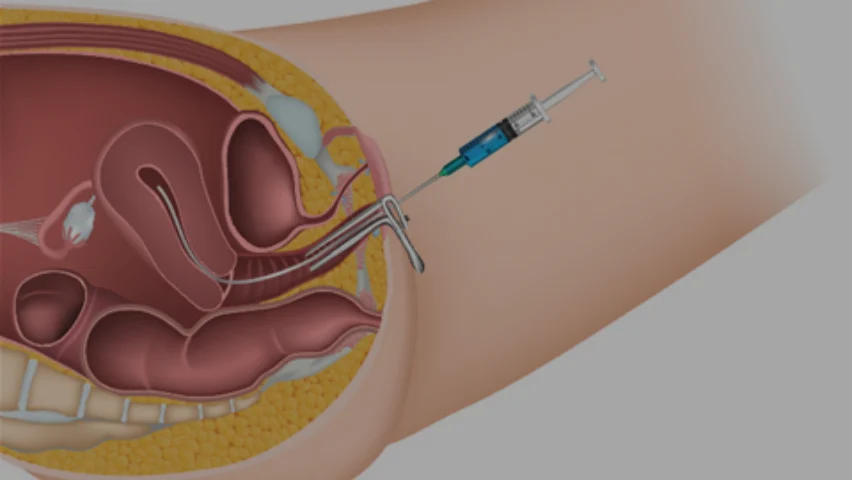
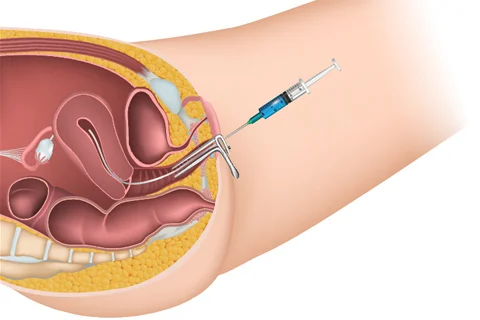
    Illustration of intrauterine insemination (IUI) procedure with syringe and catheter in the uterus.

    Male Factor Infertility and Male Enhancement: Debunking the Connection

    In fact, some male enhancement supplements may actually harm male fertility. The ingredients in these products are not regulated by the FDA, so there is no guarantee of their safety or effectiveness. Some of these supplements may contain harmful ingredients that can negatively impact sperm production and quality. Additionally, certain treatments like penile implants or surgeries can also cause damage to the reproductive organs, ultimately leading to infertility.

    The Truth about Male Factor Infertility and Treatment:
    While male enhancement products may not improve male fertility, there are other treatments available for male factor infertility. Depending on the cause of infertility, a doctor may recommend lifestyle changes, medications, or procedures such as intrauterine insemination (IUI) or in vitro fertilization (IVF). These treatments are based on scientific research and have been proven to be effective in helping couples conceive.

    In some cases, male factor infertility may also be a symptom of an underlying medical condition. It is important for men to consult with a doctor to determine the cause of infertility and address any underlying health issues. This can not only improve fertility but also overall health and well-being.

    The Importance of Open Communication:
    Another reason why the myth of male enhancement and fertility persists is the stigma surrounding male infertility. Many men feel embarrassed or ashamed to talk about their fertility issues, which can lead them to turn to unproven treatments. It is important for couples to have open and honest communication about fertility and seek professional help if needed. Male infertility is a common issue and it is nothing to be ashamed of.

    Summarizing the Connection between Male Factor Infertility and Male Enhancement:
    In summary, male factor infertility is a common issue that affects many couples and it is important to address it alongside female infertility. Male enhancement products and treatments have no scientific evidence to support their effectiveness in improving fertility and may even cause harm. Seeking professional help and having open communication about fertility is key in addressing male factor infertility.

    In conclusion, the connection between male factor infertility and male enhancement is a myth that needs to be debunked. Instead of relying on unproven treatments, it is important for men to consult with a doctor and address any underlying health issues. Open communication and seeking professional help can greatly improve the chances of conception and ultimately, the dream of starting a family.
  • Navigating Legal and Ethical Issues in DIY Insemination

    Blog Post Title: Navigating Legal and Ethical Issues in DIY Insemination

    In recent years, the concept of DIY (do-it-yourself) insemination has gained popularity among individuals and couples who are trying to conceive. This method involves using at-home insemination kits or self-administered insemination techniques to achieve pregnancy without the assistance of a medical professional. While DIY insemination may seem like a simple and cost-effective solution, it is important to understand the legal and ethical considerations that come with this practice.

    Legal Considerations:

    The legality of DIY insemination varies depending on the location. In some countries, it is illegal to perform any type of insemination without a licensed medical professional. In the United States, the laws surrounding DIY insemination are not clear-cut and can vary from state to state. Some states require a medical professional to be present during the insemination process, while others have no laws governing DIY insemination at all.

    One of the biggest legal issues surrounding DIY insemination is the lack of legal protection for both the donor and the recipient. Without proper legal documentation, the donor may not have any legal rights or obligations towards the child, which can lead to complex legal battles in the future. Similarly, the recipient may not have any legal grounds to seek financial support from the donor if needed.

    To avoid these potential legal issues, it is important to consult with a lawyer and have a legally binding contract in place before proceeding with DIY insemination. This contract should outline the rights and responsibilities of both the donor and recipient, including any financial arrangements, custody agreements, and any other important considerations.

    Ethical Considerations:

    Aside from the legal concerns, there are also ethical considerations to take into account when considering DIY insemination. One of the main ethical concerns is the potential for harm to the child. Unlike medically assisted insemination, where the donor is screened for genetic and hereditary diseases, DIY insemination may not involve any screening process. This can put the child at risk of inheriting genetic disorders or diseases from the donor.

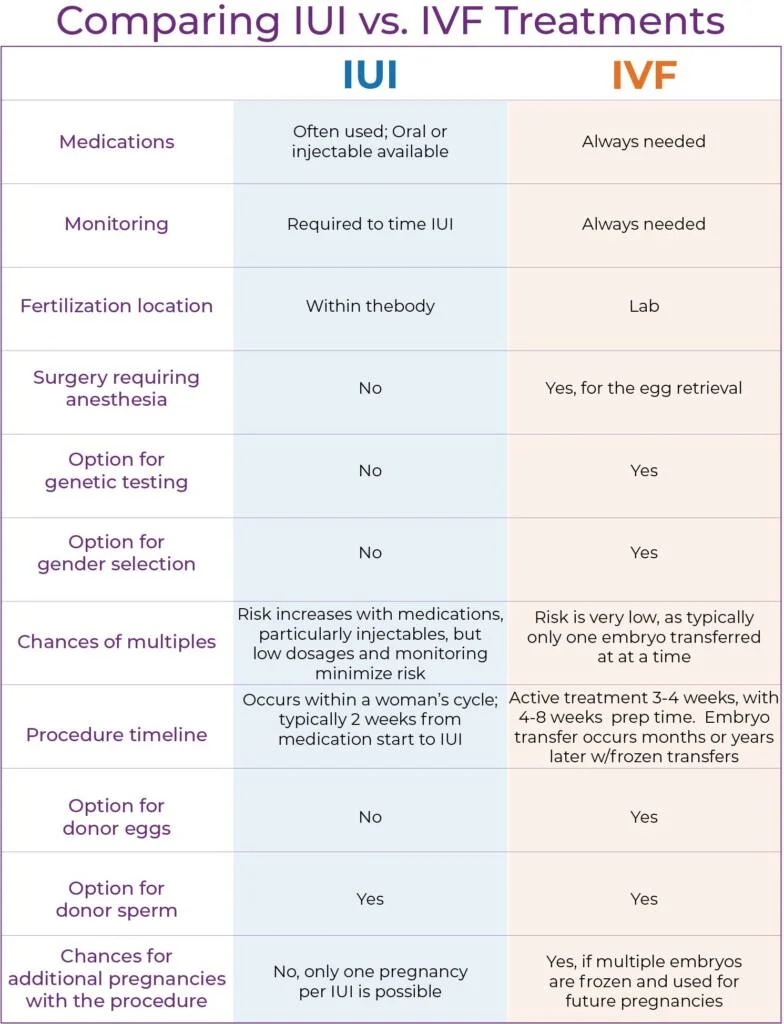
    Comparison chart of IUI and IVF treatments, detailing medications, monitoring, procedures, and success rates.

    Navigating Legal and Ethical Issues in DIY Insemination

    Another ethical issue to consider is the emotional impact on all parties involved. For the donor, there may be concerns about the child wanting to establish a relationship with them in the future. For the recipient, there may be emotional implications of having a child with a donor they do not know or have a relationship with. These potential emotional challenges should be carefully considered before proceeding with DIY insemination.

    It is also important to consider the rights and well-being of the child in this process. While DIY insemination may be a means of achieving pregnancy for the parents, it is important to consider the child’s right to know their genetic origins and have access to their medical history. It is recommended to have open and honest communication with the child about their conception to avoid any potential emotional or psychological issues in the future.

    Tips for Navigating Legal and Ethical Issues:

    1. Research the laws and regulations in your specific location before proceeding with DIY insemination. Consult with a lawyer to ensure that you are aware of any legal implications and have a legally binding contract in place.

    2. Consider the emotional impact on all parties involved, including the child. Have open and honest communication with the donor and recipient to ensure that everyone’s needs and concerns are addressed.

    3. If using a known donor, consider undergoing genetic and hereditary testing to reduce the risk of passing on any genetic disorders or diseases to the child.

    4. Be prepared for any potential challenges that may arise in the future, such as the child wanting to establish a relationship with the donor or seeking financial support.

    5. Keep the child’s best interests in mind at all times and be transparent about their conception to avoid any potential emotional or psychological issues.

    In conclusion, while DIY insemination may seem like a simple and cost-effective solution for achieving pregnancy, it is important to carefully consider the legal and ethical implications that come with this practice. By being well-informed and taking the necessary precautions, individuals and couples can navigate these issues and make the best decision for themselves and their future child.

  • The Importance of Open Communication in At-Home Insemination

    Blog Post:

    In recent years, at-home insemination has become an increasingly popular method for couples and individuals looking to start a family. This process involves using donor sperm to fertilize an egg, either through intercourse or artificial insemination. While at-home insemination can be a convenient and cost-effective option, it also requires a high level of open communication between partners. In this blog post, we will discuss the importance of open communication in at-home insemination, and how it can contribute to a successful and fulfilling experience for all parties involved.

    Effective Communication Creates a Supportive Environment

    At-home insemination can be an emotional and stressful journey for both partners. It is essential to create a supportive environment where both parties can openly express their feelings and concerns. This can include discussing fears, anxieties, and expectations about the process, as well as providing emotional support for each other throughout the various stages.

    Effective communication also means being able to listen to and understand your partner’s needs and concerns. This can help build trust and strengthen the relationship, creating a solid foundation for the insemination process.

    Clarifying Expectations and Roles

    One of the most critical aspects of open communication in at-home insemination is clarifying expectations and roles. Before beginning the process, it is essential to discuss and agree upon each partner’s roles and responsibilities. This can include things like who will be responsible for tracking ovulation, preparing the insemination kit, and administering the insemination.

    Having a clear understanding of each other’s expectations and roles can help avoid misunderstandings and potential conflicts down the road. It also allows for a more organized and efficient process, reducing stress and anxiety for both partners.

    Discussing Medical History and Fertility Concerns

    Another crucial aspect of open communication in at-home insemination is discussing medical history and fertility concerns. This is especially important for same-sex couples, where one partner may need to use donor sperm. It is vital to have open and honest conversations about any potential health issues or genetic risks that may affect the pregnancy and the child’s health.

    It is also essential to discuss any fertility concerns, such as previous miscarriages or difficulty conceiving. This information can help both partners prepare for potential challenges and seek medical advice if necessary.

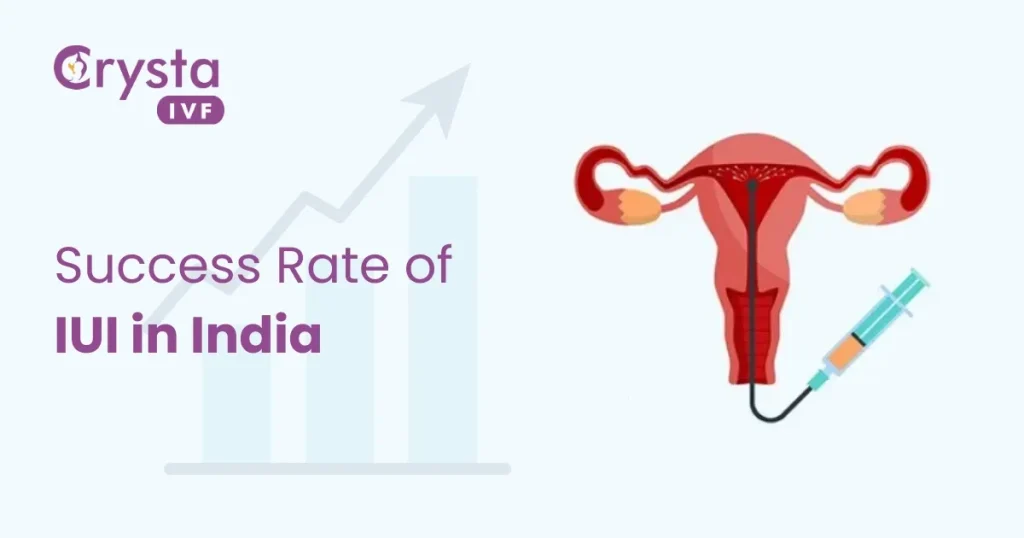
    success rate of IUI in India with a graphic of a uterus and syringe alongside a rising graph

    The Importance of Open Communication in At-Home Insemination

    Creating a Safe Space for Decision-Making

    At-home insemination involves many decisions, from choosing a donor to deciding on the insemination method and timing. Open communication plays a significant role in creating a safe space for decision-making. It allows both partners to feel heard and valued in the decision-making process, leading to a more equal and collaborative experience.

    Discussing Finances and Legal Considerations

    At-home insemination can be a more affordable option compared to other methods, but it still involves some financial costs. It is crucial to openly discuss and agree on how much each partner is willing to spend on the process. This conversation can also extend to any potential legal considerations, such as parental rights and responsibilities.

    Creating a plan and budget together can help avoid any financial strain on the relationship and ensure that both partners are on the same page.

    Open Communication with Donor

    If using donor sperm, it is essential to have open communication with the donor as well. This can include discussing expectations and boundaries, as well as any potential medical or genetic concerns. It is also essential to have a legal agreement in place to protect all parties involved.

    Having open communication with the donor can also provide the child with a better understanding of their genetic background and allow for a potential relationship with the donor in the future.

    Dealing with Challenges and Disappointments

    No matter how much preparation and planning goes into at-home insemination, there is always a chance of unexpected challenges and disappointments. This can include difficulties with conception, miscarriage, or other fertility issues.

    Open communication is crucial during these times as it allows both partners to support each other and work through the challenges together. It can also help prevent feelings of isolation and resentment and strengthen the bond between partners.

    In summary, open communication is essential in all aspects of at-home insemination. It creates a supportive and understanding environment, clarifies expectations and roles, discusses medical history and fertility concerns, creates a safe space for decision-making, addresses financial and legal considerations, and deals with challenges and disappointments. By prioritizing open communication, couples and individuals can have a more positive and successful experience with at-home insemination.

  • The Ethics of Home Insemination and IVF for Same-Sex Couples

    The Ethics of Home Insemination and IVF for Same-Sex Couples

    In recent years, there has been a significant increase in the number of same-sex couples choosing to start a family through home insemination and IVF (In Vitro Fertilization). While this decision has brought joy and fulfillment to many, it has also sparked debates and controversies surrounding the ethical implications of these methods. In this blog post, we will explore the ethics of home insemination and IVF for same-sex couples, including the concerns and considerations surrounding these methods, and the importance of understanding and respecting the ethical principles involved.

    The History of Home Insemination and IVF for Same-Sex Couples

    Home insemination, also known as artificial insemination, has been a popular method for heterosexual couples struggling with fertility issues. However, with the legalization of same-sex marriage and the growing acceptance of LGBTQ+ individuals, this method has also become a viable option for same-sex couples to start a family. Home insemination involves using a donor’s sperm to fertilize the egg, either through vaginal or intrauterine insemination. Similarly, IVF involves retrieving eggs from a female partner or a donor, fertilizing them with sperm in a laboratory, and transferring the resulting embryo to the uterus.

    The Ethics of Home Insemination and IVF

    One of the main ethical concerns surrounding home insemination and IVF for same-sex couples is the use of donor sperm. The choice to use a donor raises questions about the child’s genetic makeup and their right to know their biological origins. Some argue that children have a right to know their genetic heritage and that it is unethical to deny them that information. However, others argue that the love and care provided by the parents are more important than genetic similarities.

    Another ethical consideration is the potential psychological impact on the child of growing up without a traditional family structure. Some argue that children need both a mother and a father figure to thrive, and that same-sex couples may not be able to provide this. However, numerous studies have shown that children raised by same-sex couples do not differ significantly from those raised by heterosexual couples in terms of psychological well-being and development.

    The Role of Consent and Autonomy

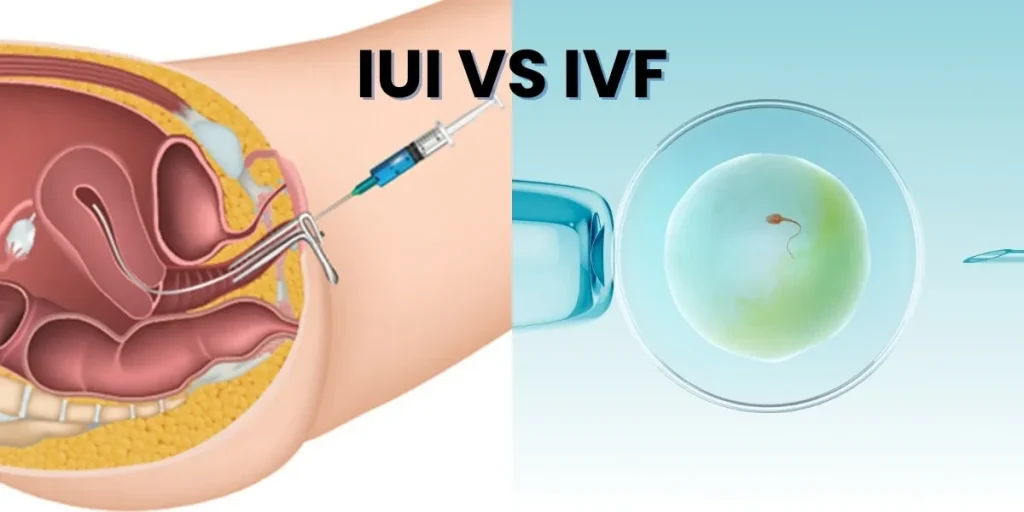
    comparison of IUI and IVF fertility treatments with illustrations of procedures and a petri dish with an egg and sperm

    The Ethics of Home Insemination and IVF for Same-Sex Couples

    Consent and autonomy are crucial ethical principles to consider when it comes to home insemination and IVF for same-sex couples. It is essential to ensure that all parties involved, including the donor, are giving informed and voluntary consent. This means understanding the potential risks, implications, and responsibilities that come with donating sperm or being a parent. The autonomy of the donor and the parents must also be respected, and their wishes should be taken into consideration throughout the process.

    Regulations and Legalities

    The use of donor sperm and IVF for same-sex couples raises questions about the regulations and legalities surrounding these methods. In many countries, the laws and regulations surrounding assisted reproduction and donor anonymity are still evolving, leading to uncertainty and ambiguity for same-sex couples. Some countries may have strict regulations that limit access to these methods, while others may lack regulations altogether. It is crucial for same-sex couples to do their research and seek legal advice to ensure that they are following the proper procedures and regulations.

    The Importance of Open Communication and Transparency

    Open communication and transparency are essential for the ethical practice of home insemination and IVF for same-sex couples. This includes being honest with the child about their conception and ensuring that they have access to information about their genetic heritage when they are old enough to understand. It also involves maintaining open communication with the donor, if possible, to address any potential concerns or issues that may arise.

    The Bottom Line

    The decision to use home insemination or IVF for same-sex couples is a personal one that should be made after careful consideration of the ethical implications involved. While there are valid concerns and considerations to be addressed, it is essential to remember that the most crucial factor in any family is love and care. As long as all parties involved give informed consent, and the well-being of the child is the top priority, home insemination and IVF can be a viable and ethical option for same-sex couples to start a family.

    In summary, the use of home insemination and IVF for same-sex couples has sparked ethical debates and concerns. The main issues revolve around donor anonymity and the psychological impact on the child. However, with proper consideration of ethical principles such as consent, autonomy, and open communication, these methods can be an ethical and fulfilling way for same-sex couples to start a family.

  • The Role of Donor-Recipient Relationships in Sperm Banks vs Known Donors

    Blog Post: The Role of Donor-Recipient Relationships in Sperm Banks vs Known Donors

    Sperm donation has become a widely accepted and utilized method for couples and individuals to start or expand their families. With advancements in technology and science, sperm banks have emerged as a popular option for those seeking a donor. However, another option that has gained traction in recent years is known donors, where the recipient has a personal connection with the donor. In both scenarios, the donor-recipient relationship plays a crucial role in the success and dynamics of the arrangement. In this blog post, we will explore the importance of donor-recipient relationships in sperm banks and known donors, and how they differ from each other.

    Sperm Banks: The Role of Donor-Recipient Relationships

    In sperm banks, the donor-recipient relationship is typically kept anonymous. Donors are usually chosen based on their physical characteristics, education, and health history. The recipient does not have any personal connection with the donor, and the arrangement is purely a business transaction. This anonymity can be beneficial for both parties as it allows the recipient to focus solely on the donor’s genetic material and not be influenced by any personal biases or emotions.

    However, this anonymity also means that the recipient and the child, if conceived, will not have any information about the donor’s identity or medical history. This lack of information can be challenging for the child as they grow up and may have questions about their genetic background. It can also create a sense of loss and longing for the donor, who may never know if their donation resulted in a successful pregnancy.

    In some cases, sperm banks may offer limited non-identifying information about the donor, such as their physical characteristics and occupation. This information can help the recipient feel more connected to the donor and ease any concerns they may have about their choice. However, it still does not provide the level of personal connection that known donors offer.

    Known Donors: The Role of Donor-Recipient Relationships

    Known donors are individuals who have a personal relationship with the recipient, such as a friend or family member. In this scenario, the donor-recipient relationship is more intimate and involves trust, communication, and emotional support. The recipient and the donor have a pre-existing bond, which can make the process of sperm donation more comfortable and less clinical.

    Illustration of IUI procedure with uterus and syringe against a DNA background.

    The Role of Donor-Recipient Relationships in Sperm Banks vs Known Donors

    One significant advantage of known donors is the ability to have open and honest communication about the donation process. The recipient can ask questions about the donor’s medical history, lifestyle, and motivations for donating, which can provide peace of mind and a deeper understanding of the donor. Additionally, known donors can provide the recipient and the child with a sense of connection and identity, as they know where their genetic material is coming from.

    However, there can also be challenges in known donor arrangements. The donor may feel a sense of responsibility towards the child, which can create conflicts and boundaries within the relationship. The recipient may also feel pressure to maintain a close relationship with the donor, even if it is not what they desire. It is essential to have clear communication and boundaries in place to avoid any potential issues that may arise.

    The Importance of Donor-Recipient Relationships in Both Scenarios

    While the dynamics of donor-recipient relationships differ in sperm banks and known donors, they both play a crucial role in the donation process. In sperm banks, the relationship is more transactional, but it is essential for the recipient to have trust in the donor’s medical history and genetic material. In known donor arrangements, the relationship is more personal, and trust and communication are vital for a successful donation.

    No matter the type of donor-recipient relationship, it is crucial to have open and honest communication, trust, and boundaries in place. These elements ensure that both parties are comfortable and have a clear understanding of their roles and responsibilities in the arrangement.

    In conclusion, the donor-recipient relationship is a crucial aspect of sperm donation, whether it is through sperm banks or known donors. While both scenarios have their advantages and challenges, the key is to find what works best for the recipient and the donor. Ultimately, the goal of sperm donation is to help individuals or couples achieve their dream of starting or expanding their family, and a strong donor-recipient relationship can play a significant role in making that happen.

    Summary:

    Sperm donation has become a popular method for starting or expanding families, and there are two main options: sperm banks and known donors. In sperm banks, the donor-recipient relationship is kept anonymous, while known donors involve a personal connection between the recipient and the donor. Both scenarios have their advantages and challenges, but the key to success is open communication, trust, and boundaries in the donor-recipient relationship.

  • The Impact of Sperm Banks vs Known Donors on Traditional Family Structures

    Blog Post Title: The Impact of Sperm Banks vs Known Donors on Traditional Family Structures

    In today’s society, there are many options available for individuals and couples who are looking to start a family. One of the most significant advancements in reproductive technology has been the establishment of sperm banks and the use of known donors. These options have greatly impacted traditional family structures and have raised questions about the role of biological parents in a child’s life. In this blog post, we will explore the impact of sperm banks vs known donors on traditional family structures.

    Sperm Banks: A Brief History

    Sperm banks, also known as cryobanks, were introduced in the 1950s as a way for infertile couples to have children. The first sperm bank was established in Iowa, and since then, the industry has grown significantly. Sperm banks collect, store, and distribute sperm from donors to individuals or couples who are looking to conceive. The donors are anonymous, and the recipients have limited information about the donor’s identity. The use of sperm banks has become more common in recent years, as it provides a safe and regulated option for those looking to start a family.

    Known Donors: A More Personal Option

    Known donors, on the other hand, involve the use of sperm from a person known to the recipient. This could be a close friend, a family member, or someone the recipient has met through online platforms or support groups. The use of known donors has been around for centuries, but it has become more prevalent in recent times due to the advancements in reproductive technology.

    The Impact on Traditional Family Structures

    The use of sperm banks and known donors has had a significant impact on traditional family structures. In the past, the traditional family structure was defined as a married man and woman with biological children. However, with the rise of sperm banks and known donors, this definition has expanded to include single parents, same-sex parents, and non-traditional family structures.

    One of the most significant impacts of sperm banks and known donors is the ability for same-sex couples and single parents to have biological children. In the past, adoption was the only option for same-sex couples or single individuals to have children. With the use of sperm banks and known donors, they can now have a biological connection to their children. This has allowed them to experience parenthood in a way that was not possible before.

    Illustration of the IUI process, showing a syringe and catheter in the reproductive system.

    The Impact of Sperm Banks vs Known Donors on Traditional Family Structures

    Another impact of sperm banks and known donors on traditional family structures is the changing role of biological parents. In traditional family structures, the biological parents were seen as the primary caregivers and responsible for the child’s upbringing. However, with the use of sperm banks and known donors, the role of the biological parent has become more complex. In some cases, the donor may have no involvement in the child’s life, while in others, they may play a significant role. This has led to a redefinition of the traditional family structure, where the role of the biological parent is not solely based on genetics.

    The Debate: Sperm Banks vs Known Donors

    The use of sperm banks and known donors has sparked a debate about which option is better for traditional family structures. Supporters of sperm banks argue that it provides a safe and regulated option for individuals and couples to have children. They also believe that the anonymity of donors allows for a more objective selection process, as the decision is not based on personal relationships.

    On the other hand, supporters of known donors argue that it provides a more personal and intimate experience for both the donor and the recipient. The involvement of the donor in the child’s life can also provide a sense of identity and connection for the child. However, critics argue that known donors can lead to legal and emotional complications, especially if the donors want to be involved in the child’s life after the birth.

    The Importance of Open Communication

    Whether using sperm banks or known donors, open communication is crucial in maintaining healthy traditional family structures. It is essential for the recipient and the donor to have a clear understanding of their roles and expectations before the conception process. If the donor is known, it is also important for the child to know their genetic background and have the opportunity to know and develop a relationship with the donor if they wish.

    In conclusion, the use of sperm banks and known donors has greatly impacted traditional family structures. It has expanded the definition of what constitutes a family and has given individuals and couples more options to start a family. While there may be debates about the best option, the most important thing is open communication and understanding between all parties involved.

    Summary:

    The rise of sperm banks and known donors has greatly impacted traditional family structures. Sperm banks were introduced in the 1950s as a way for infertile couples to have children, while known donors involve using sperm from a person known to the recipient. These options have expanded the definition of a traditional family to include single parents, same-sex parents, and non-traditional family structures. The use of sperm banks and known donors has also led to a redefinition of the role of biological parents. While there is a debate about which option is better, the most important thing is open communication between all parties involved.

  • The Importance of Open Communication in Traditional and Gestational Surrogacy

    Blog Post:

    Surrogacy is a topic that has become increasingly common in today’s society. With advancements in medical technology and shifting societal norms, more and more individuals and couples are turning to surrogacy as a means to start or expand their families. There are two main types of surrogacy – traditional and gestational. In traditional surrogacy, the surrogate mother’s own egg is fertilized with the intended father’s sperm, making her the biological mother of the child. In gestational surrogacy, however, the surrogate mother carries a fertilized embryo, created using the intended parents’ genetic material, and has no genetic connection to the child.

    Regardless of the type of surrogacy, one important aspect that needs to be emphasized is open communication between all parties involved. Open communication is crucial for the success and well-being of everyone involved in the surrogacy process.

    In traditional surrogacy, the surrogate mother plays a dual role of both the biological and gestational mother. This can create a complex dynamic between the surrogate and the intended parents. Open communication can help establish clear boundaries and expectations between the two parties. The surrogate mother should be able to express her thoughts and feelings about the surrogacy journey, and the intended parents should be open to listening and addressing any concerns. This can help build trust and understanding between the surrogate and the intended parents, which is essential for a positive surrogacy experience.

    In gestational surrogacy, where the surrogate has no genetic connection to the child, open communication is still vital. The surrogate mother may feel emotionally attached to the child she is carrying, and it is important for the intended parents to be empathetic and understanding of her feelings. At the same time, the intended parents should also feel comfortable expressing their desires and concerns during the surrogacy process. This open dialogue can help ensure that everyone is on the same page and working towards the same goal – a healthy and happy child.

    Open communication is also important during the medical procedures involved in surrogacy. The surrogate mother and intended parents should be able to discuss and agree on the medical procedures that will take place during the surrogacy, such as IVF and prenatal care. This not only helps to ensure the physical well-being of the surrogate and the child but also fosters a sense of collaboration and partnership between all parties involved.

    illustration of intrauterine insemination procedure with a syringe and catheter in the uterus.

    The Importance of Open Communication in Traditional and Gestational Surrogacy

    In addition to the surrogate mother and intended parents, there may also be other individuals involved in the surrogacy process, such as egg or sperm donors, lawyers, and medical professionals. Open communication between all of these parties is essential for a successful surrogacy journey. This can help prevent misunderstandings, conflicts, and ensure that everyone is on the same page.

    Moreover, open communication can also help address any potential legal issues that may arise during the surrogacy process. With surrogacy laws varying from state to state and country to country, it is crucial to have clear and open communication about legal rights and responsibilities. This can prevent any legal disputes and ensure that all parties involved are protected.

    Finally, open communication is essential for the well-being of the child born through surrogacy. The child may have questions about their surrogacy journey and their birth story, and it is important for all parties involved to be honest and open about their roles. This can help the child develop a positive understanding and acceptance of their unique family dynamic.

    In conclusion, open communication is crucial in both traditional and gestational surrogacy. It helps establish trust, understanding, and clear expectations between all parties involved. It also promotes a collaborative and supportive environment, which is essential for a successful surrogacy journey. Whether you are a surrogate, intended parent, or other individual involved in the surrogacy process, open communication should be a top priority for the well-being of everyone involved.

    Summary:

    Open communication is vital in both traditional and gestational surrogacy. It helps establish clear boundaries and expectations, fosters trust and understanding, and promotes a collaborative and supportive environment. It is crucial for the emotional and physical well-being of the surrogate mother, intended parents, and the child born through surrogacy. Open communication is also necessary to address any legal issues and ensure a successful surrogacy journey.

  • Sperm Donation and Co-Parenting: The Importance of Open and Honest Communication

    Blog Post:

    Sperm donation and co-parenting are two alternative forms of family planning that have become increasingly popular in recent years. With advancements in fertility treatments and shifting societal norms, more and more people are turning to sperm donation and co-parenting as a way to start or expand their families. However, these methods often come with unique challenges and require open and honest communication in order to be successful.

    Sperm donation involves a man donating his sperm to a woman or couple in need of fertility assistance. This can be done through a sperm bank, a fertility clinic, or through a private arrangement. On the other hand, co-parenting involves two or more individuals, either of the same or different genders, who agree to raise a child together without being in a romantic or sexual relationship.

    Both sperm donation and co-parenting can offer many benefits, such as allowing individuals who may not be able to conceive naturally to have a child, creating diverse and non-traditional family structures, and providing children with additional parental figures to love and support them. However, these methods also come with their own set of challenges, particularly around communication.

    One of the biggest challenges in sperm donation and co-parenting is the lack of genetic connection between all parties involved. In traditional parenting, the child is genetically linked to both parents, creating a sense of biological connection and understanding. In sperm donation and co-parenting, this genetic link is not present, which can lead to feelings of confusion and disconnection for the child.

    To overcome this challenge, it is crucial for all parties to have open and honest communication about their expectations and boundaries. This includes discussing the level of involvement the sperm donor or co-parent will have in the child’s life, as well as any concerns or fears about the lack of genetic connection. It is important for all parties to approach these conversations with empathy and understanding, as they can be emotionally charged.

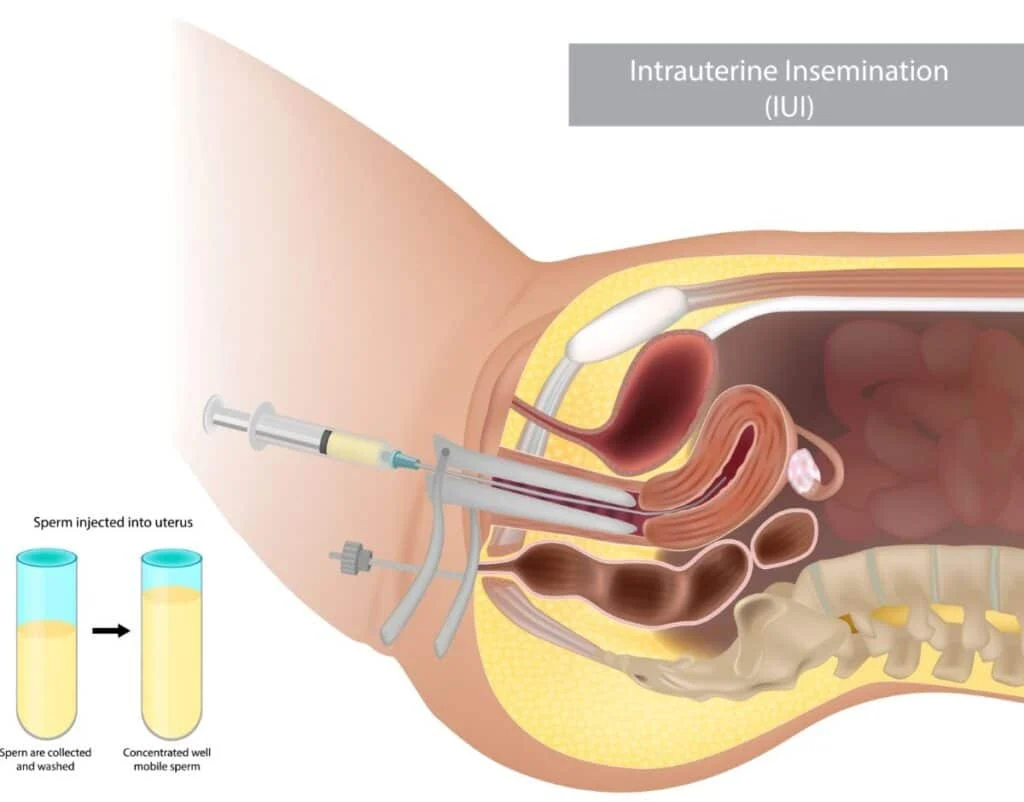
    diagram illustrating intrauterine insemination (IUI) procedure with uterus, sperm, and catheter labeled

    Sperm Donation and Co-Parenting: The Importance of Open and Honest Communication

    Another important aspect of open and honest communication in sperm donation and co-parenting is establishing clear roles and responsibilities. In traditional parenting, the roles and responsibilities of each parent are typically understood and agreed upon from the beginning. However, in sperm donation and co-parenting, these roles and responsibilities may not be as clear, leading to potential conflict and misunderstandings.

    For example, in co-parenting arrangements, it is important to discuss and agree upon how decisions will be made for the child, such as education, religion, and discipline. It is also crucial to discuss financial responsibilities and how the child will be supported financially by all parties involved. By setting clear expectations and boundaries early on, potential conflicts can be avoided in the future.

    Open and honest communication is also essential in addressing any potential legal issues that may arise in sperm donation and co-parenting arrangements. In traditional parenting, the legal rights and responsibilities of the parents are clearly defined. However, in alternative family planning methods, the legal landscape can be more complex.

    For instance, in sperm donation, the sperm donor may have legal parental rights and responsibilities unless a written agreement is in place relinquishing those rights. In co-parenting, legal custody and visitation arrangements may need to be established to ensure the best interests of the child are met. It is crucial for all parties to have a thorough understanding of the legal implications and to have open and honest communication about them.

    Moreover, open and honest communication is crucial for building and maintaining a positive and healthy co-parenting relationship. In traditional parenting, the bond between the two parents is often strengthened by their shared genetic connection to the child. In alternative family planning, this bond may not exist, making it even more important to establish a strong and positive relationship through open communication.

    Regular check-ins and discussions about the child’s well-being and any changes in the co-parenting arrangement can help build trust and understanding between all parties involved. It is also important to openly discuss any potential conflicts and work together to find solutions that are in the best interest of the child.

    In summary, sperm donation and co-parenting can offer unique and fulfilling family dynamics, but they also come with their own set of challenges. Open and honest communication is crucial in overcoming these challenges and building successful and healthy relationships within these alternative family structures. By discussing expectations, roles and responsibilities, legal implications, and maintaining regular communication, individuals can create a positive and supportive environment for their children to thrive in.

  • The Changing Face of Parenthood: Sperm Donation and Co-Parenting in the Digital Age

    Title: The Changing Face of Parenthood: Sperm Donation and Co-Parenting in the Digital Age

    Parenthood has always been a complex and ever-evolving concept, but with the advancements in technology and the rise of the digital age, the landscape of parenthood is changing rapidly. In particular, the practices of sperm donation and co-parenting have seen a significant shift with the help of digital platforms and online communities. In this blog post, we will explore how the digital age has transformed the way people approach parenthood through sperm donation and co-parenting.

    The Evolution of Sperm Donation

    Sperm donation, once a taboo subject, has become more widely accepted and accessible in recent years. With the help of the internet and online sperm banks, individuals and couples looking to start a family can now easily find a suitable donor and order sperm samples from the comfort of their own homes. This shift has opened up a whole new world of possibilities for those struggling with fertility issues or those who choose to have a child without a partner.

    The rise of online sperm banks has also made the process more inclusive and diverse. Donors from different backgrounds, races, and sexual orientations can now make their sperm available for those in need. This has allowed for a more diverse gene pool and has given individuals and couples more options when choosing a donor.

    In addition to online sperm banks, social media has played a significant role in connecting donors with intended parents. Many donors now use social media platforms to share their stories and connect with potential recipients. This has created a more personal and transparent process, as donors can share their backgrounds, medical history, and motivations for donating. It has also allowed for a more direct and open communication between donors and intended parents.

    Co-Parenting in the Digital Age

    Co-parenting, where two or more individuals come together to raise a child without being in a romantic relationship, has also seen a rise in popularity with the help of digital platforms. Online co-parenting websites and apps have made it easier for people to find like-minded individuals who share the same desire to become parents.

    These platforms allow individuals to create profiles, specify their parenting goals, and search for potential co-parents based on various criteria. This has made it possible for people to find a co-parent who shares their values, beliefs, and parenting style, which is crucial in raising a child together.

    Moreover, the digital age has also made it easier for co-parents to communicate and co-parent effectively. With the use of video calls, messaging apps, and shared calendars, co-parents can now easily stay connected and involved in their child’s life, even if they live in different locations. This has greatly improved the co-parenting experience and has made it a more feasible option for many.

    Diagram illustrating intrauterine insemination (IUI) procedure with sperm injection into the uterus.

    The Changing Face of Parenthood: Sperm Donation and Co-Parenting in the Digital Age

    Legal Implications and Challenges

    While the digital age has made sperm donation and co-parenting more accessible, it has also brought about some legal implications and challenges. With the use of online platforms, the lines between traditional sperm donation and co-parenting have become blurred, leading to potential legal issues for both donors and intended parents.

    In the case of sperm donation, online platforms may not have the necessary regulations and protocols in place to ensure the safety and well-being of both donors and recipients. This can lead to concerns about the anonymity of donors, potential health risks, and legal disputes over parental rights.

    Similarly, with co-parenting, the lack of legal frameworks and agreements can lead to complications in the future. Without proper legal documentation, co-parents may face challenges in terms of custody, financial responsibilities, and decision-making for the child.

    The Importance of Open Communication and Consent

    With the changing landscape of sperm donation and co-parenting, it is more important than ever to have open communication and clear consent between all parties involved. Whether it is between donors and intended parents or co-parents, it is crucial to have honest and transparent conversations about expectations, responsibilities, and boundaries.

    Moreover, it is important to seek legal advice and have proper documentation in place to protect all parties involved. This will help avoid potential legal issues and ensure that everyone’s rights and responsibilities are clearly defined.

    In conclusion, the digital age has brought about significant changes in the world of parenthood, particularly in the practices of sperm donation and co-parenting. While these changes have made it easier for individuals and couples to start a family, it is important to be aware of the potential legal implications and challenges that may arise. By prioritizing open communication and seeking legal guidance, we can navigate the changing face of parenthood in the digital age with more confidence and clarity.

    Summary:

    Parenthood has undergone significant changes in the digital age, particularly in the areas of sperm donation and co-parenting. The rise of online sperm banks and social media has made sperm donation more accessible and diverse, while online platforms have made it easier for individuals to find co-parents with similar values and goals. However, these changes have also brought about legal implications and challenges, making it crucial for open communication and consent to be prioritized. Seeking legal advice and having proper documentation in place can help navigate the changing landscape of parenthood in the digital age.