Blog Post:
Surrogacy is a topic that has become increasingly common in today’s society. With advancements in medical technology and shifting societal norms, more and more individuals and couples are turning to surrogacy as a means to start or expand their families. There are two main types of surrogacy – traditional and gestational. In traditional surrogacy, the surrogate mother’s own egg is fertilized with the intended father’s sperm, making her the biological mother of the child. In gestational surrogacy, however, the surrogate mother carries a fertilized embryo, created using the intended parents’ genetic material, and has no genetic connection to the child.
Regardless of the type of surrogacy, one important aspect that needs to be emphasized is open communication between all parties involved. Open communication is crucial for the success and well-being of everyone involved in the surrogacy process.
In traditional surrogacy, the surrogate mother plays a dual role of both the biological and gestational mother. This can create a complex dynamic between the surrogate and the intended parents. Open communication can help establish clear boundaries and expectations between the two parties. The surrogate mother should be able to express her thoughts and feelings about the surrogacy journey, and the intended parents should be open to listening and addressing any concerns. This can help build trust and understanding between the surrogate and the intended parents, which is essential for a positive surrogacy experience.
In gestational surrogacy, where the surrogate has no genetic connection to the child, open communication is still vital. The surrogate mother may feel emotionally attached to the child she is carrying, and it is important for the intended parents to be empathetic and understanding of her feelings. At the same time, the intended parents should also feel comfortable expressing their desires and concerns during the surrogacy process. This open dialogue can help ensure that everyone is on the same page and working towards the same goal – a healthy and happy child.
Open communication is also important during the medical procedures involved in surrogacy. The surrogate mother and intended parents should be able to discuss and agree on the medical procedures that will take place during the surrogacy, such as IVF and prenatal care. This not only helps to ensure the physical well-being of the surrogate and the child but also fosters a sense of collaboration and partnership between all parties involved.
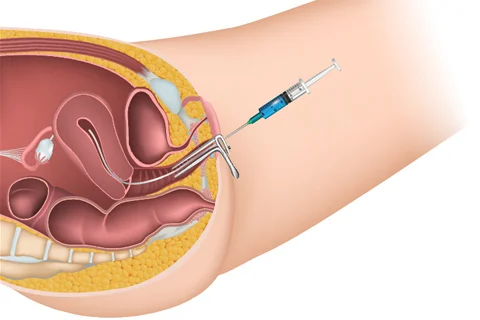
The Importance of Open Communication in Traditional and Gestational Surrogacy
In addition to the surrogate mother and intended parents, there may also be other individuals involved in the surrogacy process, such as egg or sperm donors, lawyers, and medical professionals. Open communication between all of these parties is essential for a successful surrogacy journey. This can help prevent misunderstandings, conflicts, and ensure that everyone is on the same page.
Moreover, open communication can also help address any potential legal issues that may arise during the surrogacy process. With surrogacy laws varying from state to state and country to country, it is crucial to have clear and open communication about legal rights and responsibilities. This can prevent any legal disputes and ensure that all parties involved are protected.
Finally, open communication is essential for the well-being of the child born through surrogacy. The child may have questions about their surrogacy journey and their birth story, and it is important for all parties involved to be honest and open about their roles. This can help the child develop a positive understanding and acceptance of their unique family dynamic.
In conclusion, open communication is crucial in both traditional and gestational surrogacy. It helps establish trust, understanding, and clear expectations between all parties involved. It also promotes a collaborative and supportive environment, which is essential for a successful surrogacy journey. Whether you are a surrogate, intended parent, or other individual involved in the surrogacy process, open communication should be a top priority for the well-being of everyone involved.
Summary:
Open communication is vital in both traditional and gestational surrogacy. It helps establish clear boundaries and expectations, fosters trust and understanding, and promotes a collaborative and supportive environment. It is crucial for the emotional and physical well-being of the surrogate mother, intended parents, and the child born through surrogacy. Open communication is also necessary to address any legal issues and ensure a successful surrogacy journey.