The Ethics of Home Insemination and IVF for Same-Sex Couples
In recent years, there has been a significant increase in the number of same-sex couples choosing to start a family through home insemination and IVF (In Vitro Fertilization). While this decision has brought joy and fulfillment to many, it has also sparked debates and controversies surrounding the ethical implications of these methods. In this blog post, we will explore the ethics of home insemination and IVF for same-sex couples, including the concerns and considerations surrounding these methods, and the importance of understanding and respecting the ethical principles involved.
The History of Home Insemination and IVF for Same-Sex Couples
Home insemination, also known as artificial insemination, has been a popular method for heterosexual couples struggling with fertility issues. However, with the legalization of same-sex marriage and the growing acceptance of LGBTQ+ individuals, this method has also become a viable option for same-sex couples to start a family. Home insemination involves using a donor’s sperm to fertilize the egg, either through vaginal or intrauterine insemination. Similarly, IVF involves retrieving eggs from a female partner or a donor, fertilizing them with sperm in a laboratory, and transferring the resulting embryo to the uterus.
The Ethics of Home Insemination and IVF
One of the main ethical concerns surrounding home insemination and IVF for same-sex couples is the use of donor sperm. The choice to use a donor raises questions about the child’s genetic makeup and their right to know their biological origins. Some argue that children have a right to know their genetic heritage and that it is unethical to deny them that information. However, others argue that the love and care provided by the parents are more important than genetic similarities.
Another ethical consideration is the potential psychological impact on the child of growing up without a traditional family structure. Some argue that children need both a mother and a father figure to thrive, and that same-sex couples may not be able to provide this. However, numerous studies have shown that children raised by same-sex couples do not differ significantly from those raised by heterosexual couples in terms of psychological well-being and development.
The Role of Consent and Autonomy
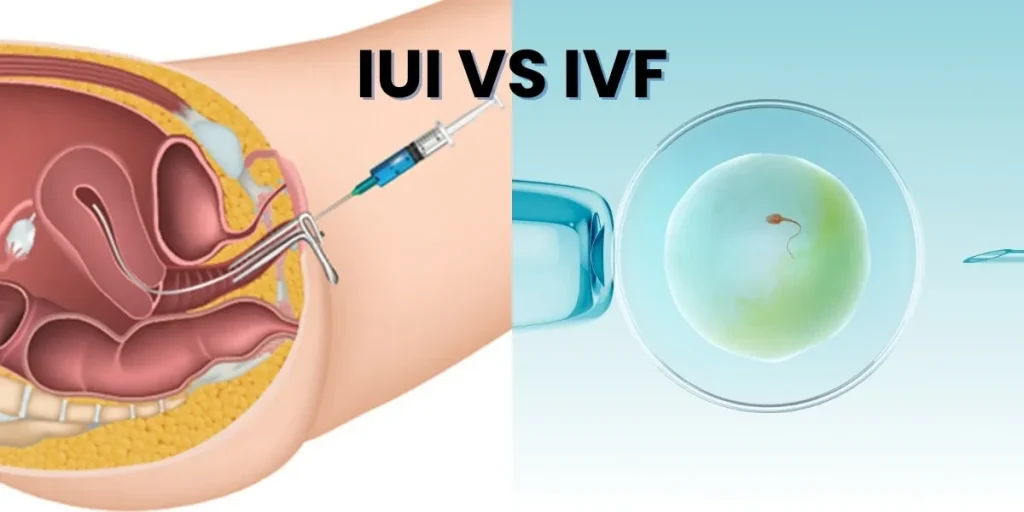
The Ethics of Home Insemination and IVF for Same-Sex Couples
Consent and autonomy are crucial ethical principles to consider when it comes to home insemination and IVF for same-sex couples. It is essential to ensure that all parties involved, including the donor, are giving informed and voluntary consent. This means understanding the potential risks, implications, and responsibilities that come with donating sperm or being a parent. The autonomy of the donor and the parents must also be respected, and their wishes should be taken into consideration throughout the process.
Regulations and Legalities
The use of donor sperm and IVF for same-sex couples raises questions about the regulations and legalities surrounding these methods. In many countries, the laws and regulations surrounding assisted reproduction and donor anonymity are still evolving, leading to uncertainty and ambiguity for same-sex couples. Some countries may have strict regulations that limit access to these methods, while others may lack regulations altogether. It is crucial for same-sex couples to do their research and seek legal advice to ensure that they are following the proper procedures and regulations.
The Importance of Open Communication and Transparency
Open communication and transparency are essential for the ethical practice of home insemination and IVF for same-sex couples. This includes being honest with the child about their conception and ensuring that they have access to information about their genetic heritage when they are old enough to understand. It also involves maintaining open communication with the donor, if possible, to address any potential concerns or issues that may arise.
The Bottom Line
The decision to use home insemination or IVF for same-sex couples is a personal one that should be made after careful consideration of the ethical implications involved. While there are valid concerns and considerations to be addressed, it is essential to remember that the most crucial factor in any family is love and care. As long as all parties involved give informed consent, and the well-being of the child is the top priority, home insemination and IVF can be a viable and ethical option for same-sex couples to start a family.
In summary, the use of home insemination and IVF for same-sex couples has sparked ethical debates and concerns. The main issues revolve around donor anonymity and the psychological impact on the child. However, with proper consideration of ethical principles such as consent, autonomy, and open communication, these methods can be an ethical and fulfilling way for same-sex couples to start a family.