Blog Post: The Role of Nutrition in Fertility: Insights from At-Home and Medical Testing
Introduction:
Fertility is a complex and personal journey for many individuals and couples. While there are various factors that can impact fertility, nutrition is often overlooked. However, research has shown that nutrition plays a significant role in fertility and can greatly impact a person’s ability to conceive. In this blog post, we will explore the importance of nutrition in fertility and how at-home and medical testing can provide insights into one’s nutritional status.
The Link Between Nutrition and Fertility:
Nutrition and fertility are closely intertwined. The foods we eat contain essential vitamins, minerals, and nutrients that are vital for reproductive health. For example, studies have shown that folate, a B vitamin found in leafy greens, is crucial for ovulation and healthy egg development. Additionally, omega-3 fatty acids, found in fish and nuts, have been linked to improved sperm quality in men. On the other hand, a diet high in processed foods and unhealthy fats can have a negative impact on fertility.
At-Home Testing for Nutritional Deficiencies:
One way to assess one’s nutritional status is through at-home testing. These tests typically involve collecting a sample of blood, urine, or saliva and sending it to a laboratory for analysis. At-home tests can provide valuable insights into one’s nutrient levels and identify any deficiencies that may be affecting fertility. For example, a blood test can measure levels of iron, vitamin D, and B vitamins, while a saliva test can assess hormone levels such as estrogen and testosterone.
Medical Testing for Underlying Medical Conditions:
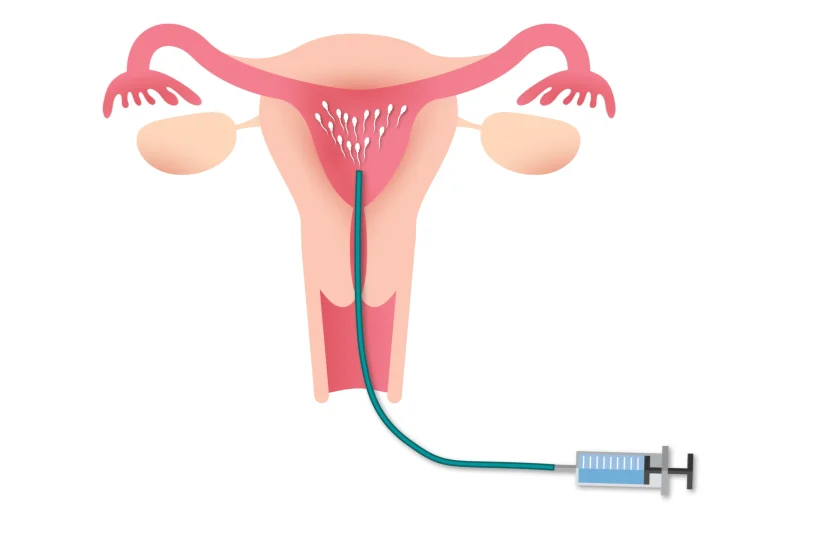
The Role of Nutrition in Fertility: Insights from At-Home and Medical Testing
In addition to at-home testing, medical testing can also provide important information about one’s fertility. Medical tests can identify underlying medical conditions that may be impacting fertility, such as polycystic ovary syndrome (PCOS), thyroid disorders, or insulin resistance. These conditions can affect hormone levels and ovulation, making it difficult to conceive. Identifying and treating these conditions can improve fertility outcomes.
The Role of Gut Health:
The gut is often referred to as the “second brain” as it plays a significant role in our overall health. In recent years, research has shown that the gut microbiome, the community of bacteria in our digestive system, also plays a crucial role in fertility. Studies have found a link between an imbalanced gut microbiome and conditions like PCOS and endometriosis, which can affect fertility. Maintaining a healthy gut through a balanced diet and probiotic supplements can improve fertility outcomes.
Nutrition and IVF Success:
For couples undergoing in vitro fertilization (IVF) treatment, nutrition can also impact the success of the procedure. Studies have shown that women who follow a Mediterranean-style diet, rich in fruits, vegetables, and healthy fats, have a higher chance of success with IVF. Additionally, maintaining a healthy weight through proper nutrition can also improve IVF success rates. It is essential to work with a fertility specialist to create a personalized nutrition plan during IVF treatment.
The Benefits of Working with a Registered Dietitian:
While at-home and medical testing can provide valuable information, it is important to work with a registered dietitian to create a personalized nutrition plan. Registered dietitians have specialized knowledge in nutrition and fertility and can help identify any nutrient deficiencies and create a tailored plan to improve fertility outcomes. They can also provide guidance on specific dietary changes and supplements that may benefit fertility.
In summary, the link between nutrition and fertility is undeniable. A well-balanced and nutrient-rich diet is crucial for reproductive health and can impact fertility outcomes. At-home and medical testing can provide insights into one’s nutritional status, and working with a registered dietitian can help create a personalized plan to optimize fertility. By prioritizing nutrition and making healthy dietary choices, individuals and couples can improve their chances of conceiving and ultimately have a healthy pregnancy.