Tag: medical procedures

  • Fertility Clinics vs Hospitals: Which Offers a More Comfortable Environment?

    Fertility Clinics vs Hospitals: Which Offers a More Comfortable Environment?

    When it comes to fertility treatments, choosing the right environment can make a big difference in the overall experience. For many people, the thought of going to a hospital can be intimidating and stressful, while fertility clinics are often seen as more warm and welcoming. But which option truly offers a more comfortable environment? In this blog post, we will delve into the differences between fertility clinics and hospitals, and explore the pros and cons of each when it comes to providing a comfortable setting for patients.

    Fertility Clinics: A Personalized and Supportive Atmosphere

    Fertility clinics are specialized medical facilities that focus solely on reproductive health and helping people conceive. They offer a more intimate and personal environment, where patients can receive individualized care and support throughout their fertility journey. From the moment you walk in, you are greeted by a welcoming and warm atmosphere, often with soothing decor and comfortable waiting areas.

    One of the main advantages of fertility clinics is the personalized approach to treatment. Each patient’s case is unique, and fertility clinics are equipped to cater to individual needs. The doctors and staff take the time to get to know their patients, listen to their concerns, and address any questions they may have. This level of personalized care can help alleviate the stress and anxiety that often comes with fertility treatments.

    Moreover, fertility clinics are often smaller and more intimate compared to hospitals. This allows for a more supportive and close-knit environment. Patients can build relationships with their doctors and nurses, and feel more comfortable discussing their concerns and fears. This level of support and understanding can make a significant difference in the overall experience of fertility treatments.

    Hospitals: A Clinical and Efficient Setting

    On the other hand, hospitals are large medical facilities that offer a wide range of services, including fertility treatments. While they may have specialized fertility departments, they are not solely focused on reproductive health like fertility clinics. This can often make the atmosphere feel more clinical and less personalized.

    Hospitals are designed to treat a large number of patients and are often busy and bustling with activity. This can be overwhelming for patients, especially those going through the already stressful process of fertility treatments. The waiting areas can be crowded, and the overall environment may feel cold and sterile.
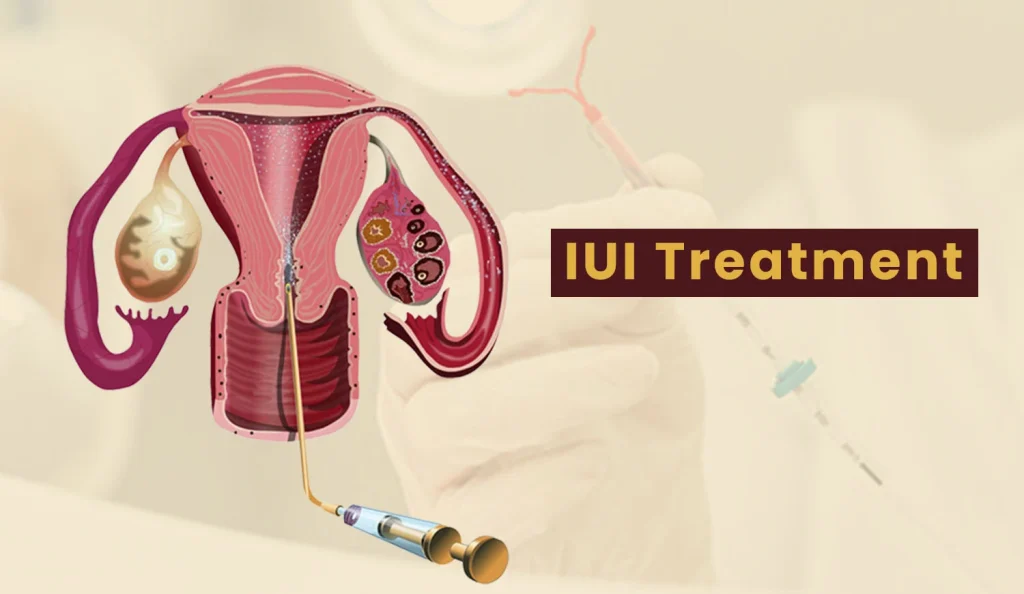
    illustration of the uterus and ovaries with a syringe, labeled "IUI Treatment" in the background

    Fertility Clinics vs Hospitals: Which Offers a More Comfortable Environment?

    Another factor to consider is the efficiency of hospitals. As they cater to a wide range of medical needs, appointments and procedures may be scheduled back-to-back, making it challenging to provide individualized attention to each patient. This can lead to longer wait times and less time spent with doctors, which can be frustrating for patients who are seeking personalized care and support.

    The Pros and Cons of Each Option

    Both fertility clinics and hospitals have their unique pros and cons when it comes to providing a comfortable environment for patients. Fertility clinics offer a more personalized and supportive atmosphere, while hospitals may be more efficient and offer access to a wider range of services.

    Fertility clinics have a specialized focus on reproductive health, which can make patients feel more comfortable and understood. They also tend to have smaller waiting areas and a more intimate setting, which can help alleviate stress and anxiety. However, they may have limitations when it comes to offering certain medical procedures or treatments, which may require patients to go to a hospital.

    On the other hand, hospitals have the resources and equipment to provide a wide range of fertility treatments. This can be beneficial for patients who require more complex procedures or have underlying medical conditions. However, the clinical and busy environment may not be as comforting for patients, and the lack of personalized care can be a drawback.

    Which Option is Best for You?

    Ultimately, the choice between a fertility clinic and a hospital will depend on your personal preferences and specific medical needs. If you value personalized care and support, and your fertility treatments do not require complex procedures, a fertility clinic may be the best option for you. On the other hand, if you have underlying medical conditions or require more advanced treatments, a hospital may be the better choice.

    It’s essential to do your research and consult with your doctor to determine which option is the best fit for you. Keep in mind that the most important factor is receiving the best possible care and support to help you achieve your dream of starting a family.

    In conclusion, both fertility clinics and hospitals have their advantages and drawbacks when it comes to providing a comfortable environment for patients. While fertility clinics offer a more personalized and supportive atmosphere, hospitals have the resources to provide a wider range of treatments. The key is to find a facility that meets your individual needs and makes you feel comfortable and supported throughout your fertility journey.
  • Understanding the Process: At-Home Insemination Kits vs. Medical Supplies

    Understanding the Process: At-Home Insemination Kits vs. Medical Supplies

    For couples and individuals who are trying to conceive, there are many options available to help them achieve their goal. Two popular methods are at-home insemination kits and medical supplies, both of which can be used to perform insemination at home. While both options have the same end goal, there are significant differences in the process and results that should be considered before making a decision.

    At-Home Insemination Kits

    At-home insemination kits are designed for use by couples or individuals who wish to perform insemination in the comfort and privacy of their own home. These kits typically include all the necessary supplies, such as a syringe, sperm-friendly lubricant, and ovulation predictor kits. They may also come with instructions and educational materials to guide users through the process.

    The process of using an at-home insemination kit is relatively simple. The first step is to determine the ovulation window using an ovulation predictor kit, which can help increase the chances of conception. Next, the sperm is collected using a collection cup or condom, and then transferred into the syringe provided in the kit. The syringe is then used to inseminate the sperm into the vagina. After insemination, couples are advised to remain lying down for a period of time to increase the chances of conception.

    Pros and Cons of At-Home Insemination Kits

    One of the main advantages of at-home insemination kits is the convenience and privacy they offer. Couples can perform the insemination process in the comfort of their own home, without the need for medical supervision. This can be particularly appealing for those who may feel uncomfortable with the idea of undergoing medical procedures or for those who have busy schedules.

    However, there are also some potential downsides to using at-home insemination kits. The success rates of these kits may not be as high as those of medical procedures, and the process may require multiple attempts to achieve pregnancy. Additionally, there is a risk of introducing bacteria or infection into the reproductive system if proper hygiene and sanitation practices are not followed.

    Medical Supplies

    Medical supplies, on the other hand, refer to the instruments and devices used in assisted reproductive techniques, such as intrauterine insemination (IUI) and in vitro fertilization (IVF). These procedures are typically performed in a medical setting, such as a fertility clinic, by a trained healthcare professional.

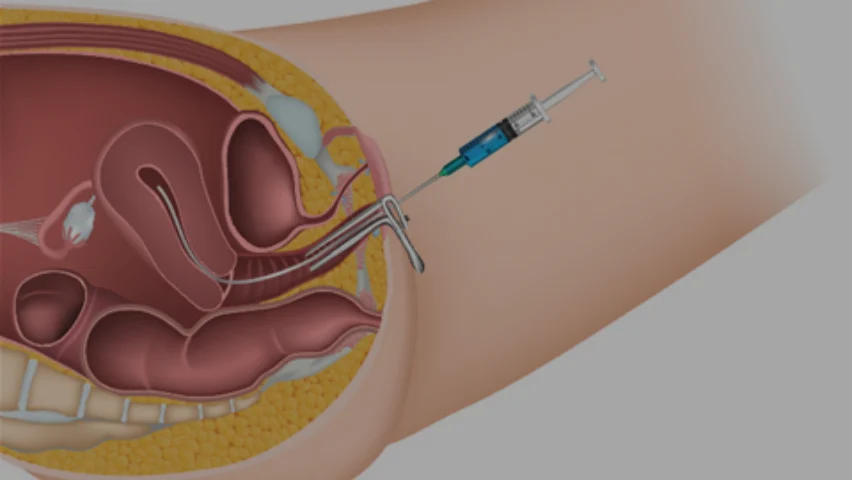
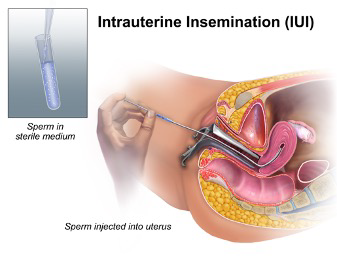
    Illustration of intrauterine insemination (IUI) procedure with syringe and catheter in the uterus.

    Understanding the Process: At-Home Insemination Kits vs. Medical Supplies

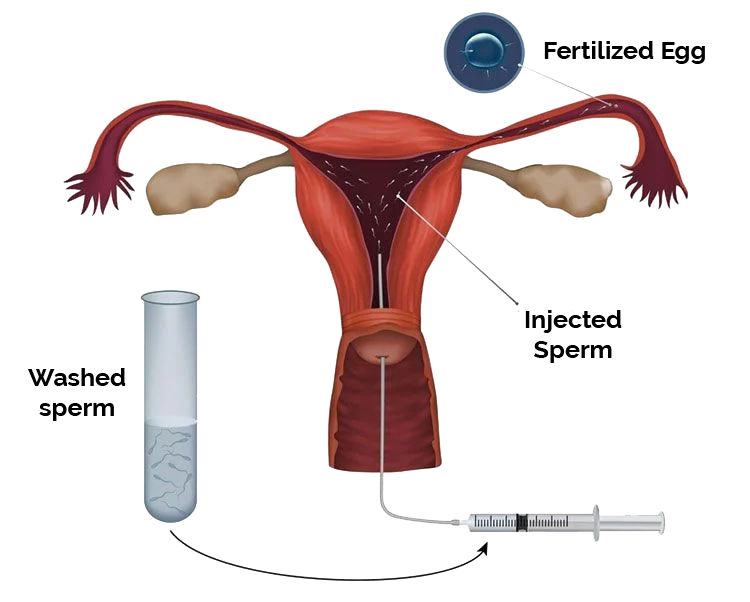
    In IUI, a catheter is used to place washed sperm directly into the uterus, bypassing the cervix. This increases the chances of fertilization as the sperm can reach the egg more easily. In IVF, eggs are retrieved from the ovaries and fertilized with sperm in a laboratory dish. The resulting embryos are then transferred into the uterus.

    Pros and Cons of Medical Supplies

    One of the main advantages of using medical supplies is the higher success rates compared to at-home insemination kits. This is especially true for couples who may have fertility issues or for those who have been trying to conceive for a long time without success. Medical procedures also offer a more controlled and monitored environment, which can increase the chances of a successful pregnancy.

    However, there are also some drawbacks to using medical supplies. These procedures can be expensive and may not be covered by insurance. They also require multiple visits to the clinic and may involve hormonal treatments that can have side effects.

    Which Option is Right for You?

    The decision between at-home insemination kits and medical supplies ultimately comes down to personal preference and individual circumstances. For couples or individuals who are in good health and have no known fertility issues, at-home insemination kits may be a viable option to try before seeking medical assistance. However, for those who have been struggling to conceive or have known fertility issues, medical procedures may be a better option.

    It is also essential to consider the emotional and psychological impacts of both options. For some, the privacy and convenience of at-home insemination may be more appealing, while others may prefer the support and guidance of a medical professional during the process.

    In conclusion, both at-home insemination kits and medical supplies can be effective methods for achieving pregnancy. It is important to weigh the pros and cons of each option and to consult with a healthcare professional before making a decision. With the right approach and support, couples and individuals can increase their chances of successfully conceiving and starting a family.

    Summary:

    At-home insemination kits and medical supplies are two options for couples and individuals who are trying to conceive. At-home kits offer convenience and privacy, but may have lower success rates and carry a risk of infection. Medical supplies, such as those used in IUI and IVF, have higher success rates but are more expensive and involve medical procedures. The decision between the two options depends on personal preference and individual circumstances.

  • The Debate: At-Home Insemination Kits vs. Medical Supplies

    As technology advances and societal norms evolve, the options for family planning have also expanded. While many couples still opt for traditional methods of conception, others are turning to alternative methods such as at-home insemination kits and medical supplies. These options have sparked a debate among couples, medical professionals, and society as a whole. In this blog post, we will explore the pros and cons of both at-home insemination kits and medical supplies for conception.

    At-Home Insemination Kits
    At-home insemination kits have gained popularity in recent years due to their convenience and affordability. These kits typically include a syringe, ovulation predictor kits, and instructions on how to perform the insemination process at home. They can be purchased online or at local drugstores, making them easily accessible.

    One of the major advantages of at-home insemination kits is the privacy and comfort they offer. Many couples may feel uncomfortable or self-conscious about undergoing insemination in a medical setting. At-home kits provide a more intimate and personal experience, allowing couples to have more control over the process. Additionally, these kits can be used in the comfort of one’s own home, eliminating the need for multiple visits to a medical facility.

    Another benefit of at-home insemination kits is the cost. In comparison to medical supplies, at-home kits are significantly cheaper. This makes them a more accessible option for couples who may not have the financial means to pursue medical procedures.

    However, there are also several drawbacks to at-home insemination kits. The success rates of these kits can vary greatly as they do not have the same level of accuracy and precision as medical procedures. Additionally, using these kits may also increase the risk of complications or infections if not performed correctly.

    Medical Supplies
    Medical supplies, on the other hand, refer to the equipment and supplies used in medical facilities for insemination procedures. This may include semen analysis kits, catheters, and ultrasound machines. These procedures are typically performed by a trained medical professional and may involve multiple visits to the facility.

    Illustration of intrauterine insemination (IUI) procedure, showing sperm injection into the uterus.

    The Debate: At-Home Insemination Kits vs. Medical Supplies

    One of the main advantages of using medical supplies for insemination is the accuracy and success rates. Medical procedures are often more precise and have a higher success rate compared to at-home insemination kits. This can be especially beneficial for couples who have been struggling with infertility or have specific medical conditions that require specialized care.

    Medical procedures also offer a higher level of safety and hygiene. With trained professionals performing the procedure and sterile equipment being used, the risk of complications or infections is significantly reduced.

    However, one of the biggest drawbacks of medical supplies is the cost. These procedures can be expensive, especially for those without insurance coverage. The cost can also increase if multiple attempts are needed, making it a less viable option for some couples.

    The Debate
    The debate between at-home insemination kits and medical supplies often centers around the effectiveness of each method. While at-home kits offer convenience and privacy, they may not be as accurate as medical procedures and may pose a higher risk of complications. On the other hand, medical supplies provide a higher level of accuracy and safety, but they can be costly and may not be accessible to everyone.

    Another factor that plays a role in this debate is the emotional aspect. For some couples, the process of undergoing medical procedures can be emotionally taxing and may add additional stress to the already sensitive topic of conception. At-home kits, on the other hand, offer a more intimate and personal experience, which may be more appealing for some.

    Ultimately, the decision between at-home insemination kits and medical supplies should be based on individual circumstances and preferences. It is important for couples to carefully weigh the pros and cons of each option and consult with a medical professional before making a decision.

    Summary:
    As technology and societal norms evolve, the options for family planning have also expanded. The debate between at-home insemination kits and medical supplies for conception is a hot topic among couples, medical professionals, and society as a whole. At-home kits offer convenience and privacy, but may not be as accurate and could pose a higher risk of complications. Medical procedures, on the other hand, provide a higher level of accuracy and safety, but can be costly and may not be accessible to everyone. Ultimately, the decision should be based on individual circumstances and preferences, and it is important to consult with a medical professional before making a choice.

  • The Legalities of Home Insemination: Ensuring a Smooth Process

    The Legalities of Home Insemination: Ensuring a Smooth Process

    Home insemination, also known as artificial insemination, is a method of conceiving a child without sexual intercourse. This process involves using a syringe or other medical device to insert sperm into the cervix or uterus of a person who is trying to conceive. While home insemination may seem like a simple and convenient option for those struggling with fertility or same-sex couples, there are important legal considerations to keep in mind. In this blog post, we will discuss the legalities surrounding home insemination and provide insights on how to ensure a smooth and successful process.

    The Legality of Home Insemination

    The legality of home insemination varies from country to country and even from state to state within the United States. In general, home insemination is not explicitly banned, but it is not always explicitly legal either. This is because the laws surrounding fertility and assisted reproduction are often outdated and do not specifically address home insemination.

    For example, in the United States, the Food and Drug Administration (FDA) regulates the use of donor sperm for insemination, but these regulations only apply to sperm banks and not to individuals using home insemination. This means that individuals using donor sperm for home insemination may not have the same protections and regulations as those using sperm from a sperm bank.

    In some countries, such as Canada, home insemination is considered a form of assisted reproduction and is regulated by the government. This means that individuals must follow certain guidelines and obtain proper legal documentation before engaging in home insemination.

    The Importance of Legal Documentation

    Even though home insemination may not be explicitly regulated, it is still crucial to have proper legal documentation in place. This is especially important for same-sex couples and individuals using a known donor. In these cases, it is essential to have a written agreement outlining the rights and responsibilities of all parties involved.

    This agreement should also include details about the donor’s involvement in the child’s life, such as whether they will have any legal or financial responsibilities. It is also crucial to outline what will happen in the event of a dispute or if one party wants to terminate the agreement.

    In addition to a written agreement, individuals using donor sperm for home insemination should also obtain a medical release form from the donor. This form should state that the donor has been tested for any communicable diseases and is free of any genetic disorders that could be passed on to the child.

    The Role of Parentage Laws

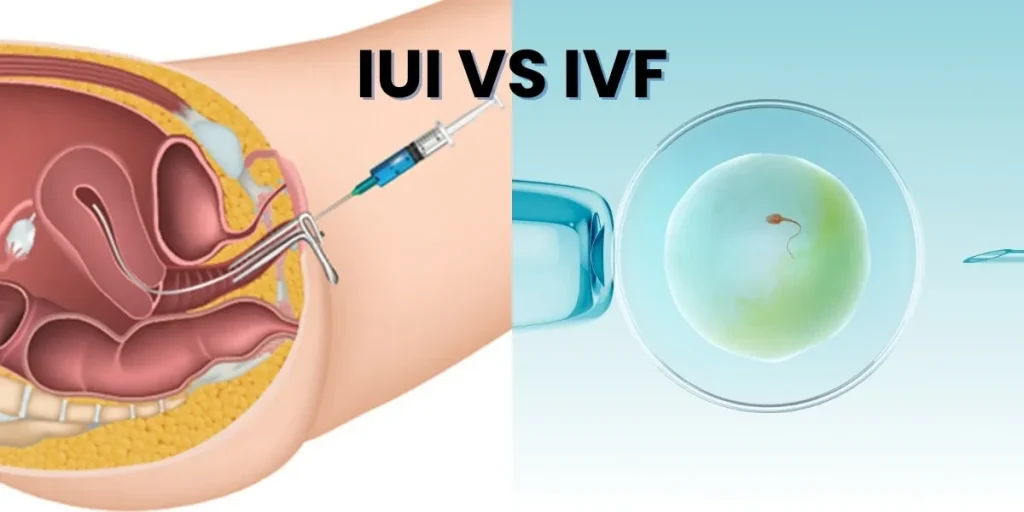
    comparison of IUI and IVF fertility treatments with illustrations of procedures and a petri dish with an egg and sperm

    The Legalities of Home Insemination: Ensuring a Smooth Process

    Parentage laws are another important consideration when it comes to home insemination. These laws determine who is legally recognized as the parent of a child. In most cases, the person who gives birth to the child is considered the legal parent. However, this may not be the case for same-sex couples or individuals using a sperm donor for home insemination.

    In some states, the sperm donor may be recognized as the legal father of the child, especially if the donor is not anonymous and has some involvement in the child’s life. This can lead to complicated legal issues and may impact custody and child support arrangements.

    To avoid any potential legal issues, it is crucial to research and understand the parentage laws in your state or country before proceeding with home insemination. In some cases, it may be necessary to obtain a second-parent adoption or establish legal parentage through a court order.

    Tips for a Smooth and Successful Home Insemination

    Now that we have discussed the legalities surrounding home insemination, here are some tips to ensure a smooth and successful process:

    1. Consult with a Fertility Specialist: Before starting the process, it is important to consult with a fertility specialist to determine if home insemination is the right option for you. They can also provide guidance on the best practices for home insemination.

    2. Use a Known Donor: While using a sperm donor from a sperm bank may seem like a convenient option, it is recommended to use a known donor. This allows for proper legal documentation and eliminates any potential legal issues in the future.

    3. Have a Lawyer Review All Legal Documents: It is crucial to have a lawyer review all legal documents, including the written agreement and medical release form, to ensure they are legally binding and protect all parties involved.

    4. Follow Proper Medical Procedures: It is essential to follow proper medical procedures when performing home insemination. This includes using sterile equipment and following the instructions provided by your fertility specialist.

    5. Keep Detailed Records: It is important to keep detailed records of the entire home insemination process, including any medical procedures, legal documents, and communication with the donor. These records may be useful in the future if any legal issues arise.

    Conclusion

    Home insemination can be a viable option for those struggling with fertility or same-sex couples wanting to conceive. However, it is essential to understand the legalities surrounding this process and take the necessary steps to ensure a smooth and successful experience. By following the tips outlined in this blog post and consulting with legal professionals, you can navigate the legal complexities of home insemination and focus on the joy of starting or expanding your family.

  • Why Some Women Choose Medical Insemination

    Medical insemination, also known as artificial insemination, is a process in which sperm is inserted into a woman’s reproductive tract to facilitate pregnancy. While it may not be the most common method of conception, it is a viable option for women who are struggling with fertility issues or who are choosing to become single mothers by choice. In this blog post, we will explore the reasons why some women choose medical insemination.

    1. Fertility issues
    One of the main reasons why women choose medical insemination is because they are experiencing fertility issues. This could be due to various factors such as age, hormonal imbalances, or structural abnormalities in the reproductive organs. In these cases, medical insemination can be a more affordable and less invasive option compared to other fertility treatments such as in-vitro fertilization (IVF). It is also a simpler process that can be done in a doctor’s office without the need for hospitalization or anesthesia.

    2. Single motherhood
    With changing societal norms and the rise of single parenthood, more and more women are choosing to become single mothers by choice. Some women may not have a partner, while others may choose to raise a child on their own. Medical insemination offers these women a way to fulfill their desire for motherhood without the need for a partner. It allows them to have a biological connection with their child and take control of their own fertility and family planning.

    3. LGBTQ+ couples
    Medical insemination is also a popular choice for same-sex couples who wish to have a biological child. Lesbian couples can use donor sperm to fertilize one partner’s egg and carry the pregnancy, while gay couples may choose to have a surrogate carry the pregnancy. This method allows LGBTQ+ couples to have a biological connection with their child and start a family of their own.

    diagram of the female reproductive system with an IUI syringe and test tube for artificial insemination

    Why Some Women Choose Medical Insemination

    4. Hereditary conditions
    Some women may choose medical insemination to avoid passing on hereditary conditions or genetic disorders to their child. With the help of genetic testing, donors can be screened for certain genetic conditions, reducing the risk of passing them on to the child. This option can provide peace of mind for women who have a family history of genetic disorders and want to ensure a healthy pregnancy and baby.

    5. Control over timing
    Medical insemination also offers women control over the timing of their pregnancy. Unlike natural conception, which relies on ovulation and timing, medical insemination can be scheduled at a specific time to increase the chances of pregnancy. This can be particularly helpful for women who have irregular menstrual cycles or who are trying to conceive at a specific time for personal or professional reasons.

    6. Convenience
    Compared to other assisted reproduction methods, medical insemination is a relatively simple and convenient process. It can be done in the comfort of a doctor’s office and does not require the use of anesthesia. The procedure itself is quick and painless, and there is minimal recovery time. This can be appealing to women who may not want to go through more invasive procedures.

    7. Cost-effective
    For some women, the cost of fertility treatments such as IVF may be out of reach. Medical insemination, on the other hand, is a more affordable option. It involves fewer procedures and medications, making it a cost-effective choice for those who are on a budget. Some insurance plans may also cover the cost of medical insemination, making it a more accessible option for women who otherwise may not be able to afford fertility treatments.

    In conclusion, medical insemination is a viable option for women who are struggling with fertility issues, choosing single motherhood or LGBTQ+ parenthood, wanting to avoid passing on genetic disorders, desiring control over timing, and seeking a convenient and cost-effective method. It allows women to have more control over their reproductive health and family planning, making it a popular choice for many.

  • The Process of Creating Life: Artificial Insemination vs Natural Conception

    The Process of Creating Life: Artificial Insemination vs Natural Conception

    Creating life is one of the most amazing and miraculous processes in the world. The ability to bring new life into the world is a unique and special gift that humans possess. However, with advancements in technology and medical science, the process of creating life has evolved. Today, couples who struggle with fertility issues have the option to choose between artificial insemination and natural conception. Both methods have their own set of pros and cons, and it is important to understand the differences between the two in order to make an informed decision.

    Natural conception is the traditional method of creating life, where a sperm fertilizes an egg inside a woman’s body. This process requires the couple to engage in sexual intercourse during the woman’s ovulation period, where an egg is released from the ovary and travels through the fallopian tubes towards the uterus. If the sperm successfully reaches and fertilizes the egg, it implants itself in the uterine lining, leading to pregnancy.

    On the other hand, artificial insemination is a medical procedure where sperm is introduced into a woman’s reproductive tract through means other than sexual intercourse. There are two main types of artificial insemination: intrauterine insemination (IUI) and in vitro fertilization (IVF). In IUI, sperm is placed directly into the uterus, while in IVF, the egg and sperm are combined in a laboratory, and the resulting embryo is then transferred into the woman’s uterus.

    Now, let’s dive deeper into the process of creating life through artificial insemination and natural conception, and explore the pros and cons of each method.

    Artificial Insemination

    Artificial insemination has gained popularity in recent years as a solution for couples struggling with fertility issues. This method allows for more control and precision in the fertilization process, and can be a less invasive option compared to other fertility treatments.

    Intrauterine insemination (IUI) involves the insertion of specially prepared sperm directly into the uterus, bypassing the cervical mucus and increasing the chances of fertilization. This method is often used for couples with unexplained infertility, mild sperm abnormalities, or women with cervical issues. In addition, IUI can also be used for same-sex couples or single women who wish to conceive.

    The process of IUI starts with the woman undergoing fertility medications to stimulate the ovaries and produce multiple eggs. The male partner then provides a semen sample, which is then washed and concentrated to separate the healthy sperm from the rest. The concentrated sperm is then inserted into the uterus using a catheter, and the woman is advised to rest for a short period afterwards.

    While IUI can be a less invasive option, it is not always successful. Success rates vary depending on factors such as age, overall health, and the underlying cause of infertility. In some cases, multiple cycles of IUI may be necessary to achieve pregnancy.

    In vitro fertilization (IVF) is another form of artificial insemination that involves fertilizing the egg and sperm outside of the woman’s body in a laboratory. This method is usually recommended for couples with severe fertility issues or for women who have blocked or damaged fallopian tubes. IVF can also be used for same-sex couples or single women who wish to conceive using a donor egg or sperm.

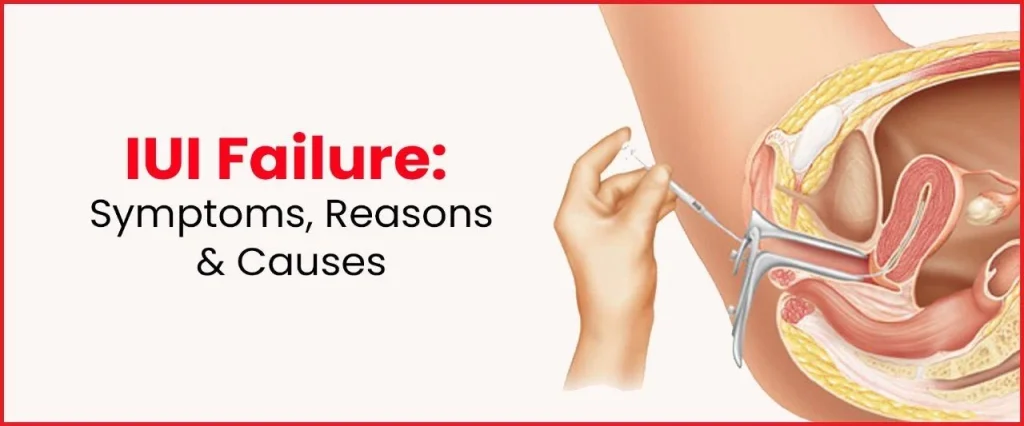
    illustration of IUI procedure with text on symptoms, reasons, and causes of IUI failure

    The Process of Creating Life: Artificial Insemination vs Natural Conception

    The process of IVF starts with the woman undergoing fertility medications to stimulate the ovaries and produce multiple eggs. The eggs are then retrieved from the ovaries using a thin needle, and combined with the sperm in a laboratory. The resulting embryos are monitored for a few days before being transferred into the woman’s uterus. Any remaining embryos can be frozen for future use.

    IVF has a higher success rate compared to IUI, but it is a more invasive and expensive procedure. It also carries a higher risk of multiple pregnancies and complications such as ovarian hyperstimulation syndrome.

    Natural Conception

    Natural conception, also known as sexual intercourse or “making love,” is the most traditional and common method of creating life. It is a natural and spontaneous process that involves a man ejaculating sperm into a woman’s vagina, which then travels through the cervix and into the uterus to fertilize the waiting egg.

    One of the main benefits of natural conception is that it can be a more intimate and enjoyable experience for couples compared to medical procedures. It also allows for a more natural and gradual process of pregnancy, with the woman being able to track her ovulation and time intercourse accordingly.

    However, there are also limitations to natural conception. It requires both partners to be fertile and have no underlying fertility issues. It also relies on the woman having regular ovulation patterns, which can vary from month to month. In addition, it may not be an option for some couples due to medical conditions or same-sex relationships.

    Making an Informed Decision

    When it comes to creating life, the decision between artificial insemination and natural conception is a personal one that should be made after careful consideration. Both methods have their own set of pros and cons, and what may work for one couple may not work for another.

    It is important to consult with a fertility specialist and understand the underlying causes of infertility before deciding on a course of action. In some cases, a combination of both methods may be recommended for the best chance of success.

    In the end, the goal of both artificial insemination and natural conception is the same – to bring new life into the world and create a family. Whether you choose to go through the process of creating life naturally or through medical intervention, the end result is a beautiful and precious miracle.

    In summary, the process of creating life has evolved with the advancement of technology and medical science. Couples who struggle with fertility issues have the option to choose between artificial insemination and natural conception. Artificial insemination involves the insertion of sperm into the woman’s reproductive tract through medical procedures such as IUI and IVF, while natural conception involves sexual intercourse. Both methods have their own set of pros and cons, and the decision should be made after careful consideration and consultation with a fertility specialist.

  • From Nature to Lab: Understanding Artificial Insemination vs Natural Conception

    From Nature to Lab: Understanding Artificial Insemination vs Natural Conception

    Conceiving a child is often seen as a natural and effortless process, but for some couples, it can be a complicated and emotionally taxing journey. In today’s society, there are various methods of conception available, one of which is artificial insemination. While natural conception has been the traditional way of conceiving, artificial insemination has gained popularity in recent years. In this blog post, we will delve into the differences between artificial insemination and natural conception, their processes, and the advantages and disadvantages of each method.

    Natural conception is the process of fertilization where sperm from a male partner meets an egg from a female partner within the woman’s reproductive system. This process typically happens during sexual intercourse, where the sperm is released into the vagina and travels through the cervix and into the fallopian tubes where fertilization occurs. This method is considered the most natural way of conceiving and has been the primary means of reproduction for humans since the beginning of time.

    On the other hand, artificial insemination is a method of conception that involves the introduction of sperm into a woman’s reproductive system through medical procedures. There are two main types of artificial insemination: intrauterine insemination (IUI) and in vitro fertilization (IVF). Intrauterine insemination involves placing washed and concentrated sperm directly into the woman’s uterus, while in vitro fertilization is a more complex procedure where the egg is fertilized by sperm in a laboratory setting and then implanted into the woman’s uterus.

    One of the primary reasons for choosing artificial insemination over natural conception is when a couple struggles with fertility issues. Artificial insemination can help these couples by increasing their chances of conception. Intrauterine insemination, in particular, is often used when a woman has difficulty getting pregnant due to factors such as endometriosis, irregular ovulation, or a low sperm count in the male partner. This method allows for the sperm to be placed closer to the egg, increasing the chances of fertilization.

    Another advantage of artificial insemination is that it can be used for same-sex couples or single individuals who wish to have a child. With the help of a sperm donor, these individuals or couples can still experience the joy of parenthood. This method also allows for genetic testing to be done on the sperm and egg before fertilization, reducing the chances of passing on any hereditary diseases to the child.

    However, artificial insemination also comes with its own set of disadvantages. The success rate of this method is comparatively lower than natural conception, and it may require multiple attempts before achieving a successful pregnancy. It can also be a costly process, especially if in vitro fertilization is needed, which can involve extensive medical procedures and laboratory work.

    success rate of IUI in India with a graphic of a uterus and syringe alongside a rising graph

    From Nature to Lab: Understanding Artificial Insemination vs Natural Conception

    On the other hand, natural conception has a higher success rate, with approximately one in four couples conceiving within the first month of trying. It also allows for a more intimate and natural experience for the couple, as the process is entirely done within the privacy of their own home.

    Natural conception also has the advantage of being a more affordable option. While there may be some initial costs involved, such as prenatal vitamins and ovulation kits, it does not require the extensive medical procedures and laboratory work that artificial insemination does.

    Moreover, many couples prefer natural conception as it allows for a more natural and emotional bond between the parents and the child. The process of trying to conceive and the anticipation of finding out if a pregnancy has occurred can bring couples closer and create a stronger emotional connection between them and their child.

    It is also essential to consider the emotional impact of both methods on the couple. Artificial insemination can be a stressful and emotionally taxing process, especially if it does not result in a successful pregnancy. It can also be a difficult decision for couples to make, as it involves using medical procedures to conceive rather than the natural way.

    In contrast, natural conception can also bring emotional challenges, especially for couples who struggle with fertility issues. The disappointment and sadness that come with unsuccessful attempts can take a toll on the couple’s emotional well-being and their relationship.

    In conclusion, both artificial insemination and natural conception have their own sets of advantages and disadvantages. The decision of which method to choose ultimately depends on the couple’s individual circumstances and preferences. For those struggling with fertility issues, artificial insemination may offer a better chance of conception, while natural conception may be a more affordable and intimate option for others. It is essential to carefully consider all factors and consult with a medical professional before deciding on a method of conception.

    In summary, this blog post explored the differences between artificial insemination and natural conception. While both methods have the same end goal of achieving pregnancy, they differ in their processes, success rates, and emotional impact on couples. The decision of which method to choose is a personal one and should be made after careful consideration and consultation with a medical professional.

  • The Importance of Education in Traditional and Gestational Surrogacy

    The Importance of Education in Traditional and Gestational Surrogacy

    Surrogacy, the process in which a woman carries and delivers a child for another person or couple, has become increasingly popular in recent years. While there are two main types of surrogacy – traditional and gestational – both require a significant amount of education and understanding. In this blog post, we will explore the importance of education in traditional and gestational surrogacy, and how it plays a crucial role in the success and well-being of all parties involved.

    Traditional Surrogacy: Understanding the Basics

    Traditional surrogacy is a method in which the surrogate mother is also the biological mother of the child. This is achieved through artificial insemination, where the sperm of the intended father is used to fertilize the surrogate’s egg. As a result, the child is genetically related to the surrogate mother. This type of surrogacy has been around for centuries and was the only option available for infertile couples before the advancement of assisted reproductive technologies.

    The Importance of Education in Traditional Surrogacy

    While traditional surrogacy may seem like a simple process, there are many legal, emotional, and medical considerations to be aware of. It is crucial for all parties involved, including the intended parents and the surrogate, to be educated about the process and understand their roles and responsibilities. Without proper education, there can be misunderstandings and conflicts that can potentially harm the surrogacy journey.

    One of the key aspects of education in traditional surrogacy is understanding the legal implications. In many countries, the laws around surrogacy are still unclear, and it is essential to be informed about the legal rights and obligations of all parties involved. This includes understanding the pre-birth orders and contracts that need to be in place to protect the rights of the intended parents and the surrogate.

    Moreover, education about the medical procedures involved in traditional surrogacy is also crucial. Surrogates need to be aware of the risks and potential complications that may arise during the pregnancy. They must also understand the medical procedures involved, such as hormone injections and embryo transfer, to ensure they are mentally and physically prepared for the process. Intended parents, on the other hand, need to have a good understanding of the fertility treatments and the chances of success to manage their expectations.

    Illustration of intrauterine insemination (IUI) procedure with syringe and catheter in the uterus.

    The Importance of Education in Traditional and Gestational Surrogacy

    Emotional education is another important aspect of traditional surrogacy. Surrogates need to be emotionally prepared for the bond they may develop with the child they are carrying and understand their role in the child’s life after birth. Intended parents should also be educated about the emotional dynamics involved and be sensitive to the feelings of the surrogate. Clear communication and emotional support are crucial in building a strong and healthy relationship between all parties.

    Gestational Surrogacy: A Modern Approach

    Gestational surrogacy is a more modern and commonly used method of surrogacy. In this process, the surrogate carries the child but is not biologically related to the baby. The embryo is created using the egg and sperm of the intended parents or donors and is then implanted into the surrogate’s uterus. This type of surrogacy has many advantages, including genetic connection to the child and fewer legal complications.

    The Importance of Education in Gestational Surrogacy

    Like traditional surrogacy, education plays a crucial role in the success of gestational surrogacy. The process involves various medical procedures, including in-vitro fertilization (IVF) and embryo transfer, which require a good understanding of the risks and success rates. Surrogates need to be educated about the potential side effects of hormone injections and the importance of following the medical protocol. Intended parents, on the other hand, need to be informed about the costs involved and the likelihood of success to make an informed decision.

    Legal education is also vital in gestational surrogacy. While the laws around gestational surrogacy may be more straightforward than traditional surrogacy, it is still essential to understand the legal rights and responsibilities of all parties involved. This includes understanding the surrogacy contract, custody arrangements, and parental rights.

    Finally, emotional education is crucial in gestational surrogacy. Surrogates must be prepared for the emotional toll of carrying a child for another couple, and intended parents need to be aware of the potential emotional challenges they may face. It is essential to have open and honest communication to address any concerns and build a strong and trusting relationship.

    In summary, education is a crucial aspect of both traditional and gestational surrogacy. It helps all parties involved to understand their roles, rights, and responsibilities, and ensures a smooth and successful surrogacy journey. Clear communication, emotional support, and legal and medical education are all essential elements of a successful surrogacy experience. By being well-informed and educated, surrogates, intended parents, and the child can all benefit from a positive and rewarding surrogacy experience.

  • Egg Donation and Egg Freezing: What to Expect During the Process

    Egg donation and egg freezing are two medical procedures that have gained popularity in recent years. These procedures involve the harvesting and preservation of a woman’s eggs, which can then be used for fertility treatments or future use. While both procedures have the same goal of preserving fertility, they differ in terms of the process and expectations. In this blog post, we will discuss what to expect during the process of egg donation and egg freezing.

    Egg Donation:

    Egg donation is a process where a woman (known as the donor) donates her eggs to another woman (known as the recipient) who is unable to produce eggs or has poor egg quality. This process is often used in cases of female infertility or same-sex couples who want to have a child. Egg donation can also be done for research purposes or as a form of surrogacy.

    The first step in the egg donation process is to find a suitable donor. This can be done through a fertility clinic or an egg donation agency. The donor will be required to go through a series of medical and psychological screenings to ensure that she is physically and mentally fit to undergo the procedure. These screenings are important as they help to reduce the risk of genetic diseases or psychological issues being passed on to the child.

    Once a suitable donor is found, she will be given fertility medication to stimulate the production of multiple eggs. This medication will be in the form of injections that the donor will have to administer herself for about 10-12 days. During this time, the donor will have to visit the fertility clinic for regular check-ups and ultrasounds to monitor the growth and development of the eggs. This can be a physically and emotionally demanding process, but it is necessary to ensure the best chances of success.

    Once the eggs have reached the desired size, the donor will be given a trigger shot to help with the final maturation of the eggs. Approximately 36 hours after the trigger shot, the eggs will be retrieved through a minor surgical procedure called transvaginal ultrasound aspiration. The donor will be given local anesthesia to reduce any discomfort during the procedure, which typically takes about 20-30 minutes.

    After the retrieval, the eggs will be fertilized with the recipient’s partner’s sperm in a laboratory. The resulting embryos will be closely monitored for a few days before one or two are transferred into the recipient’s uterus. Any excess embryos can be frozen for future use. The recipient will then have to wait for about two weeks to find out if the procedure was successful and if she is pregnant.

    Egg Freezing:

    Egg freezing, also known as oocyte cryopreservation, is a procedure where a woman’s eggs are retrieved and frozen for future use. This process is often chosen by women who want to delay pregnancy for personal or medical reasons. It can also be used for women undergoing medical treatments that may affect their fertility, such as chemotherapy.

    Illustration of intrauterine insemination (IUI) procedure with syringe and catheter in the uterus.

    Egg Donation and Egg Freezing: What to Expect During the Process

    The process of egg freezing is similar to egg donation, with the main difference being that the eggs are retrieved for the woman’s own use rather than for someone else. The woman will still have to go through the same medical and psychological screenings, as well as the fertility medication injections and regular check-ups. The only difference is that she will not have to undergo the egg retrieval procedure until she is ready to use the frozen eggs.

    When the woman is ready to use the frozen eggs, they will be thawed and fertilized with sperm in a laboratory. The resulting embryos will then be transferred into the woman’s uterus. This process may require multiple cycles of egg retrieval and fertilization, depending on the number of eggs that were frozen and the success of the procedure.

    What to Expect During the Process:

    Both egg donation and egg freezing can be physically and emotionally demanding processes. The fertility medication injections can cause side effects such as bloating, mood swings, and discomfort. It is important for donors and women undergoing egg freezing to have a strong support system during this time.

    The egg retrieval procedure itself is minimally invasive, but some women may experience cramping and spotting afterward. It is recommended to take it easy for a few days after the procedure and avoid strenuous activities. In some cases, donors may experience a condition called ovarian hyperstimulation syndrome (OHSS), which can cause abdominal pain, bloating, and nausea. This is a rare but possible complication that should be monitored closely by the fertility clinic.

    Emotionally, both egg donation and egg freezing can also be challenging. Donors may have mixed feelings about giving their eggs to someone else, while women undergoing egg freezing may feel pressure about their future fertility and the success of the procedure. It is important to seek support from loved ones or a therapist if needed.

    In terms of success rates, both procedures have a similar success rate of around 40-50%. However, the chances of success may vary depending on factors such as the age and health of the donor or woman undergoing egg freezing, the quality of the eggs, and the fertility clinic’s expertise.

    In conclusion, egg donation and egg freezing are two procedures that can help women preserve their fertility for future use. While the process may be physically and emotionally demanding, it can offer hope for those struggling with infertility or wanting to delay pregnancy. It is important to have a clear understanding of the process and expectations before embarking on either procedure.

    Summary: Egg donation and egg freezing are two procedures that involve the harvesting and preservation of a woman’s eggs for future use. Egg donation is when a woman donates her eggs to another woman for fertility treatments, while egg freezing is for a woman’s own use. Both procedures involve medical and psychological screenings, fertility medication injections, and an egg retrieval procedure. Emotionally, it can be challenging, and the success rates may vary depending on several factors. Having a strong support system and seeking professional help if needed can make the process smoother.

  • Egg Donation vs Egg Freezing: How to Prepare Yourself

    Egg Donation vs Egg Freezing: How to Prepare Yourself

    Egg donation and egg freezing are two popular fertility options for women who are looking to preserve their fertility or help others achieve their dream of having a child. While they are both viable options, they differ in their purpose and procedure. Egg donation involves retrieving a woman’s eggs and donating them to another person or couple for fertilization and pregnancy. On the other hand, egg freezing is the process of preserving a woman’s eggs for future use, either for her own fertility or for donation. In this blog post, we will discuss the differences between egg donation and egg freezing, and how to prepare yourself for either procedure.

    Egg Donation: What to Expect

    Egg donation is a selfless act that allows women to help others who are struggling with infertility. It involves retrieving eggs from a woman’s ovaries and donating them to be fertilized and implanted into another person’s uterus. This process is typically done through in vitro fertilization (IVF), where the donated eggs are combined with sperm in a lab to create embryos, which are then transferred to the recipient’s uterus for pregnancy.

    Before undergoing egg donation, there are some important steps to take to ensure that you are prepared both physically and emotionally. First, it is essential to find a reputable fertility clinic or agency that specializes in egg donation. Make sure to research their success rates, patient reviews, and any potential risks involved. It is also important to meet with a fertility specialist to discuss any potential medical risks or complications that may arise from the procedure.

    Another important aspect of egg donation is the legal aspect. It is crucial to have a clear understanding of the legal implications of egg donation, including your rights and responsibilities as a donor. This may include signing a legal contract with the recipient and discussing any potential financial compensation for your time and efforts.

    Once you have chosen a fertility clinic and have a clear understanding of the legalities involved, the next step is to undergo a series of medical tests. These tests are necessary to ensure that you are physically and mentally prepared for the egg retrieval process. They may include blood work, ultrasounds, and a psychological evaluation to assess your overall health and well-being.

    Preparing yourself for egg donation also means taking care of your body leading up to the procedure. This includes maintaining a healthy diet, getting enough sleep, and avoiding alcohol, smoking, and drugs. These lifestyle factors can affect your fertility and the quality of your eggs, so it is essential to prioritize your health during this time.

    illustration of the uterus and ovaries with a syringe, labeled "IUI Treatment" in the background

    Egg Donation vs Egg Freezing: How to Prepare Yourself

    Egg Freezing: What to Expect

    Egg freezing, also known as oocyte cryopreservation, is a procedure that allows women to preserve their fertility for future use. This may be for personal reasons, such as wanting to delay starting a family, or for medical reasons, such as undergoing cancer treatment that may affect fertility. The process involves retrieving a woman’s eggs and freezing them for later use.

    Before undergoing egg freezing, it is important to meet with a fertility specialist to discuss your options and determine if this is the right choice for you. Similar to egg donation, you will also need to undergo medical tests to ensure that you are physically and mentally prepared for the procedure.

    One of the most critical steps in preparing for egg freezing is determining the best time to freeze your eggs. This is typically done during your reproductive prime, which is in your 20s or early 30s, when your eggs are of the highest quality. However, it is also possible to freeze eggs at a later age, although the success rates may vary.

    Another important consideration is the cost of egg freezing. This is not usually covered by insurance, so it is essential to budget and plan accordingly. Some fertility clinics offer financing options, and there are also grants and other financial assistance programs available.

    Preparing yourself for egg freezing may also involve making lifestyle changes leading up to the procedure. This can include following a healthy diet, exercising regularly, and avoiding substances that can affect fertility. It is also important to mentally prepare yourself for the potential emotional challenges that may come with the process, such as feelings of sadness or disappointment if the eggs do not result in a successful pregnancy.

    Summarizing the Blog Post

    In summary, egg donation and egg freezing are two viable options for women looking to preserve their fertility or help others achieve their dream of having a child. Egg donation involves donating eggs to another person or couple for fertilization and pregnancy, while egg freezing involves preserving a woman’s eggs for future use. To prepare for either procedure, it is essential to find a reputable fertility clinic, undergo necessary medical tests, understand the legal implications, and take care of your physical and mental well-being. It is also important to consider factors such as timing, cost, and potential lifestyle changes. By being well-informed and prepared, women can make the best decision for their fertility journey.