Egg donation and egg freezing are two medical procedures that have gained popularity in recent years. These procedures involve the harvesting and preservation of a woman’s eggs, which can then be used for fertility treatments or future use. While both procedures have the same goal of preserving fertility, they differ in terms of the process and expectations. In this blog post, we will discuss what to expect during the process of egg donation and egg freezing.
Egg Donation:
Egg donation is a process where a woman (known as the donor) donates her eggs to another woman (known as the recipient) who is unable to produce eggs or has poor egg quality. This process is often used in cases of female infertility or same-sex couples who want to have a child. Egg donation can also be done for research purposes or as a form of surrogacy.
The first step in the egg donation process is to find a suitable donor. This can be done through a fertility clinic or an egg donation agency. The donor will be required to go through a series of medical and psychological screenings to ensure that she is physically and mentally fit to undergo the procedure. These screenings are important as they help to reduce the risk of genetic diseases or psychological issues being passed on to the child.
Once a suitable donor is found, she will be given fertility medication to stimulate the production of multiple eggs. This medication will be in the form of injections that the donor will have to administer herself for about 10-12 days. During this time, the donor will have to visit the fertility clinic for regular check-ups and ultrasounds to monitor the growth and development of the eggs. This can be a physically and emotionally demanding process, but it is necessary to ensure the best chances of success.
Once the eggs have reached the desired size, the donor will be given a trigger shot to help with the final maturation of the eggs. Approximately 36 hours after the trigger shot, the eggs will be retrieved through a minor surgical procedure called transvaginal ultrasound aspiration. The donor will be given local anesthesia to reduce any discomfort during the procedure, which typically takes about 20-30 minutes.
After the retrieval, the eggs will be fertilized with the recipient’s partner’s sperm in a laboratory. The resulting embryos will be closely monitored for a few days before one or two are transferred into the recipient’s uterus. Any excess embryos can be frozen for future use. The recipient will then have to wait for about two weeks to find out if the procedure was successful and if she is pregnant.
Egg Freezing:
Egg freezing, also known as oocyte cryopreservation, is a procedure where a woman’s eggs are retrieved and frozen for future use. This process is often chosen by women who want to delay pregnancy for personal or medical reasons. It can also be used for women undergoing medical treatments that may affect their fertility, such as chemotherapy.
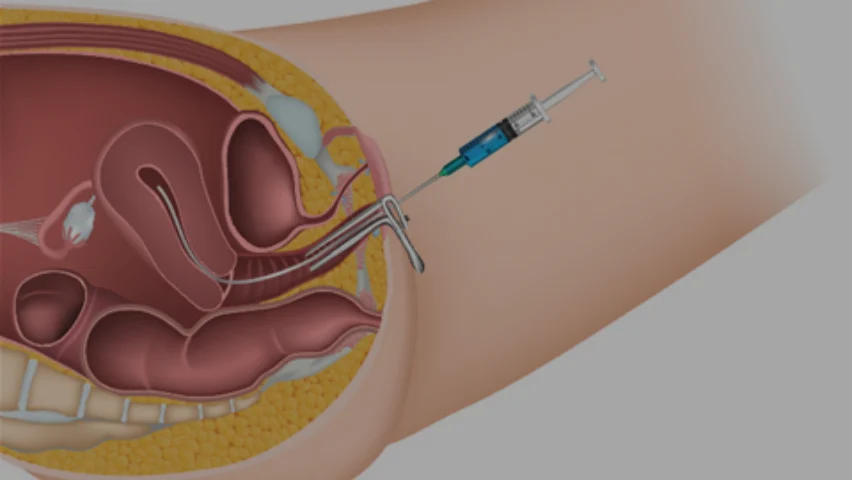
Egg Donation and Egg Freezing: What to Expect During the Process
The process of egg freezing is similar to egg donation, with the main difference being that the eggs are retrieved for the woman’s own use rather than for someone else. The woman will still have to go through the same medical and psychological screenings, as well as the fertility medication injections and regular check-ups. The only difference is that she will not have to undergo the egg retrieval procedure until she is ready to use the frozen eggs.
When the woman is ready to use the frozen eggs, they will be thawed and fertilized with sperm in a laboratory. The resulting embryos will then be transferred into the woman’s uterus. This process may require multiple cycles of egg retrieval and fertilization, depending on the number of eggs that were frozen and the success of the procedure.
What to Expect During the Process:
Both egg donation and egg freezing can be physically and emotionally demanding processes. The fertility medication injections can cause side effects such as bloating, mood swings, and discomfort. It is important for donors and women undergoing egg freezing to have a strong support system during this time.
The egg retrieval procedure itself is minimally invasive, but some women may experience cramping and spotting afterward. It is recommended to take it easy for a few days after the procedure and avoid strenuous activities. In some cases, donors may experience a condition called ovarian hyperstimulation syndrome (OHSS), which can cause abdominal pain, bloating, and nausea. This is a rare but possible complication that should be monitored closely by the fertility clinic.
Emotionally, both egg donation and egg freezing can also be challenging. Donors may have mixed feelings about giving their eggs to someone else, while women undergoing egg freezing may feel pressure about their future fertility and the success of the procedure. It is important to seek support from loved ones or a therapist if needed.
In terms of success rates, both procedures have a similar success rate of around 40-50%. However, the chances of success may vary depending on factors such as the age and health of the donor or woman undergoing egg freezing, the quality of the eggs, and the fertility clinic’s expertise.
In conclusion, egg donation and egg freezing are two procedures that can help women preserve their fertility for future use. While the process may be physically and emotionally demanding, it can offer hope for those struggling with infertility or wanting to delay pregnancy. It is important to have a clear understanding of the process and expectations before embarking on either procedure.
Summary: Egg donation and egg freezing are two procedures that involve the harvesting and preservation of a woman’s eggs for future use. Egg donation is when a woman donates her eggs to another woman for fertility treatments, while egg freezing is for a woman’s own use. Both procedures involve medical and psychological screenings, fertility medication injections, and an egg retrieval procedure. Emotionally, it can be challenging, and the success rates may vary depending on several factors. Having a strong support system and seeking professional help if needed can make the process smoother.