Navigating the Expenses of Starting a Family: Fertility Treatments and Adoption
Starting a family is a dream for many couples, but for some, it may not come as easily as they had hoped. Fertility issues and difficulties with conceiving can be a devastating and emotionally draining experience for couples who are trying to start a family. In these situations, fertility treatments and adoption may be the next options to consider. However, the cost of these options can be overwhelming and may make the process seem financially impossible. In this blog post, we will explore the expenses associated with fertility treatments and adoption, as well as ways to navigate these costs.
The Cost of Fertility Treatments
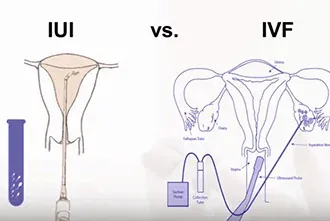
Fertility treatments can range from basic medications to more complex procedures, depending on the specific needs of each individual or couple. The most commonly known fertility treatment is in vitro fertilization (IVF), which involves fertilizing an egg outside of the body and then implanting it into the uterus. The cost of IVF can vary greatly, with the average cost in the United States ranging from $12,000 to $15,000 per cycle. This cost does not include additional expenses such as medications, which can cost an additional $3,000 to $5,000 per cycle.
Other fertility treatments, such as intrauterine insemination (IUI) and fertility medications, can also add to the overall cost. On average, IUI can cost between $300 to $1,000 per cycle, and fertility medications can range from $1,000 to $5,000 per cycle.
Factors that can impact the cost of fertility treatments include the type of treatment, the number of cycles needed, and any additional procedures that may be required. It is important to consult with a fertility specialist to determine the best treatment plan and to get an accurate estimate of the associated costs.
Ways to Cover the Cost of Fertility Treatments
For many couples, the cost of fertility treatments may be a barrier to starting a family. However, there are a few options to help cover these expenses.
1. Insurance Coverage: Some insurance plans may cover a portion of the costs associated with fertility treatments. It is important to check with your insurance provider to see what is covered and what may be out-of-pocket expenses.
2. Fertility Grants and Loans: There are organizations that offer grants and loans specifically for fertility treatments. These can help alleviate the financial burden and make it more feasible to pursue fertility treatments.
3. Payment Plans: Many fertility clinics offer payment plans to help spread out the cost of treatments. This can make it more manageable for couples to cover the expenses over time.
4. Crowdfunding: Crowdfunding platforms, such as GoFundMe, have become a popular way for individuals and couples to raise money for various expenses, including fertility treatments.
Navigating the Expenses of Starting a Family: Fertility Treatments and Adoption
The Cost of Adoption
Adoption is another option for couples who are struggling with fertility issues. The cost of adoption can vary greatly depending on the type of adoption, the agency or facilitator used, and any additional legal fees. On average, domestic adoptions can cost between $20,000 to $40,000, while international adoptions can range from $25,000 to $50,000.
Factors that can impact the cost of adoption include the age of the child, the country of origin, and any additional services, such as home studies or post-adoption counseling. It is important to do thorough research and consult with adoption agencies to get an accurate estimate of the costs involved.
Ways to Cover the Cost of Adoption
Adoption costs can be a significant barrier for couples who are looking to start a family through this option. However, there are resources available to help cover these expenses.
1. Adoption Tax Credit: The adoption tax credit is a federal tax credit that can help offset the cost of adoption. The amount of the credit varies each year, but for 2021, it is up to $14,440 per child.
2. Grants and Loans: Similar to fertility treatments, there are organizations that offer grants and loans specifically for adoption. These can help make it more feasible for couples to pursue adoption as an option.
3. Employer Assistance: Some employers offer adoption assistance as part of their employee benefits. This may include financial assistance or paid leave for adoptive parents.
4. Fundraising: Similar to crowdfunding, fundraising can be a way to gather financial support from friends, family, and the community for adoption expenses.
Navigating the Expenses of Starting a Family
The cost of fertility treatments and adoption can be overwhelming, but there are options available to help couples navigate these expenses. It is important to reach out to resources and do thorough research to fully understand the costs involved and ways to cover them.
In addition to financial considerations, it is also important for couples to take care of their emotional and mental well-being during this process. Navigating fertility treatments and adoption can be emotionally taxing, so it is important to seek support from loved ones and professionals when needed.
In conclusion, starting a family may come with its own set of challenges, but with proper planning and support, couples can overcome the financial hurdles of fertility treatments and adoption. Remember to explore all options, reach out for assistance, and take care of yourselves during this journey.