Blog Post:
Fertility preservation is a topic that has gained more attention in recent years as more couples struggle with infertility. Infertility can be caused by various factors, including both male and female factors. In this blog post, we will discuss the different options available for fertility preservation for both men and women.
Female Factor Infertility:
For women, the most common cause of infertility is age. As women age, their egg quantity and quality decrease, making it more difficult to conceive. Other factors that can contribute to female factor infertility include hormonal imbalances, polycystic ovary syndrome (PCOS), endometriosis, and pelvic inflammatory disease.
1. Egg Freezing:
Egg freezing, also known as oocyte cryopreservation, is a popular option for fertility preservation. It involves retrieving a woman’s eggs, freezing them, and storing them for future use. This allows a woman to preserve her fertility when she is younger and has a better chance of producing healthy eggs.
The process of egg freezing involves the use of hormone injections to stimulate the ovaries to produce multiple eggs. These eggs are then retrieved through a minor surgical procedure and frozen using a process called vitrification. The frozen eggs can be stored for many years and thawed when the woman is ready to use them.
2. Embryo Freezing:
Embryo freezing is another option for fertility preservation for women. This method involves fertilizing a woman’s eggs with sperm in a laboratory to create embryos. The embryos are then frozen and stored for future use.
Embryo freezing is usually recommended for women who have a male partner or are planning to use donor sperm. It also allows for genetic testing of the embryos before they are frozen, which can help reduce the risk of passing on genetic disorders.
3. Ovarian Tissue Freezing:
Ovarian tissue freezing is a newer technique that involves removing a small piece of tissue from the ovary and freezing it for later use. The tissue contains immature eggs, which can be matured and fertilized in the future.
This method is still considered experimental and is typically only recommended for women who cannot undergo other fertility preservation methods.
Fertility Preservation: Options for Both Male and Female Factor Infertility
Male Factor Infertility:
Male factor infertility is responsible for about 30% of all infertility cases. It can be caused by various factors, including low sperm count, low sperm motility, and abnormal sperm shape. Here are some options for male fertility preservation:
1. Sperm Freezing:
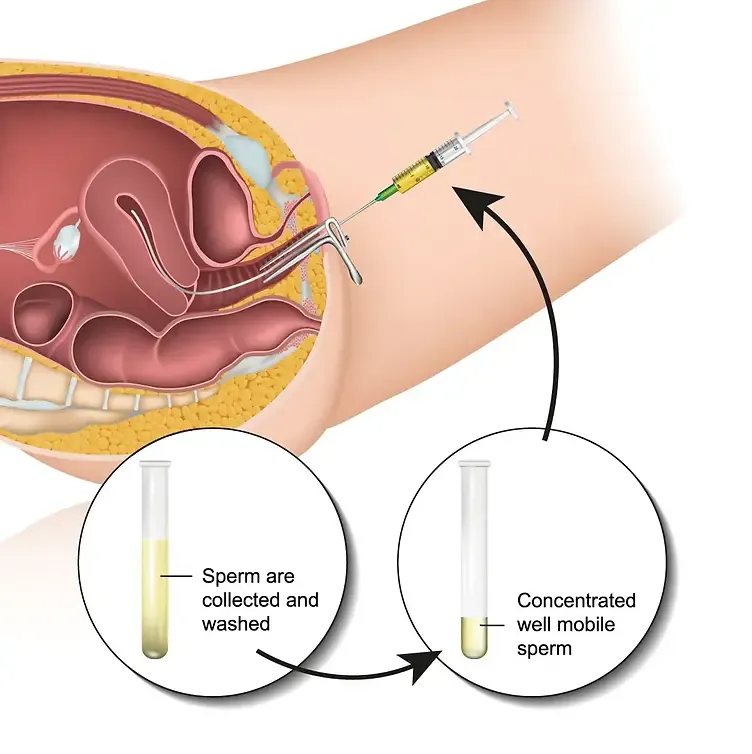
Sperm freezing, also known as sperm cryopreservation, is the most common method of fertility preservation for men. It involves collecting a semen sample and freezing it for later use. The frozen sperm can be stored for many years and used for in vitro fertilization (IVF) or intrauterine insemination (IUI).
2. Testicular Tissue Freezing:
Similar to ovarian tissue freezing, testicular tissue freezing involves removing a small piece of tissue from the testicles and freezing it for future use. This tissue contains sperm-producing cells, which can be used for fertilization in the future.
This method is typically recommended for men who have undergone cancer treatment, which can damage the testicles. It is still considered experimental and may not be available in all fertility clinics.
3. Testicular Sperm Extraction (TESE):
TESE is a surgical procedure that involves retrieving sperm directly from the testicles. The sperm can then be used for IVF or IUI. This method is typically recommended for men who have a blockage or other issue that prevents sperm from being ejaculated.
Conclusion:
Fertility preservation is a crucial option for couples struggling with infertility. It allows individuals to preserve their fertility when they are younger and have a better chance of producing healthy eggs or sperm. With advancements in technology and medical techniques, there are now various options available for both male and female factor infertility. It is essential to consult with a fertility specialist to determine the best option for individual circumstances.
Summary:
Fertility preservation is a crucial topic for couples struggling with infertility. For women, options include egg freezing, embryo freezing, and ovarian tissue freezing. For men, options include sperm freezing, testicular tissue freezing, and testicular sperm extraction. These methods allow individuals to preserve their fertility for future use and should be discussed with a fertility specialist.