Blog Post:
Fertility preservation is a topic that is not often discussed, but it is an important one for women who have a family history of early menopause. Early menopause can occur for a variety of reasons, including genetics, medical conditions, or environmental factors. Regardless of the cause, the result is the same – a woman’s fertility declines earlier than expected, making it difficult or even impossible to conceive naturally.
For women with a family history of early menopause, the fear of losing their fertility at a young age can be overwhelming. This fear is not unfounded, as studies have shown that genetics play a significant role in the age at which a woman enters menopause. In fact, a woman with a mother or sister who experienced early menopause is three times more likely to also go through early menopause.
But there is hope for women who want to take control of their fertility and preserve their ability to have children in the future. Fertility preservation techniques have advanced significantly in recent years, making it possible for women to freeze their eggs, embryos, or ovarian tissue to use at a later time. In this blog post, we will explore the options available for women with a family history of early menopause and how they can take control of their fertility.
Egg Freezing
Egg freezing, also known as oocyte cryopreservation, involves retrieving a woman’s eggs and freezing them for later use. This process is similar to in vitro fertilization (IVF) but instead of fertilizing the eggs with sperm, they are frozen for future use. Egg freezing has become a popular option for women who want to delay motherhood for various reasons, including career advancement, medical reasons, or personal choice.
For women with a family history of early menopause, egg freezing can be a proactive way to preserve their fertility. By freezing their eggs at a younger age, women can increase their chances of having a healthy pregnancy in the future. This option is especially beneficial for women who have not yet found a partner or are not ready to start a family but want to ensure they have the option to do so in the future.
Embryo Freezing
Embryo freezing is similar to egg freezing, but instead of freezing the eggs, they are fertilized with sperm to create embryos. The resulting embryos are then frozen and stored for future use. This option is often recommended for women who are in a committed relationship and want to preserve their fertility together with their partner. It is also a preferred option for women who have a medical condition that may affect their fertility, such as cancer.
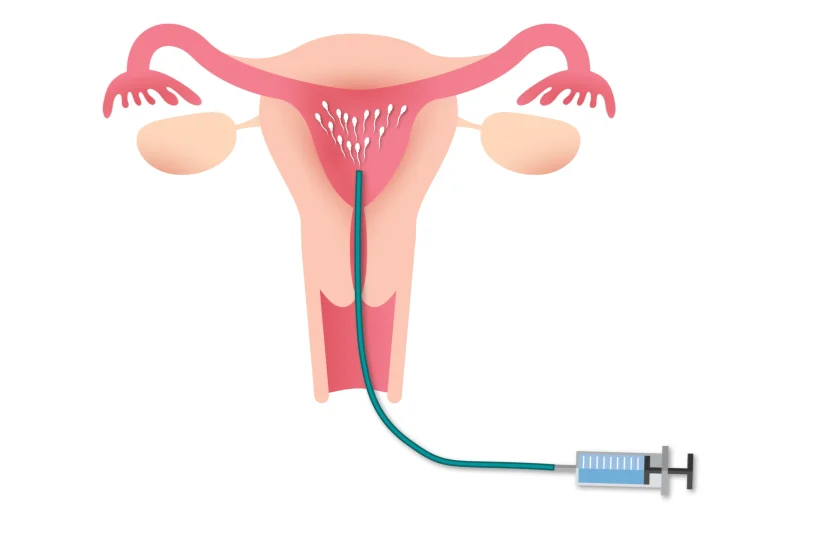
Fertility Preservation for Women with Family History of Early Menopause: Taking Control
For women with a family history of early menopause, embryo freezing can be a way to increase their chances of having a successful pregnancy. By preserving embryos at a younger age, women can bypass the age-related decline in egg quality that occurs as they get older. This option also allows for genetic testing of the embryos, which can help identify any potential genetic disorders that may be present in the family.
Ovarian Tissue Freezing
Ovarian tissue freezing is a relatively new technique that involves removing a small piece of ovarian tissue and freezing it for future use. The tissue is then transplanted back into the woman’s body when she is ready to start a family. This option is still considered experimental, but it has shown promising results in preserving fertility for women with a family history of early menopause.
Ovarian tissue freezing is often recommended for women who cannot undergo egg or embryo freezing due to medical reasons, such as cancer treatment. It is also an option for women who have a family history of inherited genetic disorders that may affect their fertility.
Taking Control of Your Fertility
For women with a family history of early menopause, taking control of their fertility means being proactive and exploring their options. Fertility preservation techniques provide a way for women to preserve their ability to have children in the future, giving them peace of mind and control over their reproductive health.
It is essential for women to educate themselves about their options and seek guidance from a fertility specialist. A thorough evaluation of their medical history and family history can help determine the best course of action for each individual. It is also important for women to consider the emotional and financial aspects of fertility preservation and make informed decisions.
In conclusion, for women with a family history of early menopause, fertility preservation is a way to take control of their fertility and have a better chance of having a family in the future. With advancements in technology, there are now various options available, such as egg freezing, embryo freezing, and ovarian tissue freezing. By being proactive and exploring these options, women can increase their chances of having a healthy pregnancy and take control of their reproductive health.
Summary:
For women with a family history of early menopause, the fear of losing their fertility at a young age can be overwhelming. However, fertility preservation techniques such as egg freezing, embryo freezing, and ovarian tissue freezing provide a way for women to take control of their fertility and preserve their ability to have children in the future. By educating themselves, seeking guidance from a fertility specialist, and considering the emotional and financial aspects, women can make informed decisions about their reproductive health.