The Emotional Toll: Coping with Disappointing At-Home Insemination Success Rates
For many couples, the idea of starting a family through at-home insemination can be a hopeful and exciting prospect. It offers a more intimate and less stressful alternative to clinical procedures, and can also be more cost-effective. However, despite careful planning and following all the necessary steps, the reality is that at-home insemination success rates can be disappointing for some. This can be an emotionally taxing experience for couples who have put all their hopes and dreams into this process. In this blog post, we will explore the emotional toll that comes with coping with disappointing at-home insemination success rates and offer tips on how to navigate this challenging situation.
Understanding At-Home Insemination Success Rates
Before delving into the emotional aspect, it is essential to understand the factors that can contribute to disappointing at-home insemination success rates. The success of at-home insemination depends on various factors such as the quality of the sperm used, timing, and the health of both partners. Additionally, there may be underlying fertility issues that can affect the success rates.
The emotional rollercoaster of at-home insemination
The journey of trying to conceive through at-home insemination can be a rollercoaster of emotions. It starts with excitement and anticipation as couples embark on this new chapter in their lives. However, as months go by with unsuccessful attempts, feelings of disappointment, frustration, and even hopelessness can start to creep in. For couples who have been trying to conceive for a while, this can add to the emotional burden they are already carrying.
Coping with disappointment
The first and most crucial step in coping with disappointing at-home insemination success rates is acknowledging and accepting your feelings. It is normal to feel sad, angry, or frustrated when things don’t go as planned. It is essential to communicate openly with your partner and share your emotions. Remember, you are in this together, and supporting each other through this difficult time is crucial.
The Emotional Toll: Coping with Disappointing At-Home Insemination Success Rates
Seeking support
It is also helpful to seek support from others who have gone through a similar experience. Joining online support groups or connecting with friends who have gone through at-home insemination can provide a sense of comfort and understanding. It can also be beneficial to seek professional counseling to help navigate and process your emotions.
Reevaluating and exploring other options
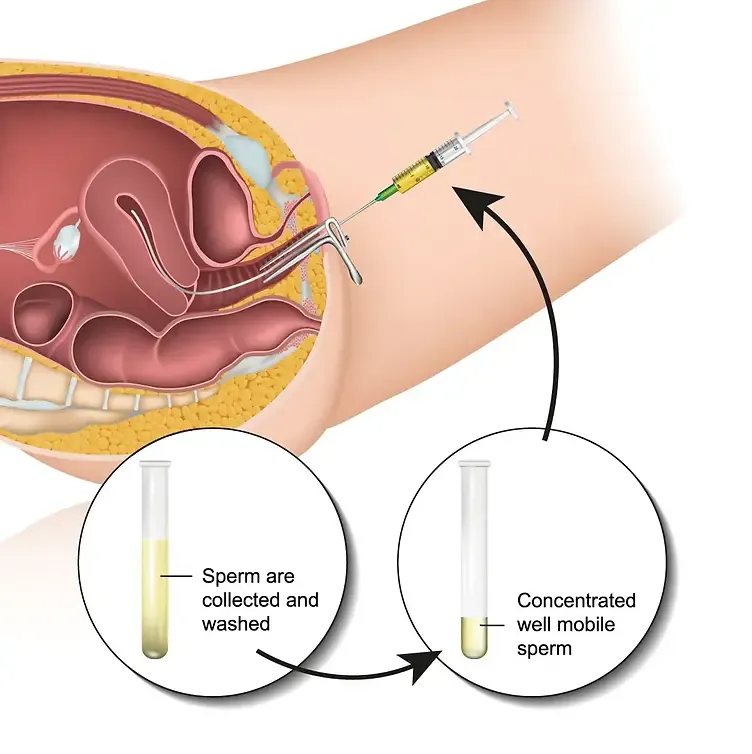
When faced with disappointing at-home insemination success rates, it may be necessary to reevaluate and explore other options. This can include seeking medical advice and considering alternative methods such as intrauterine insemination (IUI) or in vitro fertilization (IVF). While these options may come with a higher cost, they also have higher success rates.
Taking care of yourself
Going through the ups and downs of at-home insemination can take a toll on your physical and mental well-being. It is essential to prioritize self-care during this time. This can include getting enough rest, eating well, and engaging in activities that bring you joy and relaxation. Taking care of yourself will not only help you cope with the emotional toll but also prepare your body for future attempts.
The importance of staying positive
Despite the disappointment and setbacks, it is crucial to stay positive and maintain hope. Many couples have successfully conceived through at-home insemination, and you could be one of them. It is important to remember that every journey is different, and your time will come. Staying positive and hopeful can help you through this difficult time.
In conclusion, navigating through disappointing at-home insemination success rates can be emotionally challenging for couples. It is crucial to acknowledge and accept your feelings, seek support, and take care of yourself. Reevaluating and exploring other options can also provide hope for the future. Remember, you are not alone in this journey, and with patience, perseverance, and support, you will overcome this obstacle and achieve your dream of starting a family.