Intrauterine insemination (IUI) and intracervical insemination (ICI) are two commonly used methods of assisted reproductive technology that can help individuals and couples conceive a child. While both procedures involve the introduction of sperm into a woman’s reproductive tract, there are significant differences between the two. One of the most important aspects to consider when choosing between IUI and ICI is the emotional toll that each can have on individuals and couples. In this blog post, we will explore the emotional impact of these two insemination methods and provide insights from experts in the field.
Understanding Intrauterine Insemination and Intracervical Insemination
Before delving into the emotional aspects, it is essential to understand the differences between IUI and ICI. In IUI, sperm is directly placed into the uterus using a catheter, bypassing the cervix. This procedure is typically timed with a woman’s ovulation to increase the chances of fertilization. On the other hand, ICI involves the placement of sperm near the cervix using a syringe or cervical cap. This method relies on the sperm’s ability to swim through the cervix and reach the egg for fertilization.
The Emotional Toll of Intrauterine Insemination
IUI can be an emotionally taxing process for individuals and couples trying to conceive. The preparation for the procedure, which includes hormonal medications and frequent visits to the doctor, can take a toll on one’s emotional well-being. The waiting period between IUI and finding out if it was successful can also be a rollercoaster of emotions. Dr. Zaher Merhi, a fertility specialist, explains, “The two-week wait after IUI is probably the most stressful time for a couple undergoing this procedure. They are eagerly waiting to find out if they are pregnant or not, and the anticipation can be overwhelming.”
In addition, the success rate of IUI is not as high as other assisted reproductive techniques, which can lead to disappointment and feelings of failure. This can be particularly challenging for individuals and couples who have been struggling with infertility for an extended period.
The Emotional Impact of Intracervical Insemination
While ICI may seem less invasive and emotionally taxing compared to IUI, it still has its own set of emotional challenges. One of the biggest concerns for individuals undergoing ICI is the lack of control over the process. Unlike IUI, where the sperm is placed directly into the uterus, ICI relies on the sperm’s ability to swim through the cervix, which can be unpredictable. This can lead to feelings of uncertainty and anxiety, as individuals have no way of knowing if the sperm has reached the egg for fertilization.
Dr. Merhi also highlights the emotional impact of the timing involved in ICI. He explains, “Timing is crucial in ICI, and if the sperm is not introduced at the right time, it can significantly affect the chances of conception. This can add to the emotional burden, as individuals are constantly thinking about whether the timing is right.”
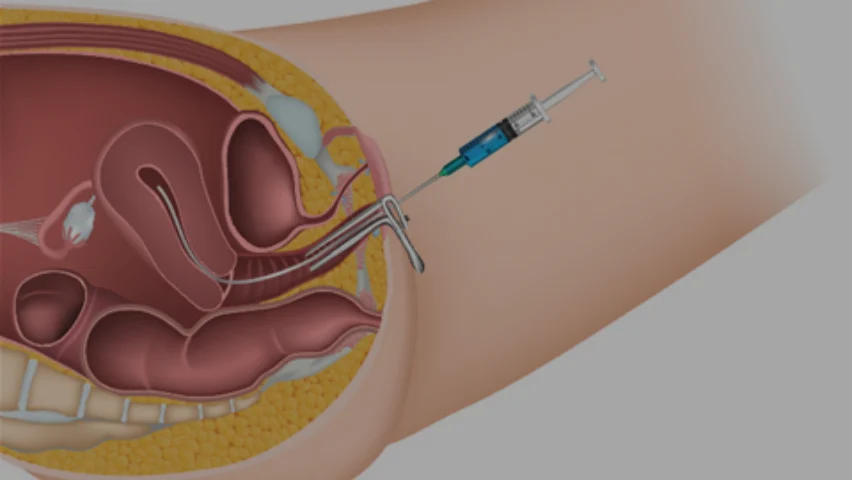
Intrauterine Insemination vs Intracervical Insemination: A Look at the Emotional Toll
The Impact on Relationships
The emotional toll of IUI and ICI is not limited to individuals; it can also have a significant impact on relationships. The stress and anxiety surrounding these procedures can strain a couple’s communication and intimacy. There may also be feelings of resentment or blame if the procedure is not successful, which can lead to relationship issues.
Dealing with the Emotional Toll
The emotional toll of IUI and ICI can be overwhelming, but there are ways to cope with these challenges. It is crucial for individuals and couples to have a support system in place, whether it be friends, family, or a therapist. It is also essential to have open communication with your partner and to express your feelings and concerns.
Dr. Merhi emphasizes the importance of self-care during this process. He says, “It is essential to take care of your emotional well-being during this time. Engage in activities that help you relax and destress, such as yoga, meditation, or spending time in nature.”
Seeking Professional Help
If the emotional toll of IUI and ICI becomes too overwhelming, it may be helpful to seek professional help. A therapist or counselor can provide support and guidance through the process and help individuals and couples navigate the emotional challenges.
In conclusion, the decision between IUI and ICI should not solely be based on the emotional toll but should consider other factors such as success rates, cost, and medical recommendations. However, it is vital to acknowledge and address the emotional impact of these procedures and seek support when needed. With the right support and coping mechanisms, individuals and couples can navigate through the emotional toll and increase their chances of conceiving a child.
Summary:
Intrauterine insemination (IUI) and intracervical insemination (ICI) are two methods of assisted reproductive technology that can help individuals and couples conceive. While both procedures involve the introduction of sperm into a woman’s reproductive tract, they have significant differences, particularly in the emotional toll they can have on individuals and couples. IUI can be emotionally taxing due to the preparation, waiting period, and success rates, while ICI can create feelings of uncertainty and anxiety due to its reliance on the sperm’s ability to swim through the cervix. These emotional challenges can also impact relationships, but there are ways to cope, such as having a support system, open communication, self-care, and seeking professional help.