Egg retrieval and egg sharing are two methods of obtaining eggs for fertility treatments. Both options have their own unique benefits and considerations, and choosing between them can be a difficult decision. In this blog post, we will discuss the differences between egg retrieval and egg sharing, the pros and cons of each method, and help you determine which option may be right for you.
Egg Retrieval:
Egg retrieval, also known as egg harvesting, involves the process of retrieving eggs from a woman’s ovaries through a minor surgical procedure. The eggs are then used for in vitro fertilization (IVF) or other fertility treatments. This method is typically used when a woman is able to produce a sufficient number of eggs for her own fertility treatments.
Pros:
One of the main benefits of egg retrieval is that the eggs are solely for the use of the woman undergoing the procedure. This means that there is no risk of sharing eggs with another recipient, and the chances of success are not affected by another person’s fertility issues.
Another advantage of egg retrieval is that it allows for the use of donor sperm, which can be helpful for single women or same-sex couples. It also gives the woman control over the timing of the procedure and allows her to choose when she is ready to start a family.
Cons:
The main downside of egg retrieval is the cost. It can be an expensive process, as it involves hormone injections, monitoring, and the surgical procedure itself. Additionally, there is a risk of side effects from the hormone injections, such as bloating, mood swings, and discomfort.
Another consideration is the possibility of multiple pregnancies. With IVF, multiple embryos may be implanted to increase the chances of success, which can result in multiple pregnancies and increase the risk of complications for both the mother and babies.
Egg Sharing:
Egg sharing, also known as egg donation, involves a woman donating some of her eggs to another recipient who is unable to produce their own. This method is typically used when a woman is producing a higher number of eggs than needed for her own fertility treatment.
Pros:
The main benefit of egg sharing is the cost savings. By donating some of her eggs, the woman undergoing the procedure can receive a discount or even free fertility treatment. This can be a helpful option for those who may not be able to afford the high cost of fertility treatments.
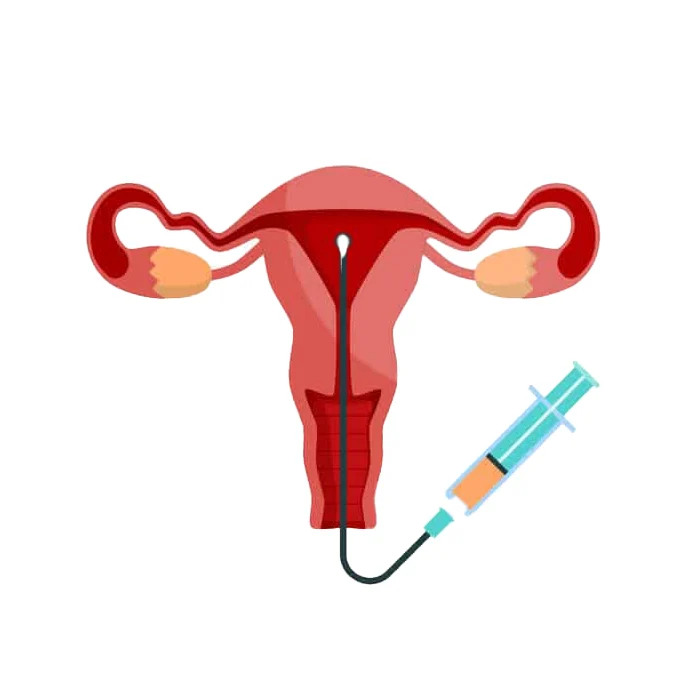
Egg Retrieval vs Egg Sharing: Which is Right for You?
Egg sharing also gives women the opportunity to help others who are struggling with fertility issues. It can be a rewarding and fulfilling experience for those who choose to donate their eggs.
Cons:
One of the main concerns with egg sharing is the lack of control over the use of the donated eggs. The recipient may choose to use the eggs for multiple pregnancies, which can increase the risk of complications for the donor and the recipient.
There is also the potential for emotional and psychological challenges for the donor. The process of egg retrieval and donation can be physically and emotionally taxing, and some women may struggle with feelings of attachment to the donated eggs.
Which option is right for you?
There is no one-size-fits-all answer to this question, as it ultimately depends on individual circumstances and preferences. However, there are a few factors to consider when making this decision.
First, it is important to assess your own fertility and determine if you are able to produce enough eggs for your own fertility treatment. If you are struggling with fertility issues, egg retrieval may be the best option for you.
Second, consider the financial aspect. If cost is a major concern, egg sharing may be a more viable option for you.
Lastly, think about your personal values and beliefs. Some women may feel uncomfortable with the idea of sharing their eggs, while others may find it to be a rewarding experience. It is important to carefully consider your own feelings and make a decision that aligns with your beliefs.
In conclusion, both egg retrieval and egg sharing have their own advantages and disadvantages. It is important to weigh these factors and consider your own circumstances before making a decision. Consulting with a fertility specialist can also be helpful in determining the best option for you.
Summary:
Egg retrieval and egg sharing are two methods of obtaining eggs for fertility treatments. Egg retrieval involves retrieving eggs from a woman’s ovaries for her own fertility treatment, while egg sharing involves donating eggs to another recipient. Egg retrieval allows for control and use of donor sperm, but can be costly and may result in multiple pregnancies. Egg sharing offers cost savings and the opportunity to help others, but the donor may have less control over the use of their eggs. The decision between the two options depends on individual circumstances, including fertility, finances, and personal values.