Tag: Donor sperm

  • At-Home Insemination with Frozen Sperm: Tips and Considerations

    At-Home Insemination with Frozen Sperm: Tips and Considerations

    At-home insemination with frozen sperm has become a popular option for individuals and couples looking to start a family. Whether it’s due to fertility issues, same-sex couples, or single individuals wanting to become parents, at-home insemination can provide a more affordable and convenient alternative to other fertility treatments. However, it’s important to understand the process and considerations before embarking on this journey. In this blog post, we will discuss the tips and considerations for at-home insemination with frozen sperm, including the steps involved, potential risks, and how to increase the chances of success.

    Before we dive into the details, it’s essential to understand the basics of at-home insemination with frozen sperm. This process involves using a donor’s frozen sperm sample to fertilize the egg, either through artificial insemination or intrauterine insemination (IUI). The frozen sperm is typically obtained from a sperm bank and can be shipped directly to your home. The process can be done in the comfort of your own home, eliminating the need for frequent visits to a fertility clinic.

    Now, let’s look at some tips and considerations to keep in mind when considering at-home insemination with frozen sperm:

    1. Choose a Reliable Sperm Bank

    The first and most crucial step in at-home insemination is choosing a reliable sperm bank. It’s essential to do thorough research and choose a reputable bank that follows strict screening processes and adheres to FDA regulations. This will ensure that the sperm sample is of high quality and free from any potential health risks.

    2. Know Your Fertility Window

    Timing is crucial when it comes to insemination. It’s essential to track your ovulation cycle and know your most fertile days. This will increase the chances of successful fertilization. There are various methods for tracking ovulation, including ovulation predictor kits, basal body temperature monitoring, and tracking changes in cervical mucus.

    3. Prepare the Sperm Sample Properly

    Once the sperm sample arrives, it’s crucial to follow the instructions provided by the sperm bank for thawing and preparing the sample. Typically, the sample should be thawed in warm water and then allowed to rest for a few minutes before use. It’s essential to handle the sample with care and avoid exposing it to extreme temperatures or excessive movements.

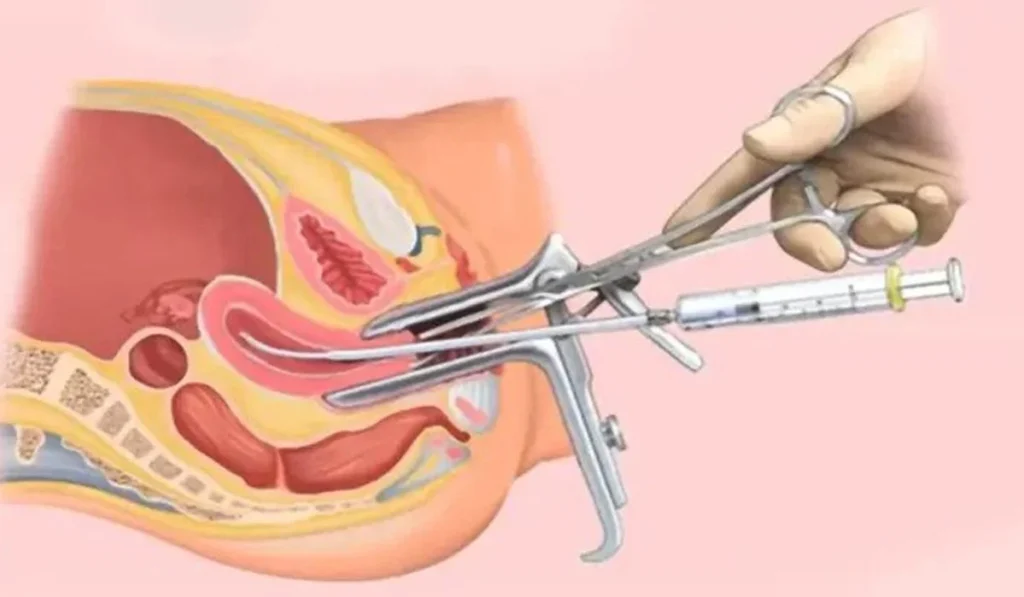
    4. Consider Using a Speculum

    Using a speculum during the insemination process can make it easier to deposit the sperm sample near the cervix. This can increase the chances of successful fertilization and reduce the risk of leakage. A speculum can be purchased from a pharmacy or obtained from a healthcare provider.

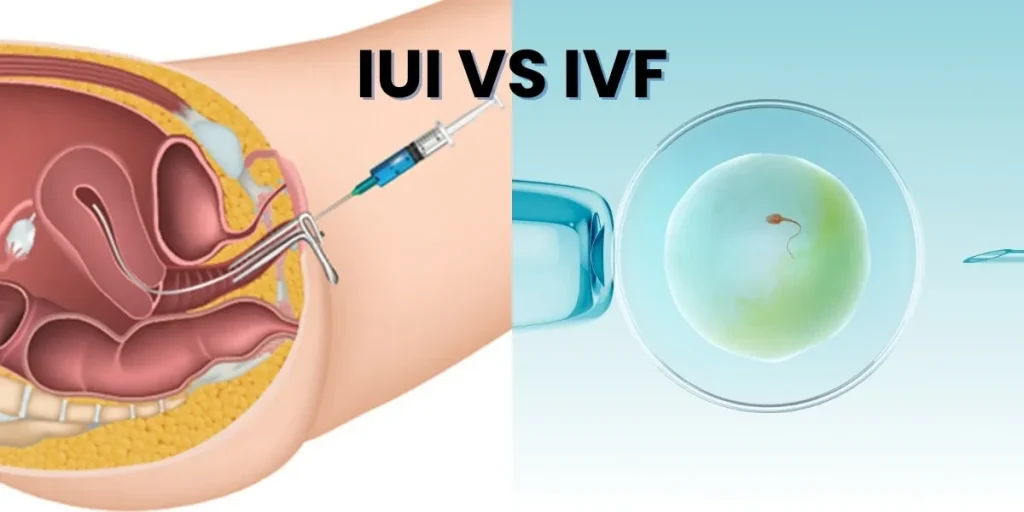
    comparison of IUI and IVF procedures illustrated with simple graphics and labels

    At-Home Insemination with Frozen Sperm: Tips and Considerations

    5. Have Patience and Stay Positive

    At-home insemination with frozen sperm may not result in a pregnancy on the first try, and that’s okay. It’s essential to have patience and not get discouraged. It may take a few attempts before achieving success, and it’s crucial to stay positive and keep trying.

    Now, let’s look at some considerations to keep in mind before embarking on at-home insemination with frozen sperm:

    1. Understand the Legal Implications

    It’s essential to understand the legal implications of at-home insemination with a donor’s sperm. In some states, the donor may have legal rights and obligations towards the child. It’s important to consult with a lawyer and have a legal agreement in place before proceeding with the insemination process.

    2. Be Prepared for Emotional Challenges

    Insemination, whether done at home or in a clinic, can be an emotional journey. It’s essential to have a support system in place and be prepared for any potential challenges, such as unsuccessful attempts or feelings of isolation.

    3. Consider the Risks

    At-home insemination with frozen sperm does carry some risks, including the potential for infections or allergic reactions. It’s crucial to consult with a healthcare provider and follow all safety measures to minimize these risks.

    4. Be Financially Prepared

    While at-home insemination may be a more affordable option compared to other fertility treatments, it’s still essential to be financially prepared. This includes the cost of purchasing the sperm sample, any necessary equipment or supplies, and potential medical expenses.

    In summary, at-home insemination with frozen sperm can be a viable option for individuals and couples looking to start a family. It’s essential to choose a reliable sperm bank, track ovulation, properly prepare the sperm sample, and have patience throughout the process. However, it’s also crucial to consider the legal implications, emotional challenges, and potential risks before embarking on this journey. With proper planning and preparation, at-home insemination with frozen sperm can be a successful and rewarding experience.

  • At-Home Insemination vs. IVF: Which is Right for You?

    Blog Post Title: At-Home Insemination vs. IVF: Which is Right for You?

    In the world of assisted reproductive technology, there are many options available for couples and individuals looking to conceive a child. Two popular options are at-home insemination and in vitro fertilization (IVF). Both methods involve the use of donor sperm to fertilize the egg, but there are significant differences between the two. In this blog post, we will discuss the pros and cons of each method and help you determine which one may be the right choice for you.

    At-Home Insemination:

    At-home insemination, also known as artificial insemination, is a method where sperm is placed inside the vagina or cervix using a syringe or a cervical cap. This method can be done in the comfort of your own home and does not require any medical intervention. It is a popular choice for same-sex female couples, single women, and heterosexual couples with male infertility issues.

    Pros of At-Home Insemination:

    1. Cost-effective: At-home insemination is significantly cheaper than IVF. The cost of sperm, ovulation kits, and other supplies can range from $500 to $1000, whereas IVF can cost upwards of $10,000.

    2. Convenience: At-home insemination can be done in the privacy and comfort of your own home, eliminating the need for frequent visits to a fertility clinic.

    3. Less invasive: Unlike IVF, at-home insemination does not require any surgical procedures or invasive medical treatments.

    4. Non-hormonal: At-home insemination does not involve the use of fertility drugs, making it a more natural option for those who prefer to avoid hormonal treatments.

    Cons of At-Home Insemination:

    1. Lower success rates: The success rates of at-home insemination are significantly lower than IVF. This is due to the fact that the sperm has to travel a longer distance to reach the egg, making it more difficult for fertilization to occur.

    2. Limited testing: At-home insemination does not involve any testing or monitoring of the woman’s ovulation cycle, which can decrease the chances of successful conception.

    3. Increased risk of infection: The lack of medical supervision during at-home insemination can increase the risk of infection if proper hygiene is not maintained.

    doctor discussing treatment with a patient in a medical office, featuring an ultrasound machine in the background

    At-Home Insemination vs. IVF: Which is Right for You?

    IVF:

    IVF is a more complex and invasive method of assisted reproduction. It involves the fertilization of the egg with sperm outside the body, in a laboratory setting. The resulting embryo is then transferred into the woman’s uterus for implantation.

    Pros of IVF:

    1. Higher success rates: IVF has a higher success rate compared to at-home insemination, making it a more reliable option for those struggling with infertility.

    2. Advanced testing and monitoring: During IVF, the woman’s ovulation cycle is closely monitored and controlled, increasing the chances of successful fertilization.

    3. Suitable for various fertility issues: IVF can help overcome various fertility issues, including blocked fallopian tubes, male infertility, and advanced age.

    4. Genetic screening: IVF allows for genetic screening of embryos, which can help identify potential genetic disorders or chromosomal abnormalities.

    Cons of IVF:

    1. Expensive: IVF is a costly procedure, and multiple cycles may be required to achieve a successful pregnancy.

    2. Invasive: IVF involves a series of medical procedures, including egg retrieval and embryo transfer, which can be physically and emotionally taxing for some individuals.

    3. Hormonal treatments: IVF requires the use of fertility drugs to stimulate the ovaries, which can have side effects such as bloating, mood swings, and headaches.

    Summary:

    At-home insemination and IVF are two popular methods of assisted reproduction that involve the use of donor sperm. At-home insemination is a more affordable and convenient option, but it has lower success rates and limited testing. On the other hand, IVF has higher success rates and offers advanced testing and monitoring, but it is more expensive and invasive. The choice between the two methods ultimately depends on individual preferences, fertility issues, and budget.

    In conclusion, both at-home insemination and IVF have their own set of pros and cons. It is important to consult with a medical professional to determine which method may be the best fit for your specific situation. Regardless of which method you choose, remember to stay positive and keep an open mind, as both methods have helped many individuals and couples achieve their dream of starting a family.

  • Breaking the Stigma: At-Home Insemination in the LGBTQ+ Community

    Breaking the Stigma: At-Home Insemination in the LGBTQ+ Community

    In recent years, there has been a significant increase in the number of LGBTQ+ couples and individuals who are choosing to start a family. However, the process of conceiving a child can be challenging and expensive for those in the LGBTQ+ community, especially when it comes to assisted reproduction methods like in vitro fertilization (IVF) and intrauterine insemination (IUI). This has led many individuals and couples to turn to a more accessible, affordable, and private option – at-home insemination.

    At-home insemination, also known as self-insemination, is the process of placing sperm inside a person’s reproductive tract in order to achieve pregnancy. This method involves using a syringe or a soft cup to deposit sperm in the vagina, cervix, or uterus. At-home insemination has gained popularity in the LGBTQ+ community as it allows individuals and couples to take control of their reproductive journey and overcome the social stigma and financial barriers associated with assisted reproduction.

    One of the main reasons why at-home insemination is preferred by many in the LGBTQ+ community is the privacy it offers. For many individuals and couples, the thought of going to a fertility clinic and discussing their sexual orientation or gender identity can be intimidating and uncomfortable. With at-home insemination, they can bypass these potentially awkward conversations and proceed with the process in the comfort of their own home. This allows them to maintain their privacy and feel more in control of their reproductive journey.

    Another benefit of at-home insemination is its affordability. Traditional fertility treatments like IVF and IUI can cost thousands of dollars, with no guarantee of success. This can be a significant barrier for many in the LGBTQ+ community, who may already face discrimination and financial challenges due to their sexual orientation or gender identity. At-home insemination, on the other hand, can cost as little as a few hundred dollars, making it a more accessible option for those who want to start a family.

    doctor discussing treatment with a patient in a medical office, featuring an ultrasound machine in the background

    Breaking the Stigma: At-Home Insemination in the LGBTQ+ Community

    At-home insemination also provides individuals and couples in the LGBTQ+ community with the opportunity to be more involved in the conception process. Unlike traditional assisted reproduction methods where a doctor is responsible for insemination, at-home insemination allows individuals and couples to take a more active role in the process. This can be empowering and create a stronger bond between partners as they work together towards achieving their dream of starting a family.

    While at-home insemination may seem like a simple and straightforward process, there are still some important factors to consider. One of the key considerations is the source of sperm. Many individuals and couples in the LGBTQ+ community choose to use donor sperm, which can be purchased from a sperm bank or obtained from a known donor. It is essential to carefully research and choose a reputable sperm bank or donor to ensure the safety and quality of the sperm being used.

    Another crucial aspect of at-home insemination is timing. In order to increase the chances of success, it is important to track ovulation and inseminate during the most fertile window. This can be done through methods like ovulation predictor kits or tracking basal body temperature. It is also recommended to consult with a fertility specialist or healthcare provider to ensure that the timing is accurate and the process is being done correctly.

    Despite the many benefits of at-home insemination, there is still a stigma surrounding this method in the LGBTQ+ community. Some may view it as a less legitimate or “natural” way of conceiving, leading to feelings of shame or embarrassment. This stigma can also be perpetuated by society’s heteronormative views of reproduction and the pressure to conform to traditional family structures. However, it is important to remember that at-home insemination is a valid and viable option for starting a family, and there is no one “right” way to become a parent.

    In conclusion, at-home insemination has become a popular choice for many in the LGBTQ+ community who want to start a family. It offers privacy, affordability, and the opportunity for individuals and couples to be more involved in the conception process. However, it is essential to research and consult with a healthcare provider to ensure the safety and success of at-home insemination. It is also crucial to break the stigma surrounding this method and recognize that there is no one “right” way to create a family.

  • At-Home Insemination: A Detailed Guide for Beginners

    At-Home Insemination: A Detailed Guide for Beginners

    In recent years, at-home insemination has become a popular option for individuals and couples looking to start or expand their families. This method allows for a more intimate and private approach to conception, without the need for medical intervention or expensive fertility treatments. However, for those who are new to the concept of at-home insemination, the process can seem daunting and overwhelming. In this blog post, we will provide a detailed guide for beginners on how to successfully perform at-home insemination.

    What is At-Home Insemination?

    At-home insemination, also known as DIY insemination, is the process of self-insemination using donor sperm. This method involves depositing the sperm into the vagina, near the cervix, at the time of ovulation. This allows the sperm to travel through the cervix and into the uterus, increasing the chances of fertilization.

    Why Choose At-Home Insemination?

    There are various reasons why individuals and couples may choose at-home insemination as their preferred method of conception. Some may prefer the privacy and intimacy of performing the insemination in the comfort of their own home. Others may have experienced challenges with conceiving through traditional methods and see at-home insemination as a more affordable and less invasive alternative to fertility treatments. Whatever the reason may be, at-home insemination can be a viable option for many individuals and couples.

    Steps to Perform At-Home Insemination

    Step 1: Determine the Fertile Window

    The first step in at-home insemination is to determine the fertile window. This is the time in a person’s menstrual cycle when they are most likely to conceive. The fertile window typically lasts for about 6 days, with the day of ovulation being the most fertile. There are various methods to determine the fertile window, including tracking ovulation through basal body temperature, ovulation predictor kits, and monitoring cervical mucus changes.

    Step 2: Choose a Donor

    The next step is to choose a donor. You can either use fresh sperm from a known donor or purchase frozen sperm from a sperm bank. If using a known donor, it is important to discuss and document any legal agreements and health screenings beforehand. If purchasing sperm from a sperm bank, ensure that the sperm is from a reputable source and has been thoroughly tested and screened.

    Step 3: Gather Supplies

    Before performing the insemination, make sure to gather all necessary supplies, including a sterile syringe, specimen cup, ovulation predictor kit, and a comfortable and private space.

    test tube with sperm in blue liquid, promoting IUI success rate and factors influencing fertility.

    At-Home Insemination: A Detailed Guide for Beginners

    Step 4: Prepare the Sperm

    If using fresh sperm, the donor will need to ejaculate into the specimen cup. If using frozen sperm, follow the instructions provided by the sperm bank to thaw the sperm and prepare it for insemination.

    Step 5: Perform the Insemination

    Using the sterile syringe, carefully draw up the sperm from the specimen cup and then insert the syringe into the vagina, near the cervix. Slowly release the sperm into the vagina, making sure to deposit it near the cervix.

    Step 6: Stay Lying Down

    After the insemination, it is recommended to stay lying down for about 20-30 minutes to allow the sperm to travel through the cervix and into the uterus.

    Step 7: Repeat as Needed

    If not successful in the first attempt, you can repeat the process during the fertile window. It is important to note that at-home insemination may take multiple attempts before achieving a successful pregnancy.

    Things to Consider

    While at-home insemination may seem like a simple and straightforward process, there are some important things to consider before proceeding with this method. It is essential to have open and honest communication with your partner or donor, to ensure that everyone involved is on the same page. It is also important to have realistic expectations and understand that at-home insemination may not be successful on the first try.

    In addition, it is crucial to have a support system in place, whether it be through family, friends, or online communities. At-home insemination can be an emotional journey, and having a support system can make a significant difference.

    Summary:

    At-home insemination is a popular method of conception that allows individuals and couples to perform insemination in the comfort of their own home. It involves self-insemination using donor sperm and can be a more private and affordable option compared to traditional fertility treatments. The process includes determining the fertile window, choosing a donor, gathering supplies, preparing the sperm, and performing the insemination. It is essential to have open communication, realistic expectations, and a support system in place when considering at-home insemination.

  • Understanding the Risks: Intrauterine Insemination vs Sperm Washing

    Understanding the Risks: Intrauterine Insemination vs Sperm Washing

    When it comes to fertility treatments, there are various options available for couples struggling to conceive. Among these options, two commonly used procedures are intrauterine insemination (IUI) and sperm washing. Both of these procedures involve the use of donor sperm, but they differ in their process and potential risks. In this blog post, we will dive into the details of these procedures and understand the risks associated with each.

    What is Intrauterine Insemination (IUI)?

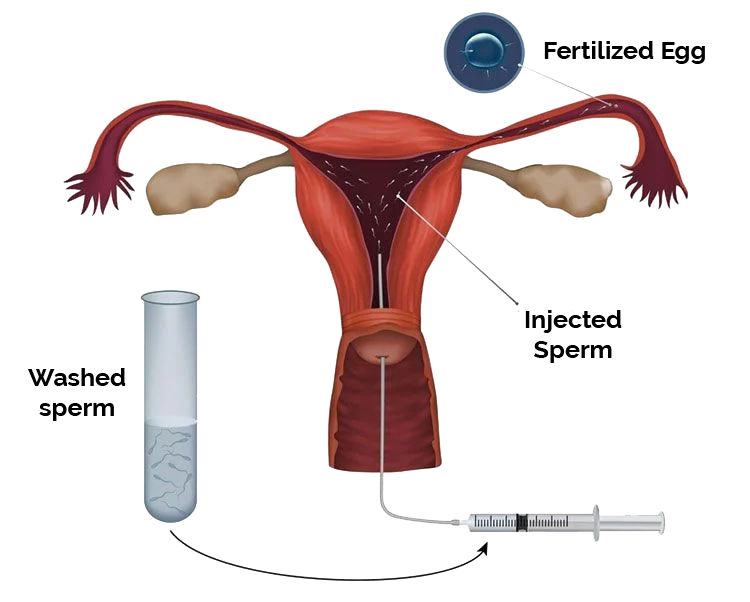
    Intrauterine insemination, also known as artificial insemination, is a fertility treatment that involves placing washed and concentrated sperm directly into a woman’s uterus during her ovulation period. The process begins with the collection of sperm from a donor, either from a known donor or a sperm bank. The sperm is then washed and prepared in a laboratory to remove any impurities and increase its concentration. Once the sperm is ready, it is inserted into the woman’s uterus using a thin catheter, increasing the chances of fertilization.

    What is Sperm Washing?

    Sperm washing is a technique used to separate sperm from other components of semen, such as viruses and bacteria. The process involves washing the semen sample with a special solution to remove the impurities and then spinning it in a centrifuge to separate the sperm from the other components. The resulting sperm sample is then used for various fertility treatments, including IUI and in vitro fertilization (IVF).

    Understanding the Risks of IUI

    As with any medical procedure, IUI comes with its own set of risks and potential complications. Some of the common risks associated with IUI include:

    1. Multiple pregnancies: IUI increases the chances of multiple pregnancies, which can pose a higher risk for both the mother and babies. In some cases, the doctor may use medication to control or prevent ovulation, which can reduce the chances of multiple pregnancies.

    2. Infection: The use of catheters during IUI can increase the risk of infection if proper sterilization procedures are not followed. It is crucial to ensure that all equipment used during the procedure is properly cleaned and sterilized.

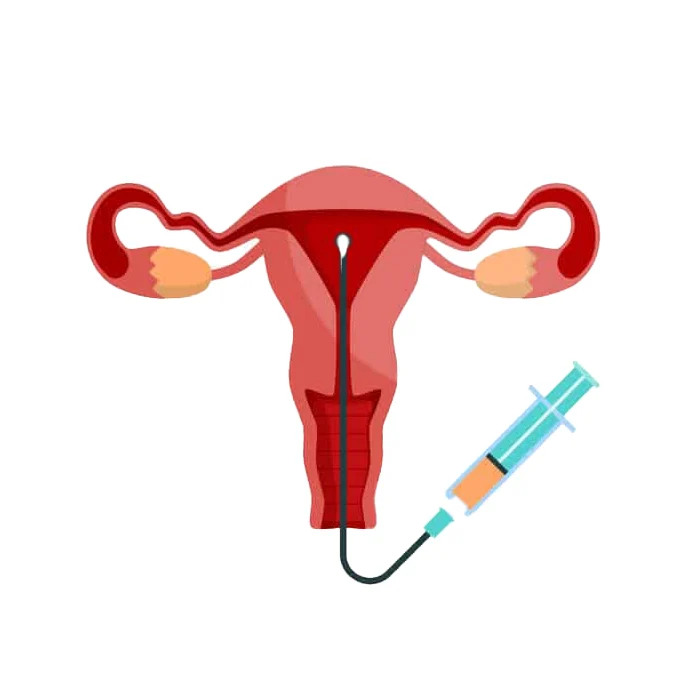
    illustration of a uterus with a syringe, representing intrauterine insemination procedure

    Understanding the Risks: Intrauterine Insemination vs Sperm Washing

    3. Ovarian hyperstimulation syndrome (OHSS): In some cases, women undergoing IUI may experience OHSS, a condition where the ovaries become swollen and painful. This can occur due to the use of fertility drugs to stimulate ovulation.

    4. Ectopic pregnancy: In rare cases, fertilization may occur outside of the uterus, leading to an ectopic pregnancy. This can be a life-threatening condition and requires immediate medical attention.

    5. Allergic reactions: Some people may have allergic reactions to the sperm or other components of the insemination solution. It is essential to inform the doctor of any known allergies before undergoing IUI.

    Understanding the Risks of Sperm Washing

    Sperm washing is a relatively safe procedure with minimal risks. Some potential complications associated with sperm washing include:

    1. Damage to the sperm: The washing process can potentially damage the sperm, decreasing their quality and reducing the chances of fertilization.

    2. Risk of infection: As with IUI, there is a risk of infection during the sperm washing process. Proper sterilization procedures must be followed to minimize this risk.

    3. Allergic reactions: Similar to IUI, some people may have allergic reactions to the washing solution or other components used during the process.

    Which Procedure is Safer?

    Both IUI and sperm washing are relatively safe procedures, but they do carry some risks. The decision of which procedure is safer depends on various factors, such as the individual’s medical history, the cause of infertility, and the doctor’s recommendation. In some cases, a combination of both procedures may be recommended to increase the chances of success.

    In summary, IUI and sperm washing are two common fertility treatments that involve the use of donor sperm. While both procedures have their risks, they are generally safe and effective options for couples struggling with infertility. It is essential to discuss all risks and potential complications with your doctor before choosing the right treatment plan for you.

  • The Ethics of Male and Female Infertility Treatments

    Blog Post Title: The Ethics of Male and Female Infertility Treatments

    Infertility is a growing concern for many couples, with 1 in 8 couples struggling to conceive. With advancements in medical technology, there are now various treatments available to help couples overcome infertility. However, these treatments also raise ethical concerns, particularly when it comes to male and female infertility. In this blog post, we will explore the ethical implications of male and female infertility treatments.

    The Ethics of Male Infertility Treatments:

    Male infertility treatments often involve assisted reproductive technologies (ARTs) such as intrauterine insemination (IUI) and in vitro fertilization (IVF). These treatments aim to help couples conceive by overcoming male reproductive issues such as low sperm count or sperm motility.

    One ethical concern with male infertility treatments is the use of donor sperm. In some cases, couples may choose to use donor sperm if the male partner is unable to produce viable sperm. While this may be a viable option for some couples, it raises questions about genetic and familial ties. Some argue that children conceived through donor sperm may have a sense of identity crisis or may never know their biological father, which can have a significant impact on their emotional well-being.

    Another ethical concern is the potential exploitation of sperm donors. In some cases, men may be paid for their sperm, which can lead to financial incentives and exploitation. Additionally, there is a lack of regulation and oversight in the sperm donation industry, which raises concerns about the quality and safety of donated sperm.

    The Ethics of Female Infertility Treatments:

    Female infertility treatments also involve ARTs such as IVF and intrauterine insemination, but they also include other procedures such as fertility drugs and surgical interventions. These treatments aim to help women overcome issues such as ovulatory disorders or blocked fallopian tubes.

    One ethical concern with female infertility treatments is the risks associated with these procedures. IVF, for example, carries a risk of ovarian hyperstimulation syndrome, which can be life-threatening. There is also a risk of multiple pregnancies, which can have adverse health effects on both the mother and the babies.

    illustration of a uterus with a syringe, representing intrauterine insemination procedure

    The Ethics of Male and Female Infertility Treatments

    Another ethical concern is the high cost of female infertility treatments. These procedures can be expensive, and not all couples can afford them. This raises questions about fairness and access to infertility treatments. Should only those who can afford these treatments have the chance to conceive a child? This raises concerns about social and economic inequalities.

    The Ethics of Gender Selection:

    Another ethical issue surrounding infertility treatments is gender selection. This refers to the practice of choosing the sex of a child through ARTs. While this may seem like a harmless choice, it raises concerns about gender bias and discrimination. Some argue that gender selection perpetuates gender stereotypes and reinforces the idea that one gender is more desirable than the other. It also raises questions about the value of a child’s life and whether a child’s gender should be a factor in their conception.

    Moreover, gender selection can also lead to a skewed gender ratio in society. In countries where male children are preferred, this can result in a significant gender imbalance, which can have social and cultural implications.

    The Ethics of Genetic Testing:

    Genetic testing is another aspect of infertility treatments that raises ethical concerns. This involves testing embryos for genetic disorders before implantation during IVF. While this can help prevent the transmission of genetic disorders to future children, it also raises questions about the value of individuals with genetic disorders. Some argue that it perpetuates ableism and discrimination against those with disabilities.

    Moreover, genetic testing can also lead to the selection of desirable traits in children, such as intelligence or physical appearance. This raises concerns about eugenics and the idea of creating a “perfect” child.

    Conclusion:

    Infertility treatments have provided hope for many couples struggling to conceive, but they also raise ethical concerns. From the use of donor sperm and eggs to gender selection and genetic testing, there are various ethical implications to consider. As medical technology continues to advance, it is crucial to have ongoing discussions and debates about the ethics of infertility treatments to ensure that they are used responsibly and ethically.

    In summary, the ethics of male and female infertility treatments include concerns about the use of donor sperm and eggs, the risks and costs of these treatments, gender selection, and genetic testing. These issues raise questions about identity, fairness, discrimination, and the value of human life. It is essential to have ongoing discussions and regulations to ensure that infertility treatments are used ethically and responsibly.

  • Donor Insemination vs Partner Insemination: A Medical Perspective

    Donor Insemination vs Partner Insemination: A Medical Perspective

    When it comes to starting a family, there are various options available for couples and individuals who are unable to conceive naturally. Two popular methods of assisted reproduction are donor insemination (DI) and partner insemination (PI). Both methods involve the use of donor sperm, but there are some key differences that individuals should know before deciding which option is best for them. In this blog post, we will explore the medical perspective of both donor insemination and partner insemination, including the process, success rates, and potential risks.

    Donor Insemination (DI)

    Donor insemination, also known as artificial insemination, is a process where donor sperm is used to fertilize a woman’s egg. This method is commonly used by single women, same-sex couples, and heterosexual couples where the male partner has fertility issues. The process involves the insertion of donor sperm into the woman’s reproductive tract, either through the cervix or directly into the uterus. This can be done through intrauterine insemination (IUI) or intra-cervical insemination (ICI).

    One of the main advantages of DI is that it allows individuals to have a child without a male partner. It also provides options for individuals with certain medical conditions or genetic disorders that may make it difficult to conceive naturally. Additionally, DI is a relatively simple and less invasive procedure compared to other assisted reproductive techniques.

    Partner Insemination (PI)

    Partner insemination, also known as at-home insemination, is a process where a known or anonymous donor provides sperm for insemination at home. This method is commonly used by lesbian couples or single women who want to involve a known donor, such as a friend or family member, in the conception process. Unlike DI, PI does not involve a medical professional and can be done in the comfort of one’s own home.

    One of the main advantages of PI is the involvement of a known donor, which can provide a sense of connection and involvement in the child’s life. It also allows individuals to have more control over the insemination process, as they can choose when and where to inseminate. However, it is important to note that PI is not legal in all countries and may not be covered by insurance.

    diagram of the female reproductive system with an IUI syringe and test tube for artificial insemination

    Donor Insemination vs Partner Insemination: A Medical Perspective

    Success Rates

    The success rates of both DI and PI can vary depending on various factors, such as the age and health of the woman, the quality of the sperm, and the timing of insemination. According to the American Society for Reproductive Medicine, the success rate for DI ranges from 10-20% per cycle, while the success rate for PI is estimated to be around 5-15% per cycle. This is due to the fact that DI involves a medical professional who can monitor the ovulation cycle and ensure that the sperm is placed in the optimal location for fertilization.

    Risks and Considerations

    Like any medical procedure, both DI and PI carry some risks that individuals should be aware of before making a decision. DI may involve some mild discomfort or cramping during the insemination process, and there is a small risk of infection. Additionally, there may be psychological and emotional considerations for individuals and couples using donor sperm, including questions about the child’s genetic background and potential feelings of loss or lack of connection to the child.

    On the other hand, PI may carry a higher risk of infection if proper hygiene and sterilization procedures are not followed. There is also a risk of legal and emotional complications if the known donor is involved in the child’s life. It is important for individuals to thoroughly discuss and plan for these potential risks and considerations with their healthcare provider before proceeding with either DI or PI.

    In conclusion, both donor insemination and partner insemination are viable options for individuals and couples looking to start a family. The choice ultimately depends on personal preferences, medical considerations, and legal regulations. It is important to consult with a medical professional and carefully weigh the pros and cons of each method before making a decision.

    Summary:

    Donor insemination (DI) and partner insemination (PI) are two methods of assisted reproduction that involve the use of donor sperm. DI is a medical procedure that involves the insertion of donor sperm into a woman’s reproductive tract, while PI is an at-home insemination process using a known or anonymous donor. DI offers higher success rates, while PI allows for more control and involvement of a known donor. Both methods have potential risks and considerations that individuals should discuss with a healthcare provider before making a decision. Ultimately, the choice between DI and PI depends on personal preferences, medical considerations, and legal regulations.

  • A Comprehensive Guide to Fertility Supplements and Medical Treatments

    Title: A Comprehensive Guide to Fertility Supplements and Medical Treatments

    Introduction:
    Infertility affects millions of couples worldwide and can be a frustrating and emotional journey. While there are many factors that can contribute to difficulty conceiving, there are also a variety of supplements and medical treatments available to help boost fertility. In this comprehensive guide, we will discuss the most common fertility supplements and medical treatments, their benefits, and potential risks.

    Fertility Supplements:

    1. Folic Acid:
    Folic acid is a B-vitamin that is essential for healthy cell growth and development. It is especially important for women who are trying to conceive, as it can help prevent birth defects in the baby. Studies have shown that taking folic acid before and during pregnancy can significantly reduce the risk of neural tube defects.

    2. Coenzyme Q10:
    Coenzyme Q10 is an antioxidant that helps protect the eggs from damage. As women age, the quality and quantity of their eggs decline, making it harder to conceive. Coenzyme Q10 can help improve egg quality and increase the chances of pregnancy. It can also help improve sperm quality in men.

    3. Omega-3 Fatty Acids:
    Omega-3 fatty acids are essential for maintaining overall health, but they are also important for fertility. They help regulate hormones, improve blood flow to the reproductive organs, and can increase cervical mucus, making it easier for sperm to reach the egg. Omega-3 fatty acids have also been shown to improve the success of fertility treatments such as in vitro fertilization (IVF).

    4. Vitamin D:
    Vitamin D deficiency has been linked to infertility in both men and women. It is important for ovulation and sperm production, and low levels have been associated with an increased risk of miscarriage. Some studies have also shown that women undergoing fertility treatments may have better outcomes when their vitamin D levels are optimal.

    5. Zinc:
    Zinc is a mineral that is essential for reproductive health. It plays a crucial role in egg development, fertilization, and embryo development. Zinc deficiency has been linked to irregular menstrual cycles, poor egg quality, and low sperm count. Supplementing with zinc can help improve fertility in both men and women.

    comparison of IUI and IVF fertility treatments with illustrations of procedures and a petri dish with an egg and sperm

    A Comprehensive Guide to Fertility Supplements and Medical Treatments

    Medical Treatments:

    1. Intrauterine Insemination (IUI):
    Intrauterine insemination (IUI) is a fertility treatment that involves placing washed and concentrated sperm directly into the uterus. It is often used for couples with unexplained infertility, mild male factor infertility, or cervical issues. The procedure is relatively simple and is usually done in the doctor’s office. IUI can be done with or without fertility drugs to stimulate ovulation.

    2. In Vitro Fertilization (IVF):
    In vitro fertilization (IVF) is a more involved fertility treatment that involves fertilizing eggs with sperm in a laboratory and then transferring the resulting embryo into the uterus. IVF is often recommended for couples with severe male factor infertility, ovulation disorders, blocked fallopian tubes, or unexplained infertility. It can also be used for women who have had previous fertility problems or are of advanced maternal age.

    3. Intracytoplasmic Sperm Injection (ICSI):
    Intracytoplasmic sperm injection (ICSI) is a procedure that is used in conjunction with IVF. It involves injecting a single sperm directly into the egg to assist with fertilization. ICSI is often recommended for couples with male factor infertility, such as low sperm count or poor sperm motility.

    4. Donor Eggs or Sperm:
    For couples who are unable to conceive using their own eggs or sperm, donor eggs or sperm may be an option. Donor eggs can be used with IVF, while donor sperm can be used with IUI, IVF, or ICSI. This option is often recommended for women with diminished ovarian reserve, advanced maternal age, or genetic disorders.

    5. Surrogacy:
    Surrogacy involves using a gestational carrier to carry a pregnancy on behalf of a woman or couple who is unable to conceive on their own. This option is often recommended for women who are unable to carry a pregnancy due to medical reasons or same-sex male couples.

    Conclusion:
    Fertility supplements and medical treatments can be beneficial for couples struggling with infertility. However, it is important to consult with a healthcare professional before starting any new supplement or treatment. It is also essential to understand the potential risks and limitations of each option and to manage expectations. With the right combination of supplements and medical treatments, many couples can overcome infertility and achieve their dream of starting a family.

    Summary:
    Infertility can be a challenging and emotional journey, but there are supplements and medical treatments available to help boost fertility. Folic acid, coenzyme Q10, omega-3 fatty acids, vitamin D, and zinc are all beneficial for fertility. Medical treatments such as IUI, IVF, ICSI, donor eggs or sperm, and surrogacy can also assist with conception. It is essential to consult with a healthcare professional and understand the potential risks and limitations of each option before starting any treatment.

  • The Differences in Process: Artificial Insemination vs Natural Conception

    Blog Post Title: The Differences in Process: Artificial Insemination vs Natural Conception

    Summary:

    The process of conceiving a child can happen in two ways: through natural conception or artificial insemination. While both methods ultimately result in the same outcome, there are significant differences in the process and factors to consider when choosing which option is right for you. In this blog post, we will explore the differences between artificial insemination and natural conception, including the steps involved, success rates, risks, and cost.

    Artificial Insemination:

    Artificial insemination involves the intervention of a medical professional to help facilitate the fertilization of an egg by sperm. This can be done using either intrauterine insemination (IUI) or in vitro fertilization (IVF).

    IUI is a procedure where sperm is collected, washed, and then inserted into the uterus during the woman’s ovulation period. This method is commonly used for couples with male fertility issues, single women, or same-sex couples. The success rates for IUI can range from 10-20% per cycle, with multiple cycles often needed to achieve pregnancy.

    On the other hand, IVF involves retrieving eggs from the woman’s ovaries and fertilizing them with sperm in a laboratory. The resulting embryos are then transferred into the woman’s uterus. IVF has a higher success rate, ranging from 30-40% per cycle, but it is a more invasive and costly procedure.

    Natural Conception:

    Natural conception, also known as sexual intercourse, is the traditional and most common way of getting pregnant. This method involves the natural process of a sperm fertilizing an egg during ovulation. While it may seem like a simple process, there are many factors that can affect a couple’s chances of conceiving naturally, such as age, health, and timing.

    The success rate of natural conception can vary greatly depending on these factors. For couples under 35, the chances of getting pregnant each month are about 20%. However, this rate decreases with age, with only a 5% chance for women over 40 to conceive naturally.

    illustration of a uterus with a syringe for intrauterine insemination (IUI) procedure

    The Differences in Process: Artificial Insemination vs Natural Conception

    Differences in Process:

    The most significant difference between artificial insemination and natural conception is the level of intervention and control. With artificial insemination, the sperm is inserted directly into the uterus, bypassing any potential barriers that may prevent fertilization. This method also allows for the use of donor sperm or eggs, giving individuals or couples with fertility issues a chance to conceive.

    In contrast, natural conception relies on the natural process of fertilization. This means that there is no guarantee that sperm will reach the egg, and external factors such as sperm count and quality can greatly affect the chances of fertilization. Additionally, natural conception does not involve any intervention from a medical professional, making it a less invasive and more private option.

    Risks and Considerations:

    As with any medical procedure, there are potential risks associated with artificial insemination. These can include multiple pregnancies, infection, and discomfort during the procedure. There is also the emotional aspect of using donor sperm or eggs, which may require counseling for some individuals or couples.

    Natural conception, while generally considered safe, also has its own risks and considerations. These include potential complications during pregnancy and childbirth, as well as the possibility of genetic or hereditary conditions being passed on to the child.

    Cost:

    The cost of artificial insemination varies depending on the method used and the number of cycles needed. For IUI, the average cost ranges from $300 to $1000 per cycle, while IVF can cost anywhere from $10,000 to $15,000 per cycle. These costs may increase if additional procedures or treatments are needed.

    Natural conception, on the other hand, does not have any additional costs associated with it. However, there may be indirect costs such as prenatal care and childcare expenses once the baby is born.

    In conclusion, the process of conceiving a child can happen in two ways: through artificial insemination or natural conception. While both methods have their own unique processes, risks, and considerations, the most important thing to consider is what is best for you and your partner. Consulting with a medical professional and discussing your options can help you make an informed decision on which method is right for you.

  • Same-Sex Couples and Fertility Options: A Look at Home Insemination and IVF

    Blog Post:

    Same-sex couples have always faced unique challenges when it comes to starting a family. In the past, adoption and surrogacy were the only options available, but with advancements in reproductive technology, there are now more options for same-sex couples to conceive and carry a child. In this blog post, we will explore two popular fertility options for same-sex couples: home insemination and IVF (in vitro fertilization).

    Home Insemination:

    Home insemination, also known as artificial insemination, is a process where sperm is manually inserted into the vagina or cervix in hopes of fertilizing an egg. This method has been used for decades by heterosexual couples struggling with fertility issues, but it has also become a popular option for same-sex couples.

    The process of home insemination involves collecting sperm from a known or anonymous donor and using a syringe or insemination kit to insert the sperm into the vagina. This can be done at home, making it a convenient and private option for couples. However, it is important to note that home insemination has a lower success rate compared to other fertility treatments, with only a 10-15% chance of conception per cycle.

    One of the main advantages of home insemination is that it is a more affordable option compared to other fertility treatments. The cost of sperm, insemination kits, and fertility drugs (if needed) are significantly lower than the cost of IVF. Additionally, home insemination allows for more control over the process, as couples can choose the donor and timing of the insemination.

    On the other hand, there are some disadvantages to consider with home insemination. The success rate is lower compared to other fertility treatments, and it may require multiple cycles to achieve a successful pregnancy. There is also the risk of sexually transmitted infections (STIs) if the donor is not properly screened or if the insemination process is not done correctly. It is important to discuss the potential risks and precautions with a healthcare provider before pursuing home insemination.

    illustration of an intrauterine insemination procedure with medical instruments and anatomical details

    Same-Sex Couples and Fertility Options: A Look at Home Insemination and IVF

    IVF (In Vitro Fertilization):

    IVF, also known as assisted reproductive technology (ART), is a more complex and invasive fertility treatment that involves fertilizing an egg with sperm outside of the body and then transferring the embryo into the uterus. This process has been used for decades and has helped many couples, including same-sex couples, to conceive.

    The process of IVF begins with hormone injections to stimulate the ovaries to produce multiple eggs. These eggs are then retrieved through a minor surgical procedure and combined with sperm in a laboratory dish. After fertilization occurs, the resulting embryo is transferred into the uterus, where it will hopefully implant and result in a pregnancy. Any extra embryos can be frozen for future use.

    One of the main advantages of IVF is its high success rate, with a 40% chance of pregnancy for women under 35, and a 30% chance for women between 35-37. This is significantly higher than other fertility treatments. Additionally, IVF allows for the use of donor sperm or eggs, making it a viable option for same-sex couples.

    However, IVF also comes with some disadvantages, including a higher cost compared to other fertility treatments, with an average cost of $12,000-$15,000 per cycle. The process can also be physically and emotionally taxing for both partners, with frequent doctor’s appointments, hormone injections, and the potential for multiple cycles before achieving a successful pregnancy.

    Summary:

    Same-sex couples have more fertility options available to them than ever before, with home insemination and IVF being two popular choices. Home insemination is a more affordable and private option, but with a lower success rate and potential risks. IVF, on the other hand, has a higher success rate but comes with a higher cost and more invasive procedures. It is important for same-sex couples to carefully consider their options and consult with a healthcare provider to determine the best fertility treatment for their individual situation.