At-Home Insemination with Frozen Sperm: Tips and Considerations
At-home insemination with frozen sperm has become a popular option for individuals and couples looking to start a family. Whether it’s due to fertility issues, same-sex couples, or single individuals wanting to become parents, at-home insemination can provide a more affordable and convenient alternative to other fertility treatments. However, it’s important to understand the process and considerations before embarking on this journey. In this blog post, we will discuss the tips and considerations for at-home insemination with frozen sperm, including the steps involved, potential risks, and how to increase the chances of success.
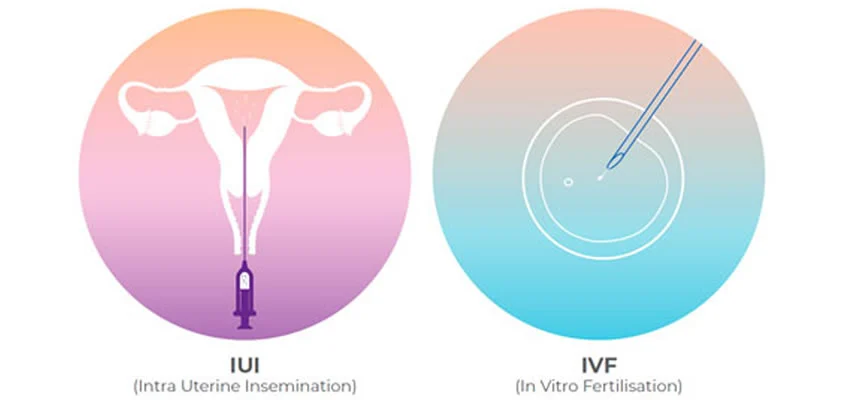
Before we dive into the details, it’s essential to understand the basics of at-home insemination with frozen sperm. This process involves using a donor’s frozen sperm sample to fertilize the egg, either through artificial insemination or intrauterine insemination (IUI). The frozen sperm is typically obtained from a sperm bank and can be shipped directly to your home. The process can be done in the comfort of your own home, eliminating the need for frequent visits to a fertility clinic.
Now, let’s look at some tips and considerations to keep in mind when considering at-home insemination with frozen sperm:
1. Choose a Reliable Sperm Bank
The first and most crucial step in at-home insemination is choosing a reliable sperm bank. It’s essential to do thorough research and choose a reputable bank that follows strict screening processes and adheres to FDA regulations. This will ensure that the sperm sample is of high quality and free from any potential health risks.
2. Know Your Fertility Window
Timing is crucial when it comes to insemination. It’s essential to track your ovulation cycle and know your most fertile days. This will increase the chances of successful fertilization. There are various methods for tracking ovulation, including ovulation predictor kits, basal body temperature monitoring, and tracking changes in cervical mucus.
3. Prepare the Sperm Sample Properly
Once the sperm sample arrives, it’s crucial to follow the instructions provided by the sperm bank for thawing and preparing the sample. Typically, the sample should be thawed in warm water and then allowed to rest for a few minutes before use. It’s essential to handle the sample with care and avoid exposing it to extreme temperatures or excessive movements.
4. Consider Using a Speculum
Using a speculum during the insemination process can make it easier to deposit the sperm sample near the cervix. This can increase the chances of successful fertilization and reduce the risk of leakage. A speculum can be purchased from a pharmacy or obtained from a healthcare provider.
At-Home Insemination with Frozen Sperm: Tips and Considerations
5. Have Patience and Stay Positive
At-home insemination with frozen sperm may not result in a pregnancy on the first try, and that’s okay. It’s essential to have patience and not get discouraged. It may take a few attempts before achieving success, and it’s crucial to stay positive and keep trying.
Now, let’s look at some considerations to keep in mind before embarking on at-home insemination with frozen sperm:
1. Understand the Legal Implications
It’s essential to understand the legal implications of at-home insemination with a donor’s sperm. In some states, the donor may have legal rights and obligations towards the child. It’s important to consult with a lawyer and have a legal agreement in place before proceeding with the insemination process.
2. Be Prepared for Emotional Challenges
Insemination, whether done at home or in a clinic, can be an emotional journey. It’s essential to have a support system in place and be prepared for any potential challenges, such as unsuccessful attempts or feelings of isolation.
3. Consider the Risks
At-home insemination with frozen sperm does carry some risks, including the potential for infections or allergic reactions. It’s crucial to consult with a healthcare provider and follow all safety measures to minimize these risks.
4. Be Financially Prepared
While at-home insemination may be a more affordable option compared to other fertility treatments, it’s still essential to be financially prepared. This includes the cost of purchasing the sperm sample, any necessary equipment or supplies, and potential medical expenses.
In summary, at-home insemination with frozen sperm can be a viable option for individuals and couples looking to start a family. It’s essential to choose a reliable sperm bank, track ovulation, properly prepare the sperm sample, and have patience throughout the process. However, it’s also crucial to consider the legal implications, emotional challenges, and potential risks before embarking on this journey. With proper planning and preparation, at-home insemination with frozen sperm can be a successful and rewarding experience.
Leave a Reply