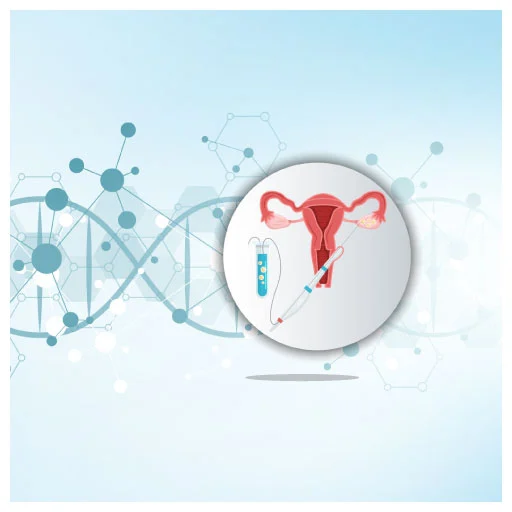
Tag: holistic approach

  • At-Home Insemination: A Holistic Approach to Conception

    Blog Post: At-Home Insemination: A Holistic Approach to Conception

    Conception and fertility are topics that have been surrounded by various myths and misconceptions for centuries. With the advancement of technology, there are now several options available for couples who are struggling to conceive. One such option is at-home insemination, which has gained popularity in recent years due to its convenience and affordability. But what exactly is at-home insemination and how does it differ from traditional methods? In this blog post, we will explore the concept of at-home insemination and how it can be a holistic approach to conception.

    What is At-Home Insemination?

    At-home insemination, also known as artificial insemination, is the process of inserting sperm into the cervix or uterus to facilitate pregnancy. This can be done using a variety of methods, including using a syringe or a softcatheter, and can be performed at home without the assistance of a medical professional. At-home insemination is often used by same-sex couples, single women, or couples who are struggling with infertility.

    How is it Different from Traditional Insemination?

    The main difference between at-home insemination and traditional insemination is the location where the procedure takes place. Traditional insemination is typically performed in a medical setting, such as a fertility clinic or a doctor’s office, and is usually done by a medical professional. At-home insemination, on the other hand, is done in the comfort of one’s own home and can be self-administered.

    Another difference is the cost. Traditional insemination can be expensive, with the average cost ranging from $300 to $1000 per cycle. At-home insemination, on the other hand, is relatively inexpensive, with the cost of supplies ranging from $20 to $50 per cycle.

    Why Choose At-Home Insemination?

    There are several reasons why couples may choose at-home insemination over traditional methods. One of the main reasons is the convenience and privacy it offers. Many couples may feel more comfortable and relaxed in their own home, rather than in a clinical setting. At-home insemination also gives couples more control over the process, as they can choose the timing and frequency of insemination.

    Another reason for choosing at-home insemination is the cost. As mentioned earlier, traditional insemination can be expensive, and for some couples, it may not be a viable option. At-home insemination is a more affordable alternative, making it accessible to a wider range of couples.
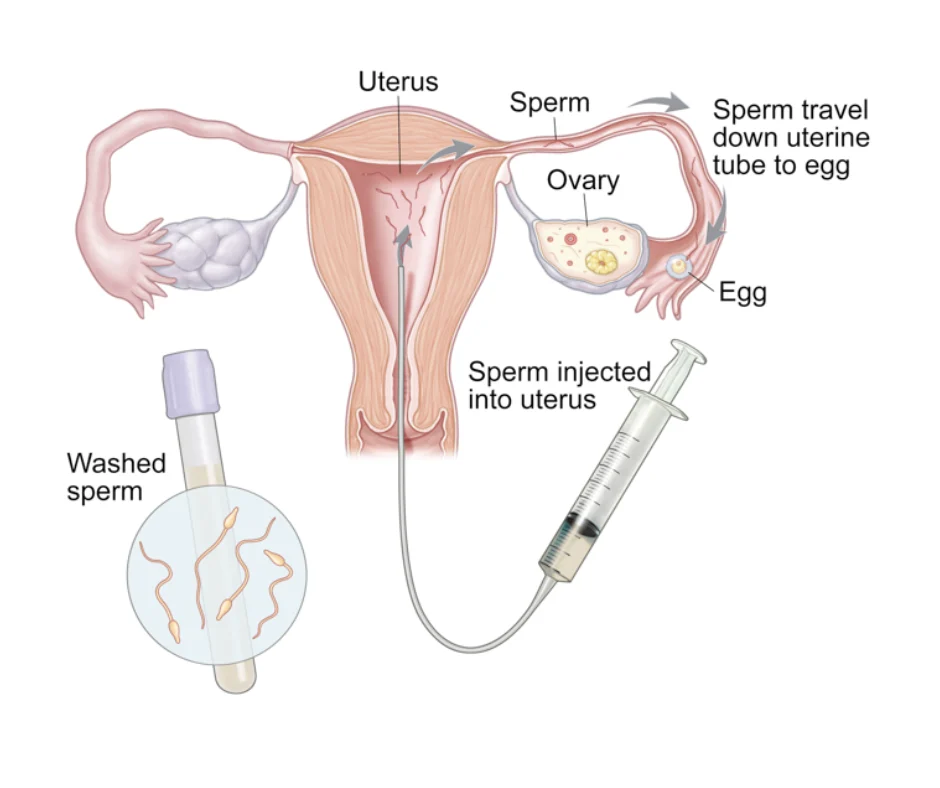
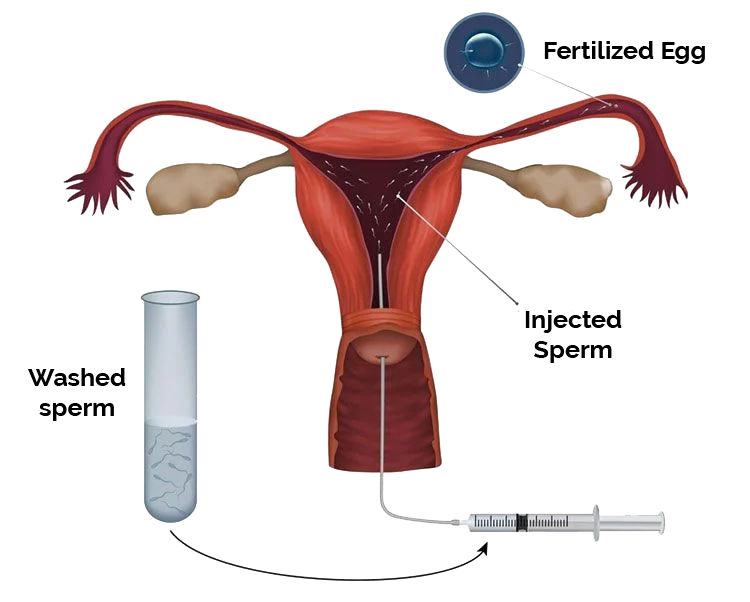
    diagram illustrating intrauterine insemination process, showing sperm injection into the uterus and egg fertilization pathway

    At-Home Insemination: A Holistic Approach to Conception

    A Holistic Approach to Conception

    At-home insemination can be seen as a more holistic approach to conception, as it focuses on the natural process of pregnancy. Unlike traditional methods, which often involve fertility drugs or invasive procedures, at-home insemination relies solely on the natural process of fertilization.

    Additionally, at-home insemination allows couples to use natural methods to track ovulation and determine the best time for insemination. This includes using ovulation predictor kits, tracking basal body temperature, and monitoring cervical mucus. By using these methods, couples can increase their chances of successful insemination.

    Holistic methods also play a role in preparing for at-home insemination. This includes maintaining a healthy diet and lifestyle, reducing stress, and using natural supplements to improve fertility. By focusing on overall health and well-being, couples can increase their chances of conception and have a more positive experience with at-home insemination.

    Things to Consider

    While at-home insemination can be a viable option for many couples, there are some important things to consider before deciding to try it. First, it is essential to understand that at-home insemination does not guarantee pregnancy, and it may take several cycles before success is achieved. It is also important to follow proper hygiene and safety measures when performing the procedure at home to reduce the risk of infection.

    Moreover, it is crucial to have a support system in place, whether it is a partner, friend, or support group. Trying to conceive can be emotionally taxing, and having someone to talk to and share the experience with can be beneficial.

    In Conclusion

    At-home insemination is a holistic approach to conception that offers couples more control, convenience, and affordability. By focusing on the natural process of pregnancy, it can be a less invasive option for couples who are struggling to conceive. However, it is essential to weigh the pros and cons and consider all factors before deciding to try at-home insemination.

    Summary:

    At-home insemination, also known as artificial insemination, is the process of inserting sperm into the cervix or uterus to facilitate pregnancy and can be done at home without the assistance of a medical professional. It differs from traditional insemination in terms of location and cost, making it a more convenient and affordable option for many couples. At-home insemination is a holistic approach to conception, as it focuses on the natural process of pregnancy and allows couples to use natural methods to track ovulation. However, it is important to consider all factors and have a support system in place before deciding to try at-home insemination.
  • Fertility Acupuncture for Unexplained Infertility: What You Need to Know

    Blog Post: Fertility Acupuncture for Unexplained Infertility: What You Need to Know

    For many couples, starting a family is a dream that can quickly turn into a frustrating and emotional journey if they struggle with infertility. While there are various treatments available, acupuncture has gained popularity as a natural and holistic approach to addressing infertility. In particular, fertility acupuncture has been found to be effective for unexplained infertility, a diagnosis that many couples face with confusion and uncertainty. In this blog post, we will explore what fertility acupuncture is, how it can help with unexplained infertility, and what you need to know before trying it.

    What is Fertility Acupuncture?

    Acupuncture is a traditional Chinese medicine practice that involves the insertion of thin needles into specific points on the body to stimulate energy flow and promote healing. Fertility acupuncture is a specialized form of acupuncture that focuses on treating the underlying imbalances in the body that may be hindering a woman’s ability to conceive. It is a gentle and non-invasive treatment that can be used alone or in conjunction with other fertility treatments such as in vitro fertilization (IVF).

    How Does Fertility Acupuncture Help with Unexplained Infertility?

    Unexplained infertility is a diagnosis given when all fertility tests come back normal, yet a couple is still unable to conceive. It can be a frustrating and confusing diagnosis, leaving many couples feeling helpless. Fertility acupuncture can help with unexplained infertility by addressing any underlying imbalances in the body that may be contributing to the issue. It focuses on restoring balance and harmony to the body, allowing for optimal reproductive function.

    According to traditional Chinese medicine, the body has pathways or meridians through which energy flows. When these pathways are blocked or disrupted, it can lead to health issues, including infertility. Fertility acupuncture works by stimulating specific points along these pathways, promoting the flow of energy and restoring balance to the body. This can help regulate hormones, improve blood flow to the reproductive organs, and reduce stress and anxiety, all of which can affect fertility.

    What to Expect from a Fertility Acupuncture Treatment

    Before beginning fertility acupuncture, it is essential to find a qualified and experienced acupuncturist who specializes in fertility. During your initial consultation, the acupuncturist will do a thorough assessment of your health and medical history to determine the root cause of your infertility. They will then develop a personalized treatment plan based on your specific needs.

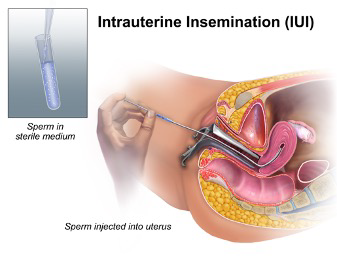
    Illustration of intrauterine insemination (IUI) procedure, showing sperm injection into the uterus.

    Fertility Acupuncture for Unexplained Infertility: What You Need to Know

    Fertility acupuncture treatments typically involve the insertion of thin needles into specific points on the body, along with the use of Chinese herbs and dietary recommendations. The number of treatments needed will vary depending on each individual’s condition, but it is recommended to have weekly treatments for at least three months to see optimal results.

    While fertility acupuncture is generally a painless and relaxing experience, some people may feel a slight sensation or tingling when the needles are inserted. After the treatment, you may feel relaxed and energized, and it is essential to rest and stay hydrated to allow for the treatment to take effect.

    Things to Consider Before Trying Fertility Acupuncture

    While fertility acupuncture has been found to be effective for unexplained infertility, it is essential to keep in mind that it may not work for everyone. It is also not a quick fix and may take several months to see results. It is crucial to have realistic expectations and to be patient with the process.

    It is also important to note that fertility acupuncture is not a replacement for medical treatment. It is always recommended to consult with a medical professional before trying any alternative therapies. Fertility acupuncture can be used alongside conventional treatments, and many fertility clinics offer acupuncture as a complementary therapy to their fertility treatments.

    Conclusion

    Unexplained infertility can be a frustrating and emotional journey for couples trying to conceive. Fertility acupuncture offers a natural and holistic approach to addressing this issue by promoting balance and harmony in the body. It can help regulate hormones, improve blood flow, and reduce stress and anxiety, all of which can contribute to unexplained infertility. While it may not work for everyone, it is a safe and non-invasive treatment that can be used alongside conventional fertility treatments. If you are considering fertility acupuncture, be sure to find a qualified and experienced acupuncturist and have realistic expectations about the process.

    Summary:

    Fertility acupuncture is a specialized form of acupuncture that focuses on treating the underlying imbalances in the body that may be hindering a woman’s ability to conceive. It can help with unexplained infertility by promoting balance and harmony in the body. This treatment involves the insertion of thin needles into specific points on the body to stimulate energy flow and promote healing. It is recommended to have weekly treatments for at least three months to see optimal results. Fertility acupuncture is not a quick fix and may not work for everyone, but it can be used alongside conventional fertility treatments. It is essential to find a qualified and experienced acupuncturist and have realistic expectations about the process.

  • The Growing Popularity of Fertility Acupuncture: Why Couples are Turning to It

    Blog Post:

    In recent years, there has been a growing interest in alternative methods for treating infertility, and fertility acupuncture has emerged as a popular option for couples struggling to conceive. This ancient practice, rooted in Traditional Chinese Medicine, has gained traction in Western societies as a natural and holistic approach to addressing fertility issues. So why are more and more couples turning to fertility acupuncture? In this blog post, we will explore the reasons behind its popularity and the potential benefits it may offer.

    The Basics of Fertility Acupuncture

    Acupuncture is a form of Traditional Chinese Medicine that involves the insertion of thin needles into specific points on the body to stimulate energy flow and promote healing. In the context of fertility, acupuncture is believed to regulate the body’s reproductive hormones, increase blood flow to the reproductive organs, and reduce stress and anxiety, all of which can contribute to infertility.

    During a fertility acupuncture session, the acupuncturist will assess the individual’s overall health and determine the appropriate points to be needled. These points may be located on the abdomen, legs, arms, and even the ears. The needles used are typically very thin and cause minimal discomfort. The treatment usually lasts about 30-45 minutes, and most people find it to be a relaxing and soothing experience.

    Why Couples are Turning to Fertility Acupuncture

    1. Natural and Non-Invasive Approach

    One of the main reasons why couples are drawn to fertility acupuncture is that it is a natural and non-invasive treatment option. Unlike assisted reproductive technologies (ART) such as IVF, which involve medication and medical procedures, acupuncture works with the body’s natural healing processes. This makes it a more appealing choice for those who want to avoid the potential side effects and risks associated with fertility drugs and procedures.

    2. Addresses Underlying Health Issues

    Fertility acupuncture takes a holistic approach to treating infertility by addressing the underlying health issues that may be contributing to the problem. In Traditional Chinese Medicine, infertility is seen as a sign of imbalance in the body, and acupuncture aims to restore that balance. By targeting specific points on the body, acupuncture can improve overall health and well-being, which can in turn increase the chances of conception.

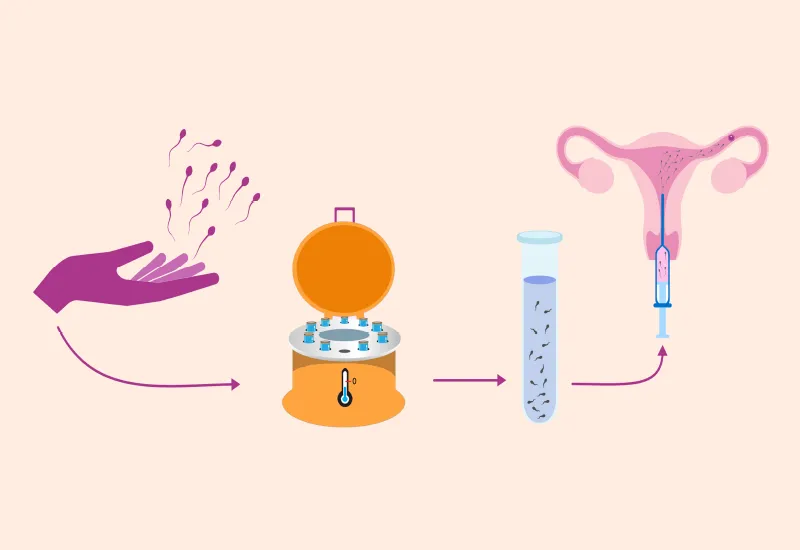
    illustration of the IUI process, showing sperm collection, preparation, and insertion into the uterus

    The Growing Popularity of Fertility Acupuncture: Why Couples are Turning to It

    3. Reduces Stress and Anxiety

    Infertility can be an emotionally taxing experience for couples, and the stress and anxiety it brings can further hinder their chances of conceiving. Fertility acupuncture has been shown to reduce stress levels and promote relaxation, which can be beneficial for those struggling to get pregnant. It also helps to regulate the body’s stress response, which can have a positive impact on reproductive hormones.

    4. Complements Western Medicine

    While fertility acupuncture can be used as a standalone treatment, it is often used in conjunction with Western medical treatments such as IVF. Studies have shown that acupuncture can improve the success rates of IVF by increasing blood flow to the uterus and improving the quality of the uterine lining. It can also help to reduce the side effects of fertility drugs and improve the chances of a successful pregnancy.

    5. Affordable Option

    Compared to the high costs of ART procedures, fertility acupuncture is a more affordable option for couples seeking fertility treatment. This makes it a viable choice for those who may not have the financial means to pursue other forms of treatment.

    The Potential Benefits of Fertility Acupuncture

    While more research is needed to fully understand the effects of fertility acupuncture, there have been promising findings that suggest it may offer some benefits for couples struggling with infertility. These include:

    – Regulating menstrual cycles and ovulation
    – Improving sperm count and quality
    – Reducing the risk of miscarriage
    – Increasing the chances of a successful pregnancy
    – Alleviating symptoms of polycystic ovary syndrome (PCOS)
    – Improving the success rates of ART procedures

    Summary:

    Fertility acupuncture has gained popularity as a natural and holistic approach to treating infertility. This ancient practice involves the insertion of thin needles into specific points on the body to stimulate energy flow and promote healing. Couples are turning to fertility acupuncture for its non-invasive nature, ability to address underlying health issues, and potential to reduce stress and anxiety. It can also complement Western medical treatments and is a more affordable option for those seeking fertility treatment. While more research is needed, fertility acupuncture has shown promising results in regulating menstrual cycles, improving sperm quality, and increasing the chances of a successful pregnancy.

  • Exploring the Success Rates of Fertility Acupuncture vs Traditional Treatments

    Blog Post Title: Exploring the Success Rates of Fertility Acupuncture vs Traditional Treatments

    Summary:

    Fertility issues can be a challenging and emotional journey for many couples. In recent years, there has been a rise in the use of alternative treatments, such as acupuncture, for fertility issues. While traditional treatments like IVF (In Vitro Fertilization) have been the go-to method for many couples, there is a growing interest in using acupuncture as a complementary or even standalone treatment. In this blog post, we will explore the success rates of fertility acupuncture compared to traditional treatments and shed light on the effectiveness of this alternative approach.

    Firstly, let’s understand how acupuncture works for fertility. Acupuncture is an ancient Chinese practice that involves the insertion of thin needles into specific points on the body to stimulate energy flow. According to Traditional Chinese Medicine, this energy, also known as Qi, flows through the body and can become blocked, causing health issues. By targeting specific points, acupuncture aims to unblock the Qi and restore balance to the body.

    When it comes to fertility, acupuncture is believed to help improve the chances of conception by regulating hormones, increasing blood flow to the reproductive organs, and reducing stress and anxiety. It is often used as a complementary treatment alongside traditional methods like IVF to boost their success rates. But can acupuncture be effective on its own?

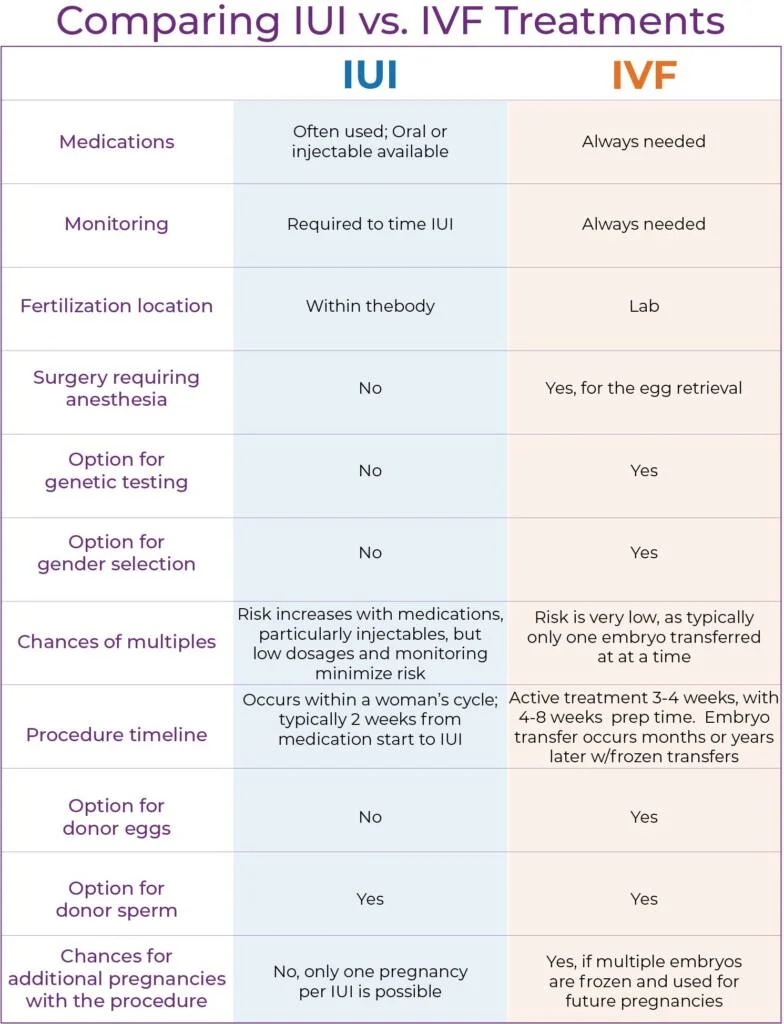
    Comparison chart of IUI and IVF treatments, detailing medications, monitoring, procedures, and success rates.

    Exploring the Success Rates of Fertility Acupuncture vs Traditional Treatments

    Several studies have been conducted to determine the success rates of acupuncture for fertility. A study published in the Journal of Traditional Chinese Medicine found that acupuncture can significantly increase the success rates of IVF. The study followed 160 women undergoing IVF, and those who received acupuncture before and after the embryo transfer had a success rate of 42.5%, compared to 26.3% for those who did not receive acupuncture. This study highlights the potential of acupuncture to improve the effectiveness of traditional treatments.

    Another study published in the British Medical Journal found that acupuncture can increase the chances of pregnancy by 65% when used in conjunction with IVF. This study also showed that acupuncture can help reduce the risk of miscarriage and ectopic pregnancy. These findings are promising and suggest that acupuncture can be a valuable addition to traditional fertility treatments.

    In addition to IVF, acupuncture has also shown success rates for other fertility issues. A study published in the Journal of Endocrinology and Metabolism found that acupuncture can improve ovulation in women with Polycystic Ovary Syndrome (PCOS). PCOS is a common cause of infertility in women, and acupuncture can help regulate hormone levels and improve ovulation, increasing the chances of pregnancy.

    One of the advantages of acupuncture is that it has minimal side effects compared to traditional treatments. IVF, for example, can have side effects such as bloating, headaches, and mood swings, which can be uncomfortable and stressful for the patient. Acupuncture, on the other hand, has little to no side effects and can even help reduce stress and anxiety, which can improve the success rates of traditional treatments. This makes it a more appealing option for those looking for a more natural and holistic approach to fertility.

    However, it is essential to note that the success rates of acupuncture may vary from person to person. Factors such as age, overall health, and the cause of infertility can play a role in the effectiveness of acupuncture. It is always recommended to consult with a licensed acupuncturist and a fertility specialist to determine the best treatment plan for individual needs.

    In conclusion, while traditional treatments like IVF have been the primary method for treating fertility issues, there is growing evidence that acupuncture can be a valuable addition to these treatments. Studies have shown that acupuncture can improve the success rates of IVF, regulate ovulation, and reduce the risk of miscarriage. It also has minimal side effects, making it a more appealing option for those looking for a holistic approach to fertility. However, it is essential to consult with a licensed acupuncturist and a fertility specialist to determine the best treatment plan for individual needs.

  • Fertility and Nutrition: The Role of Counseling and Support in a Holistic Approach

    Fertility and Nutrition: The Role of Counseling and Support in a Holistic Approach

    Fertility is a complex and emotional journey for many individuals and couples. While there are various medical treatments and interventions available, nutrition and lifestyle factors also play a crucial role in fertility. In recent years, there has been a growing interest in the connection between nutrition, fertility, and overall reproductive health. In this blog post, we will explore the importance of a holistic approach to fertility and the role of counseling and support in achieving optimal fertility through nutrition.

    The Link between Nutrition and Fertility

    When trying to conceive, it is crucial to consider the impact of nutrition on fertility. Studies have shown that a well-balanced and nutritious diet can improve fertility outcomes. On the other hand, a poor diet can negatively affect reproductive health and increase the risk of infertility. This is because our bodies require specific nutrients to maintain hormonal balance, regulate ovulation, and support a healthy pregnancy.

    A diet rich in whole foods, including fruits, vegetables, whole grains, lean proteins, and healthy fats, can provide essential vitamins, minerals, and antioxidants that support reproductive health. These nutrients are crucial for proper hormone production and function, as well as egg and sperm quality. On the other hand, a diet high in processed foods, unhealthy fats, and sugar can lead to inflammation, oxidative stress, and hormonal imbalances, all of which can impair fertility.

    Furthermore, maintaining a healthy weight is crucial for fertility. Both being underweight and overweight can have a significant impact on reproductive health. Being underweight can lead to irregular or absent periods, while being overweight can cause hormonal imbalances and decrease fertility. A well-balanced diet and regular exercise can help individuals maintain a healthy weight and support fertility.

    The Role of Counseling and Support in Fertility and Nutrition

    The journey to fertility can be emotionally and mentally challenging. It is not uncommon for individuals and couples struggling to conceive to experience feelings of stress, anxiety, and even depression. These emotions can have a direct impact on fertility by affecting hormone balance and ovulation. Therefore, it is essential to address these issues and seek support throughout the fertility journey.

    Counseling can play a vital role in supporting individuals and couples through fertility challenges. It offers a safe and non-judgmental space to express emotions, process thoughts, and develop coping mechanisms. Counseling can also help individuals and couples navigate the ups and downs of fertility treatments, make informed decisions, and improve communication within relationships.

    Comparison of IUI and IVF, illustrating procedures and definitions for each fertility treatment.

    Fertility and Nutrition: The Role of Counseling and Support in a Holistic Approach

    Moreover, counseling can provide valuable support in making dietary and lifestyle changes to improve fertility outcomes. A qualified nutritionist or dietitian can work with individuals to develop personalized nutrition plans that address specific fertility concerns. They can also provide education on the importance of certain nutrients for fertility and help individuals make sustainable and healthy food choices. Additionally, they can offer support and accountability throughout the process, making it easier for individuals to stick to their nutrition goals.

    Support groups are also a valuable resource for individuals and couples struggling with fertility. They offer a sense of community and understanding, as well as a platform to share experiences and learn from others. In these groups, individuals can find support, guidance, and encouragement from others who are going through similar struggles. Support groups can also provide access to resources and information on nutrition and lifestyle changes to support fertility.

    The Importance of a Holistic Approach to Fertility

    A holistic approach to fertility considers the physical, emotional, and mental aspects of reproductive health. It recognizes that all these factors are interconnected and that addressing one without the others may not result in optimal fertility outcomes. Therefore, a holistic approach to fertility focuses on creating balance in all areas of an individual’s life.

    Nutrition plays a crucial role in a holistic approach to fertility. As mentioned earlier, a well-balanced and nutritious diet can support reproductive health and improve fertility outcomes. However, other lifestyle factors, such as sleep, stress management, and exercise, also play a significant role in overall health and fertility. A holistic approach addresses these factors to create a supportive environment for fertility.

    Additionally, a holistic approach to fertility also considers alternative and complementary therapies, such as acupuncture, yoga, and meditation. These practices can help individuals manage stress, promote relaxation, and improve overall well-being. They can also support fertility by balancing hormones, improving blood flow to the reproductive organs, and reducing inflammation.

    In conclusion, nutrition and lifestyle factors play a crucial role in fertility, and a holistic approach is essential for optimal reproductive health. Counseling and support also play a vital role in addressing the emotional and mental aspects of fertility and supporting individuals in making dietary and lifestyle changes. By adopting a holistic approach, individuals can improve their chances of conceiving and create a healthy and supportive environment for a successful pregnancy.

    Summary:

    Fertility is a complex journey that involves physical, emotional, and mental aspects. Nutrition and lifestyle factors play a crucial role in fertility, and a well-balanced and nutritious diet is essential for optimal reproductive health. Counseling and support are also vital in addressing the emotional and mental aspects of fertility and supporting individuals in making dietary and lifestyle changes. A holistic approach to fertility considers all these factors and promotes balance in all areas of an individual’s life, ultimately improving fertility outcomes.

  • Donor Insemination vs Partner Insemination: A Holistic Approach to Parenthood

    Donor Insemination vs Partner Insemination: A Holistic Approach to Parenthood

    Parenthood is a deeply personal and life-changing experience. For many individuals and couples, it is a goal and a dream to become a parent. However, for some, the traditional methods of conception may not be an option due to fertility issues, medical conditions, or personal preferences. In these cases, alternative methods such as donor insemination and partner insemination can provide a path to parenthood. Both methods involve the use of donor sperm, but they differ in the role of the partner in the conception process. In this blog post, we will explore the differences between donor insemination and partner insemination, and how taking a holistic approach to parenthood can help individuals and couples make the best decision for their unique situation.

    What is Donor Insemination?

    Donor insemination, also known as artificial insemination using donor sperm (AID), is a fertility treatment where sperm from a donor is used to fertilize a woman’s egg. This method is typically used by single women or same-sex female couples who want to have a child without a male partner. The donor sperm can be obtained from a sperm bank or through a known donor, such as a friend or family member. The insemination process can be done at home or in a medical setting, depending on the individual’s preference and medical advice.

    What is Partner Insemination?

    Partner insemination, also known as artificial insemination using partner sperm (AIH), is a fertility treatment where sperm from the woman’s male partner is used to fertilize her egg. This method is commonly used by opposite-sex couples who are struggling with infertility or have a male partner with a low sperm count. Partner insemination can also be done at home or in a medical setting, depending on the individual’s preference and medical advice.

    The Holistic Approach to Parenthood

    When it comes to making decisions about parenthood, it is essential to take a holistic approach. This means considering all aspects of the process, including physical, emotional, and financial factors. It is vital to understand the differences between donor insemination and partner insemination to make an informed decision that aligns with your values and goals.

    Physical Factors

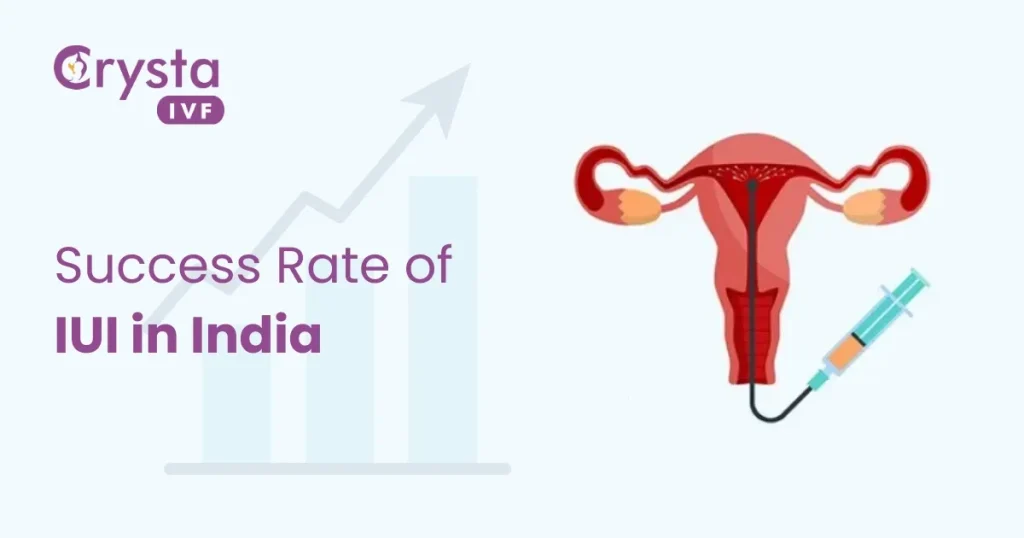
    success rate of IUI in India with a graphic of a uterus and syringe alongside a rising graph

    Donor Insemination vs Partner Insemination: A Holistic Approach to Parenthood

    Both donor insemination and partner insemination involve the use of donor sperm, and the actual insemination process is similar. However, there are some physical differences that individuals and couples should be aware of. With donor insemination, there is no need for a male partner to be involved in the process, which can be advantageous for single women or same-sex couples. However, it also means that there is no genetic connection between the child and the non-biological parent. On the other hand, partner insemination allows for a genetic connection between the child and both parents, which can be important for some couples. However, it also means that the male partner must go through the sperm retrieval process, which can be invasive and uncomfortable.

    Emotional Factors

    Becoming a parent is an emotional journey, and the method of conception can have a significant impact on an individual or couple’s emotional well-being. For some, the idea of using donor sperm can be challenging, as it may feel like giving up control over the genetic makeup of their child. It can also be emotionally challenging for the partner who is not biologically connected to the child. On the other hand, partner insemination allows for a genetic connection and can provide a sense of ownership and control over the conception process. However, it can also put added pressure on the male partner to perform and contribute to the pregnancy.

    Financial Factors

    The cost of fertility treatments can be a significant factor for individuals and couples considering parenthood. Donor insemination is generally less expensive than partner insemination, as there is no need for fertility drugs or procedures to retrieve sperm from the male partner. However, using a known donor can add additional costs, such as legal fees and medical screenings. Partner insemination may involve more medical procedures and costs, but it can also be covered by insurance in some cases.

    Making the Decision

    The decision between donor insemination and partner insemination is a personal one, and there is no one-size-fits-all approach. It is essential to consider all factors, including the physical, emotional, and financial aspects, and choose the method that feels right for you and your partner. It is also crucial to seek the advice of a trusted medical professional who can provide guidance and support throughout the process.

    In conclusion, donor insemination and partner insemination are both viable options for individuals and couples looking to become parents. While they share similarities in the use of donor sperm, they differ in the role of the partner in the conception process. By taking a holistic approach to parenthood and considering all factors, individuals and couples can make an informed decision that aligns with their values and goals. Whether you choose donor insemination or partner insemination, the journey to parenthood can be a beautiful and fulfilling experience.

    Summary:

    Parenthood is a deeply personal and life-changing experience, and for some, traditional methods of conception may not be an option. In these cases, alternative methods such as donor insemination and partner insemination can provide a path to parenthood. Donor insemination involves using donor sperm to fertilize a woman’s egg, while partner insemination uses the male partner’s sperm. Taking a holistic approach to parenthood, considering physical, emotional, and financial factors, can help individuals and couples make the best decision for their unique situation. It is essential to seek the advice of a trusted medical professional and choose the method that feels right for you and your partner.

  • Fertility Supplements and Medical Treatments: A Doctor’s Perspective

    Blog Post: Fertility Supplements and Medical Treatments: A Doctor’s Perspective

    Fertility is a complex and deeply personal issue for many individuals and couples. The desire to start a family and have children is a natural and instinctive one, and when faced with challenges to achieving this, it can be overwhelming and stressful. In recent years, there has been an increase in the use of fertility supplements and medical treatments to aid in conception. However, as a doctor, I have seen firsthand the confusion and misinformation surrounding these methods. In this blog post, we will explore the topic of fertility supplements and medical treatments from a doctor’s perspective.

    Fertility Supplements:

    Fertility supplements are a popular choice for couples struggling with infertility. These supplements often claim to boost fertility by providing essential vitamins and minerals, balancing hormones, and promoting overall reproductive health. While some supplements may have anecdotal evidence to support their effectiveness, there is limited scientific research to back these claims. In fact, a recent study found that many fertility supplements contained undisclosed ingredients and some even contained harmful substances. As a doctor, it is important to caution patients against relying solely on supplements for fertility without consulting a medical professional first.

    Medical Treatments:

    Medical treatments for fertility, on the other hand, have been extensively studied and proven to be effective in aiding conception. These treatments include fertility drugs, intrauterine insemination (IUI), and in vitro fertilization (IVF). Fertility drugs, such as Clomid, are often the first line of treatment for women with ovulation disorders. They work by stimulating the ovaries to produce and release eggs. IUI, also known as artificial insemination, involves placing washed sperm directly into the uterus during ovulation. IVF, the most well-known fertility treatment, involves fertilizing eggs with sperm in a laboratory and then transferring the resulting embryo(s) into the uterus. These medical treatments have helped countless couples achieve their dream of starting a family.

    The Role of a Doctor:

    Comparison chart of IUI and IVF treatments, detailing medications, monitoring, procedures, and success rates.

    Fertility Supplements and Medical Treatments: A Doctor's Perspective

    As a doctor, my role is to guide patients through the process of fertility treatment and provide them with evidence-based information and support. I understand the emotional toll that infertility can take on individuals and couples and strive to create a safe and comfortable environment for my patients. I also work closely with fertility specialists to ensure that my patients receive the most effective and appropriate treatment for their specific needs.

    Complementary Therapies:

    In addition to medical treatments, there are also complementary therapies that can aid in fertility. These include acupuncture, yoga, and stress management techniques. While there is limited scientific evidence to support the effectiveness of these therapies, they can be beneficial in reducing stress and promoting overall well-being. As a doctor, I encourage my patients to explore these options as a way to complement their medical treatment.

    The Importance of a Holistic Approach:

    When it comes to fertility, it is essential to take a holistic approach. This means addressing not only the physical aspects of fertility but also the emotional and mental aspects. Fertility can be a challenging journey, and it is crucial to have a support system in place. As a doctor, I work with my patients to address any underlying issues that may be affecting their fertility, such as stress, diet, and lifestyle choices. I also encourage open communication and provide resources for support groups and counseling services.

    In conclusion, fertility supplements and medical treatments can both play a role in helping couples conceive. While supplements may provide some benefit, it is important to consult with a doctor before starting any new supplement regimen. Medical treatments, on the other hand, have been extensively studied and proven to be effective in aiding conception. Working with a doctor who specializes in fertility can provide valuable support and guidance throughout the process. Additionally, exploring complementary therapies and taking a holistic approach can aid in overall well-being and increase the chances of a successful pregnancy.

    Summary:

    Fertility is a complex issue, and many individuals and couples turn to fertility supplements and medical treatments to aid in conception. While supplements may have some anecdotal evidence to support their use, there is limited scientific research. On the other hand, medical treatments such as fertility drugs, IUI, and IVF have been extensively studied and proven to be effective. As a doctor, my role is to guide patients through the process and provide them with evidence-based information and support. Additionally, complementary therapies and taking a holistic approach can aid in overall well-being and increase the chances of a successful pregnancy.

  • Fertility Supplements and Medical Treatments: A Couple’s Perspective

    Blog Post: Fertility Supplements and Medical Treatments: A Couple’s Perspective

    Introduction:
    For many couples struggling with fertility issues, the journey to parenthood can be a long and emotional one. In addition to medical treatments, many couples turn to fertility supplements in hopes of improving their chances of conception. However, there is often confusion and misinformation surrounding these supplements and their effectiveness. In this blog post, we will explore the topic of fertility supplements and medical treatments from a couple’s perspective, providing insight into their experiences and the science behind these options.

    Fertility Supplements:
    Fertility supplements are dietary supplements that claim to improve fertility and increase the chances of conception. These supplements often contain a combination of vitamins, minerals, herbs, and other natural ingredients. Some popular supplements include CoQ10, vitamin D, and omega-3 fatty acids. Many couples turn to these supplements as a natural and non-invasive option for improving fertility.

    A Couple’s Perspective:
    For many couples, the decision to try fertility supplements is a personal one. Samantha and John, a couple who struggled with infertility for several years, decided to give supplements a try after multiple failed attempts at fertility treatments. “We were hesitant at first, but we wanted to exhaust all options before moving on to more invasive treatments,” says Samantha. “We did a lot of research and consulted with our doctor before starting any supplements.”

    John adds, “Taking supplements was a daily reminder that we were actively trying to conceive. It gave us a sense of control and hope during a time when we felt helpless.” After six months of taking supplements, Samantha and John were thrilled to find out they were expecting their first child.

    The Science Behind It:
    While the use of fertility supplements is popular among couples trying to conceive, there is limited scientific evidence to support their effectiveness. A study published in the American Society for Reproductive Medicine found that only a few supplements showed potential benefits for improving fertility, but more research is needed to confirm these findings. Additionally, supplements are not regulated by the Food and Drug Administration (FDA), which means there is no guarantee of their safety or effectiveness.

    Comparison of IUI and IVF treatments with diagrams of reproductive anatomy.

    Fertility Supplements and Medical Treatments: A Couple's Perspective

    Medical Treatments:
    For couples struggling with fertility issues, medical treatments such as in vitro fertilization (IVF) and intrauterine insemination (IUI) are often recommended. These treatments involve the use of fertility drugs and procedures to increase the chances of conception. While these treatments can be expensive and have potential side effects, they have a higher success rate than fertility supplements.

    A Couple’s Perspective:
    After trying fertility supplements without success, Samantha and John decided to pursue medical treatments. “It was a difficult decision, as we were hesitant to go through the physical and emotional toll of these treatments,” says Samantha. “But we knew it was our best chance at having a baby.” After two rounds of IVF, Samantha and John were overjoyed to find out they were pregnant with twins.

    The Science Behind It:
    Medical treatments for fertility have a higher success rate because they directly address the underlying causes of infertility. Fertility drugs help stimulate ovulation and increase the number of eggs produced, while procedures such as IVF bypass any potential issues with conception. However, these treatments are not without risks, including multiple pregnancies, ovarian hyperstimulation syndrome, and emotional stress.

    The Importance of a Comprehensive Approach:
    While fertility supplements and medical treatments can be beneficial in improving fertility, it is important to take a comprehensive approach to address the various factors that may contribute to infertility. This includes maintaining a healthy lifestyle, managing stress, and seeking support from a fertility specialist.

    A Couple’s Perspective:
    For Samantha and John, a combination of fertility supplements and medical treatments, along with a healthy lifestyle, was the key to their success. “We took a holistic approach to our fertility journey,” says Samantha. “We made changes to our diet and exercise, sought support from a therapist, and stayed positive throughout the process.”

    In conclusion, fertility supplements and medical treatments are options for couples struggling with infertility. While supplements may provide some benefits, they are not a guarantee for conception. Medical treatments, while more effective, can be costly and have potential risks. A comprehensive approach that includes both supplements and medical treatments, along with a healthy lifestyle and support, may offer the best chance for success.

    Summary:
    Fertility supplements and medical treatments are popular options for couples trying to conceive. While supplements offer a natural and non-invasive approach, there is limited scientific evidence to support their effectiveness. Medical treatments, while more effective, can be expensive and have potential risks. A comprehensive approach that includes both options, along with a healthy lifestyle and support, may offer the best chance for success.

  • A Holistic Approach: Combining Fertility Supplements and Medical Treatments

    Blog Post:

    For couples struggling with fertility issues, the journey to conceive can often feel overwhelming and exhausting. Many turn to medical treatments such as in-vitro fertilization (IVF) or other assisted reproductive technologies (ART) to help them achieve pregnancy. However, these treatments can be expensive and come with their own set of challenges and risks. That’s why more and more couples are turning to a holistic approach, combining fertility supplements with medical treatments, to improve their chances of conception.

    A holistic approach to fertility takes into account the physical, emotional, and mental factors that may be impacting a couple’s ability to conceive. It recognizes that fertility is not just a physical issue, but also an emotional and spiritual one. By addressing all aspects of fertility, couples can increase their chances of success and improve their overall well-being.

    Supplements have long been used to support fertility and reproductive health. They can provide essential nutrients, vitamins, and minerals that may be lacking in the diet. They can also help to balance hormones, regulate menstrual cycles, and improve egg quality and sperm count. By incorporating supplements into a holistic fertility plan, couples can optimize their reproductive health and increase their chances of conceiving.

    One of the most well-known supplements for fertility is folic acid. This B vitamin is essential for healthy fetal development and has been shown to reduce the risk of birth defects. Other important supplements for fertility include CoQ10, which can improve egg quality, and omega-3 fatty acids, which can improve sperm motility and quality. Vitamin D, iron, and zinc are also crucial for reproductive health and should be included in any fertility supplement regimen.

    diagram of the female reproductive system with an IUI syringe and test tube for artificial insemination

    A Holistic Approach: Combining Fertility Supplements and Medical Treatments

    But supplements alone may not be enough for some couples struggling with fertility issues. That’s where medical treatments like IVF and other ART come into play. These treatments can help overcome specific infertility challenges, such as blocked tubes, low sperm count, or ovulation disorders. However, they can also be expensive and emotionally taxing, and may not always result in a successful pregnancy.

    By combining fertility supplements with medical treatments, couples can maximize their chances of conceiving. Supplements can help to prepare the body for medical treatments, making it more receptive to the procedures. They can also help to reduce stress and anxiety, which can have a negative impact on fertility. Additionally, supplements can help to mitigate any potential side effects of medical treatments, such as hormone fluctuations.

    It’s important to note that not all fertility supplements are created equal. It’s essential to consult with a doctor or fertility specialist before starting any supplement regimen. This is especially important for couples undergoing medical treatments, as some supplements may interfere with the effectiveness of the procedures. A doctor can also help to determine which supplements are most beneficial for an individual’s specific fertility needs.

    In addition to supplements and medical treatments, a holistic approach to fertility also includes lifestyle changes. This can include adopting a healthy diet, regular exercise, stress management techniques, and avoiding harmful substances like tobacco and excessive alcohol. These lifestyle changes can help to improve overall reproductive health and increase the chances of conception.

    It’s important to remember that there is no one-size-fits-all approach to fertility. Every couple’s journey is unique, and what works for one may not work for another. That’s why it’s crucial to have a personalized approach to fertility, taking into account all aspects of a couple’s physical, emotional, and mental well-being.

    In summary, by combining fertility supplements with medical treatments and lifestyle changes, couples can take a holistic approach to fertility and increase their chances of conceiving. Supplements can provide essential nutrients and support reproductive health, while medical treatments can help overcome specific infertility challenges. Lifestyle changes can also play a significant role in improving overall fertility and well-being. With a holistic approach, couples can optimize their chances of conceiving and embark on their journey to parenthood with confidence.

  • Redefining Fertility: A Look at Supplements and Medical Treatments

    Redefining Fertility: A Look at Supplements and Medical Treatments

    Fertility is a topic that affects millions of people around the world, yet it is often shrouded in mystery and misinformation. Many individuals and couples struggle with infertility and the emotional toll it can take. However, in recent years, there has been a growing interest in the use of supplements and medical treatments to improve fertility and increase the chances of conception. In this blog post, we will take a closer look at the various supplements and medical treatments available, their effectiveness, and how they are redefining fertility.

    Supplements for Fertility

    Supplements have become increasingly popular among those trying to conceive. These are often marketed as natural and safe alternatives to traditional medical treatments. However, it is important to note that not all supplements are created equal, and some may even be harmful.

    One of the most common supplements used for fertility is folic acid. This B vitamin is essential for healthy fetal development and is recommended for women trying to conceive. Studies have shown that taking folic acid can reduce the risk of neural tube defects in babies. Other popular supplements for fertility include Coenzyme Q10, DHEA, and omega-3 fatty acids. While these supplements have shown some promising results in improving fertility, it is crucial to consult with a healthcare professional before starting any new supplement regimen.

    Another supplement that has gained popularity in recent years is Maca root. Derived from a plant native to Peru, Maca is believed to regulate hormones and increase libido. While there is limited research on its effectiveness in improving fertility, many people have reported positive results. However, it is essential to note that Maca may interact with certain medications and should be used with caution.

    Medical Treatments for Fertility

    While supplements may help with certain fertility issues, medical treatments are often necessary for more severe cases of infertility. In-vitro fertilization (IVF) is one of the most well-known and widely used fertility treatments. This procedure involves fertilizing an egg with sperm in a laboratory and then transferring the embryo into the uterus. While IVF can be costly and emotionally taxing, it has a high success rate for couples struggling with infertility.

    Illustration of IUI procedure with uterus and syringe against a DNA background.

    Redefining Fertility: A Look at Supplements and Medical Treatments

    Another medical treatment for fertility is intrauterine insemination (IUI). This involves placing sperm directly into the uterus during ovulation, increasing the chances of fertilization. IUI is often used for couples with unexplained infertility or for those with mild issues such as low sperm count or cervical abnormalities.

    For women with ovulation disorders, fertility drugs such as Clomid or Letrozole may be prescribed. These medications work by stimulating the ovaries to produce more eggs, increasing the chances of conception. However, these drugs do come with some potential side effects, and it is essential to follow a doctor’s instructions carefully.

    In addition to these treatments, there are also alternative therapies such as acupuncture and herbal remedies that some individuals have found helpful in improving fertility. While there is limited scientific evidence to support their effectiveness, they may be worth exploring for those seeking alternative options.

    Redefining Fertility with a Holistic Approach

    While supplements and medical treatments can be beneficial in improving fertility, it is essential to take a holistic approach to fertility. This includes maintaining a healthy diet and exercising regularly, managing stress levels, and addressing any underlying health issues.

    A healthy and balanced diet is crucial for both men and women trying to conceive. This includes consuming a variety of fruits, vegetables, whole grains, lean proteins, and healthy fats. Avoiding processed foods, excessive alcohol consumption, and smoking can also help improve fertility.

    Stress can have a significant impact on fertility, and finding ways to manage it can be beneficial. This may include practicing mindfulness, yoga, or other relaxation techniques. Seeking support from a therapist or joining a support group can also be helpful for managing the emotional toll of infertility.

    It is also essential to address any underlying health issues that may be affecting fertility. Conditions such as polycystic ovary syndrome (PCOS) and endometriosis can significantly impact fertility and should be treated under the guidance of a healthcare professional.

    In summary, fertility is a complex and multifaceted issue, and there is no one-size-fits-all solution. While supplements and medical treatments can be helpful, it is crucial to take a holistic approach to fertility and address any underlying health issues. By redefining fertility and taking a proactive and holistic approach, individuals and couples can increase their chances of conceiving and starting their journey to parenthood.