Redefining Fertility: A Look at Supplements and Medical Treatments
Fertility is a topic that affects millions of people around the world, yet it is often shrouded in mystery and misinformation. Many individuals and couples struggle with infertility and the emotional toll it can take. However, in recent years, there has been a growing interest in the use of supplements and medical treatments to improve fertility and increase the chances of conception. In this blog post, we will take a closer look at the various supplements and medical treatments available, their effectiveness, and how they are redefining fertility.
Supplements for Fertility
Supplements have become increasingly popular among those trying to conceive. These are often marketed as natural and safe alternatives to traditional medical treatments. However, it is important to note that not all supplements are created equal, and some may even be harmful.
One of the most common supplements used for fertility is folic acid. This B vitamin is essential for healthy fetal development and is recommended for women trying to conceive. Studies have shown that taking folic acid can reduce the risk of neural tube defects in babies. Other popular supplements for fertility include Coenzyme Q10, DHEA, and omega-3 fatty acids. While these supplements have shown some promising results in improving fertility, it is crucial to consult with a healthcare professional before starting any new supplement regimen.
Another supplement that has gained popularity in recent years is Maca root. Derived from a plant native to Peru, Maca is believed to regulate hormones and increase libido. While there is limited research on its effectiveness in improving fertility, many people have reported positive results. However, it is essential to note that Maca may interact with certain medications and should be used with caution.
Medical Treatments for Fertility
While supplements may help with certain fertility issues, medical treatments are often necessary for more severe cases of infertility. In-vitro fertilization (IVF) is one of the most well-known and widely used fertility treatments. This procedure involves fertilizing an egg with sperm in a laboratory and then transferring the embryo into the uterus. While IVF can be costly and emotionally taxing, it has a high success rate for couples struggling with infertility.
Redefining Fertility: A Look at Supplements and Medical Treatments
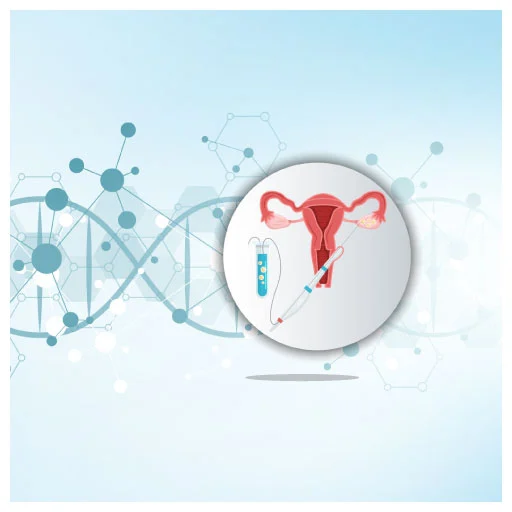
Another medical treatment for fertility is intrauterine insemination (IUI). This involves placing sperm directly into the uterus during ovulation, increasing the chances of fertilization. IUI is often used for couples with unexplained infertility or for those with mild issues such as low sperm count or cervical abnormalities.
For women with ovulation disorders, fertility drugs such as Clomid or Letrozole may be prescribed. These medications work by stimulating the ovaries to produce more eggs, increasing the chances of conception. However, these drugs do come with some potential side effects, and it is essential to follow a doctor’s instructions carefully.
In addition to these treatments, there are also alternative therapies such as acupuncture and herbal remedies that some individuals have found helpful in improving fertility. While there is limited scientific evidence to support their effectiveness, they may be worth exploring for those seeking alternative options.
Redefining Fertility with a Holistic Approach
While supplements and medical treatments can be beneficial in improving fertility, it is essential to take a holistic approach to fertility. This includes maintaining a healthy diet and exercising regularly, managing stress levels, and addressing any underlying health issues.
A healthy and balanced diet is crucial for both men and women trying to conceive. This includes consuming a variety of fruits, vegetables, whole grains, lean proteins, and healthy fats. Avoiding processed foods, excessive alcohol consumption, and smoking can also help improve fertility.
Stress can have a significant impact on fertility, and finding ways to manage it can be beneficial. This may include practicing mindfulness, yoga, or other relaxation techniques. Seeking support from a therapist or joining a support group can also be helpful for managing the emotional toll of infertility.
It is also essential to address any underlying health issues that may be affecting fertility. Conditions such as polycystic ovary syndrome (PCOS) and endometriosis can significantly impact fertility and should be treated under the guidance of a healthcare professional.
In summary, fertility is a complex and multifaceted issue, and there is no one-size-fits-all solution. While supplements and medical treatments can be helpful, it is crucial to take a holistic approach to fertility and address any underlying health issues. By redefining fertility and taking a proactive and holistic approach, individuals and couples can increase their chances of conceiving and starting their journey to parenthood.