Preparing for Parenthood: Intrauterine Insemination vs Low-Tech IVF
Parenthood is a dream for many individuals or couples, but it may not always come easily. For those struggling with infertility, there are various fertility treatment options available. Two common methods are intrauterine insemination (IUI) and low-tech in vitro fertilization (IVF). Both of these procedures are designed to help individuals or couples conceive a child, but they differ in their processes and success rates. In this blog post, we will discuss the differences between IUI and low-tech IVF, as well as the preparations and considerations for each.
What is Intrauterine Insemination?
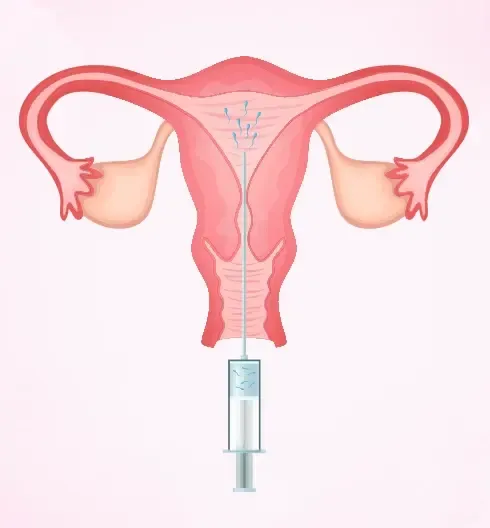
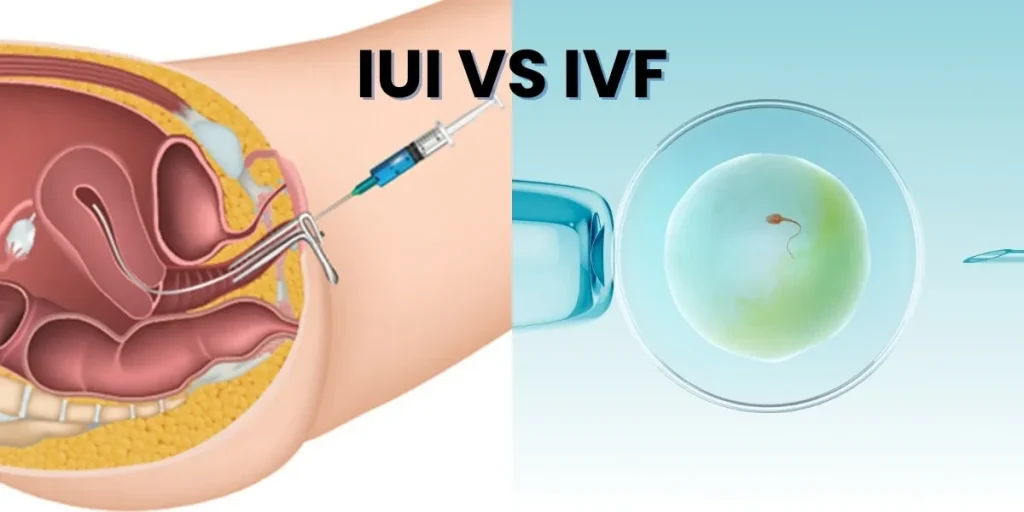
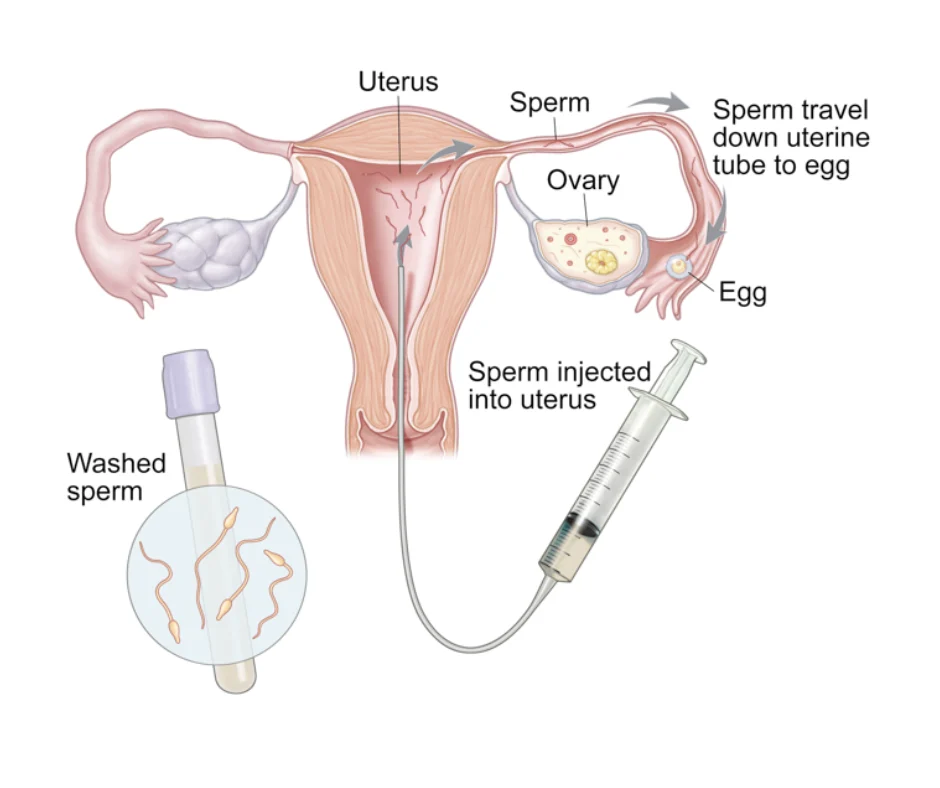
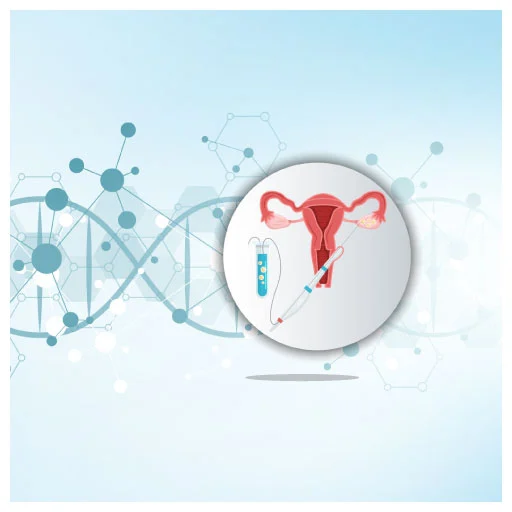
Intrauterine insemination, also known as artificial insemination, is a fertility treatment that involves placing sperm directly into a woman’s uterus during ovulation. The goal of IUI is to increase the chances of fertilization by bringing the sperm closer to the egg, thus reducing the distance and obstacles the sperm must travel. This procedure is typically recommended for couples with unexplained infertility, mild male factor infertility, or cervical issues.
Preparing for IUI
Before undergoing IUI, there are a few preparations that need to be made. Firstly, the woman will be prescribed fertility drugs to stimulate the ovaries and increase the number of eggs produced. These drugs may have some side effects such as bloating, mood swings, or headaches. It is essential to discuss any concerns with your doctor and follow the medication instructions carefully.
The male partner will also need to provide a semen sample on the day of the procedure. The sample will then be washed and prepared in a laboratory to separate the healthy and active sperm from the semen. This process helps to increase the chances of fertilization.
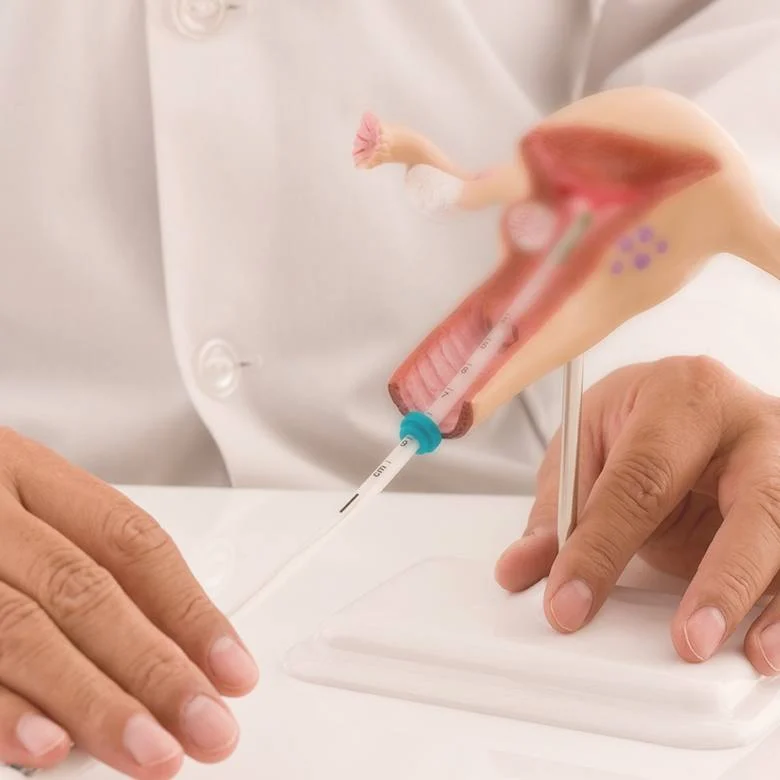
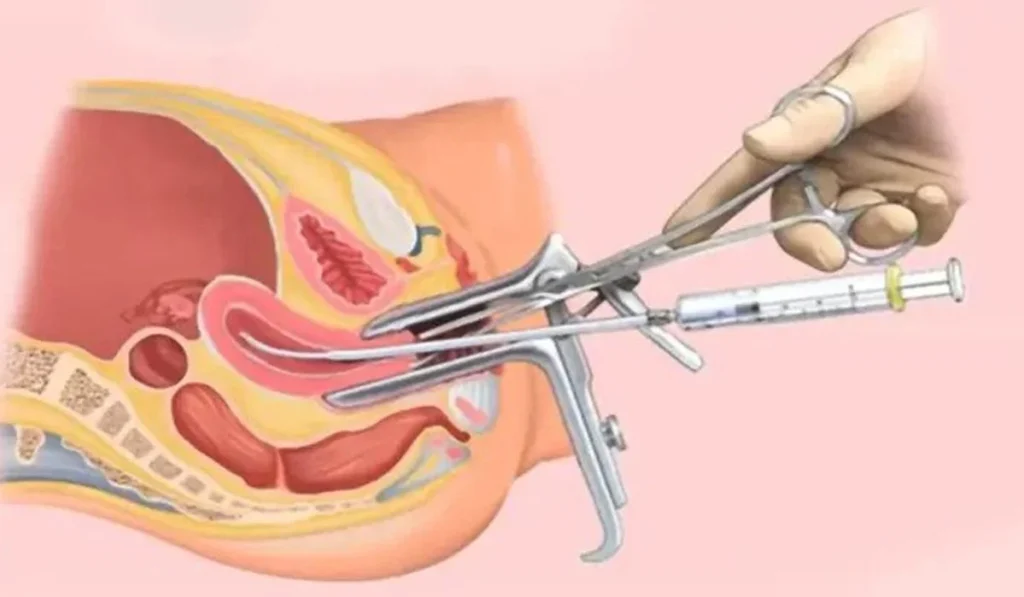
During the IUI procedure, a thin catheter will be inserted into the woman’s cervix, and the prepared sperm will be injected into the uterus. The procedure is quick and usually painless, with minimal discomfort or side effects. After the procedure, the woman will be asked to rest for a short while before resuming her daily activities.
Success Rates of IUI
The success rates of IUI can vary depending on several factors, such as age, underlying fertility issues, and the number of cycles attempted. On average, the success rate for IUI is around 10-20% per cycle. This percentage may increase with multiple cycles or if combined with fertility drugs.

Preparing for Parenthood: Intrauterine Insemination vs Low-Tech IVF
What is Low-Tech IVF?
Low-tech IVF, also known as natural cycle IVF, is a type of IVF that does not use fertility drugs to stimulate the ovaries. Instead, it relies on the natural ovulation process of the woman. This method is typically recommended for women who do not respond well to fertility drugs or those who want to avoid the potential side effects.
Preparing for Low-Tech IVF
The preparation for low-tech IVF is similar to that of traditional IVF, with a few differences. As there are no fertility drugs involved, the woman’s natural ovulation cycle will be monitored closely through blood tests and ultrasounds. This monitoring will help determine the best time for the egg retrieval procedure.
The egg retrieval procedure for low-tech IVF is the same as traditional IVF. A needle is inserted into the ovaries to collect the mature eggs. The eggs are then fertilized with the sperm in a laboratory, and the resulting embryos are transferred into the woman’s uterus a few days later.
Success Rates of Low-Tech IVF
The success rates of low-tech IVF are similar to those of traditional IVF. On average, the success rate is around 30-40% per cycle, but this can vary depending on factors such as age and fertility issues. Low-tech IVF may be a better option for some couples as it is less invasive and has a lower risk of multiple pregnancies.
Which Option is Best?
Deciding between IUI and low-tech IVF can be challenging, and it is best to discuss your options with a fertility specialist. In general, IUI is recommended for couples with mild fertility issues, while low-tech IVF may be a better option for those with more severe infertility. It is also essential to consider the cost and potential side effects of each procedure.
In conclusion, both IUI and low-tech IVF are viable options for couples struggling with infertility. Each method has its own unique process, preparation, and success rates. It is crucial to consult with a fertility specialist to determine the best option for you and your partner. With the advancements in reproductive technology, the dream of parenthood is becoming a reality for more and more couples every day.