Blog Post: The Role of Ovulation: Intrauterine Insemination vs Intracervical Insemination
Ovulation is a crucial part of the female reproductive cycle, as it is the process by which an egg is released from the ovary and can potentially be fertilized by sperm. For couples struggling with fertility, ovulation plays an even more important role in their journey to conceive. Intrauterine insemination (IUI) and intracervical insemination (ICI) are two commonly used methods of assisted reproductive techniques that utilize ovulation to help increase the chances of pregnancy. In this blog post, we will explore the role of ovulation in these two procedures and compare the effectiveness of IUI and ICI in achieving pregnancy.
Intrauterine insemination, also known as artificial insemination, involves placing washed and concentrated sperm directly into the uterus, bypassing the cervix. This is usually done around the time of ovulation, as it increases the chances of the sperm reaching the egg and fertilizing it. The procedure itself is relatively simple and can be done in a doctor’s office. It is often used in cases of male factor infertility, where the sperm may have difficulty reaching the egg naturally. IUI can also be used in cases of unexplained infertility or for single women or same-sex couples using donor sperm.
On the other hand, intracervical insemination involves placing the sperm in the cervix, near the entrance of the uterus. This method is less invasive than IUI, as it does not require a catheter to be inserted into the uterus. It is usually performed at home, with the help of a special syringe designed for this purpose. ICI is often preferred by couples who want to try a more natural approach to insemination, as it mimics the act of intercourse. However, it is important to note that the success rates of ICI are generally lower than IUI.
Both IUI and ICI rely on the timing of ovulation for their success. In a natural cycle, ovulation usually occurs around day 14 of a 28-day menstrual cycle. However, this can vary from person to person and can even vary from cycle to cycle. Therefore, it is crucial for couples undergoing IUI or ICI to track their ovulation using methods such as ovulation predictor kits or monitoring changes in their cervical mucus. This will help determine the best time to perform the insemination, increasing the chances of pregnancy.
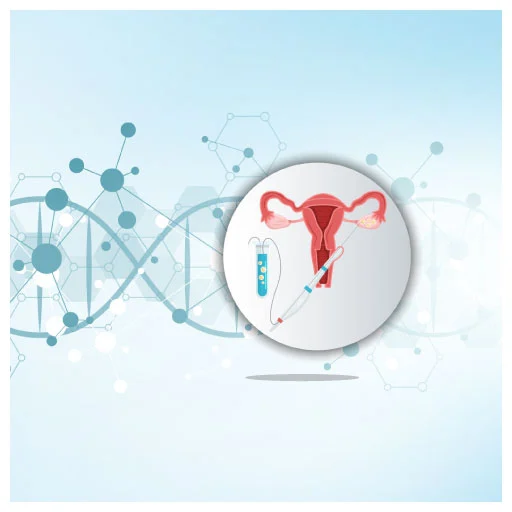
The Role of Ovulation: Intrauterine Insemination vs Intracervical Insemination
In terms of effectiveness, studies have shown that IUI has a higher success rate compared to ICI. This is because IUI places the sperm directly into the uterus, bypassing any potential barriers in the cervix. Additionally, IUI also allows for a higher concentration of sperm to be placed in the uterus, increasing the chances of fertilization. However, ICI can still be a viable option for couples with no underlying fertility issues, as it has been shown to have success rates of up to 15-20% per cycle.
It is also important to note that both IUI and ICI can be combined with fertility medications, such as clomiphene or follicle-stimulating hormone, to further enhance the chances of pregnancy. These medications can help stimulate the ovaries to produce more eggs, increasing the chances of one being fertilized.
Aside from the differences in procedure and success rates, there are also variations in cost and convenience between IUI and ICI. IUI is usually more expensive, as it requires a doctor’s visit and can only be performed in a medical setting. ICI, on the other hand, can be done at home and is often more affordable. However, it is important to discuss the costs and logistics with a healthcare professional to determine the best option for each individual couple.
In conclusion, both IUI and ICI are effective methods of assisted reproductive techniques that utilize ovulation to increase the chances of pregnancy. IUI is more invasive but has a higher success rate, while ICI is less invasive but has lower success rates. It is important for couples to consult with a healthcare professional to determine the best option for their specific situation. Additionally, tracking ovulation is crucial for the success of both procedures, and fertility medications can be used to further enhance the chances of pregnancy.
Summary: Ovulation plays a crucial role in assisted reproductive techniques such as intrauterine insemination (IUI) and intracervical insemination (ICI). IUI involves placing washed and concentrated sperm directly into the uterus, while ICI involves placing sperm near the cervix. Both procedures rely on tracking ovulation for their success, and IUI has a higher success rate compared to ICI. Factors such as cost and convenience should also be considered when choosing between the two methods.