The Debate Between Fertility Medications vs Surgery for Polycystic Ovary Syndrome
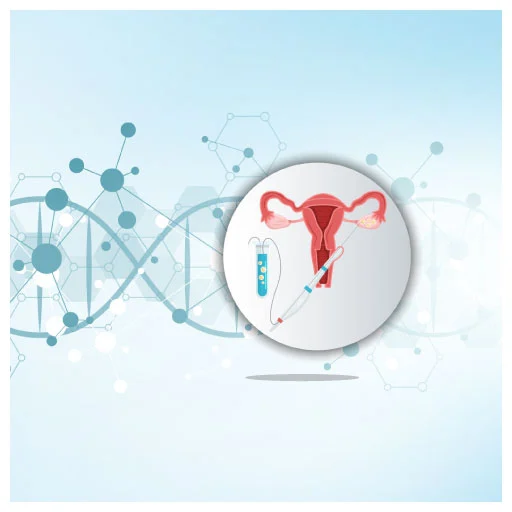
Polycystic Ovary Syndrome (PCOS) is a common endocrine disorder that affects women of reproductive age. It is characterized by hormonal imbalances, irregular menstrual cycles, and the presence of multiple cysts on the ovaries. PCOS can also impact fertility and make it difficult for women to get pregnant. As a result, many women with PCOS turn to fertility treatments to help them conceive. However, the debate between fertility medications and surgery for PCOS remains ongoing. In this blog post, we will explore the pros and cons of both options and discuss which may be the best choice for women with PCOS.
Fertility Medications for PCOS
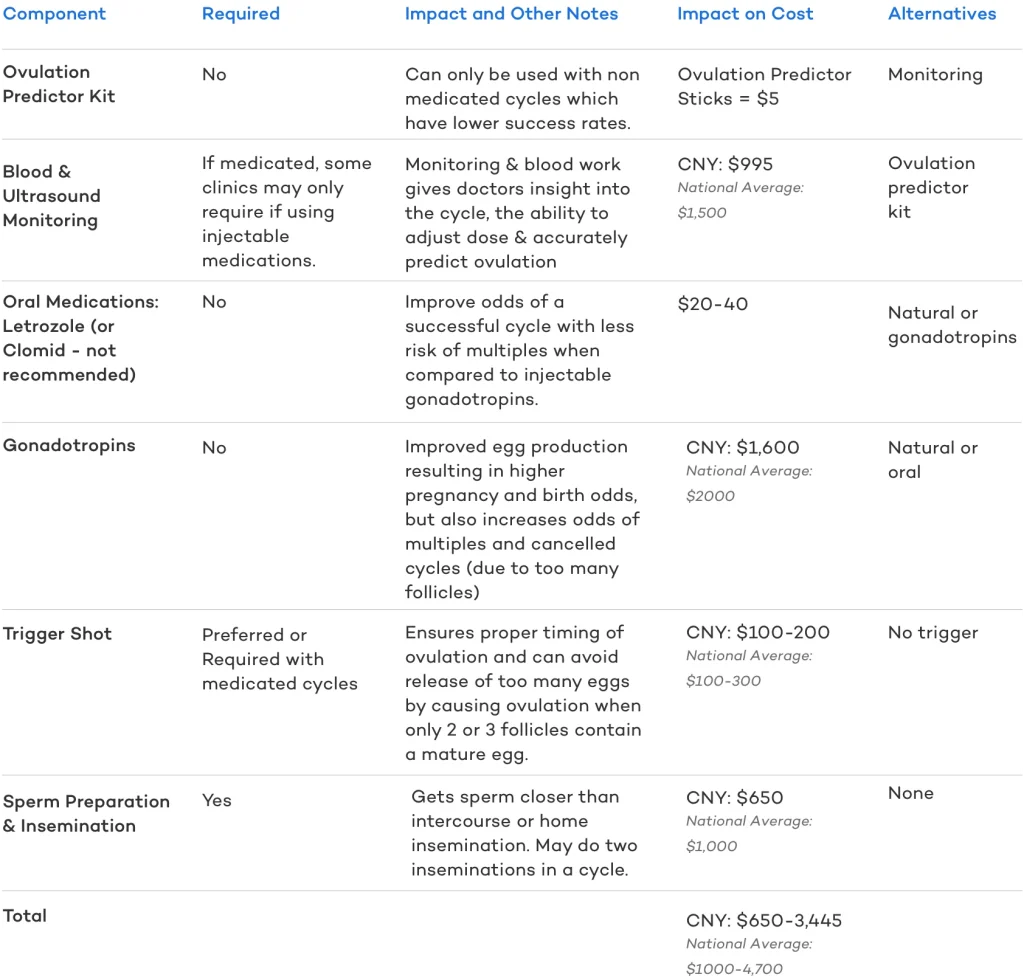
Fertility medications are often the first line of treatment for women with PCOS who are struggling to conceive. These medications work by regulating the hormones in the body, which can help to stimulate ovulation and increase the chances of getting pregnant. There are several different types of fertility medications that may be prescribed for PCOS, including:
1. Clomiphene citrate – This medication works by stimulating the release of follicle-stimulating hormone (FSH) and luteinizing hormone (LH), which are necessary for ovulation to occur.
2. Metformin – This medication is commonly used to treat insulin resistance, a common symptom of PCOS. By helping to regulate insulin levels, metformin can also improve ovulation and increase the chances of getting pregnant.
3. Gonadotropins – These are injectable hormones that directly stimulate the ovaries to produce eggs.
While fertility medications can be effective in helping women with PCOS conceive, they do come with some potential drawbacks. One of the main concerns with fertility medications is the risk of multiple pregnancies. This is because the medications can stimulate the ovaries to release more than one egg, increasing the chances of conceiving twins or triplets. Additionally, fertility medications can also cause side effects such as bloating, hot flashes, and mood swings.
Surgery for PCOS
The Debate Between Fertility Medications vs Surgery for Polycystic Ovary Syndrome
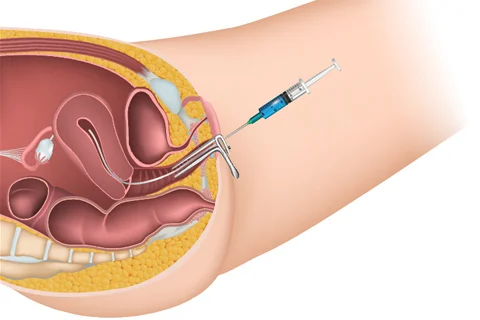
In some cases, surgery may be recommended as a treatment option for PCOS. The two main surgical procedures used for PCOS are ovarian drilling and in vitro fertilization (IVF).
1. Ovarian drilling – This procedure involves using heat or a laser to make small holes in the ovaries. This can help to reduce androgen production and stimulate ovulation.
2. In vitro fertilization (IVF) – This is a more invasive procedure that involves extracting eggs from the ovaries, fertilizing them with sperm in a lab, and then transferring the embryos back into the uterus.
Surgery may be considered as an option for women with PCOS who have not had success with fertility medications or for those who are at high risk for complications from fertility medications. However, surgery does come with its own set of risks, including infection, bleeding, and damage to the ovaries.
The Debate Continues
The debate between fertility medications and surgery for PCOS is ongoing, and there is no clear answer as to which option is the best. Some experts believe that surgery is a more effective and long-lasting solution, while others argue that fertility medications are a safer and less invasive option. Ultimately, the best treatment option will depend on the individual case and should be decided in consultation with a healthcare provider.
It is worth noting that both fertility medications and surgery are not a cure for PCOS. They can help with fertility and regulating ovulation, but they do not address the underlying hormonal imbalances that cause PCOS. As such, it is important for women with PCOS to also make lifestyle changes, such as maintaining a healthy weight, eating a balanced diet, and managing stress.
In conclusion, the debate between fertility medications and surgery for PCOS is complex and there is no one-size-fits-all solution. Each option has its own benefits and risks, and the best course of treatment will vary from person to person. It is important for women with PCOS to work closely with their healthcare providers to determine the best treatment plan for their individual needs.
Summary:
Polycystic Ovary Syndrome (PCOS) is a common endocrine disorder that affects women of reproductive age and can impact fertility. The debate between fertility medications and surgery for PCOS remains ongoing. Fertility medications, such as Clomiphene citrate, Metformin, and Gonadotropins, can help regulate hormones and improve ovulation but come with the risk of multiple pregnancies and side effects. Surgery, such as ovarian drilling and IVF, may be considered for those who have not had success with medications or are at high risk but also have their own set of risks. Ultimately, the best treatment option will depend on the individual case and should be decided in consultation with a healthcare provider. It is important for women with PCOS to make lifestyle changes in addition to treatment.