Combining Fertility Medications with Surgical Treatments: A Growing Trend in Infertility Treatment
Infertility affects millions of couples worldwide and is defined as the inability to conceive after one year of trying. While there are various causes of infertility, advancements in medical technology have led to the development of fertility medications and surgical treatments to help couples struggling with fertility issues. In recent years, there has been a growing trend of combining these two approaches to fertility treatment, resulting in higher success rates and improved outcomes.
Fertility medications, also known as ovulation induction drugs, work by stimulating the ovaries to produce more eggs, increasing the chances of conception. These medications are often prescribed to women with ovulatory disorders or those undergoing assisted reproductive techniques like in vitro fertilization (IVF). However, for some individuals, fertility medications alone may not be enough to achieve a successful pregnancy. This is where surgical treatments come into play.
Surgical treatments for infertility typically involve procedures to correct structural abnormalities in the reproductive organs, such as blocked fallopian tubes or uterine fibroids, that may be hindering conception. These surgeries can often be performed laparoscopically, which is less invasive and has a shorter recovery time compared to traditional open surgery. Combining fertility medications with surgical treatments has become increasingly popular as it offers a more comprehensive approach to treating infertility.
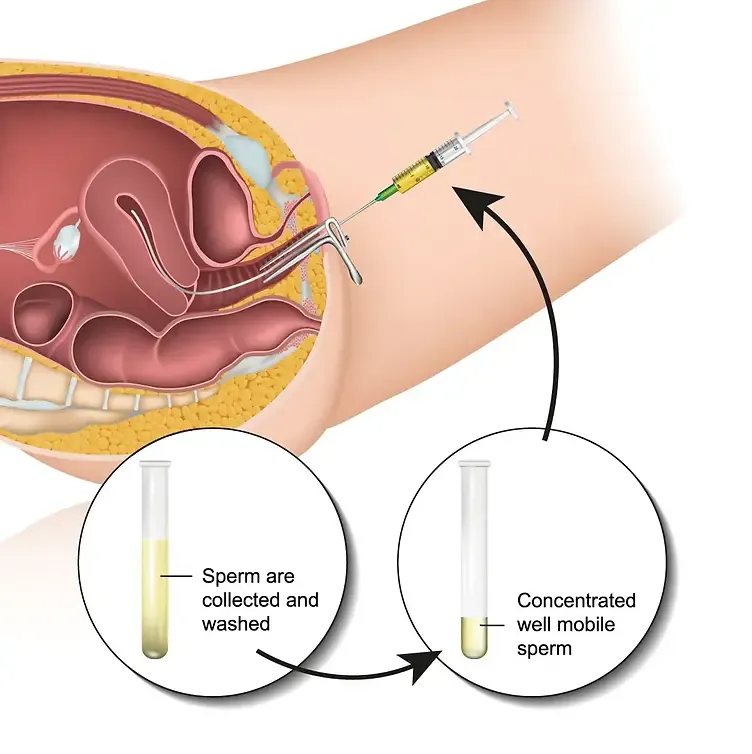
The Growing Trend of Combining Fertility Medications with Surgical Treatments
One of the main benefits of combining fertility medications with surgical treatments is the improved success rates. Studies have shown that the success rates of fertility treatments are significantly higher when these two approaches are combined. This is because fertility medications help to optimize the reproductive system before surgery, allowing for a better surgical outcome. In addition, surgical treatments can address any underlying issues that may be preventing the fertility medications from working effectively.
Another advantage of combining fertility medications with surgical treatments is the reduced risk of multiple pregnancies. Fertility medications can increase the chances of multiple eggs being released, increasing the likelihood of multiple pregnancies. However, with the use of surgical treatments, the number of eggs released can be controlled, reducing the risk of multiple pregnancies and the potential complications that come with it.
Furthermore, combining fertility medications with surgical treatments can also save time and money for couples seeking fertility treatment. By addressing any structural issues with surgery, the need for repeated cycles of fertility medications can be avoided. This not only saves time but also reduces the financial burden on couples. In addition, the success rates of the combined approach mean that couples have a higher chance of achieving pregnancy in a shorter period, further reducing the overall cost of treatment.
While the combination of fertility medications and surgical treatments offers many benefits, it is not suitable for every couple struggling with infertility. It is important for individuals to undergo a thorough evaluation by a fertility specialist to determine the best course of treatment for their specific situation. Factors such as age, underlying medical conditions, and the cause of infertility will also play a role in determining the most effective treatment plan.
In conclusion, the growing trend of combining fertility medications with surgical treatments has shown to be a highly effective approach to treating infertility. This comprehensive approach offers higher success rates, reduces the risk of multiple pregnancies, and saves time and money for couples seeking fertility treatment. However, it is important for individuals to consult with a fertility specialist to determine if this approach is suitable for their specific case. With the advancements in medical technology, the future looks bright for couples struggling with infertility, and the combined approach of fertility medications and surgical treatments is likely to continue growing in popularity.