Tag: reproductive health

  • Navigating the Overwhelming World of Fertility Products: Medications vs Supplements

    Navigating the Overwhelming World of Fertility Products: Medications vs Supplements

    When it comes to trying to conceive, many couples turn to fertility products to help increase their chances of getting pregnant. However, with the overwhelming number of options available, it can be challenging to determine which products are necessary and which ones are just a waste of money. In particular, there is often confusion between fertility medications and supplements. In this blog post, we will explore the differences between these two types of products and provide valuable insights to help you navigate the world of fertility products.

    Understanding Fertility Medications

    Fertility medications are prescription drugs that are designed to help stimulate ovulation and increase the chances of pregnancy. These medications are typically prescribed by a doctor and are used to treat specific fertility issues, such as polycystic ovary syndrome (PCOS) or infertility due to hormonal imbalances.

    One of the most commonly prescribed fertility medications is clomiphene citrate, also known as Clomid. This medication works by stimulating the release of hormones that trigger ovulation. It is usually taken for five days at the beginning of a woman’s menstrual cycle, and it is essential to closely monitor the dosage and timing to ensure its effectiveness.

    Another type of fertility medication is gonadotropins, which are injectable hormones that also stimulate ovulation. These are often prescribed for women who do not respond well to Clomid or have more severe fertility issues. However, these medications can be expensive and may require regular monitoring through blood tests and ultrasounds.

    Understanding Fertility Supplements

    Fertility supplements are non-prescription products that are designed to support reproductive health and increase fertility. They are typically made from natural ingredients, such as vitamins, minerals, and herbs, and are available over the counter without a prescription.

    One of the most common fertility supplements is folic acid, which is a crucial nutrient for fetal development and can help prevent birth defects. It is recommended for women who are trying to conceive to take a daily supplement of 400-800 micrograms of folic acid.

    Another popular fertility supplement is CoQ10, which is an antioxidant that can help improve egg quality and sperm health. It is also believed to help with age-related fertility decline. However, more research is needed to determine its effectiveness in increasing fertility.

    Medications vs Supplements: What’s the Difference?
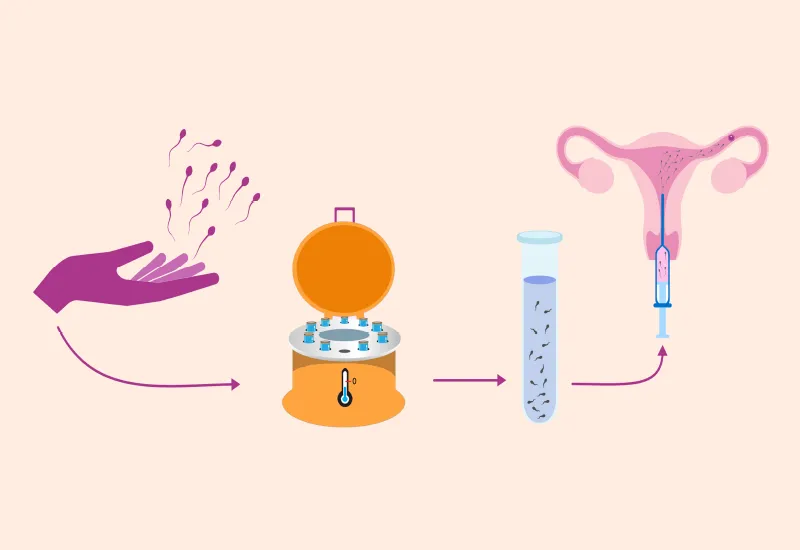
    illustration of the IUI process, showing sperm collection, preparation, and insertion into the uterus

    Navigating the Overwhelming World of Fertility Products: Medications vs Supplements

    Now that we understand what fertility medications and supplements are let’s dive into the key differences between the two.

    1. Prescription vs Non-Prescription: The most significant difference between medications and supplements is that medications require a doctor’s prescription, while supplements are available over the counter. This means that medications are regulated by the FDA and must undergo rigorous testing and approval processes, while supplements do not have the same level of regulation.

    2. Targeted Treatment vs General Support: Medications are specifically designed to target and treat certain fertility issues, while supplements are more general and may not address specific problems. This means that medications may be more effective in treating a particular fertility issue, while supplements may provide overall support for reproductive health.

    3. Potential Side Effects: As with any medication, fertility drugs may come with potential side effects, such as headaches, nausea, and mood swings. On the other hand, fertility supplements are generally considered safe with minimal side effects. However, it is essential to consult with your doctor before taking any supplements, as they can interact with other medications or health conditions.

    4. Cost: Fertility medications can be expensive, especially if they require regular monitoring and multiple cycles. On the other hand, supplements are relatively affordable and can be purchased over the counter without a prescription. However, keep in mind that the cost of supplements can add up over time, and some may not be covered by insurance.

    Finding the Right Balance

    When it comes to fertility products, there is no one-size-fits-all solution. Some couples may benefit from prescription medications, while others may find success with supplements. It is essential to consult with a doctor or fertility specialist to determine the best course of action for your specific situation.

    A common approach is to combine both medications and supplements to achieve optimal results. For example, a woman with PCOS may take Clomid to stimulate ovulation and also take a folic acid supplement to support healthy fetal development.

    In the end, the most important thing is to find a balance that works for you and your partner. Be sure to do your own research and consult with a medical professional before starting any fertility products.

    Summary:

    When it comes to fertility products, there are two main categories: medications and supplements. Fertility medications are prescription drugs that target specific fertility issues and require close monitoring, while supplements are over the counter products that provide general support for reproductive health. It is essential to consult with a doctor before taking any fertility products and finding the right balance between medications and supplements for your specific needs.

  • Fertility Supplements: The Natural Alternative to Medications

    Blog Post:

    When it comes to fertility, many people turn to medications and medical treatments as their primary solution. However, there is a growing trend towards using fertility supplements as a natural alternative to traditional medications. These supplements are made from natural ingredients and have been shown to help improve fertility in both men and women. In this blog post, we will explore the benefits of fertility supplements, the different types available, and why they can be a great alternative to medications.

    What are Fertility Supplements?

    Fertility supplements are dietary supplements that are specifically designed to support fertility and reproductive health. They are made from natural ingredients such as vitamins, minerals, herbs, and other plant-based compounds that have been shown to have positive effects on fertility. These supplements are available in various forms, including pills, powders, and liquids, and can be taken orally as part of a daily routine.

    Benefits of Fertility Supplements

    One of the main benefits of fertility supplements is that they are made from natural ingredients, making them a safe and gentle alternative to traditional medications. This is particularly important for women who are trying to conceive, as many medications can have harmful side effects that could potentially harm the developing fetus.

    Additionally, fertility supplements can help to balance hormones, which is crucial for fertility. Many women struggle with hormonal imbalances, which can affect ovulation and the ability to conceive. Fertility supplements can help to regulate hormone levels, leading to a more regular menstrual cycle and improved fertility.

    Fertility supplements can also improve overall reproductive health. They can help to increase sperm count and motility in men, and improve egg quality and uterine lining in women. This can greatly increase the chances of conception and a successful pregnancy.

    Types of Fertility Supplements

    There are various types of fertility supplements available, each with their own unique ingredients and benefits. Some of the most common types include:

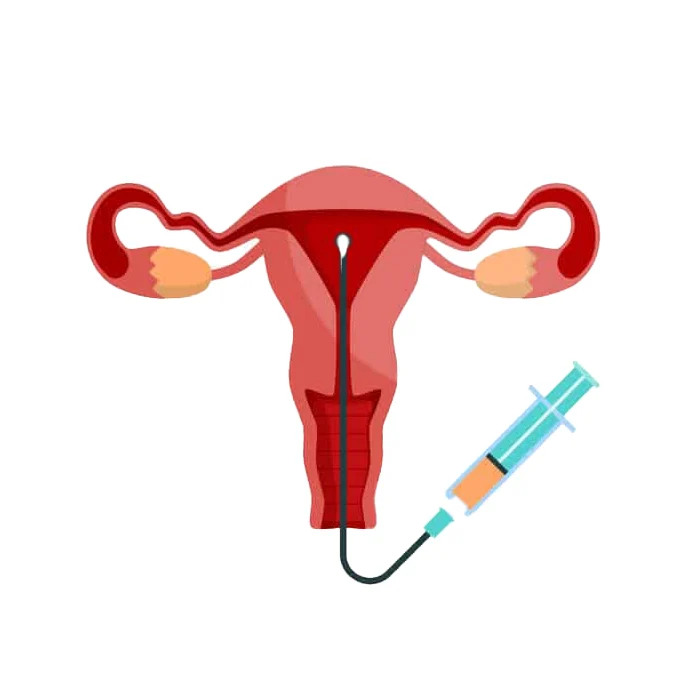
    illustration of a uterus with a syringe for intrauterine insemination (IUI) procedure

    Fertility Supplements: The Natural Alternative to Medications

    1. Prenatal Vitamins: These supplements are specifically designed for women who are trying to conceive or are pregnant. They contain essential vitamins and minerals, such as folic acid, iron, and calcium, which are important for a healthy pregnancy.

    2. Folic Acid: Folic acid is a B vitamin that is crucial for the development of a healthy baby. It is recommended that women take folic acid supplements before and during pregnancy to reduce the risk of birth defects.

    3. Coenzyme Q10: This antioxidant has been shown to improve sperm quality and motility in men, making it a popular supplement for couples trying to conceive.

    4. Maca: This root vegetable has been used for centuries to boost fertility and sexual function. It is believed to help balance hormones and improve sperm production in men.

    5. Vitex: Also known as chaste tree berry, this herb is commonly used to regulate menstrual cycles and increase fertility in women.

    Why Choose Fertility Supplements Over Medications?

    There are several reasons why someone might choose fertility supplements over traditional medications. As mentioned earlier, supplements are made from natural ingredients, making them a safer option for those trying to conceive. They also tend to have fewer side effects than medications, and do not require a prescription.

    Furthermore, fertility supplements can be taken alongside other medications, making them a complementary treatment option. This means that individuals can still take their prescribed medications while also incorporating natural supplements to support their fertility.

    In addition, fertility supplements are often more affordable than medications, which can be costly and not always covered by insurance. This makes them a more accessible option for those who may not have the financial means to undergo expensive medical treatments.

    Summary:

    Fertility supplements are a natural alternative to traditional medications for those struggling with fertility. Made from natural ingredients, these supplements can help balance hormones, improve reproductive health, and increase the chances of conception. They come in various forms and types, including prenatal vitamins, folic acid, Coenzyme Q10, maca, and vitex. Choosing fertility supplements over medications can be a safer, complementary, and more affordable option for those trying to conceive.

  • Fertility Medications vs Supplements: Which Is Safer for Your Body?

    Blog Post Summary:

    Fertility medications and supplements are often used by individuals and couples who are struggling with fertility issues. While both options aim to improve fertility and increase the chances of conception, they differ in terms of safety for the body. In this blog post, we will discuss the pros and cons of fertility medications and supplements, and provide information to help you make an informed decision on which option may be safer for your body.

    Fertility Medications:

    Fertility medications are prescribed by doctors and are often used to treat specific fertility issues, such as hormonal imbalances, ovulation problems, and low sperm count. These medications work by stimulating the production of hormones that play a role in fertility, and can be taken orally, through injections, or as vaginal suppositories. Some common fertility medications include Clomid, Letrozole, and Gonadotropins.

    Pros:
    – Fertility medications are highly regulated and approved by the FDA.
    – They are specifically designed to target and treat certain fertility issues.
    – They can be effective in increasing the chances of conception.
    – They are often covered by insurance.

    Cons:
    – Fertility medications can have side effects such as nausea, headaches, and mood swings.
    – They can increase the risk of multiple births, which can lead to complications during pregnancy and delivery.
    – They can be expensive, especially if insurance does not cover them.
    – They may not work for everyone and can sometimes require multiple cycles.

    Supplements:

    model of the female reproductive system with a hand demonstrating intrauterine insemination technique

    Fertility Medications vs Supplements: Which Is Safer for Your Body?

    Supplements, on the other hand, are over-the-counter products that are not regulated by the FDA. They are often marketed as natural and safe alternatives to fertility medications, and can include vitamins, minerals, herbs, and other substances. Some popular fertility supplements include CoQ10, Vitex, and DHEA.

    Pros:
    – Supplements are easily accessible and do not require a prescription.
    – They can be more affordable than fertility medications.
    – They may have fewer side effects than medications.
    – They can provide additional benefits for overall health.

    Cons:
    – Supplements are not regulated, so their safety and effectiveness may vary.
    – They may interact with other medications or have contraindications for certain health conditions.
    – They may not have enough research to support their claims.
    – They may not be as effective as medications in treating specific fertility issues.

    Which is Safer for Your Body?

    The answer to this question ultimately depends on individual circumstances and preferences. Fertility medications are prescribed by doctors and undergo strict testing and regulation, making them a safer option for those who have specific fertility issues. However, they may not be the best choice for those who want to avoid potential side effects and multiple births.

    On the other hand, supplements are more accessible and can provide additional benefits for overall health. However, their safety and effectiveness are not regulated, and they may not be as effective in treating specific fertility issues.

    It is important to consult with a healthcare provider before starting any fertility medication or supplement. They can assess your individual needs and provide guidance on the best course of treatment for you.

    In conclusion, both fertility medications and supplements have their own pros and cons. It is important to weigh these factors and consider your personal preferences and needs before deciding which option may be safer for your body. Ultimately, the goal is to find a treatment plan that not only improves fertility but also promotes overall well-being.

  • The Role of Fertility Supplements in Supporting IVF Treatments

    Blog Post Title: The Role of Fertility Supplements in Supporting IVF Treatments

    Summary:

    In vitro fertilization (IVF) has become a widely accepted and effective treatment for couples struggling with infertility. This procedure involves retrieving eggs from a woman’s ovaries and fertilizing them with sperm in a laboratory, before transferring the resulting embryo back into the woman’s uterus. While IVF has a high success rate, there are several factors that can affect its success, including the age and health of the woman, the quality of the eggs and sperm, and the overall health of the couple. This is where fertility supplements come in. In recent years, there has been a growing interest in using fertility supplements to support IVF treatments and improve the chances of a successful pregnancy. In this blog post, we will explore the role of fertility supplements in IVF treatments and whether they can truly make a difference.

    Firstly, it’s important to understand that fertility supplements are not a replacement for medical treatment. They are meant to be used as a complementary therapy to support and enhance the effectiveness of IVF treatments. These supplements typically contain a combination of vitamins, minerals, antioxidants, and herbs that are believed to improve fertility and reproductive health. Some of the most commonly used ingredients in fertility supplements include folic acid, coenzyme Q10, vitamin D, and omega-3 fatty acids.

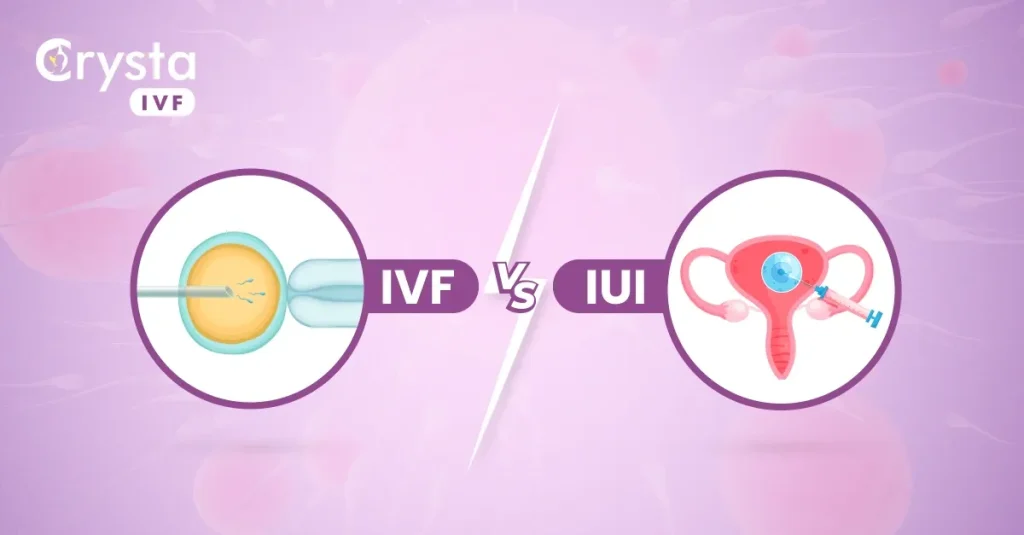
    Comparison of IUI and IVF, illustrating procedures and definitions for each fertility treatment.

    The Role of Fertility Supplements in Supporting IVF Treatments

    One of the main ways in which fertility supplements can support IVF treatments is by improving egg and sperm quality. Studies have shown that certain nutrients, such as folic acid and coenzyme Q10, can help improve the quality of eggs and sperm, making them more viable for fertilization. This is especially important for women over the age of 35, as egg quality tends to decline with age. By taking fertility supplements, women can potentially increase their chances of producing healthy, high-quality eggs for IVF.

    Fertility supplements can also help regulate hormones and improve overall reproductive health. For women with conditions like polycystic ovary syndrome (PCOS) or endometriosis, these supplements can help balance hormones and improve the chances of a successful IVF cycle. Additionally, some supplements contain herbs like chasteberry and maca root, which have been traditionally used to support reproductive health and fertility.

    Moreover, fertility supplements can also help improve the success rates of IVF by supporting overall health and well-being. Infertility can be a physically and emotionally taxing experience, and couples undergoing IVF can often feel stressed, anxious, and fatigued. Fertility supplements can help boost energy levels, reduce stress, and support a healthy immune system, all of which can play a role in the success of IVF treatments.

    While there is evidence to suggest that fertility supplements can support IVF treatments, it’s important to note that not all supplements are created equal. It’s essential to consult with a doctor or fertility specialist before starting any supplements, as they can recommend the right type and dosage based on individual needs. It’s also essential to choose supplements from reputable brands and to carefully read the ingredients to ensure they are safe and effective.

    In conclusion, fertility supplements can play a role in supporting IVF treatments by improving egg and sperm quality, balancing hormones, and supporting overall health and well-being. However, it’s crucial to remember that they are not a magic solution and should be used in conjunction with medical treatment. By working closely with a doctor and choosing high-quality supplements, couples struggling with infertility can potentially increase their chances of a successful pregnancy through IVF.

  • Breaking Down the Science: How Fertility Medications and Supplements Work

    Title: Breaking Down the Science: How Fertility Medications and Supplements Work

    Introduction:

    Infertility affects millions of couples worldwide and can be caused by various factors such as medical conditions, lifestyle choices, and age. Fortunately, advancements in science and medicine have led to the development of fertility medications and supplements that can help couples struggling with infertility to conceive. However, many people are often skeptical about using these medications and supplements, questioning their effectiveness and potential side effects. In this blog post, we will break down the science behind fertility medications and supplements and explain how they work to help couples achieve their dream of having a baby.

    Understanding Fertility:

    Before we dive into the specifics of fertility medications and supplements, it’s essential to understand how fertility works. In a woman’s body, the menstrual cycle is controlled by hormones that signal the ovaries to release an egg each month. This process is known as ovulation, and it is crucial for pregnancy to occur. However, for various reasons, some women may not ovulate regularly or at all, making it challenging to conceive. This is where fertility medications and supplements come into play, helping to regulate the hormones and improve ovulation.

    Fertility Medications:

    There are various types of fertility medications available, and their specific purpose depends on the underlying cause of infertility. Some of the most commonly used fertility medications include:

    1. Clomiphene Citrate: This medication helps stimulate the ovaries to produce more follicles, which contain eggs, increasing the chances of ovulation.

    2. Gonadotropins: These medications contain follicle-stimulating hormone (FSH) and luteinizing hormone (LH) and are used to stimulate the ovaries to produce multiple eggs.

    3. Metformin: This medication is usually prescribed for women with polycystic ovary syndrome (PCOS) to regulate their insulin levels, which can affect fertility.

    4. Bromocriptine: This medication is used to lower prolactin levels, a hormone that can interfere with ovulation.

    5. Letrozole: This medication is sometimes used as an alternative to Clomiphene Citrate and works by blocking estrogen production, leading to an increase in FSH levels and ovulation.

    How Fertility Medications Work:

    Fertility medications work by either balancing hormones or stimulating the ovaries to produce more eggs. For example, Clomiphene Citrate works by blocking estrogen receptors in the brain, causing the body to produce more FSH and LH, which triggers ovulation.

    On the other hand, Gonadotropins contain FSH and LH, which mimic the body’s natural hormones and stimulate the ovaries to produce more eggs. These medications are usually given as injections and require careful monitoring to prevent multiple pregnancies.

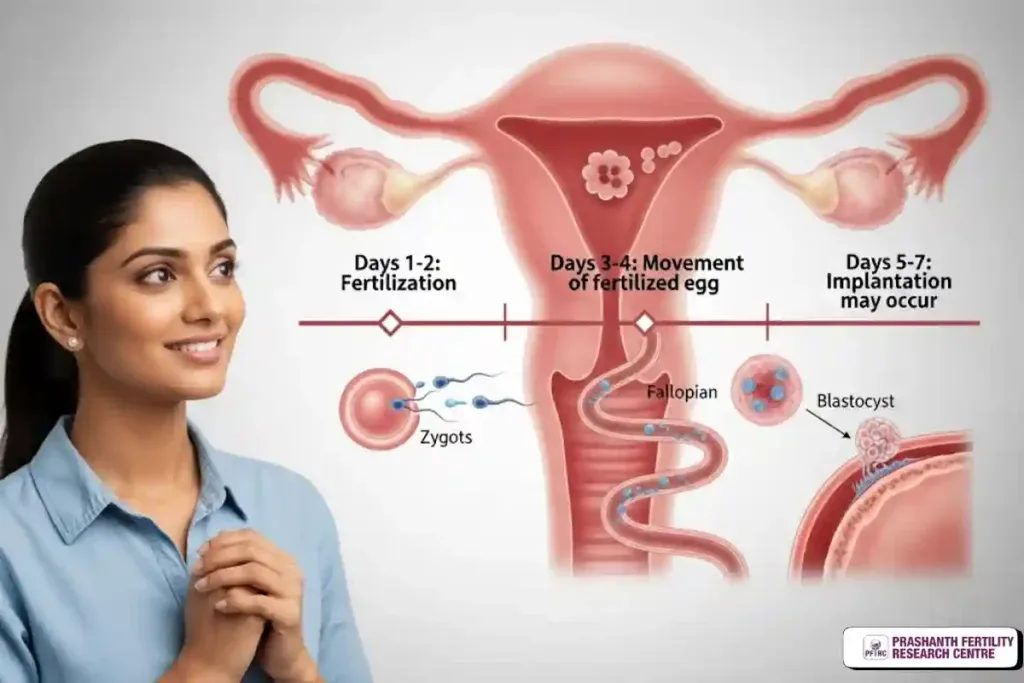
    Illustration showing fertilization and implantation timeline with a woman looking hopeful.

    Breaking Down the Science: How Fertility Medications and Supplements Work

    For women with PCOS, Metformin helps regulate insulin levels, which can improve ovulation and increase the chances of pregnancy. Bromocriptine, on the other hand, lowers prolactin levels, which can interfere with ovulation and fertility.

    Fertility Supplements:

    In addition to medications, there are also various fertility supplements available that claim to improve fertility and increase the chances of conception. These supplements often contain a combination of vitamins, minerals, and herbs that are believed to support reproductive health.

    Some of the most commonly used fertility supplements include:

    1. Coenzyme Q10: This antioxidant helps improve egg quality and may increase the chances of conception.

    2. Folic Acid: This B vitamin is essential for fetal development and can reduce the risk of birth defects.

    3. Omega-3 Fatty Acids: These healthy fats have anti-inflammatory properties and may improve hormone balance and ovulation.

    4. Vitamin D: This vitamin plays a crucial role in reproductive health and may improve fertility in women with PCOS.

    5. Maca Root: This herb has been used for centuries to improve fertility and is believed to regulate hormones and improve egg quality.

    How Fertility Supplements Work:

    Fertility supplements work by providing essential nutrients that support reproductive health and may improve ovulation and egg quality. For example, Coenzyme Q10 is an antioxidant that helps protect cells from damage and may improve egg quality. Folic acid is essential for fetal development and can reduce the risk of birth defects.

    Omega-3 fatty acids have anti-inflammatory properties that may improve hormone balance, while vitamin D plays a crucial role in reproductive health. Maca root is believed to regulate hormones and improve egg quality, making it a popular supplement among women trying to conceive.

    Conclusion:

    Fertility medications and supplements can offer hope to couples struggling with infertility. By understanding how these medications and supplements work, couples can make informed decisions and work with their doctors to find the best treatment plan for their specific needs. It’s essential to remember that these treatments may not work for everyone, and it’s crucial to have realistic expectations and be patient throughout the process. With advancements in science and medicine, there is hope for couples to fulfill their dream of having a baby.

    Summary:

    Infertility affects millions of couples worldwide, and fertility medications and supplements can help them conceive. Fertility medications such as Clomiphene Citrate, Gonadotropins, Metformin, Bromocriptine, and Letrozole work by balancing hormones or stimulating the ovaries to produce more eggs. Fertility supplements, on the other hand, provide essential nutrients that support reproductive health and may improve ovulation and egg quality. By understanding how these treatments work, couples can make informed decisions and work with their doctors to find the best solution for their specific needs.

  • The Pros and Cons of Using Fertility Medications and Supplements

    Fertility medications and supplements have become increasingly popular among those struggling with infertility. These medications and supplements are designed to help regulate hormones, increase ovulation, and improve overall reproductive health. While they can be effective in helping couples achieve their dream of having a child, there are also potential risks and drawbacks to consider. In this blog post, we will explore the pros and cons of using fertility medications and supplements.

    Pros of Using Fertility Medications and Supplements:

    1. Improved Chances of Conception: The main benefit of fertility medications and supplements is that they can increase the chances of conception. These medications and supplements can help regulate hormones and improve ovulation, making it easier for couples to conceive. For those struggling with infertility, this can be a major advantage and can bring them one step closer to starting a family.

    2. Variety of Options: There are various types of fertility medications and supplements available, allowing couples to find the right one for their specific needs. From oral medications like Clomid to injectable medications like gonadotropins, there is a range of options to choose from. Additionally, there are also many different types of supplements that can be used to support reproductive health, such as folic acid, omega-3 fatty acids, and Coenzyme Q10.

    3. Cost-Effective: In comparison to other infertility treatments such as in vitro fertilization (IVF), fertility medications and supplements are relatively affordable. This makes them a more cost-effective option for couples who may not be able to afford more expensive treatments. Additionally, some insurance plans may cover the cost of these medications and supplements, making them even more accessible.

    4. Non-Invasive: Fertility medications and supplements are non-invasive, meaning they do not require any surgical procedures. This can be appealing for couples who may be hesitant to undergo more invasive treatments. It also means that there is less risk involved and a shorter recovery time.

    5. Can Address Underlying Issues: In some cases, fertility medications and supplements can also help address underlying issues that may be causing infertility. For example, some supplements may help improve egg quality or sperm count, while certain medications can help regulate conditions like polycystic ovary syndrome (PCOS) or endometriosis.

    Illustration of IUI procedure with uterus and syringe against a DNA background.

    The Pros and Cons of Using Fertility Medications and Supplements

    Cons of Using Fertility Medications and Supplements:

    1. Side Effects: Like all medications, fertility medications and supplements can come with potential side effects. These can range from mild symptoms such as headaches and nausea to more severe reactions like ovarian hyperstimulation syndrome (OHSS). It is important to discuss potential side effects with a doctor and closely monitor any symptoms while using these medications and supplements.

    2. May Not Work for Everyone: While fertility medications and supplements have helped many couples conceive, they may not work for everyone. Factors such as age, overall health, and underlying medical conditions can play a role in the effectiveness of these treatments. It is essential to have realistic expectations and discuss other options with a doctor if these treatments are not successful.

    3. Multiple Births: One of the potential risks of fertility medications and supplements is the increased chance of multiple births. This is more common with treatments like IVF, but it can also occur with other medications and supplements. Multiple pregnancies can be high-risk and may require more medical care and monitoring.

    4. Requires Monitoring: Fertility medications and supplements require close monitoring by a doctor to ensure they are working correctly and to monitor for any potential side effects. This may involve frequent appointments, blood work, and ultrasounds, which can be time-consuming and may add to the overall cost of treatment.

    5. Not a Permanent Solution: Fertility medications and supplements are not a permanent solution for infertility. While they can help couples conceive, they do not address the underlying cause of infertility. This means that once the medications and supplements are stopped, infertility may return. For some couples, this may mean needing to continue using these treatments or exploring other options in the future.

    In summary, fertility medications and supplements can be a helpful tool for couples struggling with infertility. They offer a variety of options, are cost-effective, and are non-invasive. However, they also come with potential risks and drawbacks, such as side effects and the risk of multiple births. It is essential to discuss these treatments with a doctor and weigh the pros and cons to determine if they are the right choice for you.

    Metadata:

  • Fertility Medications vs Supplements: Which is More Effective?

    Blog Post:

    Fertility issues can be a daunting and emotional journey for many couples trying to conceive. In addition to seeking medical advice, many turn to fertility medications and supplements to boost their chances of getting pregnant. However, there is often confusion and debate over which is more effective in increasing fertility. In this blog post, we will discuss the differences between fertility medications and supplements and determine which may be more beneficial for couples struggling with fertility.

    Fertility Medications:

    Fertility medications, also known as assisted reproductive technology (ART), are prescribed by doctors to help couples overcome specific fertility issues. These medications can range from oral pills to injections and are typically used to stimulate ovulation, regulate hormones, or improve sperm production. Some common fertility medications include Clomid, Letrozole, and Gonadotropins.

    The main advantage of fertility medications is that they are specifically tailored to address individual fertility issues. They are also highly regulated and have been extensively studied and tested for their effectiveness. In many cases, fertility medications have been successful in helping couples achieve pregnancy.

    However, these medications also come with potential side effects such as mood swings, hot flashes, and bloating. They can also be expensive, especially if multiple rounds of treatment are needed, and may not be covered by insurance. Additionally, they require close monitoring by a doctor, which can be time-consuming and stressful for couples.

    Fertility Supplements:

    On the other hand, fertility supplements are over-the-counter (OTC) products that are not regulated by the FDA and do not require a prescription. These supplements often contain a combination of vitamins, minerals, and herbs that claim to enhance fertility. Some popular fertility supplements include CoQ10, DHEA, and omega-3 fatty acids.

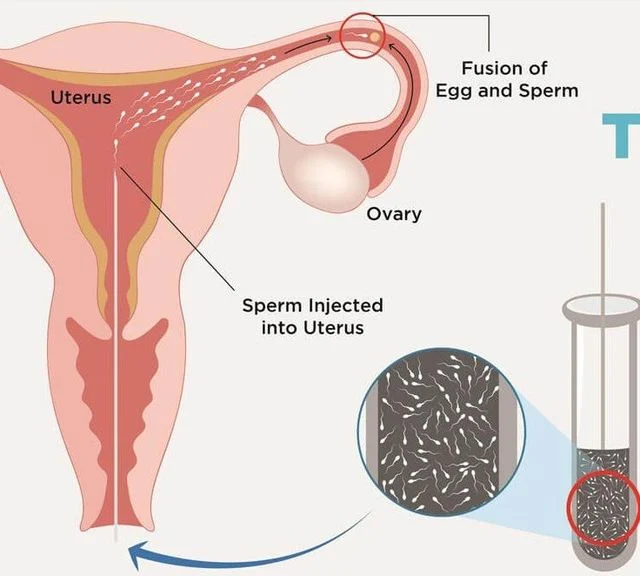
    Diagram illustrating the IUI process, showing sperm injection into the uterus and egg fertilization.

    Fertility Medications vs Supplements: Which is More Effective?

    One of the main advantages of fertility supplements is their accessibility and affordability. They can be purchased without a prescription and are generally less expensive than fertility medications. They also have fewer potential side effects, making them a more appealing option for many couples.

    However, the effectiveness of fertility supplements is often questioned due to the lack of regulation and scientific evidence. While some supplements may have positive effects on fertility, there is no guarantee that they will work for everyone. Additionally, some supplements may interact with other medications or have potential risks for certain individuals, so it is important to consult with a doctor before taking them.

    Which is More Effective?

    The truth is, there is no clear answer to this question. Both fertility medications and supplements have their pros and cons, and their effectiveness can vary from person to person. In some cases, a combination of both may be recommended to address specific fertility issues.

    For couples with diagnosed fertility issues, fertility medications may be the more effective option as they are tailored to address those issues. However, for couples with unexplained infertility, fertility supplements may be a good starting point as they are less invasive and have fewer side effects.

    It is also important to note that fertility medications and supplements are not a guarantee for pregnancy. They can only enhance fertility, but the success ultimately depends on various factors such as age, overall health, and lifestyle habits.

    In conclusion, both fertility medications and supplements can play a role in improving fertility. It is essential to consult with a doctor and discuss the best option for your specific situation. Remember to also maintain a healthy lifestyle, including a balanced diet and regular exercise, to maximize the effectiveness of any fertility treatment.

    Summary:

    Fertility medications and supplements are two common options for couples struggling with fertility issues. Fertility medications are highly regulated and tailored to address specific fertility problems, while supplements are more accessible and affordable. Both have their advantages and disadvantages, and the effectiveness can vary from person to person. Consulting with a doctor and maintaining a healthy lifestyle are crucial in maximizing the effectiveness of any fertility treatment.

  • The Gender Gap: Exploring the Differences in Fertility Testing for Men and Women

    Blog Post Title: The Gender Gap: Examining the Disparities in Fertility Testing for Men and Women

    In today’s society, there is a significant emphasis on family planning and fertility. However, when it comes to fertility testing, there is a noticeable gender gap in the options and resources available for men and women. While women have a plethora of options and technologies at their disposal, men often have limited and less advanced methods for fertility testing. This disparity not only affects individuals and couples trying to conceive, but it also highlights larger societal issues surrounding gender roles and expectations. In this blog post, we will explore the differences in fertility testing for men and women and the potential implications of the gender gap in this area.

    The Basics of Fertility Testing

    Before delving into the gender gap, it is important to understand the basics of fertility testing. Fertility testing is the process of assessing an individual’s ability to reproduce. For women, this typically involves testing ovulation and hormone levels, while for men, it involves analyzing sperm quality and quantity. Both men and women may also undergo genetic testing to determine any underlying genetic factors that could affect fertility.

    The Gender Gap in Fertility Testing

    When it comes to fertility testing, there is a clear gender gap in the available options for men and women. For women, there are several methods and technologies available, including ovulation tracking kits, hormone level tests, and ultrasound imaging. These methods are widely accessible and can be easily performed at home or in a medical setting. In addition, women can also undergo more invasive procedures such as laparoscopy or hysteroscopy to further assess their fertility.

    On the other hand, men have limited options for fertility testing. The most common method for male fertility testing is a semen analysis, which measures sperm count, motility, and morphology. While this test provides important information, it does not assess other factors that may affect male fertility, such as hormonal imbalances or genetic issues. In addition, this test can only be performed in a medical setting and may be uncomfortable for some men.

    The Impact on Family Planning

    test tube with sperm in blue liquid, promoting IUI success rate and factors influencing fertility.

    The Gender Gap: Exploring the Differences in Fertility Testing for Men and Women

    The gender gap in fertility testing can have significant consequences for individuals and couples trying to conceive. For women, having a variety of options for fertility testing allows them to take a more proactive approach to their reproductive health. They can track their ovulation and hormone levels to determine the best time to conceive and address any potential issues early on. This can lead to more successful outcomes and reduce the stress and emotional toll of trying to conceive.

    On the other hand, the limited options for male fertility testing can delay or hinder the ability to address any potential problems. This can lead to increased stress and frustration for couples, and potentially prolong the process of trying to conceive. It can also put the burden solely on women to undergo invasive procedures and make fertility-related decisions, perpetuating traditional gender roles and expectations.

    Societal Implications

    The gender gap in fertility testing also highlights larger societal issues surrounding gender roles and expectations. In many cultures, there is a societal pressure for women to bear children and a stigma attached to infertility. This can result in women feeling a sense of shame or failure if they are unable to conceive, while men may not face the same level of scrutiny. The lack of options for male fertility testing perpetuates the idea that women are solely responsible for reproductive health and places a higher value on their ability to bear children.

    Closing the Gap

    It is clear that there is a significant gender gap in fertility testing, and steps need to be taken to address this disparity. One solution could be to develop more advanced and accessible methods for male fertility testing. This would not only provide more comprehensive information for couples trying to conceive but also promote a more equitable distribution of responsibility for reproductive health between men and women.

    In addition, addressing societal attitudes and expectations surrounding fertility and gender roles is crucial. This can be achieved through education and open discussions about the importance of reproductive health for both men and women. By promoting a more inclusive and supportive environment, we can start to break down the gender gap in fertility testing.

    In conclusion, the gender gap in fertility testing is a complex issue with far-reaching consequences. It not only affects the individuals and couples trying to conceive but also highlights societal issues surrounding gender roles and expectations. By acknowledging and addressing this gap, we can work towards a more equitable and inclusive approach to fertility testing and family planning.

  • The Long Road to Parenthood: How Fertility Testing Can Help for Both Men and Women

    Blog Post: The Long Road to Parenthood: How Fertility Testing Can Help for Both Men and Women

    Parenthood is often seen as a natural and effortless journey for couples, but for many, it can be a long and challenging road. Infertility affects approximately 1 in 8 couples, and the struggle to conceive can take a toll on both physical and emotional well-being. While there are various causes of infertility, fertility testing can provide valuable insights for both men and women. In this blog post, we will explore the importance of fertility testing and how it can help couples on their journey to parenthood.

    Understanding Fertility and Infertility

    Fertility is the ability to conceive a child, and it is influenced by various factors such as age, health, and lifestyle. In women, fertility is primarily determined by the regularity and quality of ovulation, while in men, it is determined by the quality and quantity of sperm. Infertility is defined as the inability to conceive after 12 months of regular, unprotected intercourse. However, for women over the age of 35, this time frame is shortened to 6 months, as fertility declines with age.

    Fertility Testing for Women

    For women, fertility testing typically involves a series of blood tests and imaging procedures to assess the health and function of the reproductive organs. These tests can help identify any underlying hormonal imbalances, structural abnormalities, or other issues that may be affecting fertility.

    One common fertility test for women is the ovarian reserve test, which measures the quantity and quality of a woman’s remaining egg supply. This test is especially useful for women over the age of 35, as it can give an indication of their fertility potential. Other tests may include a hysterosalpingogram (HSG), which uses a dye to visualize the uterus and fallopian tubes, and an ultrasound to evaluate the ovaries and uterus.

    Fertility Testing for Men

    For men, fertility testing involves a semen analysis to assess the quality and quantity of sperm. This test looks at factors such as sperm count, motility (movement), and morphology (shape). A low sperm count or poor sperm quality can significantly impact a man’s fertility and may require further testing to determine the underlying cause.

    In addition to a semen analysis, men may also undergo blood tests to check for hormonal imbalances or genetic abnormalities that can affect fertility. If necessary, imaging tests such as a scrotal ultrasound may also be performed to evaluate the reproductive organs.

    Benefits of Fertility Testing

    Comparison of IVF and IUI procedures with illustrations of each method.

    The Long Road to Parenthood: How Fertility Testing Can Help for Both Men and Women

    Fertility testing can provide valuable information for couples struggling to conceive, and it can be beneficial in several ways.

    Identify Potential Issues

    Fertility testing can help identify any underlying issues that may be affecting a couple’s ability to conceive. For women, it can identify hormonal imbalances, structural abnormalities, or other conditions that may be preventing ovulation or fertilization. For men, it can identify issues with sperm quality or quantity, as well as any hormonal or genetic factors that may be contributing to infertility.

    Guide Treatment Options

    Once the underlying cause of infertility is identified, fertility testing can help guide treatment options. For example, if a woman is found to have irregular ovulation, medication or hormonal therapy may be recommended to help regulate her cycles. If a man has a low sperm count, he may benefit from lifestyle changes or medical interventions to improve sperm quality.

    Reduce Stress and Anxiety

    The journey to parenthood can be emotionally draining, and the uncertainty of not knowing the cause of infertility can add to the stress and anxiety. Fertility testing can provide answers and give couples a sense of control over their situation, reducing stress and anxiety levels.

    Prevent Unnecessary Treatments

    Without proper testing, couples may undergo expensive and invasive fertility treatments that may not be necessary. Fertility testing can help determine if there are any underlying issues that can be addressed with less invasive methods, such as medication or lifestyle changes, before pursuing more aggressive treatments.

    In Summary

    The road to parenthood can be a challenging one, and the struggle with infertility can take a toll on both men and women. Fertility testing can provide valuable insights into the underlying causes of infertility and guide treatment options. It can also reduce stress and anxiety, prevent unnecessary treatments, and ultimately help couples on their journey to becoming parents.

  • Beyond the Numbers: Understanding Fertility Test Results for Men and Women

    Blog Post:

    When it comes to fertility, it’s natural for both men and women to have concerns about their reproductive health. And with the increasing number of couples struggling with fertility issues, it’s important to understand the role that fertility tests play in determining one’s ability to conceive. However, looking at the numbers on the test results can be overwhelming and confusing for many. That’s why it’s crucial to go beyond the numbers and gain a better understanding of what they mean. In this blog post, we’ll take a closer look at fertility test results for both men and women, and how to interpret them to make informed decisions about your reproductive health.

    Understanding Fertility Tests for Women:

    For women, fertility tests usually involve tracking their menstrual cycle, blood tests, and imaging tests such as ultrasounds. These tests are used to evaluate the different aspects of a woman’s reproductive health, including ovulation, hormone levels, and the health of her reproductive organs.

    1. Tracking Menstrual Cycle:

    Tracking the menstrual cycle is important in determining if a woman is ovulating regularly. This can be done by keeping track of the start and end dates of each period and noting any changes in the length of the cycle. An average menstrual cycle is around 28 days, but anything between 21-35 days is considered normal. If a woman’s cycle is consistently irregular, it could be a sign of ovulation issues.

    2. Blood Tests:

    Blood tests are used to measure the levels of hormones that are essential for fertility, such as follicle-stimulating hormone (FSH), luteinizing hormone (LH), and progesterone. These hormones play a crucial role in the ovulation process and their levels can indicate if there are any underlying issues with a woman’s reproductive health.

    3. Imaging Tests:

    Imaging tests, such as ultrasounds, are used to evaluate the health of a woman’s reproductive organs. They can detect any abnormalities, such as fibroids or cysts, that may be impacting fertility.

    Interpreting Fertility Test Results for Women:

    Now that we have a better understanding of the different types of fertility tests for women, let’s dive into how to interpret the results.

    1. Ovulation:

    The most important aspect of a woman’s fertility is ovulation. If the menstrual cycle is regular and ovulation is occurring, it’s a good sign of fertility. However, if there are irregularities in the cycle or the ovulation tests are negative, it could indicate issues with ovulation.

    2. Hormone Levels:

    The levels of FSH, LH, and progesterone in a woman’s blood can provide valuable insights into her fertility. High levels of FSH and LH can indicate problems with ovulation, while low levels of progesterone can suggest issues with the luteal phase of the menstrual cycle. It’s important to discuss these results with a healthcare provider to determine the best course of action.

    3. Reproductive Organ Health:

    Imaging tests can provide important information about the health of a woman’s reproductive organs. Any abnormalities, such as fibroids or cysts, can impact fertility and should be addressed by a healthcare provider.

    Understanding Fertility Tests for Men:

    For men, fertility tests usually involve semen analysis, blood tests, and physical exams. These tests are used to evaluate the quality and quantity of sperm, as well as the overall reproductive health of the male.

    A person administering an injection into their abdomen with a yellow pen-like device.

    Beyond the Numbers: Understanding Fertility Test Results for Men and Women

    1. Semen Analysis:

    Semen analysis is the most common fertility test for men. It involves collecting a semen sample and evaluating the quality and quantity of the sperm. The sperm count, motility, and morphology (shape and size) are important factors in determining male fertility.

    2. Blood Tests:

    Blood tests can measure hormone levels, such as testosterone, that can impact male fertility. They can also detect any underlying health conditions that may be affecting reproductive health.

    3. Physical Exam:

    A physical exam can provide insights into the overall health of the male reproductive system. This can include examining the testicles for any abnormalities or checking for varicoceles (enlarged veins in the scrotum).

    Interpreting Fertility Test Results for Men:

    Just like with women, understanding the results of fertility tests for men requires a closer look at the numbers.

    1. Sperm Count, Motility, and Morphology:

    Sperm count, motility, and morphology are important factors in male fertility. A low sperm count or poor sperm motility can make it difficult for sperm to reach and fertilize an egg. Abnormalities in sperm morphology can also impact fertility.

    2. Hormone Levels:

    Testosterone is the primary hormone responsible for male fertility. Low levels of testosterone can affect sperm production and quality.

    3. Physical Exam:

    A physical exam can detect any abnormalities that may be impacting male fertility, such as varicoceles or ejaculatory duct obstruction.

    Going Beyond the Numbers:

    It’s important to remember that fertility test results are just one piece of the puzzle when it comes to reproductive health. Other factors such as age, lifestyle habits, and medical history also play a role in fertility.

    If you have concerns about your fertility, it’s best to consult with a healthcare provider who can interpret the test results and provide personalized recommendations. They can also help you navigate through any potential fertility issues and discuss treatment options.

    In conclusion, understanding fertility test results for both men and women can help individuals make informed decisions about their reproductive health. By going beyond the numbers and looking at the bigger picture, we can gain a better understanding of our fertility and take proactive steps to optimize it.

    Summary:

    Fertility tests are crucial in determining one’s ability to conceive, but understanding the results can be challenging. For women, tracking the menstrual cycle, blood tests, and imaging tests are used to evaluate reproductive health. Interpreting the results involves looking at ovulation, hormone levels, and reproductive organ health. For men, semen analysis, blood tests, and physical exams are used to assess fertility. Understanding the numbers in sperm count, motility, morphology, and hormone levels can provide insights into male fertility. It’s important to remember that fertility tests are just one aspect of reproductive health and consulting with a healthcare provider is crucial for personalized recommendations and treatment options.