Tag: treatment options

  • Navigating Male Factor Infertility: A Guide to Treatment Options

    Navigating Male Factor Infertility: A Guide to Treatment Options

    When it comes to infertility, the focus is often on the female partner and her potential fertility issues. However, male factor infertility is just as common and can be a major contributing factor to difficulties conceiving. In fact, it is estimated that male factor infertility is the sole cause or a contributing factor in up to 40% of couples struggling to conceive.

    Male factor infertility refers to any issue that affects a man’s ability to impregnate a woman. This can include low sperm count, poor sperm motility, or abnormal sperm morphology. It can also be caused by medical conditions such as hormonal imbalances, genetic disorders, or structural issues with the reproductive organs. In this blog post, we will explore the various treatment options available for male factor infertility and how to navigate them.

    1. Diagnosis

    The first step in addressing male factor infertility is to undergo a thorough diagnosis. This typically involves a physical examination, semen analysis, and blood tests to check for any underlying medical conditions. It is important to consult with a fertility specialist who can accurately diagnose and determine the cause of male factor infertility. Once a diagnosis is made, the appropriate treatment plan can be developed.

    2. Lifestyle Changes

    In some cases, male factor infertility can be improved by making simple lifestyle changes. This can include quitting smoking, reducing alcohol consumption, and maintaining a healthy weight. Studies have shown that smoking and excessive alcohol intake can negatively impact sperm quality and quantity. Additionally, obesity has been linked to hormonal imbalances and can affect sperm production. Making these lifestyle changes can improve overall health and increase chances of conception.

    3. Medications

    If a hormonal imbalance is the cause of male factor infertility, medications may be prescribed to help regulate hormone levels and improve sperm production. These medications can include clomiphene citrate, human chorionic gonadotropin (hCG), or gonadotropin-releasing hormone (GnRH). However, it is important to note that these medications may have side effects and should only be taken under the guidance of a fertility specialist.
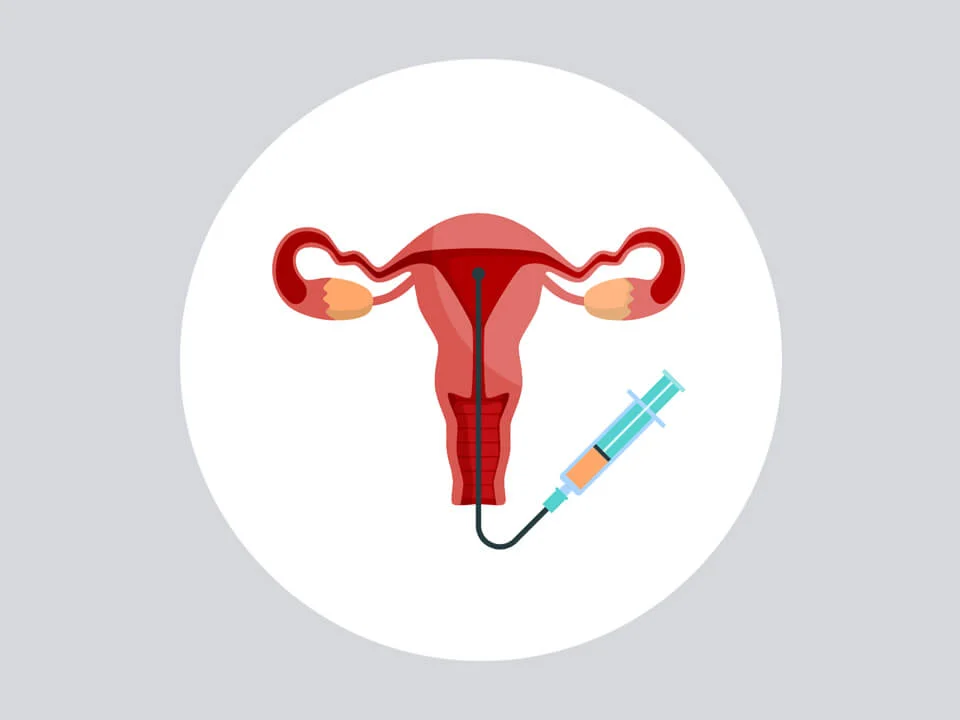
    Illustration of a uterus with a syringe, representing intrauterine insemination (IUI) procedure.

    Navigating Male Factor Infertility: A Guide to Treatment Options

    4. Assisted Reproductive Technologies (ART)

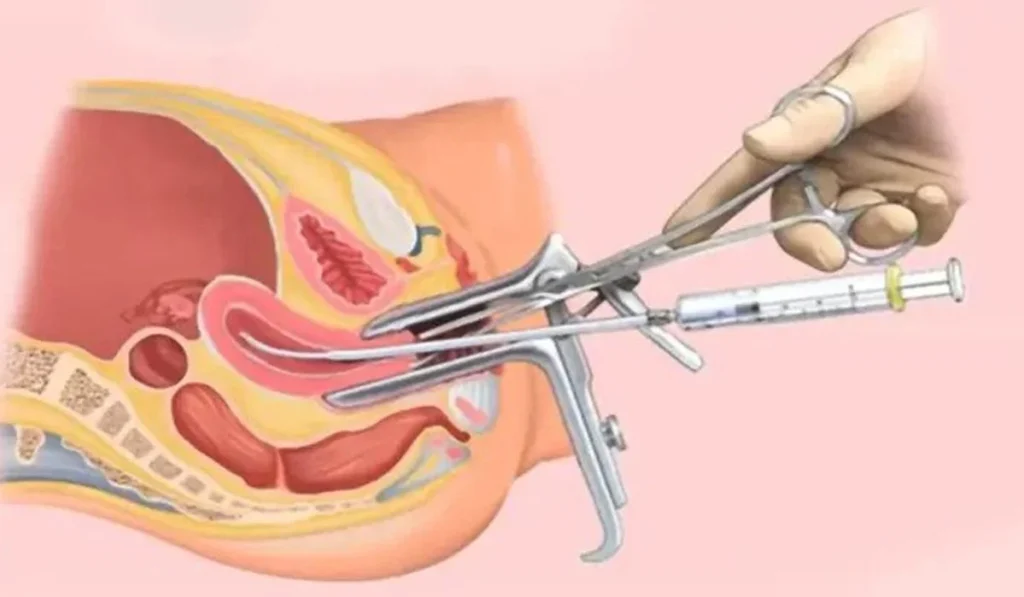
    In cases where male factor infertility cannot be treated with lifestyle changes or medications, assisted reproductive technologies (ART) may be recommended. These procedures can help increase the chances of pregnancy by bypassing any fertility issues. The most common ART procedures for male factor infertility include intrauterine insemination (IUI) and in vitro fertilization (IVF).

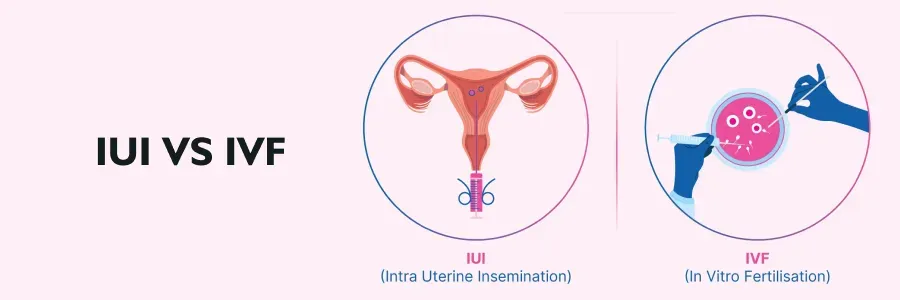
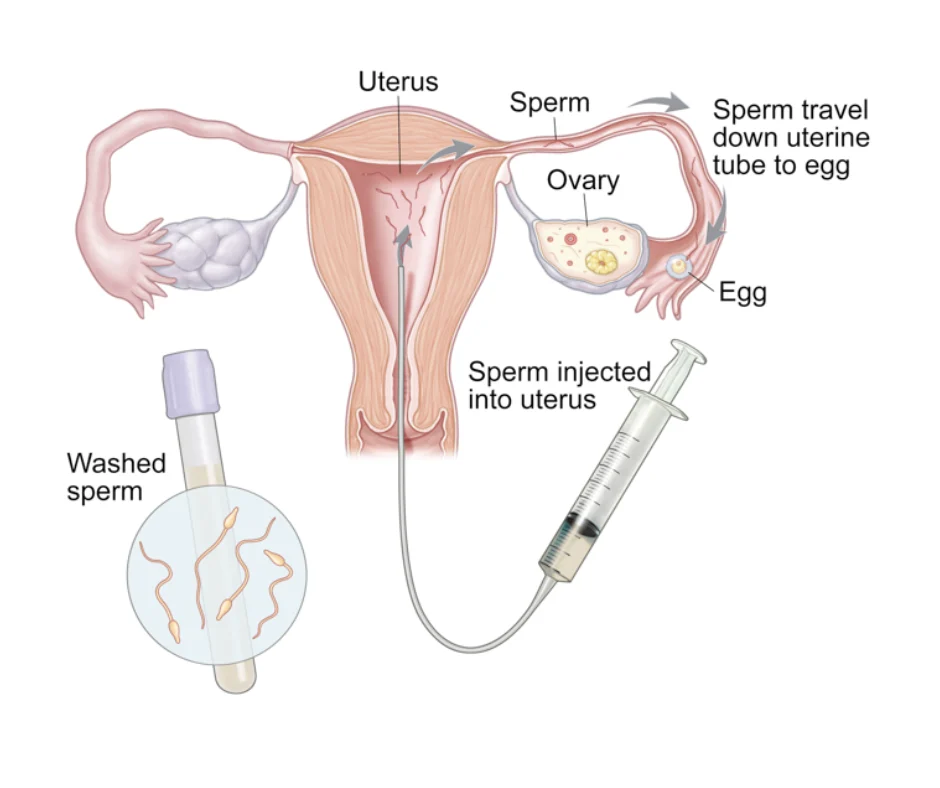
    IUI involves placing washed sperm directly into the woman’s uterus during ovulation, while IVF involves retrieving eggs from the female partner and fertilizing them with sperm in a laboratory before transferring the embryos into the uterus. Both procedures have high success rates and can be tailored to meet the specific needs of each couple.

    5. Surgical Interventions

    In some cases, male factor infertility can be treated through surgical interventions. This can include procedures such as varicocele repair, vasectomy reversal, or sperm retrieval. Varicocele repair involves repairing enlarged veins in the scrotum that can affect sperm production. Vasectomy reversal is a procedure to reconnect the male reproductive tract after a previous vasectomy. Sperm retrieval involves obtaining sperm directly from the testicles or epididymis for use in ART procedures.

    6. Donor Sperm

    In cases where there is a total absence of sperm or extremely low sperm count, donor sperm may be an option. This involves using sperm from a donor to fertilize the female partner’s eggs through IUI or IVF. The use of donor sperm is a highly successful option for couples struggling with male factor infertility.

    Navigating male factor infertility can be a challenging and emotional journey for couples. It is important to seek support and guidance from a fertility specialist who can provide accurate diagnosis and personalized treatment options. With the advancements in medical technology, there are many treatment options available to help couples achieve their dream of starting a family.

    In summary, male factor infertility is a common issue that can affect a couple’s ability to conceive. It can be caused by various factors and can be treated through lifestyle changes, medications, ART procedures, surgical interventions, or the use of donor sperm. Seeking the help of a fertility specialist is crucial in navigating the treatment options and increasing the chances of a successful pregnancy.
  • Fertility Medications vs Surgery: A Comparison of Side Effects and Risks

    Blog Post Title: Fertility Medications vs Surgery: A Comparison of Side Effects and Risks

    Introduction:
    Fertility issues can be a source of stress and frustration for many couples trying to conceive. Fortunately, there are various treatment options available, including fertility medications and surgery. These methods are designed to help regulate hormones, improve ovulation, and increase the chances of pregnancy. However, both options come with their own set of side effects and risks. In this blog post, we will take a closer look at fertility medications and surgery, comparing the potential side effects and risks associated with each.

    Fertility Medications:
    Fertility medications are drugs that are used to help stimulate ovulation and increase the chances of getting pregnant. They work by regulating hormones and stimulating the ovaries to produce and release eggs. Some common fertility medications include Clomid, Letrozole, and Gonadotropins.

    Side Effects:
    While fertility medications can be effective in helping couples conceive, they also come with potential side effects. Some of the most common side effects include hot flashes, mood swings, headaches, and bloating. These side effects are usually mild and temporary, but they can still cause discomfort and affect daily activities. In some cases, fertility medications can also increase the risk of developing ovarian hyperstimulation syndrome (OHSS), a condition where the ovaries become swollen and painful.

    Risks:
    Aside from side effects, fertility medications also come with potential risks. One of the main concerns is the increased risk of multiple pregnancies. This is because fertility drugs can stimulate the ovaries to release more than one egg, increasing the chances of conceiving twins, triplets, or even more. Multiple pregnancies come with a higher risk of complications, such as premature birth and low birth weight. Fertility medications can also increase the risk of ectopic pregnancy, where the fertilized egg implants outside of the uterus.

    Surgery:
    In some cases, fertility issues may require surgery to correct underlying problems. This can include procedures such as laparoscopy, hysteroscopy, or tubal ligation reversal. These surgeries are designed to address issues such as blocked fallopian tubes, endometriosis, or uterine abnormalities.

    success rate of IUI in India with a graphic of a uterus and syringe alongside a rising graph

    Fertility Medications vs Surgery: A Comparison of Side Effects and Risks

    Side Effects:
    Similar to fertility medications, surgery also comes with potential side effects. These can include pain, bleeding, infection, and scarring. The severity of these side effects can vary depending on the type of surgery and individual factors. For example, laparoscopy is a minimally invasive procedure, which means it has a lower risk of side effects compared to more invasive surgeries.

    Risks:
    Surgery also carries the risk of complications, such as damage to surrounding organs or tissues. In rare cases, surgery can also lead to fertility problems, such as scarring or damage to the fallopian tubes. Additionally, surgery may not always be successful in addressing fertility issues, requiring further procedures or treatments.

    Comparison:
    When it comes to comparing fertility medications and surgery, there are several factors to consider. Both options come with potential side effects and risks, but the severity and likelihood of these vary. Fertility medications have a higher risk of multiple pregnancies, while surgery carries a higher risk of complications and may not always be successful.

    Another aspect to consider is the cost. Fertility medications are generally less expensive compared to surgery, which can be a significant factor for those with limited financial resources. However, in some cases, surgery may be the more cost-effective option in the long run, especially if fertility medications are not successful or multiple procedures are needed.

    It is also essential to consider personal preferences and medical history. Some individuals may prefer to try fertility medications first before considering surgery, while others may opt for surgery right away. Additionally, certain medical conditions may make one option more suitable than the other.

    Conclusion:
    In the end, the decision between fertility medications and surgery comes down to individual circumstances and preferences. Both options have their own set of side effects and risks, and it is essential to weigh them carefully before making a decision. Consulting with a trusted healthcare provider can also help in determining the best course of action for each individual’s unique situation.

    In summary, fertility medications and surgery are two treatment options available for couples struggling with fertility issues. While both can be effective in helping achieve pregnancy, they also come with their own set of side effects and risks. It is important to consider factors such as cost, personal preferences, and medical history when deciding between the two options. Consulting with a healthcare provider can also help in making an informed decision.

  • Fertility Medications vs Surgery: How to Make an Informed Decision

    Blog Post:

    When it comes to fertility issues, there are various treatment options available, including fertility medications and surgery. These two methods have been proven to be effective in helping couples conceive, but they have different approaches and outcomes. Choosing between fertility medications and surgery can be a daunting decision, and it is essential to make an informed choice. In this blog post, we will explore the differences between these two methods and provide some helpful tips on how to make the best decision for your fertility journey.

    Fertility Medications:

    Fertility medications are often the first line of treatment for couples struggling with infertility. These medications are designed to stimulate ovulation, regulate hormones, and improve the quality and quantity of eggs produced. They are available in different forms, including pills, injections, and nasal sprays, and are prescribed based on the underlying cause of infertility.

    One of the most commonly prescribed fertility medications is Clomiphene citrate (Clomid), which stimulates the release of hormones that trigger ovulation. Other medications, such as Gonadotropins and Metformin, are also used to stimulate ovulation and regulate insulin levels in women with polycystic ovary syndrome (PCOS).

    Pros of Fertility Medications:

    1. Non-invasive: Fertility medications are taken orally or through injections, making them less invasive compared to surgery.

    2. Cost-effective: Medications are generally more affordable than surgery, making them a more accessible option for many couples.

    3. Fewer side effects: While fertility medications may cause some side effects, they are usually mild and easily manageable.

    4. Can be used for a longer duration: Fertility medications can be used for several cycles, giving couples more chances to conceive without undergoing surgery.

    Cons of Fertility Medications:

    1. Limited success rates: Fertility medications may not work for everyone, and success rates vary depending on the underlying cause of infertility.

    2. Multiple pregnancies: Some fertility medications may increase the chances of conceiving multiples, such as twins or triplets, which can lead to a high-risk pregnancy.

    3. Ovarian hyperstimulation syndrome (OHSS): In some cases, fertility medications can overstimulate the ovaries, leading to OHSS, a potentially serious condition that can cause bloating, abdominal pain, and shortness of breath.

    Surgery:

    diagram illustrating intrauterine insemination process, showing sperm injection into the uterus and egg fertilization pathway

    Fertility Medications vs Surgery: How to Make an Informed Decision

    Surgery is another treatment option for couples struggling with fertility issues. The most common surgical procedures for fertility include laparoscopy and hysteroscopy. Laparoscopy is a minimally invasive procedure that involves making small incisions in the abdomen to examine and treat underlying issues such as endometriosis, fibroids, and blocked fallopian tubes. Hysteroscopy, on the other hand, is a procedure that involves inserting a thin, lighted tube through the cervix to examine and treat abnormalities in the uterine cavity.

    Pros of Surgery:

    1. Higher success rates: Surgery can effectively treat underlying issues that may be causing infertility, leading to higher success rates compared to fertility medications.

    2. Can treat structural problems: Surgery can address structural problems such as blocked fallopian tubes, which cannot be treated with fertility medications.

    3. Single procedure: Unlike fertility medications, which may require multiple cycles, surgery is a one-time procedure.

    Cons of Surgery:

    1. Invasive: Surgery is a more invasive option compared to fertility medications, which may require a longer recovery time.

    2. Higher costs: Surgical procedures can be expensive, and they may not be covered by insurance, making them less accessible to some couples.

    3. Potential risks: As with any surgery, there are potential risks involved, such as bleeding, infection, and damage to surrounding organs.

    How to Make an Informed Decision:

    1. Understand the cause of your infertility: Before making a decision, it is essential to understand the root cause of your infertility. This will help you determine which treatment option is best for you.

    2. Discuss with your doctor: Your doctor can provide you with more information about the risks and benefits of both fertility medications and surgery based on your specific case.

    3. Consider your age and overall health: Your age and overall health are important factors to consider when deciding between fertility medications and surgery. Older women may have a lower success rate with fertility medications, while women with certain health conditions may not be suitable candidates for surgery.

    4. Discuss the costs: Fertility treatments can be expensive, and it is crucial to consider the costs involved and whether they are covered by insurance.

    5. Be open to alternative treatments: In some cases, alternative treatments, such as acupuncture or lifestyle changes, may be beneficial in conjunction with fertility medications or surgery.

    In summary, both fertility medications and surgery are viable options for couples struggling with infertility. Fertility medications may be a good first step, as they are non-invasive, cost-effective, and have fewer risks. However, if the underlying cause of infertility is structural, surgery may be a more effective option. Ultimately, it is essential to consult with your doctor and consider all factors before making a decision.

  • The Success Rates of Fertility Medications vs Surgical Procedures

    Blog Post Title: The Success Rates of Fertility Medications vs Surgical Procedures

    Introduction:
    For couples struggling with infertility, there are a variety of treatment options available. Two common methods are fertility medications and surgical procedures. Both have their own benefits and risks, but the ultimate question is which one has a higher success rate? In this blog post, we will compare the success rates of fertility medications and surgical procedures, giving you a better understanding of which option may be best for you.

    Fertility Medications:
    Fertility medications, also known as ovulation induction drugs, are often the first line of treatment for couples trying to conceive. These medications work by stimulating the ovaries to produce more eggs, increasing the chances of fertilization.

    Success Rates:
    The success rates of fertility medications vary depending on the type of medication used and the age of the woman. Generally, success rates range from 20-60% per cycle. This means that for every 100 women undergoing treatment, 20-60 will become pregnant in a single cycle.

    Factors Affecting Success Rates:
    There are several factors that can affect the success rates of fertility medications. These include the type of infertility, the age of the woman, and the overall health of both partners. Women with ovulation disorders, such as polycystic ovary syndrome (PCOS), have a higher success rate with fertility medications compared to those with blocked fallopian tubes or other structural issues.

    Advantages of Fertility Medications:
    One of the main advantages of fertility medications is that they are less invasive and less expensive compared to surgical procedures. They can also be done at home, which is more convenient for couples. Fertility medications also have a lower risk of complications and side effects.

    Disadvantages of Fertility Medications:
    While fertility medications have a relatively high success rate, they also have a higher risk of multiple pregnancies, which can lead to complications for both the mother and the babies. These medications also have a higher risk of ovarian hyperstimulation syndrome (OHSS), a condition where the ovaries become swollen and painful.

    illustration of an intrauterine insemination procedure with medical instruments and anatomical details

    The Success Rates of Fertility Medications vs Surgical Procedures

    Surgical Procedures:
    Surgical procedures are typically recommended for couples with structural issues, such as blocked fallopian tubes or endometriosis. These procedures aim to correct the underlying problem and improve the chances of natural conception.

    Success Rates:
    The success rates of surgical procedures for infertility vary depending on the type of procedure. For example, the success rate for tubal surgery (to correct blocked fallopian tubes) is around 50%, while success rates for endometriosis surgery can range from 30-80%. However, these success rates also depend on the age and overall health of the woman.

    Factors Affecting Success Rates:
    As with fertility medications, there are several factors that can affect the success rates of surgical procedures. These include the type of procedure, the cause of infertility, and the age of the woman. Women over the age of 35 generally have a lower success rate with surgical procedures compared to younger women.

    Advantages of Surgical Procedures:
    The main advantage of surgical procedures is that they can correct underlying issues and increase the chances of natural conception. They are also a one-time procedure, so there is no need for repeated cycles like with fertility medications. In some cases, surgical procedures may also have a higher success rate compared to fertility medications.

    Disadvantages of Surgical Procedures:
    One of the main disadvantages of surgical procedures is that they are more invasive and carry a higher risk of complications, such as infection or damage to surrounding organs. They are also more expensive compared to fertility medications and may require a longer recovery time.

    Which Option is Right for You?
    There is no one-size-fits-all solution when it comes to treating infertility. The best option for you will depend on several factors, including the cause of your infertility, your age, and your overall health. It is important to consult with your doctor and discuss the pros and cons of each treatment option before making a decision.

    Summary:
    When it comes to treating infertility, there are two main options: fertility medications and surgical procedures. Fertility medications have a success rate of 20-60% per cycle and are less invasive and less expensive compared to surgical procedures. However, they also carry a higher risk of multiple pregnancies and OHSS. Surgical procedures have success rates ranging from 30-80%, but they are more invasive and carry a higher risk of complications. The best option for you will depend on your individual circumstances and should be discussed with your doctor.

  • Intrauterine Insemination vs Sperm Washing: A Personal Journey

    Summary:

    Intrauterine insemination (IUI) and sperm washing are two common fertility treatments used to help couples struggling with infertility. Both procedures involve placing sperm directly into the uterus, but they differ in the way the sperm is prepared and the success rates. In this blog post, we will explore the personal journey of a couple who underwent both IUI and sperm washing, and their experiences and outcomes with each procedure.

    The couple, Sarah and David, had been trying to conceive for over two years before seeking fertility treatments. After many unsuccessful attempts at natural conception, they decided to consult a fertility specialist. The doctor recommended trying IUI as a first step, as it is a less invasive and less expensive option compared to other fertility treatments.

    Sarah and David underwent three cycles of IUI, which involved the insertion of washed sperm directly into Sarah’s uterus during her ovulation period. While the procedure itself was relatively quick and painless, the success rates for IUI were not as high as they had hoped. After three unsuccessful attempts, they were feeling disheartened and decided to explore other options.

    Upon further research, the couple discovered sperm washing, a procedure where the sperm is separated from the semen and prepared for insemination. This process removes any potential contaminants and increases the concentration of healthy sperm. The washed sperm is then placed directly into the uterus, similar to IUI.

    illustration of an intrauterine insemination procedure with medical instruments and anatomical details

    Intrauterine Insemination vs Sperm Washing: A Personal Journey

    Sarah and David were initially hesitant about sperm washing, as it is a more invasive and expensive procedure compared to IUI. However, they were willing to try anything to increase their chances of conceiving. To their surprise, their first cycle of sperm washing was successful, and Sarah became pregnant.

    The couple credits the success of sperm washing to its ability to eliminate any potential contaminants, such as bacteria or viruses, from the sperm sample. This reduces the risk of infection and increases the chances of a healthy sperm fertilizing the egg.

    Another advantage of sperm washing is that it allows for the use of frozen sperm. This was crucial for Sarah and David, as David had to travel for work frequently, and they were not always able to do the sperm sample on the day of the procedure. With sperm washing, they were able to freeze the sample and use it when needed, increasing their chances of conception.

    After their successful pregnancy, Sarah and David welcomed a healthy baby boy into their family. They credit sperm washing for their positive outcome and highly recommend it to other couples struggling with infertility.

    In conclusion, both IUI and sperm washing are viable fertility treatment options, but they differ in terms of success rates and procedures. While IUI may be a suitable first step for some couples, others may find more success with sperm washing. It is essential to consult with a fertility specialist and consider individual factors, such as sperm quality and any potential contaminants, before deciding on a treatment plan.

  • The Role of Male Partners in Infertility Treatments

    Blog Post:

    Infertility is a common issue that affects many couples around the world. In fact, according to the World Health Organization, infertility affects about 10% of couples worldwide. While there are many factors that can contribute to infertility, it is not solely a female problem. In fact, male partners play a crucial role in the fertility journey.

    When a couple is struggling to conceive, it is important for both partners to seek medical help and support. In this blog post, we will discuss the role of male partners in infertility treatments and how they can support their female partners through this difficult journey.

    Understanding Male Infertility:

    Before we dive into the role of male partners in infertility treatments, it is important to understand male infertility. Male infertility is defined as the inability to impregnate a female partner after one year of regular unprotected intercourse. This can be caused by various factors such as low sperm count, poor sperm motility, and abnormal sperm morphology. It can also be caused by medical conditions such as hormonal imbalances, genetic disorders, and anatomical issues.

    Role of Male Partners in Infertility Treatments:

    1. Getting Tested:

    The first step in any fertility journey is getting tested. Both partners should undergo fertility tests to determine the cause of infertility. In many cases, male partners may be hesitant to get tested, but it is important for them to understand that infertility is not solely a female issue. By getting tested, male partners can help identify any potential issues and work towards finding a solution.

    2. Emotional Support:

    Infertility can be a very emotional and challenging journey for couples. In many cases, women bear the burden of fertility treatments and it can take a toll on their emotional well-being. This is where male partners can play a crucial role in providing emotional support and being a source of strength for their female partners. It is important for male partners to communicate openly and empathize with their partners, as this can make a huge difference in their overall well-being.

    3. Lifestyle Changes:

    Illustration of the IUI process, showing a syringe and catheter in the reproductive system.

    The Role of Male Partners in Infertility Treatments

    Male partners can also play a significant role in improving their fertility by making simple lifestyle changes. This includes quitting smoking, reducing alcohol consumption, and maintaining a healthy weight. These lifestyle changes can not only improve the chances of conception but also contribute to overall better health.

    4. Accompanying Partner to Appointments:

    Infertility treatments often involve various appointments and procedures that can be overwhelming for women. Male partners can offer their support by accompanying their partners to these appointments. This shows that they are invested in the journey and can provide emotional support during these procedures.

    5. Understanding Treatment Options:

    Male partners should take the time to understand the various treatment options available for infertility. This can help them make informed decisions and provide valuable input during the decision-making process. It is important for both partners to be involved in the treatment process and work together as a team.

    6. Providing Financial Support:

    Infertility treatments can be expensive, and the financial burden can add stress to an already difficult situation. Male partners can help ease this burden by providing financial support and working together to find ways to cover the costs of treatments.

    7. Being Patient and Understanding:

    Infertility treatments can be a long and challenging process. Male partners should be patient and understanding, as it can take a toll on their female partners both physically and emotionally. It is important to remember that the ultimate goal is to start a family and to support each other throughout the journey.

    Summarize:

    Infertility is a common issue that affects many couples, and male partners play a crucial role in the fertility journey. They can provide emotional support, accompany their partners to appointments, make lifestyle changes, understand treatment options, and provide financial support. It is important for male partners to be involved in the process and to be patient and understanding throughout the journey.

  • Male vs Female: The Gender Gap in Infertility Treatments

    Male vs Female: The Gender Gap in Infertility Treatments

    Infertility is a common issue affecting many couples, with approximately 1 in 8 couples struggling to conceive. While infertility can affect both men and women, there is a significant gender gap in the treatment options available. In this blog post, we will explore the reasons behind this gender gap and the impact it has on couples trying to overcome infertility.

    The Biological Differences
    The first and most obvious reason for the gender gap in infertility treatments is the biological differences between men and women. In most cases, infertility is caused by issues with the reproductive system, which is different for men and women. Women have a finite number of eggs and a limited window of fertility, while men continuously produce sperm throughout their lives. This difference in biology means that women have a shorter window of opportunity for conception and may require more invasive and time-sensitive treatments.

    Societal Stigma and Pressure
    Another factor contributing to the gender gap in infertility treatments is the societal stigma and pressure placed on women to bear children. From a young age, girls are taught that their ultimate role in life is to become mothers. Therefore, when a woman struggles with infertility, she may feel like she is failing at her most essential purpose. This societal pressure can lead to women feeling ashamed and isolated, making it challenging to seek help and treatment.

    On the other hand, there is less social pressure on men to father children, and infertility is often not seen as a personal failure for them. This societal double standard can lead to men being less likely to seek treatment for their infertility issues, further widening the gender gap in treatment options.

    Diagnostic Bias
    In many cases, infertility is seen as a “woman’s problem,” and as a result, men are often overlooked in the diagnostic process. This bias can lead to men not receiving proper testing and treatment, even though male infertility contributes to about 40% of all cases. This lack of attention towards male infertility can lead to delays in treatment or ineffective treatments, further widening the gender gap.

    Comparison of IUI and IVF with illustrations of each procedure.

    Male vs Female: The Gender Gap in Infertility Treatments

    Limited Treatment Options for Men
    When it comes to infertility treatments, women have a wide range of options, including fertility drugs, intrauterine insemination (IUI), and in vitro fertilization (IVF). However, the treatment options for men are limited, with the most common being intrauterine insemination using donor sperm. This limited range of treatments for men can be frustrating and discouraging for couples, as it puts the burden of treatment solely on the female partner.

    Financial Burden
    Infertility treatments can be expensive, and the financial burden often falls on the couple seeking treatment. However, in most cases, the cost of treatment is higher for women than for men. For example, IVF, one of the most common and effective treatments for infertility, can cost upwards of $12,000 for a single cycle. This high cost can be a significant barrier for many couples, especially for those with limited financial resources, further widening the gender gap in treatment options.

    Addressing the Gender Gap in Infertility Treatments
    The gender gap in infertility treatments is a complex issue with no easy solutions. However, there are steps that can be taken to address this gap and provide equal treatment options for both men and women. First and foremost, there needs to be increased awareness and education about male infertility. This includes removing the stigma and shame associated with it and encouraging men to seek treatment.

    Additionally, healthcare professionals need to be trained to recognize and address diagnostic bias, ensuring that both partners receive proper testing and treatment. There also needs to be more research and development into male infertility treatments, providing men with more options and increasing their chances of success.

    Conclusion
    Infertility is a challenging and emotional journey for any couple, and the gender gap in treatment options only adds to the stress and frustration. It is essential to recognize and address the factors contributing to this gap, and take steps towards providing equal and effective treatment options for both men and women. By breaking down societal stereotypes and biases and increasing awareness and research, we can bridge the gender gap in infertility treatments and help more couples achieve their dream of starting a family.

    Summary:
    Infertility is a common issue affecting many couples, but there is a significant gender gap in the treatment options available. This gap is due to biological differences, societal stigma and pressure, diagnostic bias, limited treatment options for men, and the financial burden falling mostly on women. To address this gap, there needs to be increased awareness and education about male infertility, training for healthcare professionals, and more research into male infertility treatments. By breaking down stereotypes and increasing awareness, we can bridge the gender gap in infertility treatments and help more couples achieve their dream of starting a family.

  • When to Seek Help: Understanding the Signs of Infertility and Treatment Options

    Summary:

    Infertility is a common issue that affects many couples and can cause a great deal of emotional distress. It is important for individuals and couples to be aware of the signs of infertility and to seek help when needed. In this blog post, we will discuss the various signs of infertility, potential causes, and treatment options available.

    Signs of Infertility:

    The most common sign of infertility is the inability to conceive after trying for a year or more. Other signs may include irregular menstrual cycles, abnormal bleeding, or hormonal imbalances. However, it is important to keep in mind that some individuals may not experience any noticeable signs of infertility, making it crucial to consult with a doctor if you have concerns.

    Causes of Infertility:

    Infertility can be caused by a variety of factors, including age, hormonal imbalances, underlying medical conditions, and lifestyle factors. Women over the age of 35 may experience a decline in fertility due to a decrease in the number and quality of eggs. Hormonal imbalances, such as polycystic ovary syndrome (PCOS), can also affect fertility. Underlying medical conditions, such as endometriosis, can also contribute to infertility. Lifestyle factors such as smoking, excessive alcohol consumption, and obesity can also impact fertility.

    Seeking Help:

    If you have been trying to conceive for a year or more without success, it is important to consult with a fertility specialist. They will run various tests to determine the underlying cause of infertility and develop a treatment plan.

    Comparison chart of IUI and IVF treatments, detailing medications, monitoring, procedures, and success rates.

    When to Seek Help: Understanding the Signs of Infertility and Treatment Options

    Treatment Options:

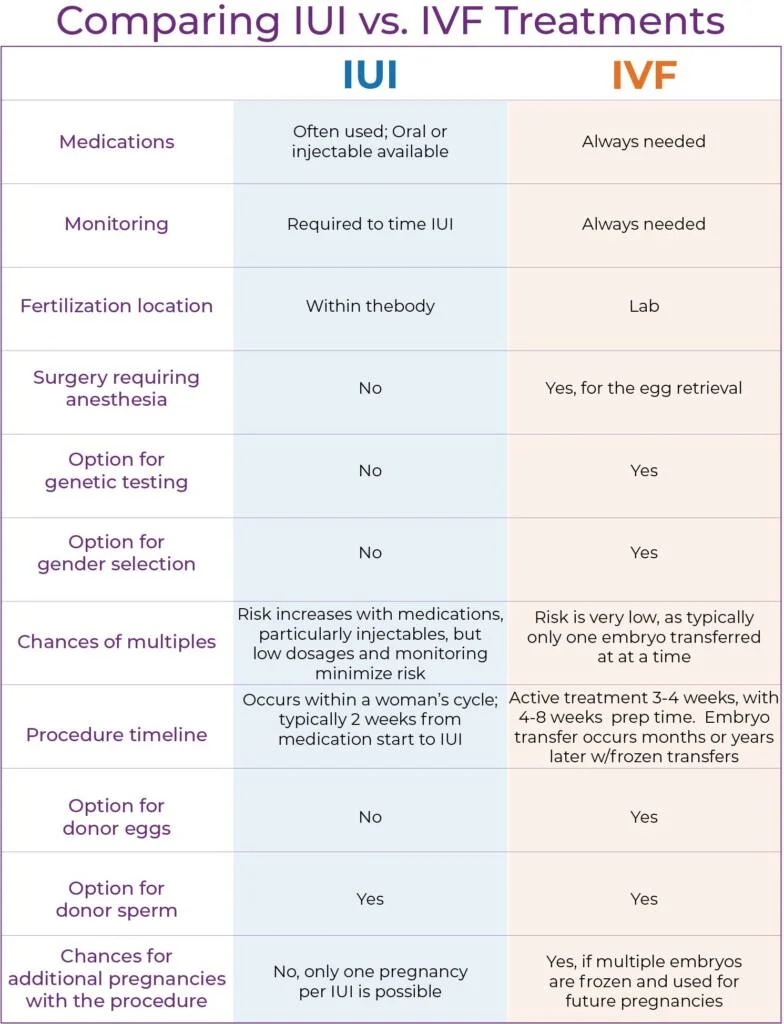
    The treatment for infertility will depend on the underlying cause. In vitro fertilization (IVF) is a common treatment option that involves retrieving eggs from the ovaries and fertilizing them with sperm in a laboratory. Other options include intrauterine insemination (IUI), which involves placing sperm directly into the uterus, and fertility medications to stimulate ovulation.

    Alternative Therapies:

    In addition to medical treatments, there are also alternative therapies that may help with infertility. Acupuncture, for example, has been shown to improve fertility by reducing stress and promoting blood flow to the reproductive organs. Yoga and meditation can also be beneficial in reducing stress and promoting overall well-being.

    Support and Coping Strategies:

    Dealing with infertility can be emotionally and mentally challenging. It is important to seek support from loved ones, join support groups, or seek therapy to cope with the stress and emotions that come with infertility. It is also important to take care of your physical and mental health by engaging in self-care activities and finding healthy ways to cope with stress.

    Conclusion:

    Infertility can be a difficult and emotional journey for individuals and couples. It is important to be aware of the signs of infertility and to seek help when needed. With advancements in medical technology and various treatment options available, there is hope for those struggling with infertility. Remember to take care of yourself and seek support during this challenging time.