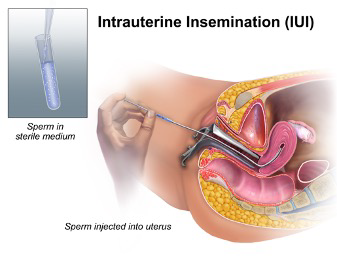
Tag: Timing

  • The Role of Timing: Intrauterine Insemination vs Intracervical Insemination

    The Role of Timing: Intrauterine Insemination vs Intracervical Insemination

    Timing is a crucial factor in achieving a successful pregnancy, and this is especially true when it comes to assisted reproductive techniques such as intrauterine insemination (IUI) and intracervical insemination (ICI). Both of these procedures involve the introduction of sperm into the woman’s reproductive tract, but they differ in terms of the timing and location of the insemination. In this blog post, we will explore the role of timing in IUI and ICI, and discuss which procedure may be the best option for couples trying to conceive.

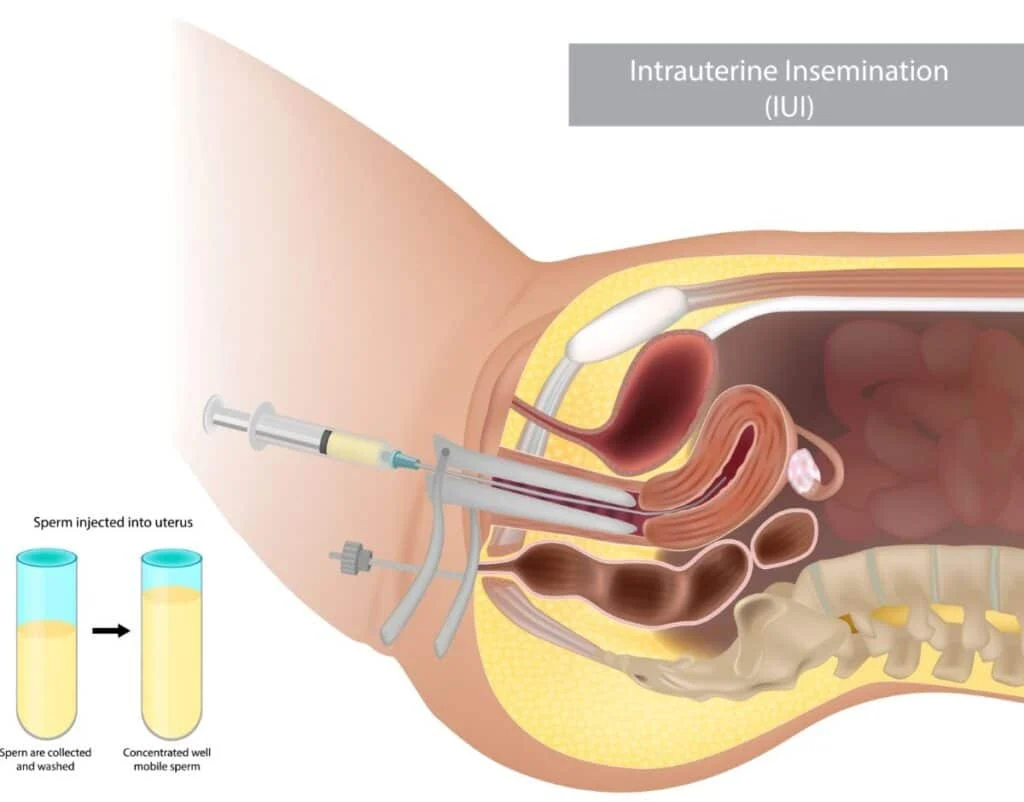
    Intrauterine Insemination (IUI) is a commonly used fertility treatment where sperm is placed directly inside the woman’s uterus. This procedure is often recommended for couples who have been trying to conceive for a year or longer without success, or for those with certain fertility issues such as low sperm count or motility. The timing of IUI is crucial, as it needs to be performed during the woman’s fertile window, which is typically the day of ovulation or a day before. This is because the sperm needs to be present in the fallopian tubes at the same time as the released egg in order to increase the chances of fertilization.

    Timing is also important in terms of preparing the woman’s body for IUI. This may involve taking ovulation-inducing medications or using ovulation predictor kits to determine the most optimal time for the procedure. Additionally, the female partner may also be monitored closely through ultrasound and blood tests to track the growth of follicles and hormone levels, which can help determine the best time for IUI.

    On the other hand, Intracervical Insemination (ICI) involves placing the sperm directly into the cervix, rather than the uterus. This procedure is typically performed at home by the couple themselves, and does not require medical intervention or monitoring. However, timing is still an important factor in the success of ICI. The sperm needs to be introduced into the cervix at the right time in order to coincide with ovulation and increase the chances of fertilization. This can be determined by using ovulation predictor kits or tracking the woman’s basal body temperature.
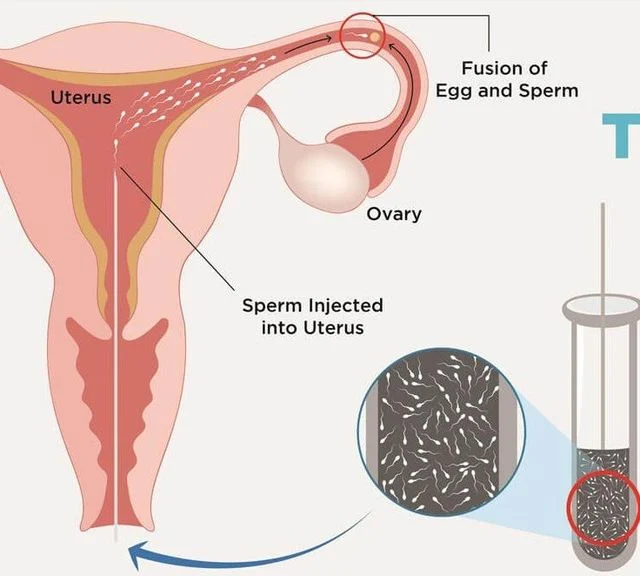
    Diagram illustrating the IUI process, showing sperm injection into the uterus and egg fertilization.

    The Role of Timing: Intrauterine Insemination vs Intracervical Insemination

    One of the main differences between IUI and ICI is the location of the sperm placement. IUI involves placing the sperm directly into the uterus, which is a more efficient route for the sperm to reach the fallopian tubes and increase the chances of fertilization. On the other hand, ICI involves placing the sperm in the cervix, which is a longer and more difficult journey for the sperm to reach the egg. This is why timing is crucial in ICI, as the sperm needs to be present in the cervix at the exact time of ovulation in order to have the best chance of reaching the egg.

    Another important aspect to consider is the quality of the sperm being used in both procedures. In IUI, the sperm is typically washed and prepared in a lab, which helps to remove any dead or abnormal sperm, and concentrates the healthy sperm. This improves the chances of fertilization and reduces the risk of complications. In ICI, the sperm is not washed or prepared, which means that the quality of the sperm used is not as controlled as in IUI. This can decrease the chances of fertilization and increase the risk of using unhealthy or non-viable sperm.

    In conclusion, timing plays a crucial role in the success of both intrauterine insemination (IUI) and intracervical insemination (ICI). While IUI may be a more effective and controlled procedure, it requires close monitoring and medical intervention in terms of timing and preparation. ICI, on the other hand, can be performed at home but may have a lower success rate due to the longer journey of the sperm and the lack of sperm preparation.

    Ultimately, the decision between IUI and ICI will depend on various factors, such as the couple’s specific fertility issues, their personal preferences, and the recommendations of their fertility specialist. It is important to consult with a healthcare professional to determine the best option for your unique situation.

    In summary, the success of IUI and ICI depends heavily on the timing of the procedures and the quality of the sperm used. While IUI may be a more controlled and effective option, ICI can be a more convenient and affordable choice for some couples. Understanding the role of timing in these procedures can help couples make informed decisions and increase their chances of achieving a successful pregnancy.
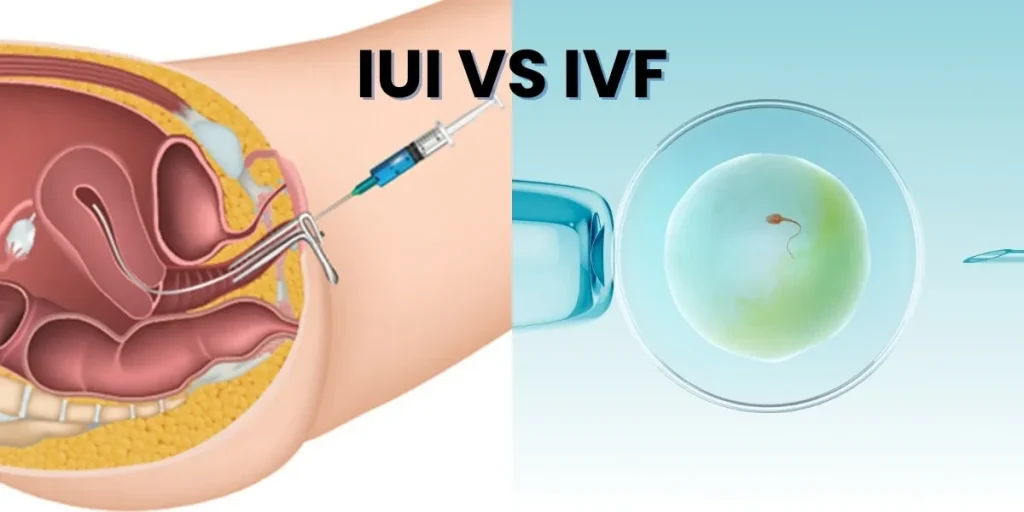
  • Maximizing Your Chances: Intrauterine Insemination vs Intracervical Insemination

    Maximizing Your Chances: Intrauterine Insemination vs Intracervical Insemination

    Intrauterine insemination (IUI) and intracervical insemination (ICI) are two popular fertility treatments that can help couples increase their chances of conceiving. Both procedures involve the insertion of washed and prepared sperm into a woman’s reproductive system, but they differ in terms of the location where the sperm is placed. In this blog post, we will discuss the differences between IUI and ICI and how you can maximize your chances of getting pregnant with either of these methods.

    Understanding IUI and ICI

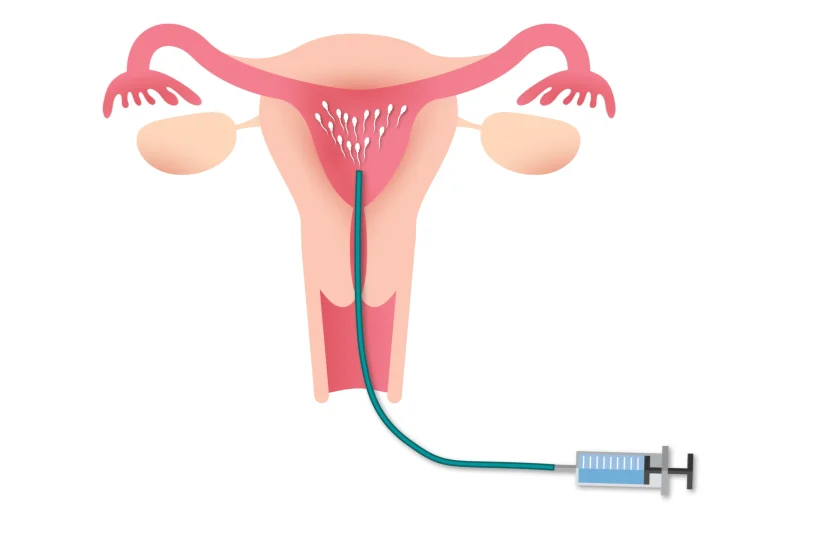
    IUI is a fertility treatment that involves placing washed and prepared sperm directly into the uterus using a thin catheter. This procedure is usually done in a medical office or fertility clinic and is typically timed with a woman’s ovulation cycle. On the other hand, ICI is a less invasive procedure where the washed sperm is placed in the cervix, allowing it to travel through the cervical mucus and into the uterus. ICI can be done at home with the use of a special insemination kit.

    Factors to Consider Before Choosing a Fertility Treatment

    Before deciding between IUI and ICI, it is essential to consider certain factors, such as your fertility history, age, and overall health. IUI is often recommended for couples who have been trying to conceive for a while, have a history of unexplained infertility, or have issues with sperm quality or quantity. It is also a more suitable option for women with blocked fallopian tubes or ovulatory disorders. ICI, on the other hand, is typically recommended for couples with mild fertility issues or for women who prefer a more natural and less invasive method.

    Effectiveness of IUI and ICI

    comparison of IUI and IVF fertility treatments with illustrations of procedures and a petri dish with an egg and sperm

    Maximizing Your Chances: Intrauterine Insemination vs Intracervical Insemination

    Both IUI and ICI have shown promising results in helping couples conceive. According to the American Society for Reproductive Medicine, the success rate for IUI is between 10-20% per cycle, while the success rate for ICI is around 10% per cycle. However, the success rates can vary depending on various factors, such as age, overall health, and the underlying cause of infertility. It is essential to discuss your chances of success with your doctor before deciding on a treatment.

    Tips for Maximizing Your Chances of Conceiving with IUI and ICI

    1. Timing is crucial: Both IUI and ICI should be timed with ovulation to increase the chances of pregnancy. Your doctor may recommend tracking your ovulation using ovulation predictor kits or monitoring your basal body temperature to pinpoint the best time for the procedure.

    2. Follow your doctor’s instructions: It is essential to follow your doctor’s instructions carefully when undergoing IUI or ICI. This may include avoiding certain medications or activities that can interfere with the procedure’s success.

    3. Maintain a healthy lifestyle: Eating a balanced diet, exercising regularly, and avoiding harmful substances like alcohol and tobacco can improve your chances of getting pregnant. It is also crucial to maintain a healthy weight as being overweight or underweight can affect fertility.

    4. Consider using fertility medications: Your doctor may recommend using fertility medications, such as Clomid or Letrozole, to stimulate ovulation and increase the chances of pregnancy. These medications can be used in combination with IUI or ICI to maximize the chances of conceiving.

    5. Be patient: It is essential to keep in mind that fertility treatments may take time, and it is normal to not get pregnant after the first cycle. It is crucial to stay positive and continue with the treatment plan recommended by your doctor.

    In summary, both IUI and ICI can be effective fertility treatments for couples struggling to conceive. However, it is essential to consider your individual circumstances and consult with your doctor before deciding on a treatment. By following the tips mentioned above and staying patient and positive, you can maximize your chances of getting pregnant with either IUI or ICI.

  • The Importance of Patience: At-Home vs Clinic Intrauterine Insemination

    Blog Post: The Importance of Patience: At-Home vs Clinic Intrauterine Insemination

    Intrauterine insemination (IUI) is a popular fertility treatment option for couples who are struggling to conceive. It involves placing sperm directly into a woman’s uterus, increasing the chances of fertilization. While many people opt for in-clinic IUI, there is also the option of at-home insemination. Both methods have their own benefits and drawbacks, but one aspect that is crucial for success in either option is patience.

    Patience is often overlooked when it comes to fertility treatments, but it plays a significant role in the success of IUI. In this blog post, we will discuss the importance of patience in both at-home and clinic intrauterine insemination.

    At-Home Insemination: A Test of Patience

    At-home insemination involves collecting sperm from a partner or a sperm donor and using a syringe or a device called a cervical cap to place it into the vagina or near the cervix. It can be a more convenient and private option for couples who do not want to go through the process of in-clinic IUI. However, it requires a great deal of patience and attention to detail.

    Timing is crucial in at-home insemination, as the sperm needs to be inseminated during the woman’s ovulation window for the best chances of fertilization. This requires tracking ovulation using tools such as ovulation predictor kits or fertility tracking apps. It can be a stressful and time-consuming process, as women may need to track their cycles for several months before successfully timing the insemination.

    Moreover, at-home insemination also requires patience in terms of the results. Unlike in-clinic IUI, where the sperm is directly placed into the uterus, at-home insemination relies on the sperm traveling through the cervix and into the uterus on its own. This process can take up to 6 hours, and the couple may not know if the insemination was successful until they take a pregnancy test two weeks later. This waiting period can be emotionally challenging, and it is crucial to remain patient and optimistic during this time.

    Clinic Intrauterine Insemination: A Test of Patience and Trust

    In-clinic IUI involves a series of steps, including monitoring the woman’s ovulation, preparing the sperm sample, and placing it directly into the uterus using a catheter. The process is more controlled and has a higher success rate compared to at-home insemination. However, it also requires a great deal of patience and trust in the medical team.

    Diagram illustrating intrauterine insemination (IUI) procedure with sperm injection into the uterus.

    The Importance of Patience: At-Home vs Clinic Intrauterine Insemination

    The timing of the sperm placement is crucial, and it needs to be done at the perfect time during the woman’s ovulation. This requires regular ultrasounds and blood tests to track the growth of the follicles and the levels of hormones in the body. This process can take several weeks, and it requires patience and trust in the medical team to make the right decisions at the right time.

    Moreover, the success of in-clinic IUI also relies on patience during the two-week wait for the pregnancy test. While the chances of success are higher compared to at-home insemination, there is still no guarantee of pregnancy. It is crucial to remain patient and trust the process, as the body needs time to adjust and implant the fertilized egg.

    The Importance of Patience in IUI

    Whether it is at-home or clinic insemination, patience is a crucial element for success. Insemination is not a one-time solution, and it often requires multiple attempts before achieving a pregnancy. It is essential to have realistic expectations and trust the process, no matter which option you choose.

    Patience is also crucial in maintaining a healthy mindset during the fertility journey. It can be an emotional rollercoaster, and it is normal to feel anxious, frustrated, and stressed. However, practicing patience and remaining optimistic can make the journey more bearable and increase the chances of success.

    Additionally, patience is also essential in the overall health and well-being of the couple. Fertility treatments can be physically and emotionally draining, and it is crucial to give the body time to rest and recover between attempts. Rushing the process and being impatient can lead to burnout and potential health issues.

    In conclusion, patience is a vital component in the success of both at-home and clinic intrauterine insemination. It requires patience in timing, results, and trust in the process. It is also essential for maintaining a healthy mindset and overall well-being. No matter which option you choose, remember to practice patience and trust the journey.

    Summary:

    Intrauterine insemination (IUI) is a popular fertility treatment option, with the choice of at-home or clinic insemination. Both methods require patience for success. At-home insemination requires patience in timing and waiting for results, while in-clinic IUI requires patience in trusting the medical team and the two-week wait. Patience is also crucial for maintaining a healthy mindset and overall well-being. It is a test of patience, but it can lead to a successful pregnancy.

  • Maximizing Results: Combining At-Home and Clinic Intrauterine Insemination

    Title: Maximizing Results: Combining At-Home and Clinic Intrauterine Insemination

    Intrauterine insemination (IUI) is a common fertility treatment option for couples struggling with infertility. It involves the placement of washed and prepared sperm directly into the uterus during the woman’s ovulation period. While traditionally done in a medical clinic, there is an increasing interest in performing IUI at home.

    At-home IUI involves the same process as clinic IUI, but it allows couples to have more control over the timing and comfort of the procedure. However, there are also potential risks and challenges associated with at-home IUI. In this blog post, we will discuss how combining at-home and clinic IUI can maximize results for couples trying to conceive.

    Benefits of At-Home IUI
    There are several reasons why couples may choose to do at-home IUI. Firstly, it offers a more relaxed and intimate environment for the procedure. For some couples, the clinical setting of a fertility clinic can be overwhelming and cause anxiety. By doing the procedure at home, couples can create a comfortable and familiar atmosphere, which can positively impact their chances of success.

    Secondly, at-home IUI allows for more flexibility in terms of timing. In a clinical setting, couples have to adhere to the clinic’s schedule, which may not align with the woman’s ovulation cycle. By doing the procedure at home, couples can time it more accurately, increasing the chances of successful conception.

    Challenges of At-Home IUI
    While at-home IUI offers many benefits, there are also potential challenges that couples need to consider. Firstly, there is a risk of contamination and infection if the procedure is not done correctly. The sperm must be handled and inserted in a sterile environment to avoid introducing bacteria into the uterus.

    illustration of a uterus with a syringe, representing intrauterine insemination procedure

    Maximizing Results: Combining At-Home and Clinic Intrauterine Insemination

    Additionally, at-home IUI may not be suitable for couples with certain fertility issues, such as low sperm count or motility. In these cases, a clinical setting may be more beneficial as it allows for closer monitoring and potential medical interventions.

    Combining At-Home and Clinic IUI
    To maximize the success of IUI, many fertility experts recommend a combination of at-home and clinic IUI. This approach takes advantage of the benefits of both methods while minimizing the risks and challenges.

    The first step in combining at-home and clinic IUI is to seek guidance from a fertility specialist. They can assess the couple’s individual situation and determine if at-home IUI is a suitable option. They can also provide instructions and support for the at-home procedure, ensuring it is done correctly and safely.

    Next, the couple can use ovulation predictor kits to determine the timing of the procedure accurately. This method involves tracking the woman’s hormone levels to determine when she is most fertile. By using these kits, couples can time the at-home IUI procedure more accurately, increasing the chances of success.

    Finally, after the at-home IUI procedure, the couple can go to the clinic for a follow-up visit. This visit allows the fertility specialist to monitor the woman’s hormone levels and uterine lining, as well as confirm if the procedure was successful. If needed, they can also provide additional medical interventions to increase the chances of conception.

    In conclusion, combining at-home and clinic IUI can maximize results for couples struggling with infertility. It offers the comfort and flexibility of at-home IUI while also allowing for close monitoring and potential medical interventions of clinic IUI. However, it is essential to seek guidance from a fertility specialist and follow instructions carefully to ensure the safety and success of the procedure.

  • The Role of Timing in At-Home Intrauterine Insemination

    Timing is everything when it comes to at-home intrauterine insemination (IUI). This fertility treatment involves placing sperm directly into the uterus, bypassing the cervix and increasing the chances of fertilization. While the process itself may seem simple, the timing of the procedure is crucial for its success. In this blog post, we will explore the role of timing in at-home IUI and how it can impact the chances of conception.

    The Process of At-Home Intrauterine Insemination

    Before diving into the importance of timing, let’s first understand the process of at-home IUI. This fertility treatment involves collecting a semen sample from the male partner or a donor and using a syringe or specialized device to place the sperm directly into the uterus. This can be done at home, without the need for a medical professional, making it a more affordable and convenient option for couples trying to conceive.

    The Role of Timing in At-Home IUI

    Timing is crucial in at-home IUI for two main reasons: ovulation and sperm survival. Ovulation is the process of releasing an egg from the ovaries, and it is the most fertile time of a woman’s menstrual cycle. In order for conception to occur, the sperm needs to meet the egg during this window of time. Therefore, it is essential to time the insemination procedure with ovulation.

    Sperm survival is also a critical factor in at-home IUI. Sperm can survive in the female reproductive tract for up to five days, but their optimal lifespan is only 24-48 hours. This means that for the best chances of fertilization, the sperm should be present in the uterus during the time of ovulation. Timing the insemination procedure correctly can ensure that the sperm and egg meet at the right time, increasing the chances of conception.

    Methods for Timing At-Home IUI

    There are a few different methods for timing at-home IUI, and the best approach may vary depending on individual circumstances. One method is to use an ovulation predictor kit (OPK) to track ovulation. These kits detect the surge in luteinizing hormone (LH) that occurs 12-36 hours before ovulation. Once the surge is detected, the insemination procedure can be performed within the next 24-48 hours.

    Another method is to track basal body temperature (BBT). BBT is the body’s resting temperature, and it rises slightly after ovulation. By tracking BBT, a woman can determine when she ovulates and time the insemination procedure accordingly.

    Illustration of intrauterine insemination (IUI) procedure, showing sperm injection into the uterus.

    The Role of Timing in At-Home Intrauterine Insemination

    Some couples may also choose to use fertility tracking apps or calendars to help predict ovulation and time the insemination procedure. These tools use data such as menstrual cycle length and past ovulation dates to estimate when ovulation will occur.

    Factors That Can Affect Timing

    While tracking methods can be helpful, there are some factors that can affect the accuracy of timing for at-home IUI. These factors include irregular menstrual cycles, hormone imbalances, and external stressors. It is essential to keep track of any changes in these factors and adjust the timing of the insemination procedure accordingly.

    The Importance of Patience and Flexibility

    Timing at-home IUI correctly requires patience and flexibility. It may take a few cycles to determine the best method for tracking ovulation and timing the insemination procedure. Additionally, external factors such as illness or stress can affect ovulation and may require adjustments in timing. It is essential to stay patient and open to changes in the timing process to increase the chances of success.

    In Conclusion

    Timing plays a critical role in at-home intrauterine insemination. By understanding the process of ovulation and sperm survival, and using tracking methods and being patient and flexible, couples can increase their chances of success with this fertility treatment. It is also crucial to seek guidance from a medical professional and follow their recommendations for timing and other aspects of the at-home IUI process.

    Summary:

    At-home intrauterine insemination is a fertility treatment that involves placing sperm directly into the uterus, bypassing the cervix. Timing is crucial in this process for two main reasons: ovulation and sperm survival. Methods for timing at-home IUI include ovulation predictor kits, basal body temperature tracking, and fertility tracking apps or calendars. Factors such as irregular cycles and hormone imbalances can affect timing, and it is essential to be patient and flexible in the process. Seeking guidance from a medical professional is important in ensuring the success of at-home IUI.

  • Exploring the Risks: Clinic vs Home Intrauterine Insemination

    Exploring the Risks: Clinic vs Home Intrauterine Insemination

    Intrauterine insemination (IUI) is a form of assisted reproductive technology (ART) that involves inserting washed and concentrated sperm directly into a woman’s uterus during ovulation. This procedure can be performed in a fertility clinic or at home, and it is commonly used for couples struggling with fertility issues. While both clinic and home IUI have their own benefits and risks, it is important for individuals to understand and weigh these factors before deciding which option is right for them. In this blog post, we will explore the risks associated with clinic vs home IUI and provide information to help individuals make an informed decision about their fertility treatment.

    Risks of Clinic IUI:

    1. Cost:
    One of the biggest risks associated with clinic IUI is the cost. Fertility treatments can be expensive, and IUI is no exception. The average cost of an IUI cycle can range from $300 to $1000, depending on the clinic and location. This cost can increase significantly if the individual requires multiple cycles or additional procedures.

    2. Infection:
    As with any medical procedure, there is a risk of infection with clinic IUI. The insertion of instruments into the uterus can introduce bacteria, increasing the chances of developing an infection. While clinics follow strict sterilization protocols, there is still a risk of infection.

    3. Multiple pregnancies:
    One of the most significant risks of clinic IUI is the possibility of multiple pregnancies. The use of fertility drugs to stimulate ovulation can result in the release of more than one egg, increasing the chances of conceiving multiples. While this may be a desired outcome for some couples, it can also increase the risk of complications during pregnancy and childbirth.

    4. Emotional stress:
    Undergoing fertility treatments can be emotionally taxing for individuals and couples. The constant monitoring, uncertainty, and disappointment of failed cycles can take a toll on one’s mental health. Clinic IUI requires frequent visits to the fertility clinic, which can be emotionally exhausting and add to the stress of the process.

    Risks of Home IUI:

    1. Inaccurate timing:
    Timing is crucial for successful IUI, as the procedure must be performed during ovulation for the best chance of conception. In a clinic setting, doctors use ultrasound and blood tests to pinpoint the exact time of ovulation. However, in a home setting, individuals may rely on at-home ovulation predictor kits, which are not always accurate. This can result in missed ovulation and a failed cycle.

    2. Contamination:
    Unlike clinics, homes are not sterile environments. The sperm and instruments used for home IUI may not be properly sterilized, increasing the risk of contamination and infection. This can negatively impact the success of the procedure and put the individual’s health at risk.

    3. Lack of monitoring:
    One of the significant benefits of clinic IUI is the constant monitoring by medical professionals. This allows for adjustments to be made to the treatment plan if needed. In a home setting, there is a lack of monitoring, which means potential issues may go undetected, resulting in a failed cycle.

    comparison of IUI and IVF fertility treatments with illustrations of procedures and a petri dish with an egg and sperm

    Exploring the Risks: Clinic vs Home Intrauterine Insemination

    4. Psychological strain:
    Performing IUI at home can be psychologically challenging for individuals and couples. The responsibility of performing the procedure accurately and the pressure of achieving a successful outcome can cause significant stress and anxiety.

    Which option is right for you?

    The decision between clinic and home IUI ultimately depends on individual circumstances and preferences. Couples with a limited budget may opt for home IUI, while those who prefer the expertise and constant monitoring of medical professionals may choose clinic IUI. It is essential to consider the potential risks and benefits of each option and consult with a fertility specialist before making a decision.

    Some tips for reducing risks:

    1. Choose a reputable fertility clinic:
    If you decide to undergo clinic IUI, make sure to choose a reputable and experienced fertility clinic. Research the clinic’s success rates, read reviews, and ask for recommendations from your doctor or friends who have undergone similar treatments.

    2. Follow proper sterilization procedures:
    If you opt for home IUI, it is crucial to follow proper sterilization procedures to minimize the risk of contamination and infection. This includes using sterile instruments and sperm, as well as thoroughly cleaning the area where the procedure will take place.

    3. Monitor ovulation closely:
    To improve the chances of success with home IUI, it is essential to monitor ovulation closely. This can be done through at-home ovulation predictor kits or by tracking basal body temperature and cervical mucus changes.

    4. Seek emotional support:
    Undergoing fertility treatments can be emotionally challenging, so it is crucial to seek emotional support from loved ones or a therapist. Speak openly about your feelings and seek support from others who have gone through similar experiences.

    In conclusion, both clinic and home IUI have their own risks, and it is essential to carefully consider these factors before deciding which option is right for you. The decision should be made in consultation with a fertility specialist who can provide personalized recommendations based on your individual circumstances. By understanding the risks and taking necessary precautions, individuals can increase their chances of a successful IUI cycle and ultimately achieve their dream of starting a family.

    Summary:

    Intrauterine insemination (IUI) is a form of assisted reproductive technology that can be performed in a clinic or at home. While both options have their benefits, they also come with potential risks. Clinic IUI can be costly, increase the risk of infection and multiple pregnancies, and cause emotional stress. On the other hand, home IUI may have inaccurate timing, risk of contamination, lack of monitoring, and psychological strain. The decision between clinic and home IUI should be based on individual circumstances and preferences, and it is important to consider the potential risks and benefits of each option. Some tips for reducing risks include choosing a reputable clinic, following proper sterilization procedures, closely monitoring ovulation, and seeking emotional support. With proper precautions and guidance from a fertility specialist, individuals can increase their chances of a successful IUI cycle and achieve their goal of starting a family.

  • Is Intrauterine Insemination at Home Worth the Risk?

    Blog Post:

    Intrauterine insemination (IUI) is a fertility treatment where sperm is inserted directly into the uterus, increasing the chances of conception. Traditionally, IUI is performed by a medical professional in a clinic or hospital setting. However, with the rise of at-home insemination kits, some couples are considering trying IUI at home. While this may seem like a more convenient and cost-effective option, it is important to consider the potential risks and drawbacks before making a decision. In this blog post, we will explore the pros and cons of at-home IUI and determine if it is worth the risk.

    Pros of At-Home IUI:

    1. Convenience: The most obvious advantage of at-home IUI is the convenience factor. Couples can perform the insemination in the comfort of their own home, without having to schedule appointments or travel to a clinic. This can be especially beneficial for those who live in remote areas or have busy schedules.

    2. Cost-effective: At-home IUI kits are significantly cheaper than undergoing the procedure at a fertility clinic. This makes it a more accessible option for couples who may not be able to afford traditional IUI treatments.

    3. Privacy: For some couples, the thought of undergoing a fertility treatment in a clinical setting can be daunting and uncomfortable. At-home IUI allows for more privacy and intimacy between partners during the process.

    Cons of At-Home IUI:

    1. Lack of medical supervision: The most significant risk of at-home IUI is the lack of medical supervision. In a clinic setting, a trained medical professional monitors the process and ensures that everything is done correctly. Without this supervision, there is a higher risk of error or complications.

    comparison of IUI and IVF procedures illustrated with simple graphics and labels

    Is Intrauterine Insemination at Home Worth the Risk?

    2. Inaccurate timing: Timing is crucial for successful IUI. The insemination must be done at the precise moment when ovulation occurs. In a clinic, this timing can be monitored through ultrasounds and hormone tests. However, at home, it can be challenging to accurately determine ovulation, and the chances of insemination occurring at the wrong time are higher.

    3. Increased risk of infection: Without proper medical equipment and sterile conditions, there is a higher risk of infection during at-home IUI. This can lead to serious complications and may require medical intervention.

    4. Emotional burden: Fertility treatments can already be emotionally taxing for couples. Performing IUI at home may add additional stress and pressure to the situation, potentially affecting the success rates.

    Is At-Home IUI Worth the Risk?

    While at-home IUI may seem like a convenient and cost-effective option, the potential risks and drawbacks should not be ignored. The lack of medical supervision and precise timing can significantly impact the success rates and increase the risk of complications. It is also essential to consider the emotional burden that at-home IUI may bring to the couple.

    Before deciding to try at-home IUI, it is crucial to consult with a fertility specialist and discuss the individual circumstances and potential risks. For couples who are not comfortable or do not have access to a clinical setting, there are alternative options such as using a known donor or seeking a home insemination service that provides medical supervision.

    In conclusion, while at-home IUI may seem like a more convenient and affordable option, the potential risks and drawbacks should be carefully considered before making a decision. It is essential to prioritize safety and success rates when it comes to fertility treatments. Consulting with a medical professional and exploring alternative options may be the best course of action for couples considering at-home IUI.

    Summary:

    Intrauterine insemination (IUI) is a fertility treatment that involves inserting sperm directly into the uterus, and at-home IUI kits are becoming increasingly popular. While at-home IUI may seem convenient and cost-effective, it is crucial to consider the potential risks and drawbacks. These include the lack of medical supervision, inaccurate timing, increased risk of infection, and emotional burden. It is essential to consult with a fertility specialist and carefully consider individual circumstances before deciding if at-home IUI is worth the risk.

  • DIY Insemination and the Importance of Timing

    DIY Insemination and the Importance of Timing: A Comprehensive Guide

    In recent years, there has been a rise in the popularity of DIY insemination, as more and more couples and individuals are choosing alternative methods for starting a family. While traditional methods of conception involve timing intercourse to coincide with ovulation, DIY insemination allows for more flexibility and control over the process. However, with this freedom comes the responsibility of understanding the importance of timing in order to increase the chances of successful insemination. In this blog post, we will delve into the world of DIY insemination and explore the vital role that timing plays in the process.

    Understanding DIY Insemination

    DIY insemination, also known as at-home insemination, is the process of using donor sperm to conceive without the assistance of a medical professional. This method is commonly used by same-sex couples, single individuals, and heterosexual couples experiencing fertility issues. It involves the use of a donor sperm, either from a known or anonymous donor, and can be done at home with the help of a DIY insemination kit or through a medical facility.

    The Importance of Timing

    Timing is crucial in DIY insemination as it directly impacts the success of the process. In order for sperm to fertilize an egg, they need to be present in the reproductive tract at the same time as the egg. This can only happen during the fertile window, which is the window of time when a woman is most likely to conceive. The fertile window is typically a 6-day period that ends on the day of ovulation.

    Tracking Ovulation

    The key to successful DIY insemination is tracking ovulation. There are a few methods that can be used to determine when ovulation occurs, such as tracking basal body temperature, cervical mucus changes, and using ovulation predictor kits. Basal body temperature is the body’s lowest resting temperature, which increases slightly after ovulation. Cervical mucus changes also indicate ovulation, as the mucus becomes thinner, clearer, and more stretchy during this time. Ovulation predictor kits, available at most drugstores, detect the surge of luteinizing hormone (LH) that occurs before ovulation.

    Timing Intercourse

    Once the fertile window has been identified, it is important to time intercourse accordingly. Sperm can survive in the reproductive tract for up to 5 days, so having intercourse a few days before ovulation can still result in pregnancy. However, the chances of conception are highest when intercourse occurs during the fertile window. It is recommended to have intercourse every other day during this time to increase the chances of sperm being present in the reproductive tract when ovulation occurs.

    Illustration of intrauterine insemination (IUI) procedure with syringe and catheter in the uterus.

    DIY Insemination and the Importance of Timing

    Timing DIY Insemination

    Timing DIY insemination is similar to timing intercourse, as it should also be done during the fertile window. Insemination can be done either at home or at a medical facility, depending on the individual’s preference. If doing it at home, it is important to follow the instructions provided with the DIY insemination kit. The sperm should be inserted as close to the cervix as possible, as this is where it will have the best chance of reaching the egg.

    Tips for Successful DIY Insemination

    In addition to timing, there are a few other tips that can increase the chances of successful DIY insemination. These include:

    1. Choosing a donor carefully: It is important to choose a donor who has been properly screened and tested for any potential health issues or genetic conditions.

    2. Using fresh sperm: Fresh sperm has a higher chance of survival than frozen sperm, so choosing a donor who can provide fresh sperm is ideal.

    3. Preparing the body: Eating a healthy diet, exercising regularly, and avoiding alcohol and tobacco can improve the chances of successful insemination.

    4. Using pre-seed lubricant: Regular lubricants can be harmful to sperm, so using a sperm-friendly lubricant like pre-seed can aid in the process.

    5. Seeking medical advice: It is always recommended to consult a doctor or fertility specialist before attempting DIY insemination, as they can provide valuable advice and guidance.

    In conclusion, DIY insemination can be a viable option for those looking to conceive, but it is important to understand the importance of timing in the process. By tracking ovulation, timing intercourse or insemination accordingly, and following these tips, the chances of successful DIY insemination can greatly increase.

    Summary: DIY insemination is a popular method for individuals and couples looking to conceive. Timing is crucial in this process, as sperm needs to be present in the reproductive tract during the fertile window. Tracking ovulation, timing intercourse or insemination, and following other tips can increase the chances of successful DIY insemination.

  • The Impact of Timing on the Success of Fertility Medications vs Surgical Procedures

    Blog Post:

    When it comes to fertility treatments, timing is often cited as a crucial factor in determining the success of the various methods available. In particular, the timing of using fertility medications versus undergoing surgical procedures can have a significant impact on the chances of achieving a successful pregnancy. In this blog post, we will explore the importance of timing in fertility treatments, specifically looking at the effectiveness of fertility medications compared to surgical procedures.

    Fertility medications, also known as fertility drugs, are a common form of treatment for those struggling with infertility. These medications are designed to regulate ovulation and increase the chances of conception. They work by stimulating the ovaries to produce mature eggs, which can then be fertilized by sperm.

    The timing of when fertility medications are used is crucial for their success. Ovulation, the release of an egg from the ovary, is the key event that needs to be closely monitored when using fertility medications. In order for these medications to be effective, they need to be administered at the right time in a woman’s menstrual cycle, typically around the time of ovulation.

    Timing is also important in terms of the duration of treatment with fertility medications. These drugs are usually taken for a period of 5-10 days, and it is essential that they are taken consistently at the same time each day. This is because the body’s hormone levels need to be carefully controlled to achieve the desired effect.

    On the other hand, surgical procedures for fertility treatment, such as in vitro fertilization (IVF) or intrauterine insemination (IUI), do not rely on timing in the same way as fertility medications. These procedures involve retrieving eggs from the ovaries and fertilizing them with sperm in a laboratory setting before transferring them back into the uterus. While timing is still important in terms of scheduling the procedure, it is not as critical as it is for fertility medications.

    Illustration of the IUI process, showing a syringe and catheter in the reproductive system.

    The Impact of Timing on the Success of Fertility Medications vs Surgical Procedures

    One of the main reasons timing is crucial for the success of fertility medications is that they work by stimulating the ovaries to produce mature eggs. If the medication is not taken at the right time, it can result in the release of immature eggs or no eggs at all. This can significantly reduce the chances of conception.

    In contrast, surgical procedures allow for more control over the number and quality of eggs available for fertilization. This means that even if the timing is not perfect, there is more room for error and still a possibility of success. However, this also means that surgical procedures are more invasive and come with a higher cost.

    Another factor to consider when it comes to the timing of fertility treatments is the age of the woman. As women age, their fertility declines, and the chances of conception decrease. This means that the timing of fertility medications becomes even more critical for older women, as they have a smaller window of opportunity to conceive.

    Moreover, timing also plays a role in the success of surgical procedures such as IVF. Studies have shown that the success rates for IVF are higher when the eggs are retrieved during the optimal window of time, typically around 36 hours after the trigger shot. This means that the timing of the retrieval procedure is just as crucial as the timing of fertility medications.

    It is also worth noting that the timing of fertility treatments can be affected by various factors, such as stress, lifestyle choices, and underlying medical conditions. These can all impact hormone levels and ovulation, which can ultimately affect the success of fertility medications or surgical procedures.

    In conclusion, the impact of timing on the success of fertility medications versus surgical procedures cannot be underestimated. The timing of fertility medications is crucial for regulating ovulation and increasing the chances of conception, while surgical procedures offer more control but come with a higher cost. Regardless, both forms of treatment require careful monitoring and adherence to timing in order to achieve the best possible outcome. If you are considering fertility treatment, it is essential to consult with a fertility specialist to determine the best course of action and ensure that timing is taken into account.

    In summary, the success of fertility medications versus surgical procedures is heavily reliant on timing. The effectiveness of fertility medications is greatly influenced by the timing of ovulation and the consistency of taking the medication, while surgical procedures offer more control but are more invasive and expensive. Ultimately, timing is a crucial factor to consider when undergoing fertility treatment, and consulting with a fertility specialist can help determine the best approach for achieving a successful pregnancy.
  • The Role of Ovulation Tests in At-Home Insemination

    Blog Post Title: Understanding the Importance of Ovulation Tests in At-Home Insemination

    At-home insemination, also known as self-insemination, is a method of conception in which couples or individuals use donor sperm to try and conceive a child in the comfort of their own home. This method has become increasingly popular as it allows for a more intimate and private experience compared to traditional methods such as in-clinic insemination or in vitro fertilization. However, for at-home insemination to be successful, timing is crucial. This is where ovulation tests come into play. In this blog post, we will explore the role of ovulation tests in at-home insemination and how they can increase the chances of a successful pregnancy.

    What is Ovulation?

    Before delving into the importance of ovulation tests in at-home insemination, it is essential to understand what ovulation is. Ovulation is a process in which a mature egg is released from the ovaries and travels down the fallopian tubes, ready to be fertilized by sperm. This usually occurs once a month, around the middle of a woman’s menstrual cycle. Ovulation is a critical aspect of conception, and timing intercourse or insemination during this window of fertility is crucial.

    The Role of Ovulation Tests in At-Home Insemination

    Ovulation tests, also known as ovulation predictor kits, are urine-based tests that detect the presence of luteinizing hormone (LH) in a woman’s body. LH is a hormone that surges just before ovulation, signaling the body to release an egg. By detecting this surge, ovulation tests can predict when ovulation is about to occur, giving couples a better understanding of their most fertile days.

    In at-home insemination, timing is crucial, as sperm can survive in the female reproductive tract for up to five days, while an egg is only viable for 12-24 hours after ovulation. By using ovulation tests, couples can accurately time insemination to maximize their chances of conception. It is recommended to start using ovulation tests a few days before the expected date of ovulation, as LH levels can vary from person to person. This way, couples can pinpoint their most fertile days and plan for insemination accordingly.

    Types of Ovulation Tests

    There are two types of ovulation tests available for at-home use: urine-based and saliva-based. Urine-based tests are the most common and work similarly to a pregnancy test. A woman collects her urine in a cup and then dips the test strip into the urine or uses a dropper to apply urine onto the test. The test will then indicate whether the LH surge is present or not. Saliva-based tests, on the other hand, require a woman to dry her saliva on a microscope slide and then examine it under a microscope. The presence of fern-like patterns in the saliva indicates an increase in estrogen levels, which is a sign of impending ovulation.

    The Benefits of Using Ovulation Tests in At-Home Insemination

    Using ovulation tests in at-home insemination can provide several benefits, including:

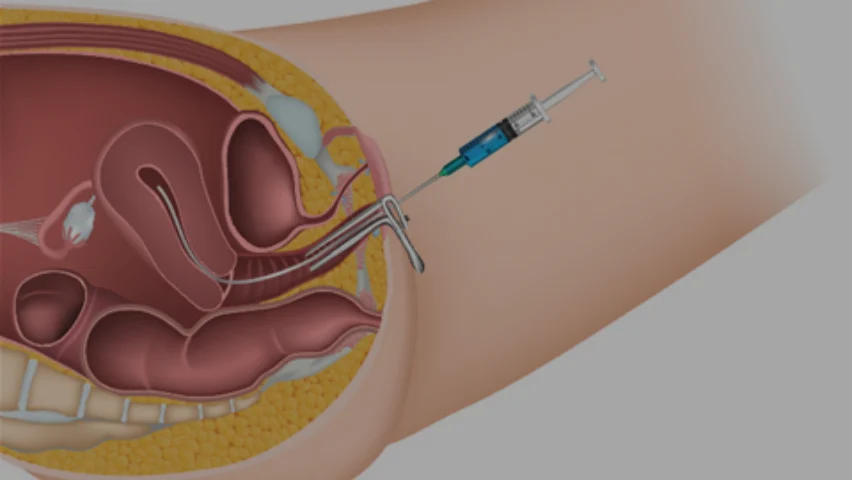
    diagram of a uterus with a syringe for intrauterine insemination procedure

    The Role of Ovulation Tests in At-Home Insemination

    1. Increased Accuracy: Ovulation tests are highly accurate in predicting ovulation, with most tests boasting a 99% accuracy rate. This can help couples avoid missing their most fertile days, increasing their chances of conceiving.

    2. Cost-Effective: Compared to other fertility treatments, at-home insemination and ovulation tests are relatively affordable. This makes it an attractive option for couples who may not have the financial means to pursue other fertility treatments.

    3. Convenience: Ovulation tests can be easily purchased over-the-counter or online, making them a convenient option for couples trying to conceive. They can be used in the privacy of one’s home, without the need for frequent visits to a fertility clinic.

    4. Education: By tracking their ovulation using tests, couples can gain a better understanding of their menstrual cycle and fertility. This information can be beneficial for future attempts at conception or when seeking medical assistance for fertility concerns.

    Potential Challenges of Using Ovulation Tests in At-Home Insemination

    While ovulation tests can be a helpful tool in at-home insemination, there are some potential challenges to be aware of, including:

    1. Inconsistent Results: Ovulation tests rely on the detection of hormones in a woman’s body, and these levels can vary from person to person. This can lead to inconsistent results, making it challenging to pinpoint the exact day of ovulation.

    2. User Error: As with any at-home test, user error can occur, leading to inaccurate results. It is essential to carefully follow the instructions provided with the test to ensure accurate results.

    3. False Positives or Negatives: Ovulation tests may sometimes produce false positives or negatives, indicating an LH surge when there isn’t one or not detecting a surge when it occurs. This can be frustrating and cause confusion for couples trying to conceive.

    In conclusion, ovulation tests play a vital role in at-home insemination by helping couples accurately predict ovulation and time insemination accordingly. While there may be some potential challenges, the benefits of using ovulation tests far outweigh the drawbacks. With proper use and understanding, ovulation tests can increase the chances of a successful pregnancy and bring joy to couples hoping to start a family.

    Summary:

    At-home insemination has become a popular method of conception for couples or individuals using donor sperm. Timing is crucial for this method to be successful, and ovulation tests play a significant role in predicting ovulation and increasing the chances of conception. These tests work by detecting the surge of luteinizing hormone (LH) in a woman’s body, indicating the release of an egg. There are two types of ovulation tests available: urine-based and saliva-based. While there may be some potential challenges with using ovulation tests, such as inconsistent results or user error, the benefits, such as increased accuracy, convenience, and education, make them a valuable tool for couples trying to conceive.